

Health Resources
Let’s get learning.
Check out our collection of inspiring articles and resources for clinicians and patients alike.
-

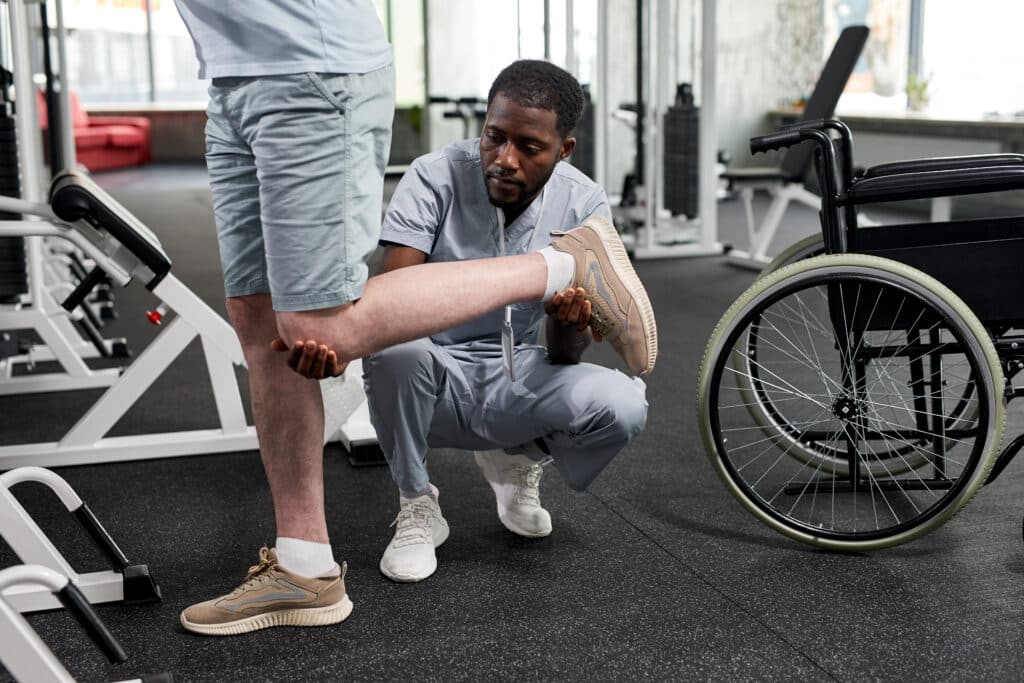
Back in Motion: Cayden’s Road Back to Soccer
Read More: Back in Motion: Cayden’s Road Back to SoccerSoccer players aren’t exactly famous for enjoying the sideline, and Cayden Tadros is no exception. He plays center midfield, attends Michigan State, and competes in the semiprofessional MWPL during the summer. Then, during a game, one play changed the plan: Cayden tore his medial collateral ligament (MCL) and posterior cruciate ligament (PCL). Suddenly, soccer injury…
-

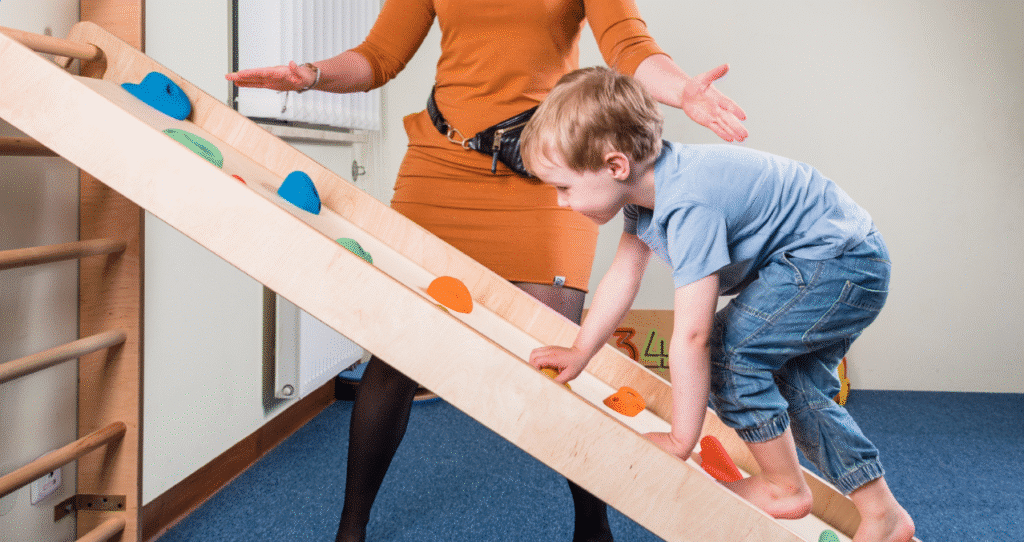
Pediatric PT vs. Orthopedic PT: What’s the Difference?
Read More: Pediatric PT vs. Orthopedic PT: What’s the Difference?Unfortunately, a sore knee doesn’t come with instructions for which kind of physical therapy your child needs. Say your child twists an ankle at soccer practice. Or their knee starts bothering them halfway through cross-country season. Maybe they’re suddenly limping after football, gymnastics, dance, or an especially ambitious afternoon on the playground. That certainly sounds…
-
Why Is There Swelling After an Injury?
Read More: Why Is There Swelling After an Injury?Swelling after an injury is often part of the body’s natural healing process. It can look concerning, especially when the affected area also feels tight, warm, or hard to move. After a sprain, strain, or other soft tissue injury, blood flow increases around the injured area. Fluid and white blood cells move into the tissue…
-

The Benefits of a Multidisciplinary Approach in Pediatric Therapy
Read More: The Benefits of a Multidisciplinary Approach in Pediatric TherapyWhen a child starts therapy, families are often introduced to multiple specialists, physical therapy, occupational therapy, and speech therapy, each focused on a different part of a child’s development. But the real impact happens when those specialists work together. At Ivy Rehab for Kids, that collaboration is intentional. It is built into a multidisciplinary pediatric…
-

Helping Your Child Manage Big Emotions: Signs, Support, and What to Do Next
Read More: Helping Your Child Manage Big Emotions: Signs, Support, and What to Do NextHelping Your Child Manage Big Emotions: Signs, Support, and What to Do Next Every child has big feelings. Frustration, anger, sadness, excitement—these are all part of growing up. But sometimes, those feelings feel too big to manage. For some kids, that might look like a meltdown that seems out of proportion to what caused it.…
-

Lymphedema Treatment: How Ivy Rehab Helps Patients Regain Comfort and Control
Read More: Lymphedema Treatment: How Ivy Rehab Helps Patients Regain Comfort and ControlSwelling can feel uncomfortable, frustrating, and hard to manage, especially when it does not improve with rest or elevation. For some people, ongoing swelling may be a sign of lymphedema, a condition that affects how fluid moves through the body. Lymphedema can make an arm, leg, hand, foot, chest, or other area feel heavy, tight,…





Find the right therapy today.
Discover how Ivy can help you achieve your therapy goals.