Pelvic tilt describes the position of the pelvis and how it angles in relation to the spine and hips. It might sound subtle, but small changes here can ripple through the entire body in surprisingly noticeable ways.
When the pelvis shifts too far forward or backward, posture, muscle balance, and movement quality all start to feel the effects. That can show up as stiffness, discomfort, or that nagging sense that your body just isn’t moving the way it should, especially when issues like back pain come into play.
Physical therapy helps connect the dots. It identifies whether anterior or posterior pelvic tilt is contributing and builds a clear, practical plan to improve control and alignment.
What Is Pelvic Tilt?
Pelvic tilt refers to the way the pelvis rests or moves in relation to the spine, hips, and lower body.
Think of the pelvis as the body’s middle manager. When it’s doing its job well, everything above and below tends to cooperate. When it’s not, things can get… a little disorganized.
And here’s the reassuring part: not every tilt is a problem. Research shows that up to 85% of males and 75% of females have some degree of anterior pelvic tilt, often without any symptoms at all.
Anterior vs Posterior Pelvic Tilt
Anterior vs posterior pelvic tilt describes the direction the pelvis is angled, whether that’s forwards, backwards, or even sideways.
An anterior pelvic tilt tips the front of the pelvis forward, while a posterior pelvic tilt rotates the pelvis backward. A neutral position sits between the two and is generally associated with balanced muscle tension and efficient movement. Different directions, different effects—but both can influence how you move day to day.
Here’s how each pattern typically shows up in the body:
Anterior Pelvic Tilt
Anterior pelvic tilt is often associated with increased arching in the lower back.
Common characteristics include:
- Tight hip flexors.
- Reduced abdominal strength.
- Limited glute activation.
Anterior pelvic tilt can cause increased stress on the lower back and change how the hips move during activity. Over time, that added strain can make simple movements feel less efficient.
Posterior Pelvic Tilt
When the pelvis is tilted backward, it often creates a flatter low back posture.
Common characteristics include:
- Hamstring dominance.
- Reduced hip extension.
- Limited trunk mobility.
This pattern may affect walking, lifting, and overall movement efficiency. It can also make movements feel a bit restricted, like your body isn’t quite opening up the way it should.
Both patterns fall under the broader category of pelvic tilt and influence how the body handles load, absorbs force, and maintains balance.

What Causes Pelvic Tilt Imbalances?
The pelvis plays a central role in weight-bearing movement, connecting the spine and lower body. As a result, even small shifts in muscle balance or joint mobility can alter how force travels through the hips, knees, and lower back.
Pelvic tilt imbalances usually build gradually. There’s rarely a single “aha” moment—just a collection of habits and patterns that add up over time.
A few key factors tend to drive these changes in pelvic positioning:
Muscle Imbalance
The pelvis is controlled by several muscle groups working together.
Key contributors include:
- Abdominals.
- Glutes.
- Hip flexors.
- Hamstrings.
- Spinal muscles.
When some muscles work overtime, and others don’t quite pull their weight, creating tight muscles on one side and weakness on the other, pelvic tilt patterns can develop.
Posture and Daily Habits
Daily routines often reinforce pelvic positioning—sometimes without you realizing it.
Common contributors include:
- Sedentary behavior and prolonged sitting.
- Standing with poor alignment.
- Lifting with poor mechanics.
- Repetitive movement patterns.
Over time, these habits can make anterior pelvic tilt or posterior tilt pelvic patterns more noticeable—and harder to ignore.
Signs Pelvic Tilt May Be Affecting Movement
Pelvic tilt imbalances often show up in subtle but consistent ways.
Common signs include:
- Low back tightness,strain, or sciatica-like symptoms.
- Hip stiffness.
- Difficulty maintaining posture.
- Feeling unstable during squats or lunges.
- Trouble fully extending the hips during walking or exercise.
These changes tend to creep in gradually, which is why many people chalk them up to “just getting tight” rather than a movement pattern that can actually be improved.
How to Fix Pelvic Tilt
How to fix pelvic tilt depends on what your body actually needs—not just what’s trending online.
Most people benefit from a combination of mobility, strength, and movement retraining working together.
These components each play a distinct role in restoring better pelvic alignment:
Improve Mobility Where Needed
Mobility work helps address stiffness that may be limiting movement.
This may include:
- Hip flexor stretches and mobility work for anterior pelvic tilt.
- Hamstring mobility for posterior tilt pelvic patterns.
- Gentle spinal movement drills.
These strategies help restore range without forcing the body into positions it’s not ready for.
Strengthen Key Support Muscles
Strength supports better pelvic positioning over time.
Focus areas often overlap with core strength and balance, including:
- Glute strength.
- Abdominal control.
- Trunk stability.
As these muscles work together more effectively, the body naturally reduces unnecessary strain on the lower back and hips.
Retrain Posture and Movement
Lasting change comes from how the body moves during real life—not just during exercise.
This includes:
- Sitting and standing posture.
- Squat and lifting mechanics.
- Walking and running patterns.
Learning to control pelvic tilt during movement is more important than any single exercise. Over time, this leads to smoother, more efficient movement that actually sticks.
Reclaim Your Strength and Mobility
Experience tailored physical therapy programs designed to alleviate pain and restore function.
Pelvic Tilt Exercise and Other PT Strategies
Pelvic tilt exercises can help improve awareness and control when used correctly.
Here are a few foundational exercises and how they typically progress:
Pelvic Tilt Exercise
A basic pelvic tilt exercise is often used as a starting point.
This involves:
- Lying on your back with knees bent.
- Gently tightening the abdominal muscles.
- Flattening the lower back toward the surface.
It’s simple, but effective. This drill builds awareness and control—two things the body often needs before progressing to more advanced movement.
Progression Into Functional Exercise
Once control improves, exercises become more dynamic.
Common progressions include:
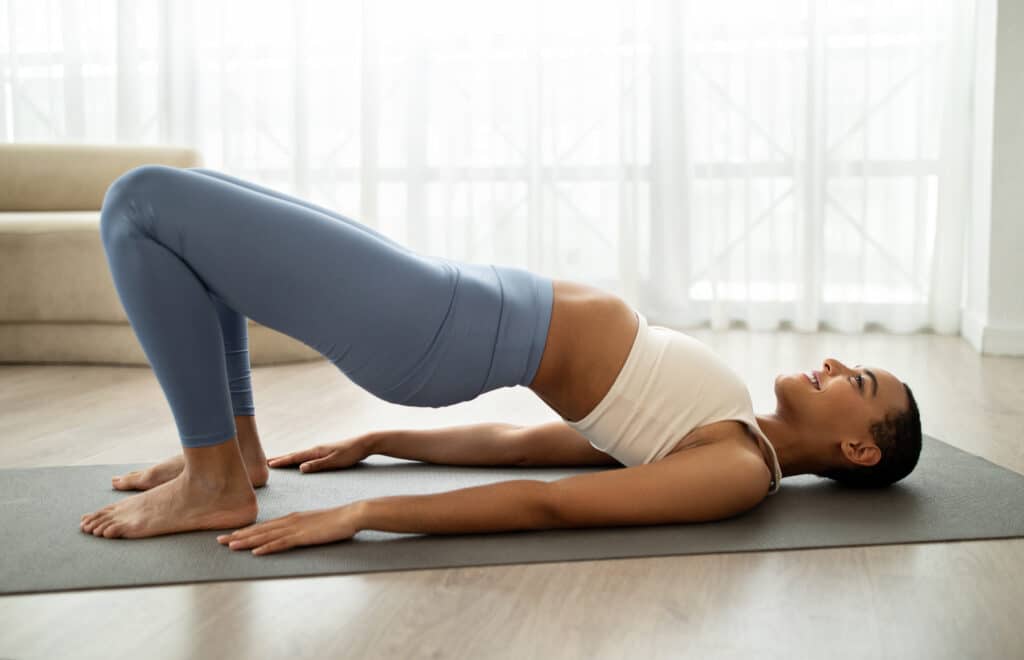
- Bridges.
- Dead bugs.
- Squat pattern training.
- Single-leg control work.
These exercises connect pelvic alignment to real-world movement, helping strength and coordination show up where it actually matters.
How Physical Therapy Helps
Physical therapy focuses on identifying what’s actually driving pelvic tilt—not just treating symptoms in isolation.
That process typically starts with a full understanding of how your body moves and builds from there:
Movement Assessment
A physical therapist evaluates how the body moves as a whole.
This may include:
- Posture and spinal position.
- Hip mobility.
- Strength and control.
- Movement during walking and squatting.
This full-picture approach helps determine whether pelvic tilt is the main issue or part of a larger movement pattern.
Individualized Treatment Plan
Treatment is based on the individual, not a one-size-fits-all template.
Plans may include strategies commonly used in orthopedic therapy, such as:
- Targeted exercise.
- Mobility work.
- Manual therapy.
- Movement retraining.
This combination supports better alignment while building long-term, sustainable function.
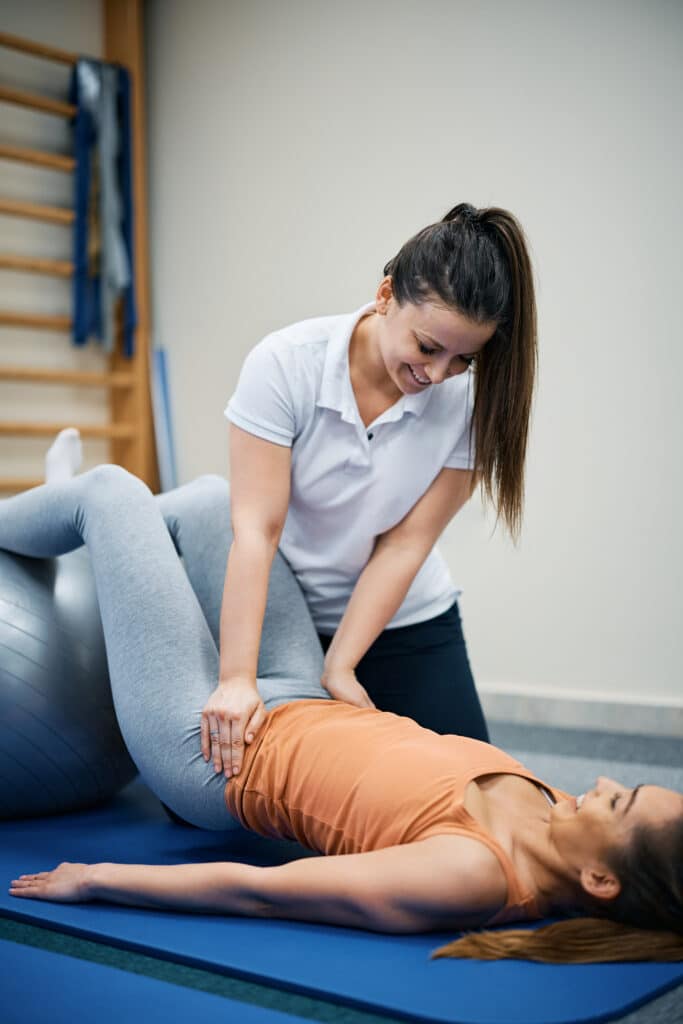
Why Choose Ivy Rehab for Pelvic Tilt and Postural Imbalances
Ivy Rehab provides personalized, non-surgical care focused on movement and function.
Care includes:
- One-on-one evaluation.
- Customized exercise programs.
- Education for long-term movement health.
The goal isn’t just to improve pelvic tilt—it’s to help patients move with more confidence, comfort, and control in everyday life.
Move Better, Feel Better
Pelvic tilt is not just about posture. It reflects how the body moves, stabilizes, and handles load.
With the right physical therapy plan, patients can improve alignment, reduce strain, and move with greater ease—and a lot less frustration.
Ready to move better with expert guidance? Find an Ivy Rehab location near you.
References
- Herrington, Lee. “Assessment of the Degree of Pelvic Tilt Within a Normal Asymptomatic Population.” Manual Therapy. 2011;16(6):646-648. doi:10.1016/j.math.2011.04.006. https://pubmed.ncbi.nlm.nih.gov/21658988/
- Journal of Orthopaedic & Sports Physical Therapy (JOSPT). “Movement and Postural Control in Musculoskeletal Rehabilitation.” JOSPT. Accessed March 24, 2026. https://pmc.ncbi.nlm.nih.gov/articles/PMC11228404/
- Escorpizo, Reuben. “Defining the Principles of Musculoskeletal Disability and Rehabilitation.” Best Pract Res Clin Rheumatol. 2014;28(3):367-375. doi:10.1016/j.berh.2014.09.001. https://pubmed.ncbi.nlm.nih.gov/25481421/

Before you go
Find the right therapy today.
Discover how Ivy Rehab can help you get back to doing what you love.