
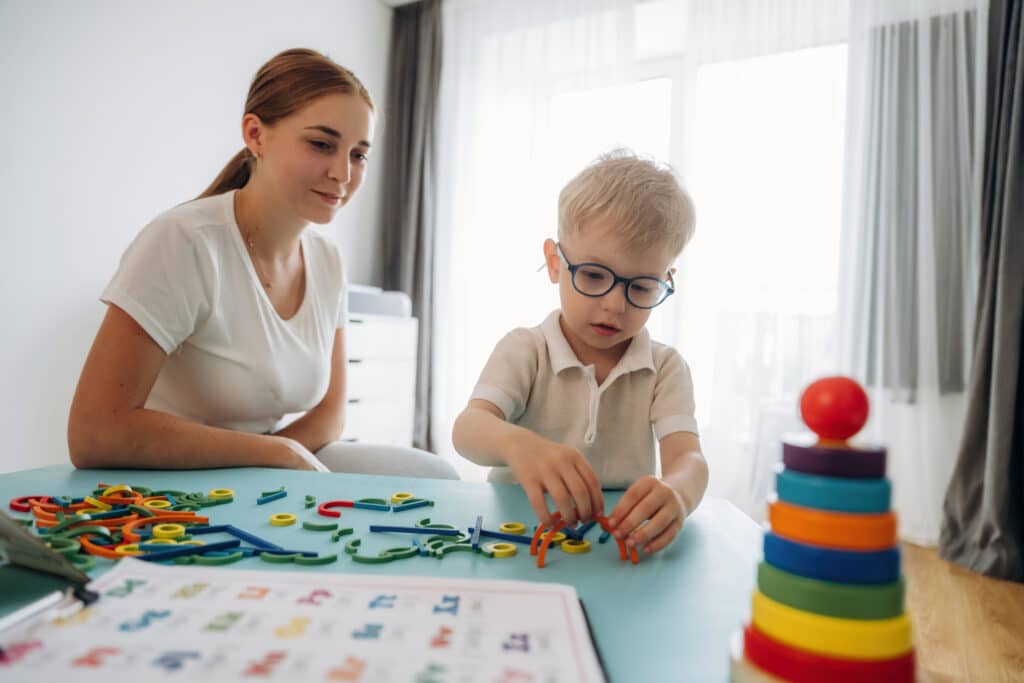
Applied Behavior Analysis (ABA) Therapy
Every child learns, communicates, and connects with the world in their own way. If your child could use support with daily routines, communication, social situations, or managing emotions, your family may be looking for care that feels practical, respectful, and built around your child’s needs.
Ivy Rehab for Kids supports autistic children and children with developmental disabilities through ABA therapy. Our Board-Certified Behavior Analysts (BCBAs) and behavior technicians work with families to build communication, social, self-care, and daily living skills that carry over at home, at school, and in the community.
What Is Athletic What Is ABA Therapy?
Applied behavior analysis (ABA) is a research-based approach to therapy that looks at how children learn, what motivates them, and how their environment affects behavior. Therapists use that information to teach new skills in small, achievable steps and support positive behavior change.
For families, the goal is practical. ABA therapy may help a child ask for help, follow a routine, practice taking turns, tolerate a change in plans, or build self-care skills.
ABA should be respectful, personalized, and family-centered. It’s not about changing who a child is. The right plan focuses on skills that make daily life safer, more manageable, and more connected.
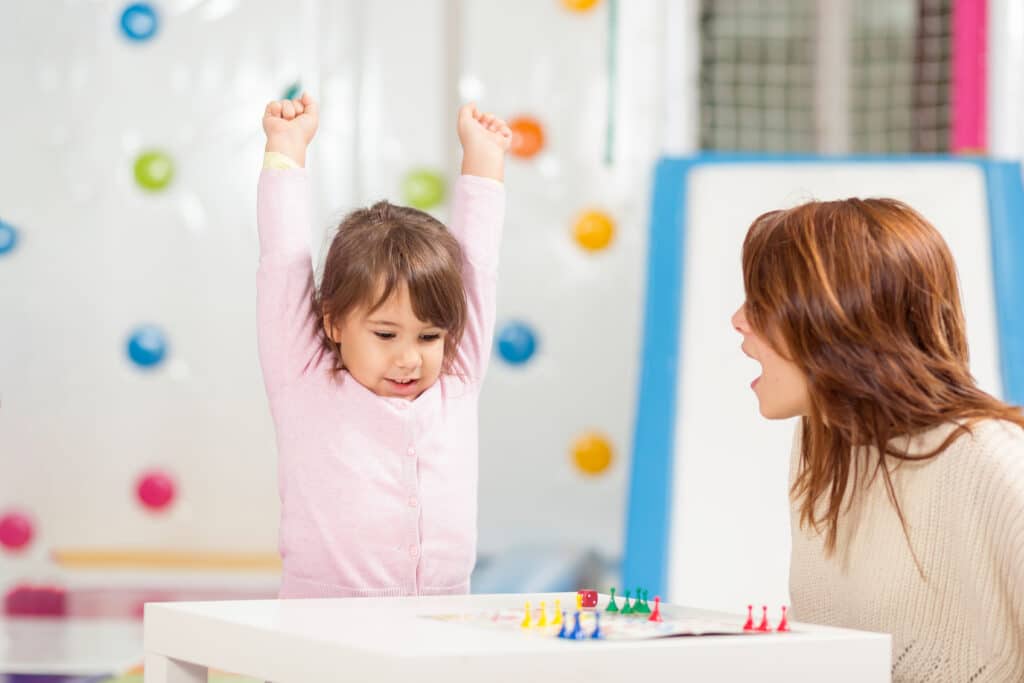
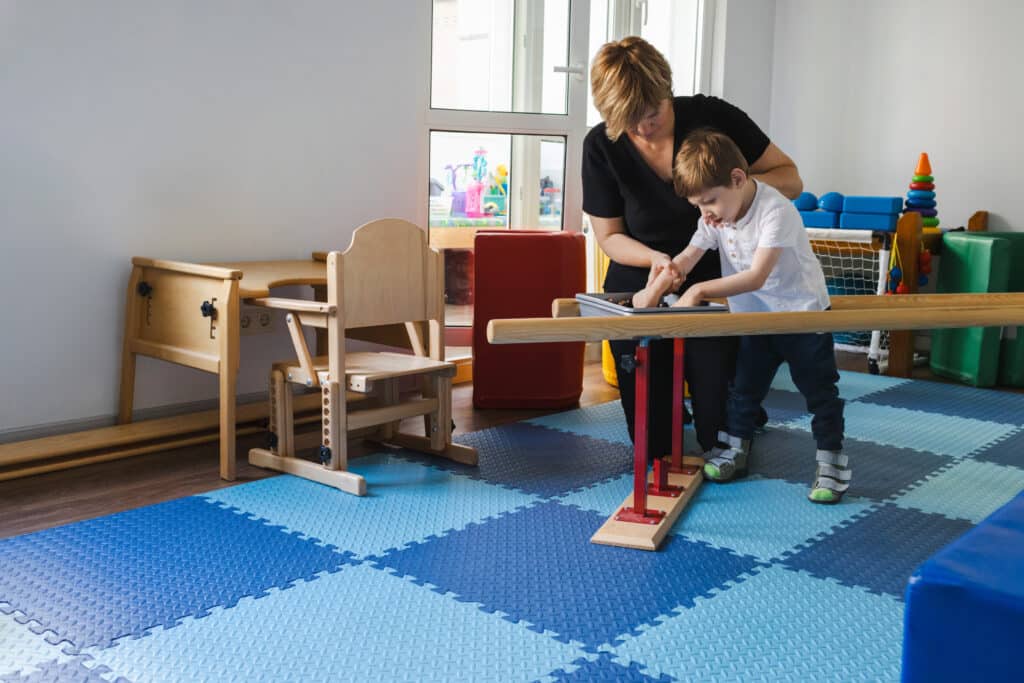
Who Can Benefit From ABA Therapy?
ABA therapy is most often used with autistic children, but it can also support children with developmental delays, developmental disabilities, and related needs. A BCBA will evaluate your child and talk with your family to decide whether ABA is a good fit.
ABA may support children who:
- Need help expressing wants, needs, choices, or feelings.
- Have a hard time with transitions, routines, or changes in plans.
- Are working on self-care skills like dressing, eating, brushing teeth, or using the bathroom.
- Need support with play, social interaction, waiting, or turn-taking.
- Need support with behaviors that affect learning, safety, or daily routines.
- Need help using a skill in more than one setting.
Every child’s starting point is different. That’s exactly where care should begin.
ABA Therapy at Ivy Rehab for Kids
Our BCBAs take time to understand your child as a whole person. That includes what they enjoy, how they communicate, what helps them feel comfortable, what motivates them, and what your family wants daily life to look like.
Each ABA plan is personalized around meaningful skills, not a generic checklist. Goals may focus on communication, social skills, self-care, flexibility, safety, or routines at home and school.
Ivy Rehab for Kids can also coordinate care across ABA, occupational therapy, speech therapy, and physical therapy when more than one type of support is needed. This team approach helps families get a clearer picture of their child’s development and a care plan that fits together.
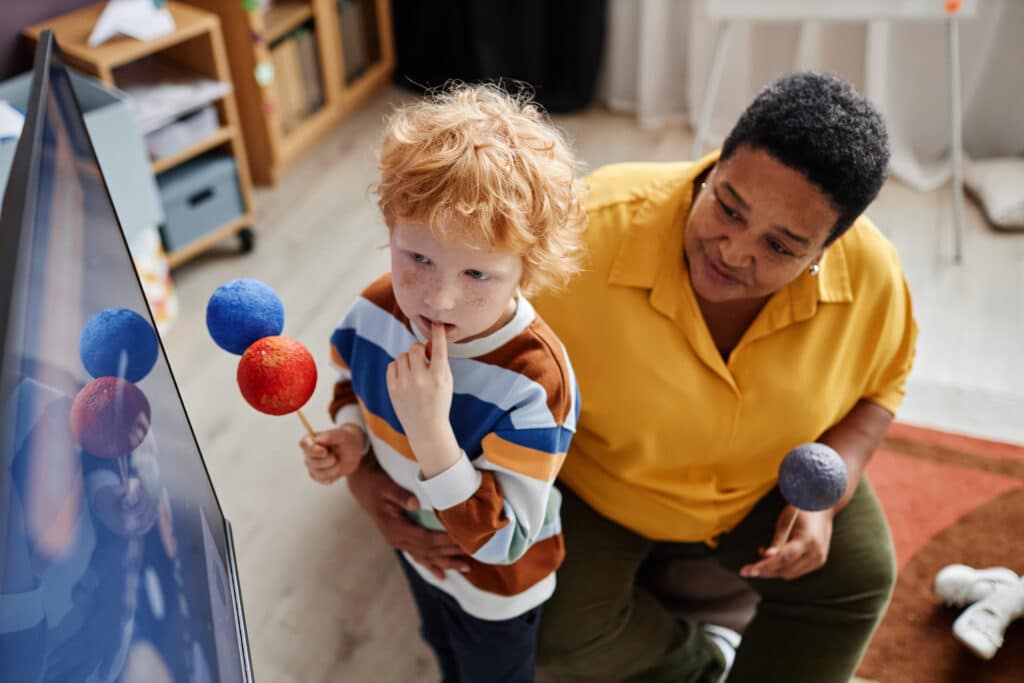
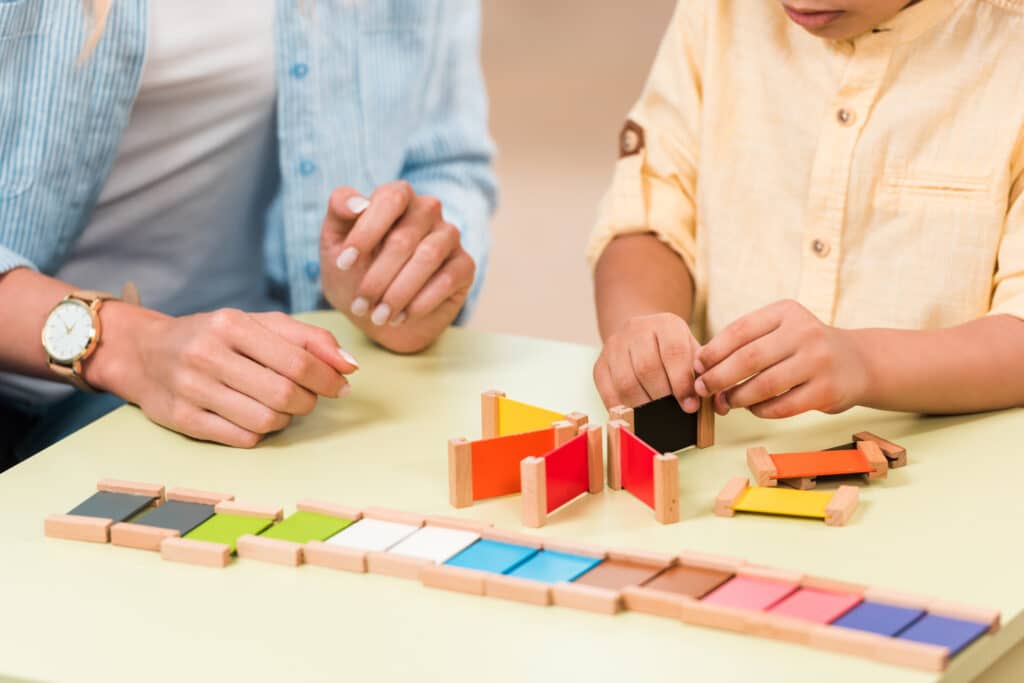
What ABA Therapy Can Help With
ABA care can support a wide range of everyday skills, including:
- Communication and self-advocacy. Children may practice asking for help, making choices, expressing feelings, or using speech, gestures, signs, or communication devices.
- Daily living skills. Sessions may work on getting dressed, brushing teeth, eating, using the bathroom, or going through morning and bedtime routines.
- Social and play skills. Children may practice taking turns, shared play, waiting, joining activities, or understanding social cues in a way that feels appropriate for them.
- Flexibility and coping skills. Therapists can help children practice switching activities, changes in plans, and ways to manage frustration or big feelings.
- Safety and participation. Goals may include following simple safety directions, staying with a caregiver, or feeling more comfortable and confident in community routines.
The best goals are the ones families can see and use outside the clinic.
How We Approach ABA Therapy
Step 1: Assessment and Goal Setting
Every ABA program begins with an assessment by a Board-Certified Behavior Analysts. The BCBA observes your child, reviews their history, and learns from your family. Together, you identify strengths, priorities, and the skills that would make daily life easier.
From there, the BCBA creates a plan with clear goals and a care schedule that fits your child’s needs.
Step 2: Personalized Therapy Sessions
Sessions are led by trained behavior technicians under the supervision of a BCBA. Some children learn best through play and everyday routines. Others benefit from more guided practice.
Your child might practice communication during a game, work through a self-care routine step by step, or build flexibility by trying small changes in a favorite activity. Therapy may use methods such as naturalistic teaching, discrete trial training (DTT), or pivotal response treatment (PRT), depending on what helps your child learn.
Step 3: Caregiver Coaching for Daily Life
Caregivers are part of the process from the beginning. Your BCBA will share strategies your family can use at home, at school, and in the community. This helps connect therapy sessions to daily life. A skill is much more useful when your child can use it with different people, in different places, and during real routines.
Step 4: Progress Reviews and Plan Adjustments
ABA is based on data and research, so the team tracks progress during sessions and reviews it regularly. If a goal is too easy, too hard, or not helping in the way it should, the plan can change.
Families are updated throughout care, so you know what your child is practicing, what’s improving, and what may need more support.
Get Support With ABA Therapy
Get Support With ABA Therapy
If your child could use support with communication, routines, self-care, social interaction, or specific behaviors that affect daily life, Ivy Rehab for Kids can help you explore what care may fit.
We’ll work with your family to understand your child’s needs, then build a plan around real skills that matter at home, at school, and in your community.
Find an Ivy Rehab for Kids location near you to connect with a pediatric therapy team.
FAQs
How Do I Know if ABA Therapy Is Working?
You should see progress toward goals that were clearly defined at the start of care. Progress may look like smoother routines, more communication, more independence, or your child using a skill in a new setting. Your team will track progress and update you regularly.
How Many Hours of ABA Therapy Does My Child Need?
There isn’t one right number for every child. Some children benefit from more support early on, while others need fewer hours each week. Your BCBA will recommend a schedule based on your child’s assessment, goals, age, and family needs.
Is ABA Therapy Only for Autistic Children?
No. ABA is most common for autistic children, but it may also support children with developmental delays, developmental disabilities, and related needs. A BCBA can help determine whether this type of care could help your child.
What Is the Difference Between a BCBA and a Behavior Technician?
A Board-Certified Behavior Analyst (BCBA) evaluates your child, creates the ABA plan, sets goals, and supervises care. A behavior technician works directly with your child during sessions and follows the plan under the BCBA’s guidance.
Will I Be Involved in My Child’s ABA Plan?
Yes. Caregiver involvement is an important part of ABA care. Your BCBA will talk with you about goals, share progress, and coach your family on strategies that can support your child outside therapy.