Scapular dyskinesis is a change in how the shoulder blade moves or rests during arm motion. It often flies under the radar at first, but your shoulder definitely notices, even if you don’t right away.
In a 2026 cross-sectional study of patients with shoulder injuries, scapular dyskinesis was present in 97.6% of injured shoulders, highlighting how commonly the shoulder blade plays a role in shoulder pain.
When the scapula doesn’t move well, it can affect shoulder strength, overhead mechanics, and overall comfort with activity. This is especially common among people who frequently lift, throw, or reach overhead, especially athletes involved in sports physical therapy. In other words, if your arms have a job to do, your shoulder blade needs to show up ready, not clock in late.
Physical therapy helps improve shoulder blade control, reduce pain, and restore better movement without surgery. The goal is simple: help your shoulder work the way it was designed to, efficiently, reliably, and without unnecessary drama.
What Is Scapular Dyskinesis?
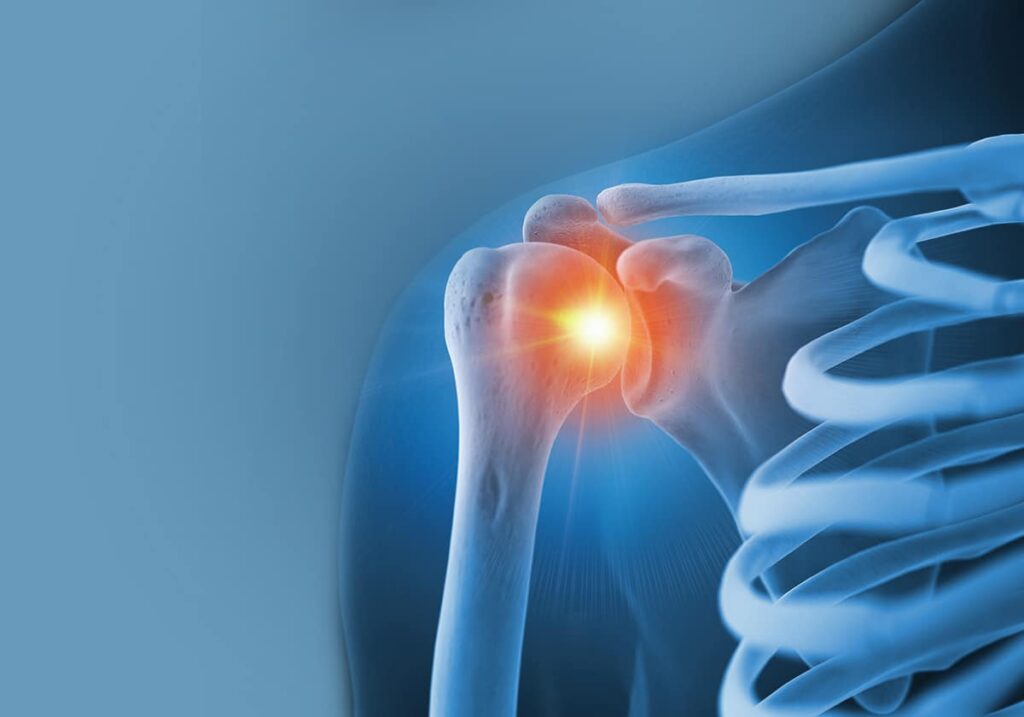
Scapular dyskinesis is an alteration or deviation in the normal resting or active position of the scapula during shoulder movement.
The role of the scapula is to support the arm and create a stable platform for movement. When it moves well, it creates a stable base for strength and motion. When it doesn’t, the entire shoulder system can feel off, like trying to lift weights on an uneven foundation. You might still get the job done, but it’s going to take more effort than it should.
What Causes Scapular Dyskinesis?
Scapular dyskinesis is often associated with muscle weakness, imbalance, or repetitive movement patterns.
Several common factors tend to drive these changes in shoulder blade movement:
Muscle Weakness or Imbalance
Weak or poorly coordinated muscles around the shoulder blade can affect stability and control throughout the shoulder.
If key muscles are underactive, other muscles may step in and overcompensate. They mean well, but they tend to bring their own ideas about movement, and not all of them are helpful.
Poor Overhead Mechanics
Repetitive overhead activity can reinforce faulty movement patterns.
Common examples include:
- Throwing or serving.
- Overhead lifting.
- Repeated reaching.
Over time, these patterns can lead to inefficient scapular rotation and motion, increasing strain. It’s not just about doing the movement; it’s about how your body organizes it behind the scenes.

Common Signs and Symptoms
Scapular dyskinesis can show up in different ways depending on the person and activity level.
Common symptoms include:
- Pain or tenderness around the shoulder blade.
- Snapping or popping with movement.
- Loss of strength with arm use.
- Visible winging of the scapula.
- Asymmetrical posture.
- Shoulder instability.
These symptoms may come and go at first, but they tend to stick around longer when ignored. Your shoulder has a polite way of asking for attention at first, and a much less polite way if it gets ignored.
How Scapular Dyskinesis Causes Shoulder Pain
The shoulder depends on the scapula for stability during movement.
When scapular dysfunction occurs, the shoulder joint loses part of its support system. This changes how forces are distributed and can increase stress on surrounding tissues.
Over time, this may lead to irritation, weakness, and reduced efficiency with overhead movement, including issues related to posterior shoulder pain and impingement. Things that used to feel easy can start to feel surprisingly difficult, and sometimes frustratingly inconsistent.

Scapular Dyskinesis Treatment
Scapular dyskinesis treatment focuses on restoring movement, reducing pain, and improving control.
Treatment typically combines a few key strategies that work together to restore healthy shoulder mechanics:
Activity Modification
Reducing or modifying aggravating movements can help calm symptoms early on.
This doesn’t mean stopping activity completely. It means being strategic about volume, intensity, and technique so your shoulder can recover while still staying active. Think of it as working smarter, not just pushing harder.
Scapular Dyskinesis Exercises
Exercise is a key part of recovery and long-term improvement.
Common scapular dyskinesis exercises, including many shoulder strengthening exercises, focus on:
- Shoulder blade control and positioning.
- Strengthening the upper back and stabilizers.
- Improving posture and alignment.
These exercises help restore smooth, coordinated movement. Over time, you should feel better control during lifting and overhead activity, and a lot less guessing about what your shoulder will do that day. Consistency here pays off in a very real way.
Can Scapular Dyskinesis Be Fixed?
In many cases, yes. Scapular dyskinesis can be improved, and often fully resolved, with the right approach.
Most people see progress through consistent rehabilitation focused on strength, control, and movement quality. Progress depends on the severity of the issue and how consistently exercises are performed.
Many rehab programs show improvement within several weeks when followed regularly. Consistency tends to beat intensity every time, especially when it comes to movement retraining.
Expert Care for Specialized Conditions
Our specialized programs are designed to address unique health challenges.
How Physical Therapy Helps
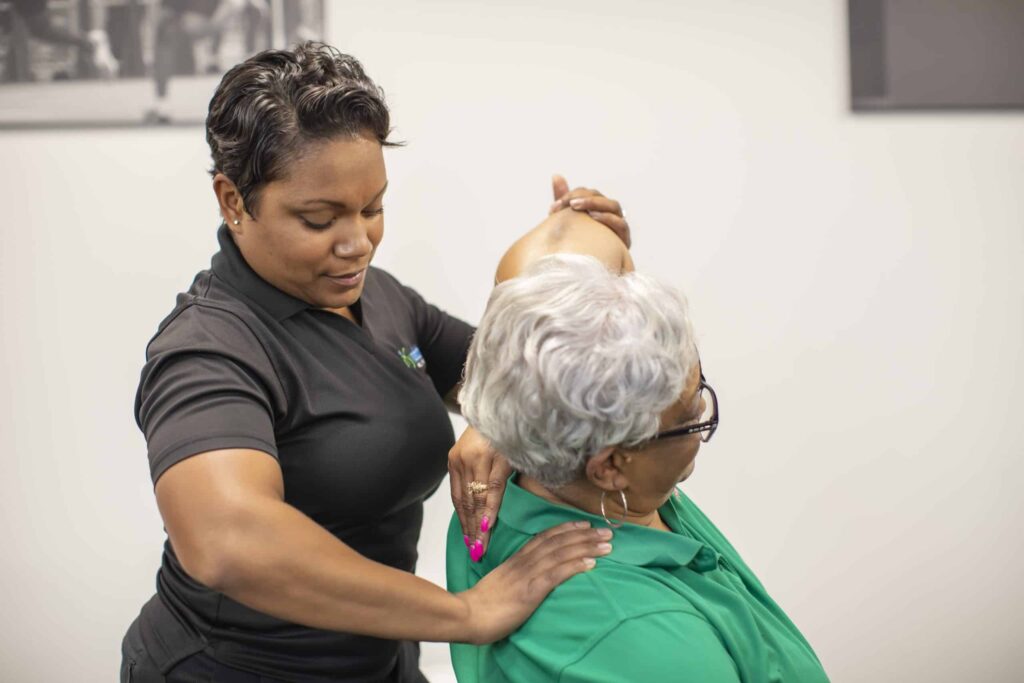
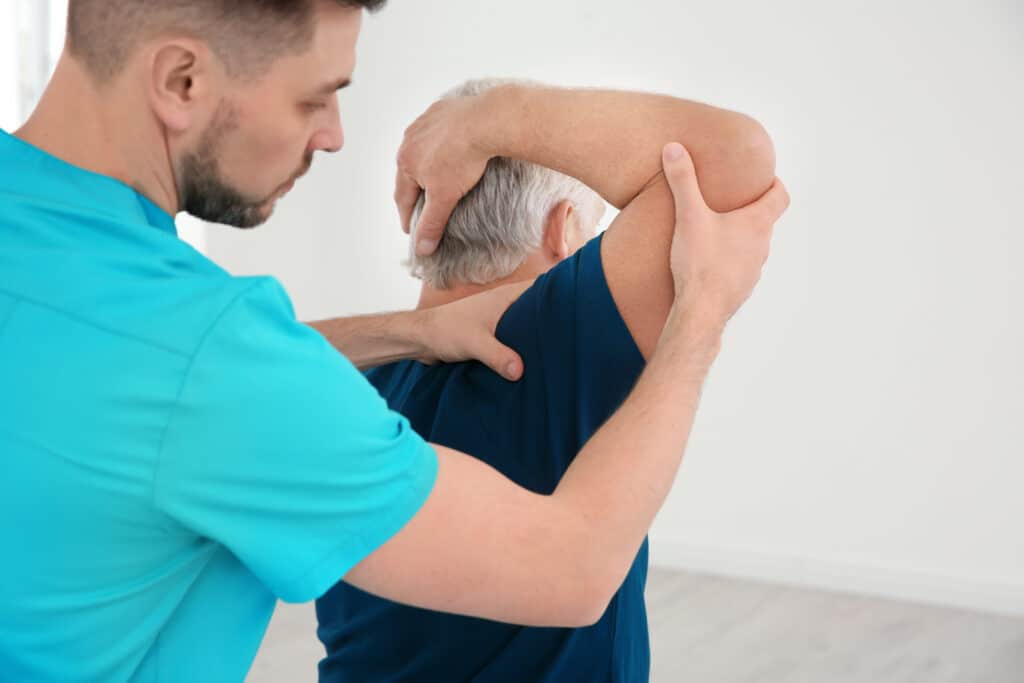
Physical therapy identifies the root cause of scapular dyskinesis and builds a plan to correct it.
That process typically starts with a clear understanding of how your shoulder moves and progresses step by step from there:
Movement Assessment
A physical therapist evaluates:
- Shoulder blade movement and range of motion.
- Strength and muscle coordination.
- Posture and alignment.
- Overhead mechanics.
This helps pinpoint what is driving the dysfunction rather than just treating symptoms. It’s about solving the right problem, not just the loudest one.
Progressive Rehab Plan
Treatment is structured and individualized, often drawing on principles of orthopedic therapy.
It may include:
- Mobility work.
- Strengthening exercises.
- Movement retraining.
- Gradual return to sport or activity.
This progression helps restore control while reducing the risk of re-injury. Step by step, your shoulder relearns how to do its job well, without second-guessing.
Why Choose Ivy Rehab for Scapular Dyskinesis Treatment
Ivy Rehab provides personalized, non-surgical care focused on improving movement and reducing pain.
Care includes:
- One-on-one evaluation.
- Customized exercise programs.
- Focus on long-term shoulder health and performance.
This approach helps patients return to activity with better control and confidence. Not just feeling better, but moving better, and trusting your shoulder again.
Your Shoulder Can Move Better Again
Scapular dyskinesis can be an overlooked source of shoulder pain. When the shoulder blade doesn’t move well, it affects strength, stability, and overall function.
With the right physical therapy plan, most people can improve movement, reduce pain, and restore long-term shoulder function. Your shoulder is built to move well; sometimes it just needs the right guidance to get back on track.
Ready to move with more control and less pain? Find an Ivy Rehab location near you and get started with a plan designed for your shoulder.
References
- Sim, Ban Suk, and Young Kyun Kim. “Prevalence and Grade of Scapular Dyskinesis in Patients With Shoulder Injuries: A Cross-Sectional Study.” JSES International. 2026. https://www.sciencedirect.com/science/article/pii/S2666638326000289#bib22
- Massachusetts General Hospital Sports Medicine. “Rehabilitation Protocol for Rotator Cuff Repair – Small to Medium-Sized Tears.” PDF. Accessed Dec. 26, 2025. https://www.massgeneral.org/assets/mgh/pdf/orthopaedics/sports-medicine/physical-therapy/rehabilitation-protocol-for-rotator-cuff-repair.pdf
- American Academy of Orthopaedic Surgeons. “Rotator Cuff and Shoulder Conditioning Program.” OrthoInfo. Accessed Dec. 26, 2025. https://orthoinfo.aaos.org/en/recovery/rotator-cuff-and-shoulder-conditioning-program

Before you go
Find the right therapy today.
Discover how Ivy Rehab can help you get back to doing what you love.