
When we talk about foot pronation vs. supination, we’re really describing how your foot rolls and distributes weight during walking or running. It sounds simple, but this small movement does a surprisingly big job.
When that loading pattern shifts too far inward or outward, it can ripple upward, affecting the foot, ankle, knee, and hip, as well as overall movement mechanics. This helps to explain why musculoskeletal foot conditions are so common, affecting more than 60% of older adults and often linked to how the foot loads and moves during walking.
Physical therapy can help identify whether pronation or supination is contributing to pain, instability, or inefficient gait, and then build a plan to bring things back into balance.
What Is Pronation of the Foot?
Understanding what pronation of the foot is starts with one reassuring fact: some inward motion is completely normal.
Pronation is the natural inward rolling of the foot that helps absorb shock and adapt to the ground. Think of it as your body’s built-in suspension system.
It becomes a problem when the foot rolls inward too much, and the arch begins to flatten over time. People who overpronate often notice that their “shock absorber” becomes a little less effective.
What Is Supination of the Foot?
The supination of the foot is essentially the opposite pattern.
Supination occurs when more weight shifts to the outside of the foot during walking or running.
This pattern can reduce shock absorption and place more stress on the outer foot and lower leg, making movement feel a bit stiffer than it should.
Foot Pronation vs Supination
The key difference between foot pronation and supination lies in where the body places weight and how that affects alignment, stability, and shock absorption.
Here’s how each pattern typically shows up during movement:
Pronation Pattern
In a pronation pattern, more weight shifts inward during movement.
- The arch may appear flatter, and the big toe may angle inward.
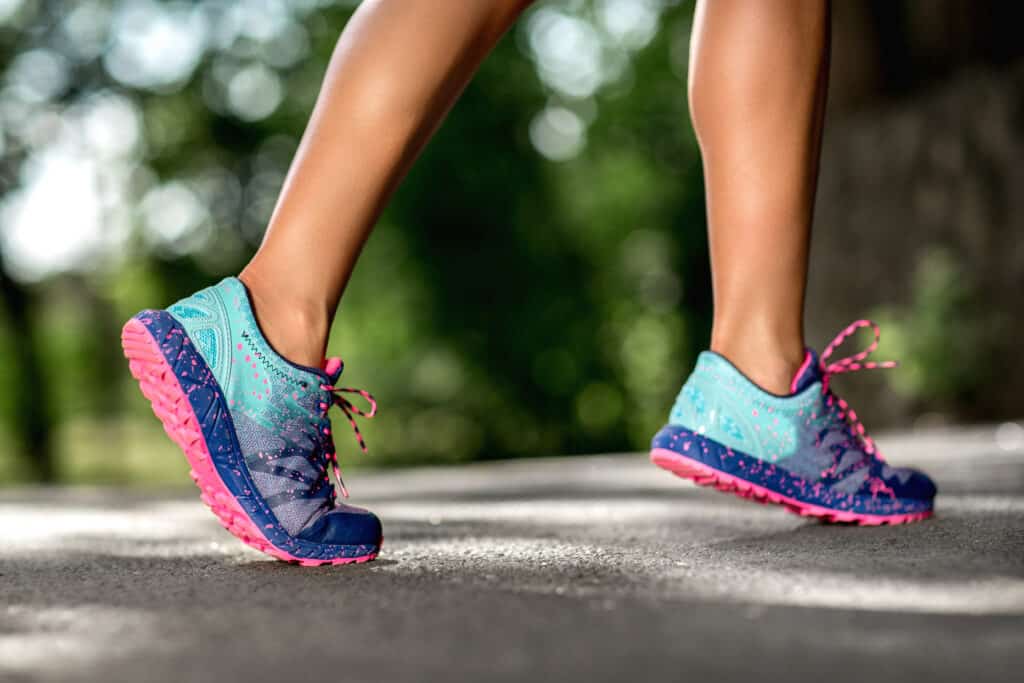
- Shoes often wear more on the inside edge.
- The ankle may roll inward during stance, causing the heel to slightly roll outward.
Over time, this can increase stress through the knee and hip, especially if the body has to keep compensating.
Supination Pattern
In a supination pattern, the foot tends to roll outward, shifting weight to the outer edge.
- Shoes wear more along the outer edge.
- The foot may feel more rigid.
- Shock absorption may be reduced.
This can increase stress on the ankle and outer lower leg, particularly during higher-impact activity.
How These Patterns Affect the Body
Foot pronation vs supination doesn’t stop at the foot. It influences how force travels through the entire body.
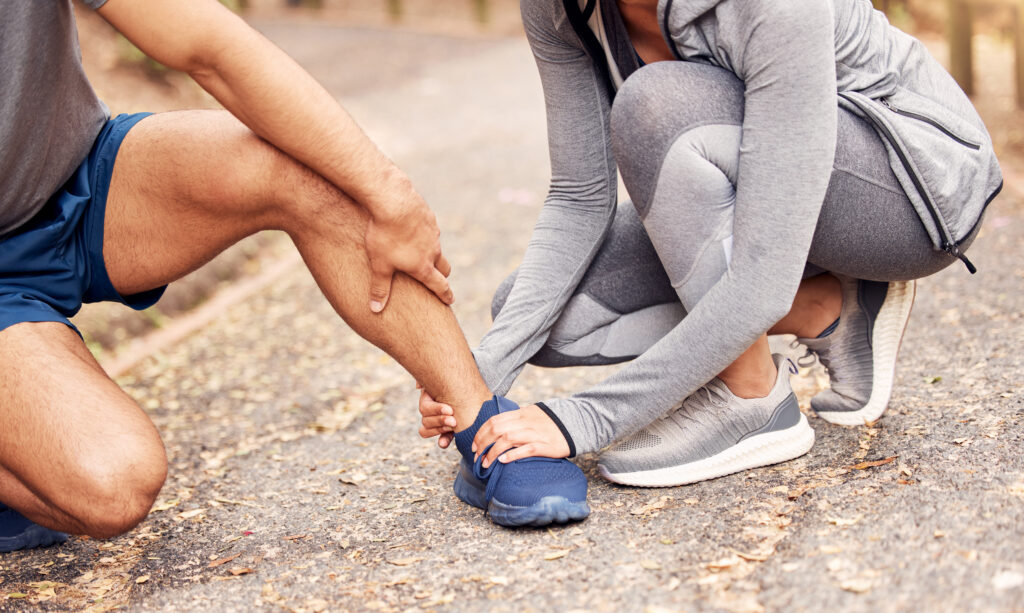
Common issues that may develop include problems often tied to foot pain and related movement dysfunctions:
- Foot and ankle pain, including plantar fasciitis.
- Shin pain.
- Achilles tendon irritation.
- Knee discomfort.
- Hip or low back strain.
- Reduced stability during walking or running.
When the load isn’t distributed well, the body adapts, sometimes in ways that aren’t very efficient.
What Causes Pronation or Supination?
These movement patterns are usually shaped by a mix of structure, habits, and past injuries.
A few key factors tend to influence how these patterns develop:
Structural Factors
Some people naturally load differently due to their anatomy.
- High arches, flat feet, or lower-than-typical arches.
- Foot shape and alignment.
- Lower-limb positioning.
These factors can influence whether someone leans toward pronation or supination, and that’s not inherently a problem until you start experiencing pain or discomfort.
Compensation and Overuse
Movement patterns can also evolve over time.
- Previous injuries may alter gait.
- Pain can shift weight away from certain areas.
- Repetitive activity can reinforce inefficient patterns.
That’s why something that once felt fine can gradually become uncomfortable.
How to Fix Foot Pronation
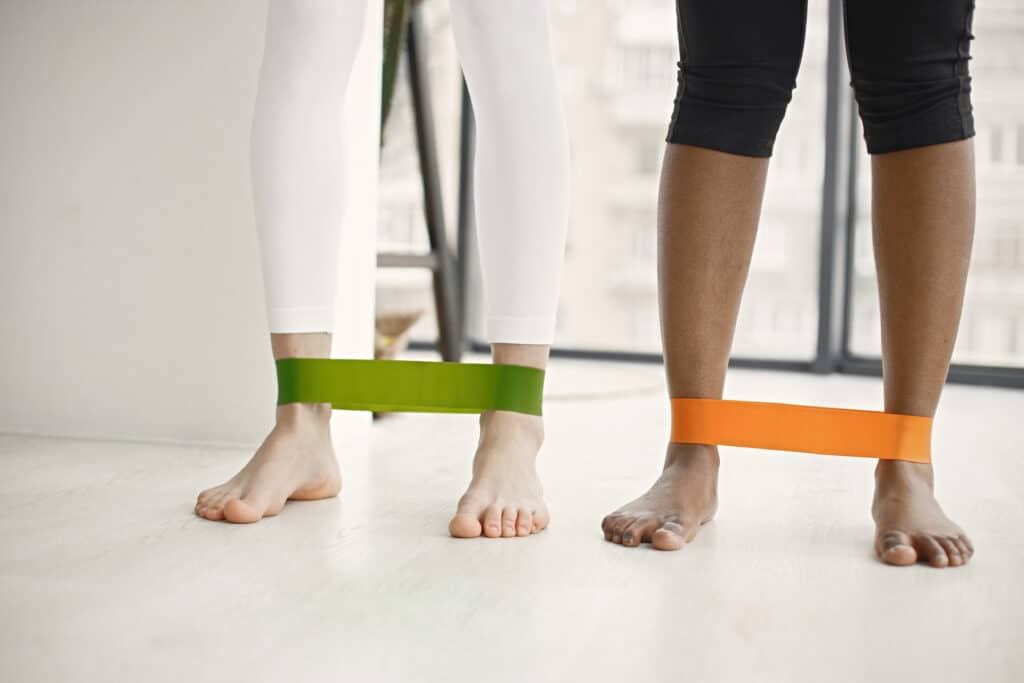
Learning how to fix foot pronation starts with improving control and strength throughout the lower body, not just the foot itself.
Treatment may include:
- Foot and ankle strengthening exercises.
- Balance and stability training.
- Mobility work for the ankle and calf.
- Gait retraining to improve movement efficiency.
A well-rounded plan looks at the whole system, because the foot rarely works alone.
How to Fix Foot Supination
How to fix foot supination often focuses on improving shock absorption and movement control to help the body handle impact more comfortably, especially during running and other repetitive-impact activities, which may benefit from a running gait analysis.
Strategies may include:
- Strengthening the foot and ankle.
- Improving mobility to allow better load distribution.
- Balance exercises to improve control.
- Gait adjustments to reduce outer-edge loading.
These changes help movement feel smoother and less taxing over time.
How Physical Therapy Helps
Physical therapy plays a key role in addressing foot pronation vs supination, especially when symptoms keep returning.
That process typically starts with a closer look at how you move, which includes:
Gait and Movement Assessment
A physical therapist evaluates how you move as a whole, not just what your foot is doing in isolation.
This may include:
- Walking or running analysis.
- Balance testing.
- Foot posture and ankle mobility.
- How the knees and hips respond to loading.
This bigger-picture view helps pinpoint what’s actually driving symptoms.
Strength, Mobility, and Support Strategies
Treatment is built around your needs and goals, not a one-size-fits-all approach, often using principles from orthopedic therapy.
- Targeted exercises for strength and control.
- Mobility work to improve movement quality.
- Balance training to enhance stability.
- Footwear guidance or orthotic recommendations when appropriate.
The goal is simple: help your body move more efficiently and with less strain.
Personalized Therapy for Lasting Relief
Our expert therapists are committed to helping you achieve your health goals.
Why Choose Ivy Rehab for Foot and Gait Dysfunction
Ivy Rehab provides personalized, non-surgical care to improve foot mechanics and movement.
Our physical therapists focus on identifying the root cause of symptoms and building a plan that supports long-term results.
Whether you are dealing with pain, instability, or recurring issues, we help you move with more confidence and fewer setbacks.
Getting Your Stride Back on Track
Understanding foot pronation vs. supination can help explain why certain pain patterns or gait issues keep recurring.
With the right PT plan, patients can improve foot control, reduce strain, and get back to moving more comfortably and confidently.
Ready to move with better balance and less strain? Find a location near you and get a plan built around how you move.
References
- Golightly, Yvonne M., et al. “Foot Disorders Associated with Over-Pronated and Over-Supinated Foot Function: The Johnston County Osteoarthritis Project.” Foot & Ankle International. 2014;35(11):1159–1165. doi:10.1177/1071100714543907. https://pmc.ncbi.nlm.nih.gov/articles/PMC4392721/
- Crowell, Harrison Philip, and Irene S. Davis. “Gait Retraining to Reduce Lower Extremity Loading in Runners.” Clinical Biomechanics. 2011;26(1):78-83. doi:10.1016/j.clinbiomech.2010.09.003. https://pmc.ncbi.nlm.nih.gov/articles/PMC3014399/

Before you go
Find the right therapy today.
Discover how Ivy Rehab can help you get back to doing what you love.