Jaw pain has a way of showing up at the worst possible moments. A simple conversation, a bite of your favorite sandwich, or even a yawn can suddenly feel uncomfortable when the temporomandibular joint (TMJ) isn’t moving the way it should.
Temporomandibular joint disorders, often called TMJ disorders or TMD, affect the joint connecting your jaw to your skull. When the surrounding muscles, joints, or alignment become irritated or overworked, pain and limited motion can follow.
Understanding TMJ disorder treatment options is often the first step toward relief. The good news? Many people improve without surgery. Physical therapy can help reduce TMJ pain, restore jaw movement, and guide the body back toward smoother, more comfortable movement.
Physical therapists at Ivy Rehab Therapy evaluate how your jaw, neck, and posture work together. Using movement assessment, posture correction, and targeted exercises, they help patients regain comfortable jaw function and get back to daily life with fewer interruptions from pain.
What Is TMJ Disorder?
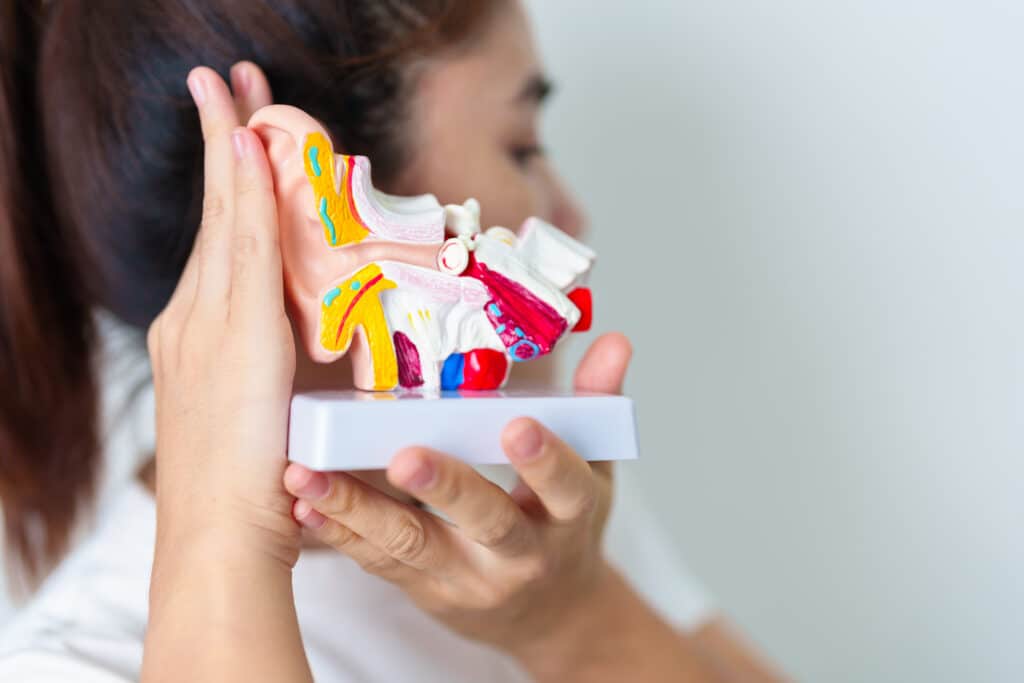
The temporomandibular joint acts like a hinge and sliding joint connecting your lower jaw (mandible) to the temporal bone of the skull. It’s a small joint with a surprisingly big job. Every time you speak, chew, laugh, or yawn, this joint is at work.
TMJ disorders occur when the joint or muscles around your jaw become irritated, strained, or dysfunctional. When that happens, pain, stiffness, or restricted movement can develop.
Symptoms can include:
- Jaw pain or tenderness.
- Clicking or popping sounds when opening the mouth.
- Difficulty chewing or biting.
- Headaches or ear discomfort.
- Limited ability to open or close the mouth fully.
It’s no surprise that many people start searching for the best TMJ disorder treatment options when these symptoms begin to interfere with everyday routines.
Common Causes of TMJ Disorders
TMJ disorders rarely have just one cause. Instead, they often develop from a mix of physical stress, posture habits, and muscle tension.
Common contributors include:
- Clenching your jaw or grinding your teeth (bruxism).
- Poor posture, especially forward head posture.
- Muscle tension in the jaw, neck, or shoulders.
- Joint inflammation or arthritis.
- Trauma or injury to the jaw.
These factors place extra strain on the jaw joint and surrounding muscles. Over time, repeated stress can irritate tissues and limit normal movement.
Understanding these contributors helps guide effective TMJ disorder treatment strategies and address the underlying problem, not just the symptoms.

Signs You May Have a TMJ Disorder
TMJ symptoms don’t look the same for everyone. Some people experience occasional discomfort, while others notice persistent pain or difficulty moving their jaw.
Common warning signs include:
- Jaw pain when chewing or speaking.
- Clicking, popping, or grinding sounds in the jaw.
- Facial muscle tension or fatigue.
- Headaches near the temples.
- Pain that spreads to the neck or shoulders.
If these symptoms stick around for several weeks, it may be time to explore TMJ disorder treatment options with an Ivy Rehab healthcare professional.
Personalized Therapy for Lasting Relief
Experience tailored physical therapy programs designed to alleviate pain and restore function.
What Are the Most Effective Non-Surgical Treatments for TMJ Disorders?
Many TMJ disorders respond well to conservative, non-surgical care. Surgery is rarely the first recommendation, and for good reason. The jaw often improves when muscle tension, movement patterns, and posture are addressed.
When people ask what the most effective non-surgical treatments for TMJ disorders are, several evidence-based approaches are commonly used.
These may include:
- Physical therapy to improve jaw mobility and muscle control.
- Stress management strategies to reduce clenching or grinding.
- Posture correction to decrease strain on the jaw and neck.
- Gentle jaw exercises to strengthen muscles and improve range of motion.
Among these options, physical therapy frequently plays a central role in restoring normal movement and reducing pain. Research shows that 50–90% of people improve with conservative, non-surgical treatment.
How Physical Therapy Helps Treat TMJ Disorders
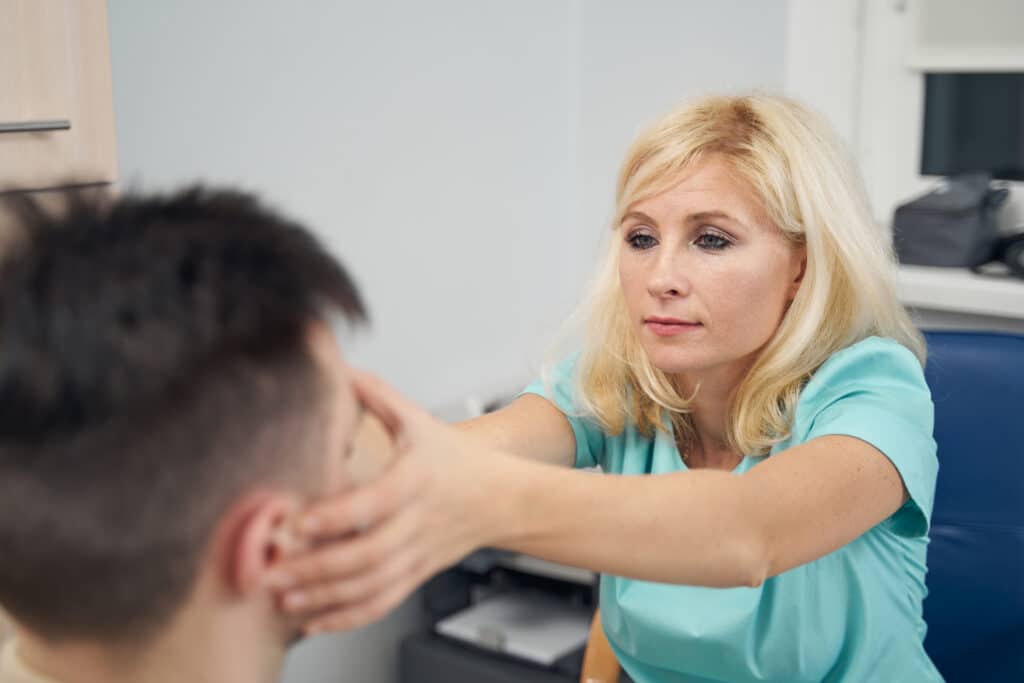
Physical therapy focuses on improving how the body moves as a whole. Because the jaw works closely with the neck and upper body, addressing those areas can significantly improve TMJ symptoms.
A PT-led approach to TMJ disorder treatment may include several strategies.
Jaw Mobility Exercises
Limited jaw movement is common in TMJ disorders. Carefully guided exercises help restore motion while protecting the joint.
These movements may include controlled opening and closing, as well as side-to-side jaw motion, to encourage smoother, more coordinated movement.
Muscle Relaxation and Stretching
Muscles in the jaw, neck, and shoulders often hold more tension than we realize. Stretching and relaxation techniques help reduce that tension and ease pain.
These exercises support one of the core goals of TMJ disorder treatment: restoring balanced muscle activity so the jaw can move more efficiently.
Postural Correction
Forward head posture places extra strain on the jaw joint and surrounding muscles. (Your neck and jaw are teammates, after all.)
Physical therapists address neck and upper-back alignment to reduce pressure on the TMJ. Improving posture is often a key factor for many patients, providing a definitive answer to what the best treatment for TMJ disorder is.
Manual Therapy
Hands-on techniques performed by a physical therapist can help improve joint mobility and reduce muscle tightness.
Manual therapy is often combined with guided exercise to support effective TMJ disorder treatment and promote more natural jaw movement.
Movement and Habit Education
Small daily habits can place unexpected stress on the TMJ. Patients may receive guidance on reducing clenching, adjusting chewing habits, or improving workstation posture.
A little awareness goes a long way. Education helps patients avoid unnecessary strain and reduce the chance of symptoms returning.
Additional Benefits of Physical Therapy for TMJ
Physical therapy doesn’t just target symptoms. It helps improve long-term function and confidence in daily movement.
Benefits may include:
- Reduced jaw pain and tension.
- Improved jaw mobility and comfort during chewing.
- Decreased headaches and facial pressure.
- Better posture and muscle balance.
- Increased confidence in daily movement.
These improvements make TMJ disorder treatment more sustainable and help patients return to everyday activities with less worry about recurring discomfort.
What to Expect During TMJ Physical Therapy
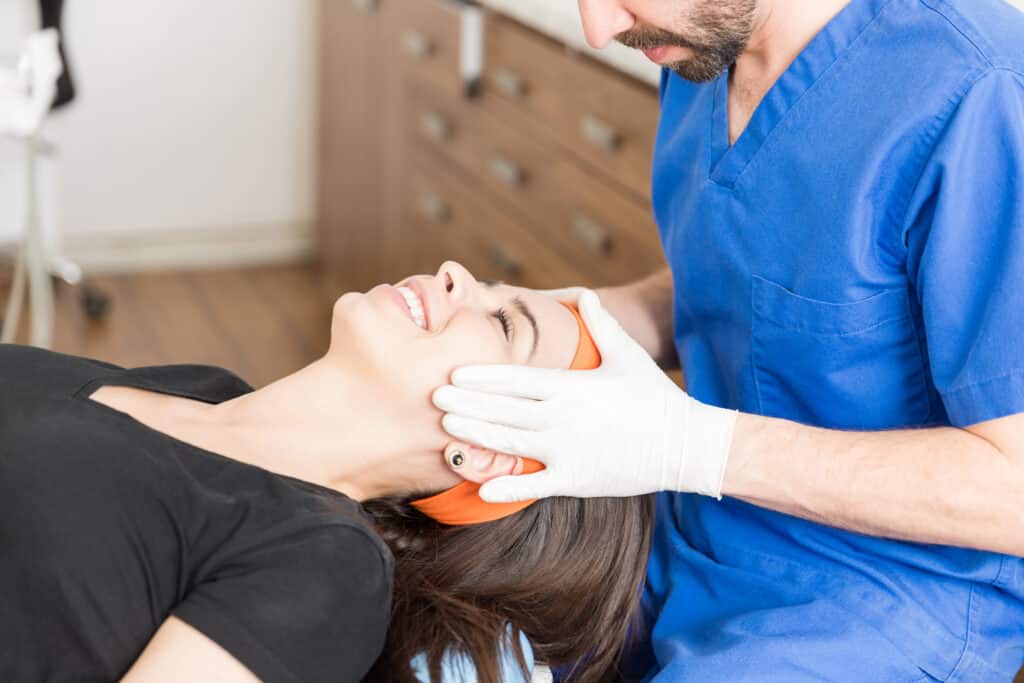
During your first visit, a physical therapist evaluates how your jaw, neck, and upper body move together. Think of it as a movement checkup for the entire system that supports your jaw.
This evaluation may include:
- Jaw movement assessment.
- Posture analysis.
- Muscle tension evaluation in the neck and shoulders.
- Discussion of daily habits that may influence symptoms.
Based on these findings, your therapist develops a personalized plan designed to address the root causes of discomfort and guide recovery step by step.
When to Seek Help for TMJ Symptoms
Occasional jaw clicking without pain is common and often harmless. Persistent symptoms, however, deserve attention.
Consider seeking evaluation if you experience:
- Ongoing jaw pain or stiffness.
- Difficulty opening your mouth fully.
- Frequent headaches related to jaw tension.
- Pain while chewing or speaking.
Early TMJ disorder treatment can prevent symptoms from worsening and help restore comfortable, natural movement sooner rather than later.
Why Choose Ivy Rehab for TMJ Disorder Treatment
TMJ disorders often involve multiple factors, including posture, muscle tension, and joint mobility. Addressing those factors together leads to more lasting improvements.
The Physical therapists at Ivy Rehab Therapy take a whole-body approach to care. Treatment focuses on restoring balanced movement, improving posture, and reducing unnecessary strain on the jaw.
Patients benefit from:
- One-on-one movement assessment.
- Personalized exercise and mobility programs.
- Posture and habit education.
- A focus on non-surgical recovery and long-term comfort.
The goal is simple: help patients regain comfortable jaw function and return to daily activities with confidence.
Moving Forward With Less Pain, More Confidence
TMJ disorders can make simple tasks like eating, talking, or yawning feel frustrating. Fortunately, many cases improve with conservative care.
Physical therapy offers an effective approach to TMJ disorder treatment by improving jaw mobility, reducing muscle tension, and correcting posture.
If jaw pain or stiffness is affecting your daily life, support is available. Find a location near you to learn how physical therapy can help restore comfortable, natural movement.
References
- Mayo Clinic. “TMJ Disorders: Diagnosis and Treatment.” Dec. 24, 2024. Accessed Dec. 26, 2025. https://www.mayoclinic.org/diseases-conditions/tmj/diagnosis-treatment/drc-20350945
- Schiffman, E., et al. “Diagnostic Criteria for Temporomandibular Disorders (DC/TMD) for Clinical and Research Applications.” J Oral Facial Pain Headache. Winter 2014;28(1):6-27. doi:10.11607/jop.1151. https://pubmed.ncbi.nlm.nih.gov/24482784/
- StatPearls. “Temporomandibular Syndrome.” Updated Jan. 30, 2023. Accessed Dec. 26, 2025. https://www.ncbi.nlm.nih.gov/sites/books/NBK551612/

Before you go
Find the right therapy today.
Discover how Ivy Rehab can help you get back to doing what you love.