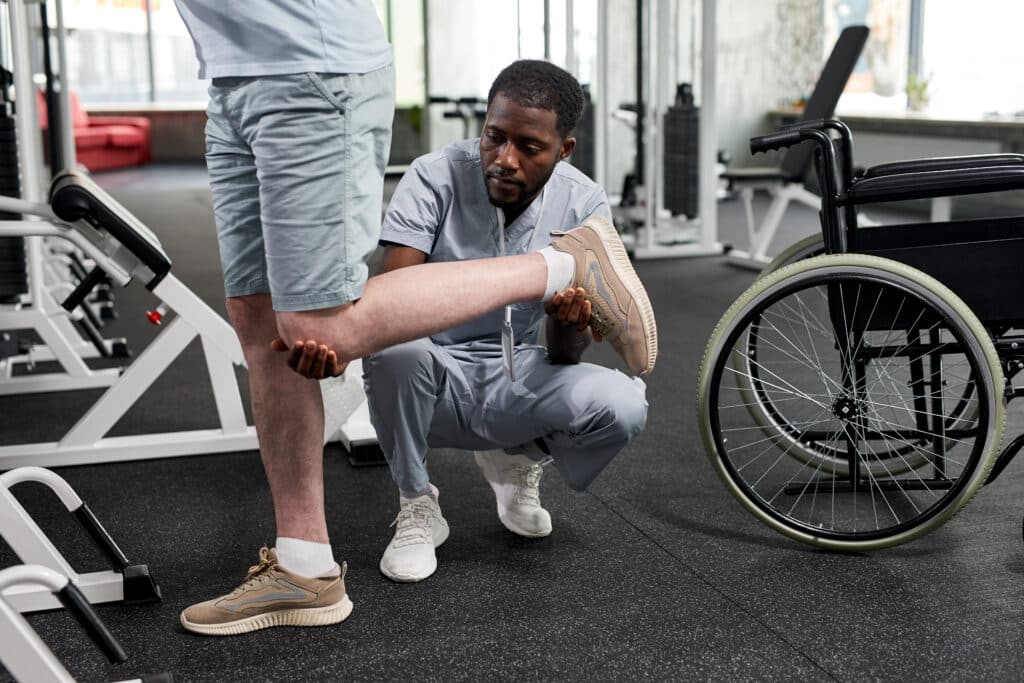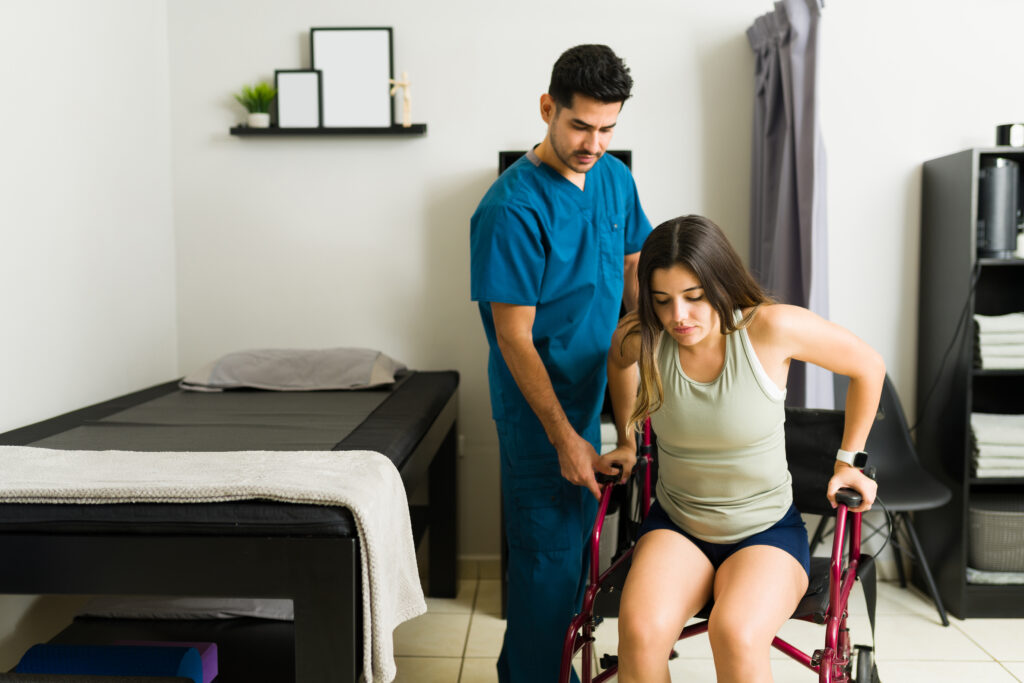
Pain and stiffness have a subtle way of shrinking your world. One day, you are moving freely. The next, tying your shoes feels like a strategy session.
It is completely normal to pull back when something hurts. The problem is that prolonged inactivity can worsen mobility rather than improve it.
Physical therapy for pain-free movement is about restoring motion safely, confidently, and with a clear plan. It is not about pushing through pain. It is about helping your body remember how to move well again.
At Ivy Rehab Therapy, we help people improve mobility with personalized care built around comfort, clarity, and steady progress. No theatrics. No guesswork. Just thoughtful, goal-focused care.
What Does Pain-Free Movement Really Mean?
Pain-free movement does not mean ignoring your body or forcing it past its limits. It means improving function in a way that respects your symptoms and your healing process.
With physical therapy for pain-free movement, the focus is on:
- Comfort, control, and confidence.
- Moving within safe, symptom-guided ranges.
- Gradual progression based on your tolerance.
The goal is steady improvement, not heroic efforts. When movement feels manageable, your nervous system relaxes, your muscles respond more efficiently, and progress becomes sustainable.
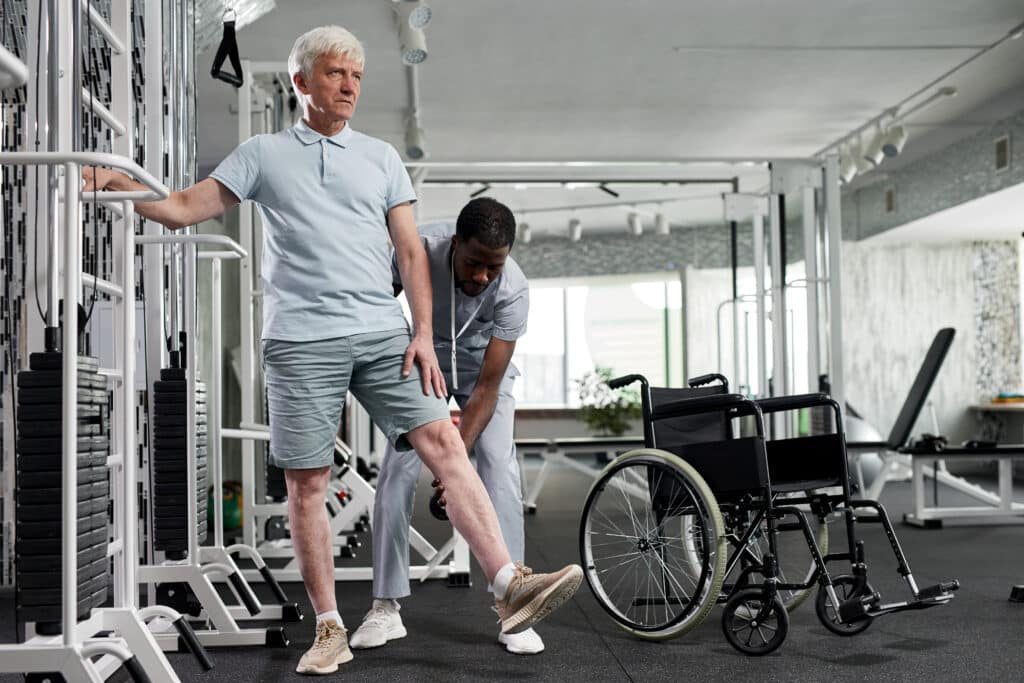
Why Stiffness and Pain Limit Mobility
Pain changes how you move. When something hurts, your body naturally guards and tightens the area to protect it. That response is smart in the short term.
Over time, though, protection can turn into restriction. Muscles tighten, joints move less, circulation slows, and everyday tasks start to feel more complicated than they need to be.
Common contributors to limited motion include:
- Muscle tightness and joint restriction.
- Protective movement patterns and compensation.
- Reduced circulation and tissue flexibility.
- Fear of pain during activity.
Without guidance, this cycle can make it harder to improve mobility. Structured, progressive movement helps interrupt that pattern in a safe, controlled way. Physical therapy is an effective way to improve circulation, restore tissue flexibility, and interrupt this cycle of pain and restriction.

How Physical Therapy Improves Mobility Safely
The foundation of physical therapy for pain-free movement is identifying the root cause of stiffness and discomfort. From there, treatment is individualized, progressive, and clearly explained so you know exactly why you are doing what you are doing.
Gentle Mobility and Range-of-Motion Work
Restoring motion starts gently. Controlled range-of-motion exercises help lubricate joints, maintain tissue flexibility, alleviate pain, and reduce stiffness without aggravating symptoms.
Research supports early, guided movement to improve functional outcomes after injury and surgery. A meta-analysis of 18 randomized controlled trials found that older adults with mobility limitations experienced statistically significant improvements in mobility with structured physical exercise therapy compared to no exercise. Movement, when done correctly, is medicine.
Targeted Strengthening
Weak muscles or an imbalance often increase stress on joints. Strengthening the right muscles improves stability and reduces strain during daily activities like walking, lifting, and getting up from a chair.
As strength improves, it becomes easier to improve mobility with less discomfort and more confidence.
Manual Therapy Techniques
Hands-on techniques, including massage, performed by a physical therapist can improve joint and soft tissue mobility. These approaches are precise and intentional, and they’re always paired with active exercise so results last beyond the treatment table.
Manual therapy combined with exercise has been shown to improve outcomes in certain musculoskeletal conditions and remains a core component of physical therapy care.
Common techniques may include:
- Joint mobilization to restore movement at restricted joints, reduce stiffness, and improve overall function.
- Soft tissue techniques to reduce tension, improve circulation, and support mobility.
- Modalities like ultrasound and electrical stimulation to promote healing, reduce inflammation, and prepare tissues for active movement.
Together, these techniques help create the right environment for movement—so patients can build strength, move more comfortably, and return to activity with confidence.
Movement Retraining
Sometimes pain lingers because movement patterns have shifted. You may not even realize you are compensating.
A physical therapist identifies inefficient patterns and teaches smoother, more effective strategies. Retraining movement builds trust in your body again, which is essential for long-term, pain-free movement success in physical therapy.
Gradual Progression
Progression is where real change happens. Too much, too soon, can lead to flare-ups. Too little, and progress stalls.
A structured plan increases challenge at the right pace, helping you improve mobility while minimizing setbacks. It is a thoughtful progression, not trial-and-error.
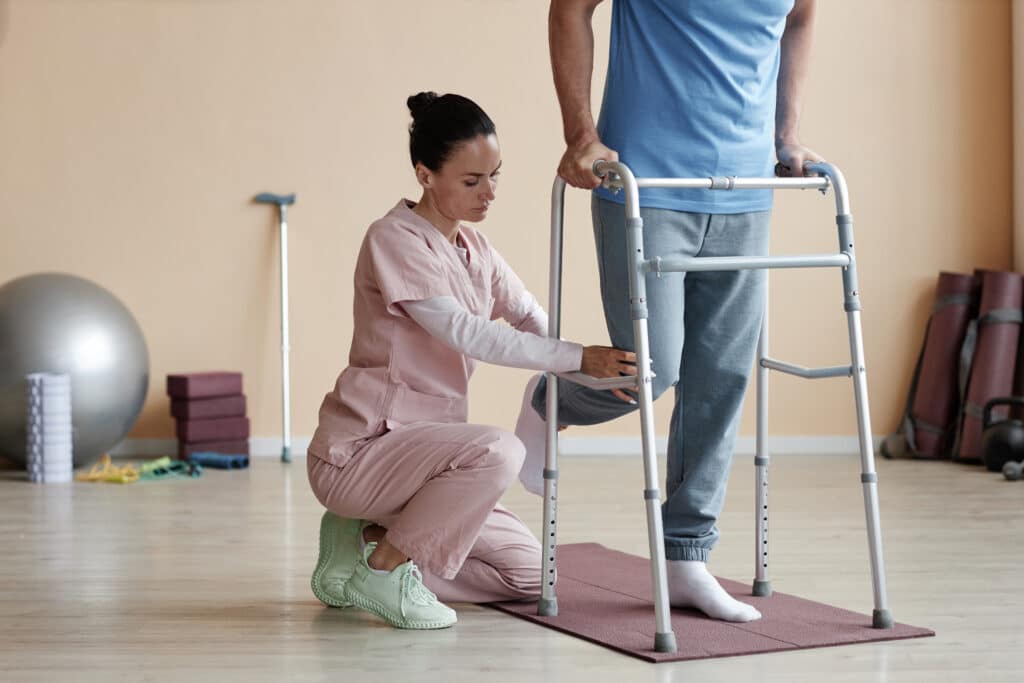
Common Conditions That Benefit From Pain-Free PT
Many conditions respond well to guided, low-pain movement strategies, especially when rehabilitation starts early and stays consistent.
Pain and limited mobility affect millions of Americans each year, making physical therapy one of the most impactful interventions for restoring function.
Examples include:
- Arthritis and joint stiffness.
- Low back pain and neck pain.
- Post-surgical stiffness.
- Muscle strains and tendon irritation.
- Chronic pain conditions.
Clinical guidelines for managing osteoarthritis and chronic musculoskeletal pain consistently recommend exercise and movement-based therapy as first-line treatment. In other words, movement done well is not optional. It is foundational.
Even conditions that feel debilitating can improve significantly with consistent, guided movement and skilled care.
What to Expect During PT for Stiffness at Ivy Rehab
Starting PT for stiffness begins with understanding your story. Your first visit focuses on how you move, what feels limited, and what matters most to you.
Your care may include:
- A one-on-one evaluation and movement assessment.
- Exercises matched to your current ability level.
- Adjustments based on how your body responds.
- Education on safe daily movement and posture.
At Ivy Rehab Therapy, your plan is built around comfort and measurable goals. We track progress, celebrate small wins, and keep moving forward together.
Why Avoiding Painful Movement Slows Recovery
It is natural to avoid activities that hurt. But complete avoidance can reduce strength, flexibility, and endurance over time.
When movement decreases, stiffness often increases. Sensitivity to activity can grow, and tasks that once felt simple start to feel intimidating.
Too much avoidance may lead to:
- Loss of mobility and range of motion.
- Increased sensitivity to movement.
- Reduced strength and endurance.
- Delayed return to normal activity.
Guided movement through physical therapy for pain-free movement helps restore function safely, instead of reinforcing fear. The goal is not to ignore pain. It is to understand it and respond appropriately.
Personalized Therapy for Lasting Relief
Experience tailored physical therapy programs designed to alleviate pain and restore function.
How PT Helps You Stay Mobile Long Term
Physical therapy is not just about short-term pain relief. It builds resilience.
Long-term mobility strategies may include:
- A personalized home exercise program supported by our injury prevention services.
- Movement education and posture guidance.
- Strategies to manage occasional flare-ups.
- Injury prevention techniques tailored to your lifestyle.
Consistency outside the clinic is what allows you to truly improve mobility over time. Small, steady efforts add up.
Why Choose Ivy Rehab for Pain-Free Mobility
Choosing the right support matters. The right environment makes it easier to stay motivated and hopeful.
Ivy Rehab Therapy emphasizes comfort, safety, and functional progress. Our physical therapists focus on quality movement and clinical decision-making, not aggressive treatment or quick fixes.
We provide:
- Experienced physical therapists.
- Personalized treatment plans.
- A focus on safe progression.
- Supportive, patient-centered care.
Our mission is straightforward: help you move with less pain, more confidence, and a clear path toward your goals.
Move With Confidence Again
Movement should feel possible, not intimidating. Physical therapy for pain-free movement restores mobility through structured exercises, guided progression, and personalized support.
You do not have to push through pain to make progress. With the right plan, you can manage pain and reduce stiffness, build strength, and return to daily activities with confidence.
If discomfort is limiting your life, consider your options. Find a location near you and learn how to improve mobility with care designed around you and your goals.
References
- American Academy of Orthopaedic Surgeons. Low Back Pain. OrthoInfo. https://orthoinfo.aaos.org/en/diseases–conditions/low-back-pain/
- Bialosky JE, Bishop MD, Price DD, Robinson ME, George SZ. The mechanisms of manual therapy in the treatment of musculoskeletal pain. International Manual Therapy Academy Blog. https://www.imta.ch/blog/post/the-mechanisms-of-manual-therapy-in-the-treatment-of-musculoskeletal-pain-a-comprehensive-model/
- Kolasinski SL, Neogi T, Hochberg MC, et al. 2019 American College of Rheumatology/Arthritis Foundation Guideline for the Management of Osteoarthritis of the Hand, Hip, and Knee. Arthritis Care & Research. 2020;72(2):149-162. https://doi.org/10.1002/acr.24131
- de Vries NM, van Ravensberg CD, Hobbelen JS, Olde Rikkert MG, Staal JB, Nijhuis-van der Sanden MW. Effects of physical exercise therapy on mobility, physical functioning, physical activity and quality of life in community-dwelling older adults with impaired mobility, physical disability and/or multi-morbidity: A meta-analysis. Ageing Research Reviews. https://pubmed.ncbi.nlm.nih.gov/22101330/

Before you go
Find the right therapy today.
Discover how Ivy Rehab can help you get back to doing what you love.