
Post-Surgical Therapy
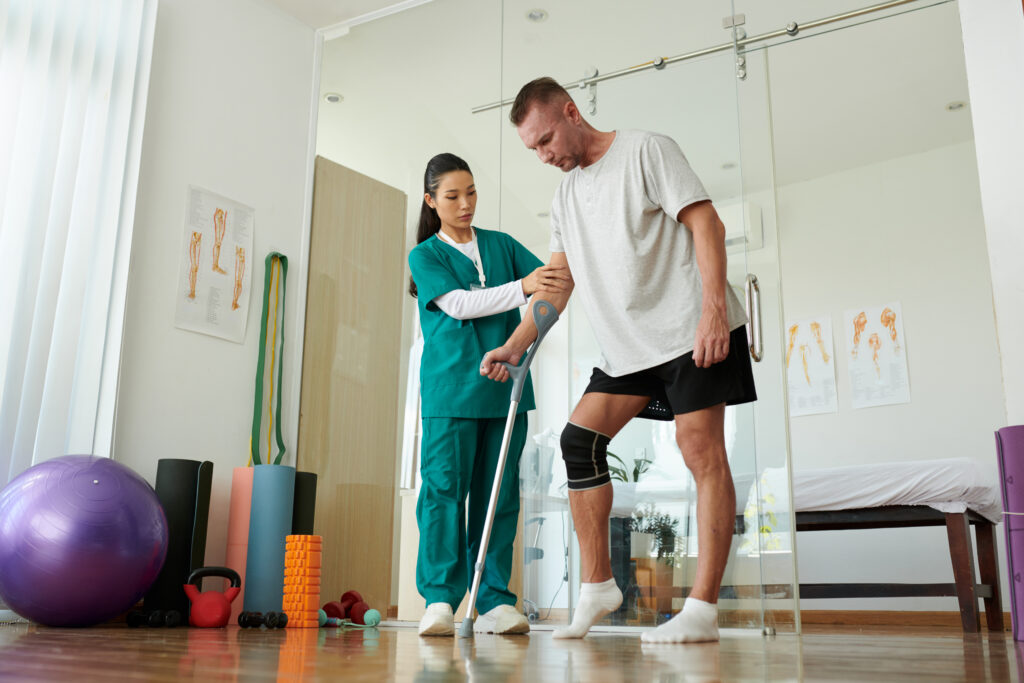
Surgery is a big step, but recovery does not stop when the procedure is over. Your body still needs time, guidance, and the right kind of movement to heal well.
Post-surgical therapy helps you rebuild strength, restore mobility, manage pain and swelling, and return to daily activities with more confidence. Your physical therapist follows your surgeon’s guidance and builds a plan around your procedure, your healing timeline, and what you want to get back to.
What Is Post-Surgical Therapy?
Post-surgical therapy is physical therapy that supports recovery after surgery. It helps protect healing tissue while you gradually rebuild movement, strength, balance, and function.
After surgery, the body may have swelling, stiffness, weakness, pain, scar tissue, or limits on how much weight or movement is allowed. Without the right guidance, it can be easy to do too much too soon or not move enough.
Physical therapy helps bridge that gap. Your physical therapist guides safe movement, progresses exercises at the right pace, and helps you understand what to do between visits.
The goal is not just to recover from the procedure. It is to return to the activities that matter in your daily life.

Post-Surgical Therapy at Ivy Rehab
Every surgery is different. Every recovery is, too.
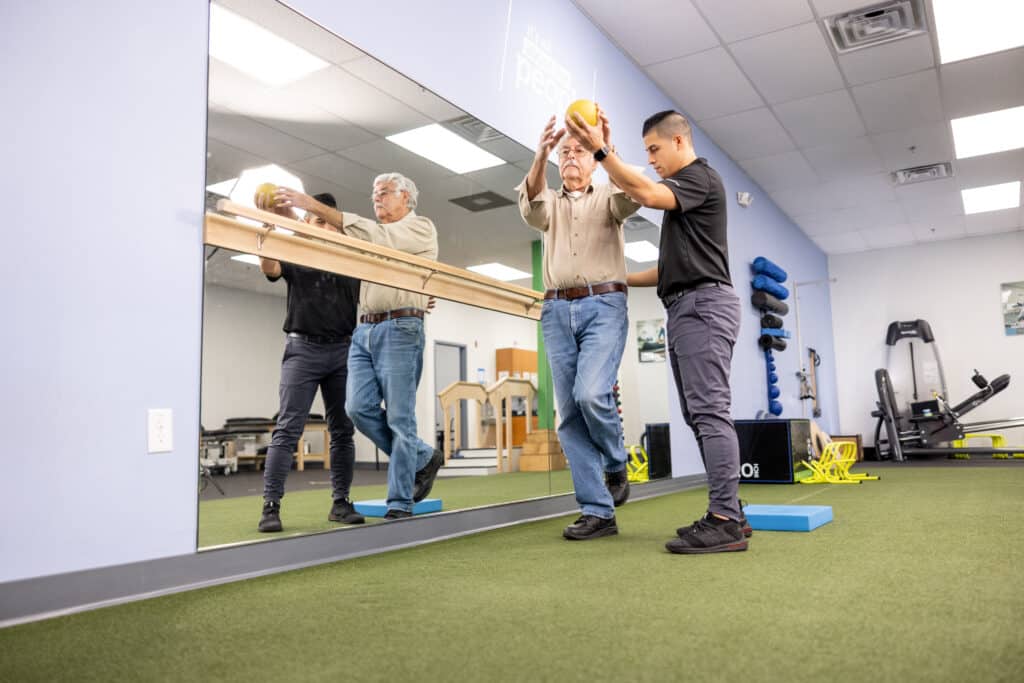
Ivy Rehab physical therapists review your surgical history, surgeon’s instructions, symptoms, mobility, strength, and goals before building your care plan. When needed, they can also coordinate with your surgeon or medical team, so therapy stays aligned with your recovery plan.
Your treatment may include range-of-motion exercises, strengthening, manual therapy, pain and swelling management, scar care, balance training, gait training, and education for home. As healing progresses, therapy shifts from protecting the surgical area to rebuilding strength, improving movement, and preparing for daily activities, work, hobbies, or sports.
Who Can Benefit from Post-Surgical Therapy?
Post-surgical physical therapy may help people recovering from orthopedic or musculoskeletal surgery. Your surgeon may recommend therapy as part of the recovery plan, or you may seek guided support once you are cleared to begin.
Post-surgical therapy is commonly used after:
- Total joint replacement, including hip, knee, or shoulder replacement.
- ACL reconstruction and other knee surgeries.
- Rotator cuff repair and other shoulder surgeries.
- Spinal fusion or other spine procedures.
- Tendon repair in the hand, wrist, elbow, shoulder, ankle, or foot.
- Fracture repair or orthopedic hardware procedures.
- Meniscus repair, labral repair, ligament reconstruction, or other soft tissue procedures.
Whatever brought you to surgery, guided rehab can help you move forward with a clearer plan.
Our Post-Surgical Therapy Services
Pain and Swelling Management
Pain and swelling are common after surgery. Managing both can help you move more comfortably and participate in rehab more effectively.
Your physical therapist may use gentle movement, positioning, compression, cold therapy, heat when appropriate, manual therapy, or other techniques to support comfort and swelling control. They will also teach you what to watch for and when to contact your medical team.
Range of Motion Restoration
Regaining range of motion is often one of the first goals after surgery. Stiffness, swelling, pain, and protective guarding can all limit how well a joint or body part moves.
Your physical therapist may use gentle stretching, joint mobility work, and range of motion exercises based on your surgery and healing stage. The goal is to restore movement while staying within your surgeon’s precautions.
Strengthening and Functional Rebuilding
Muscles can weaken quickly after surgery because of pain, swelling, immobilization, or reduced activity. Strengthening helps rebuild support around the surgical area and improves how the rest of the body moves with it.
Your physical therapist will start with exercises that match your current stage of recovery. As you heal, the plan may progress toward more challenging strengthening, balance work, walking practice, stair training, lifting mechanics, or activity-specific movements.
For some patients, blood flow restriction therapy may be used to support strengthening with lighter loads when heavier resistance is not yet appropriate.
Scar Tissue Management
Scar tissue is a normal part of healing after surgery. In some cases, it can feel tight, sensitive, or restricted.
Once the incision is ready and your medical team has cleared scar care, your physical therapist may use scar massage, soft tissue techniques, mobility work, and education to help the tissue move more comfortably. Scar care is always matched to the healing stage and incision status.
Home Exercise Programs
What you do between visits matters. A home exercise program helps reinforce the work you do in therapy and keeps recovery moving between appointments.
Your physical therapist will teach you what to do, how often to do it, and what symptoms should guide or limit activity. The plan will change as your strength, mobility, and confidence improve.
How We Approach Post-Surgical Therapy
Step 1: Evaluation and Care Coordination
Your first visit starts with a careful evaluation. Your physical therapist reviews your procedure, surgeon’s instructions, symptoms, pain level, swelling, range of motion, strength, mobility, and daily activity needs.
They will also ask about your goals. Getting back to walking around the house is different from returning to a physical job, caring for a family member, or playing a sport. Your plan should reflect the life you’re trying to return to.
Step 2: Staged Rehabilitation
Recovery happens in phases. Early therapy often focuses on protecting the surgical area, managing pain and swelling, and restoring gentle movement.
As healing progresses, your physical therapist adds strengthening, balance, coordination, and functional movement. Later stages may focus on work tasks, sport-specific activities, endurance, lifting, stairs, or other real-life demands.
The pace depends on your procedure, your surgeon’s protocol, your symptoms, and how your body responds.
Step 3: Return to Daily Life and Long-Term Support
The final stage of rehab focuses on using your progress in real life. That may mean walking farther, returning to work, climbing stairs, driving when cleared, lifting safely, caring for kids or pets, or getting back to a sport or hobby.
Your physical therapist will help you understand what your body is ready for and how to keep building strength after formal therapy ends. The goal is a recovery plan that supports both where you are now and where you want to go next.
FAQs
How soon can I start physical therapy after surgery?
The timing of physical therapy after surgery depends on the type of surgery and your doctor’s recommendations. In many cases, physical therapy can begin within a few days to weeks after surgery to promote healing and reduce the risk of complications. Your physical therapist will work with you to ensure that you’re progressing safely and at a pace suited to your recovery.
Is post-surgical therapy necessary even if I feel okay after surgery?
Even if you feel okay after surgery, post-surgical therapy is essential to ensure a full recovery. Surgery can lead to muscle weakness, stiffness, and joint instability, which therapy can address. It also helps reduce the risk of complications like scar tissue buildup and ensures that you regain full mobility and strength. Physical therapy supports a smooth transition back to work, hobbies, and physical activities while minimizing the risk of reinjury.
What should I expect during post-surgical physical therapy sessions?
During post-surgical physical therapy, you can expect a personalized treatment plan focused on restoring range of motion, strengthening muscles, and improving mobility. Your therapist may guide you through stretches, strengthening exercises, manual therapy, and progressive mobility work. The goal is to help you regain independence in daily activities, reduce pain, and prevent future injury while providing support and motivation throughout the recovery process.

Take the first step toward relief.
You don’t have to live with back pain. Ivy Rehab’s expert team is ready to help you move better, feel stronger, and enjoy life without limitations. Schedule an appointment today for the best treatment for back pain.