
If you keep getting an ache between your shoulder blades that stretching never really fixes, your lower trapezius may be part of the problem. This muscle helps keep the shoulder blade in a good position when you reach, lift, type, and move through the day. If it’s weak or not doing enough, nearby muscles have to compensate. That extra work can leave the upper back, shoulders, and neck feeling tight and irritated.
Preventing lower trapezius pain usually isn’t just about loosening the area up. It often means improving posture, changing the habits that keep the muscles overloaded, and strengthening the shoulder blade muscles that are supposed to share the work. This guide explains what the lower trapezius muscle does, what commonly irritates it, and what can help keep the pain from coming back.
Key Takeaways
- The lower trapezius helps keep the shoulder blade stable during arm movement.
- Lower trapezius pain is often tied to muscle imbalance, poor posture, prolonged sitting, and repetitive overhead activity.
- Strengthening the lower trap usually helps more than just stretching.
- Muscle imbalance between the upper, middle, and lower trapezius is often the root cause of persistent upper back and shoulder pain.
- A physical therapist can determine whether the lower trap is the actual issue and create a plan that fits your movement patterns.
Quick Navigation
- What Is the Lower Trapezius?
- Common Causes of Lower Trapezius Pain
- How to Tell If the Lower Trap Is the Problem
- Exercises That Can Help Strengthen the Lower Trap
- How Posture and Ergonomics Can Reduce Strain
- How Physical Therapy Helps
What Is the Lower Trapezius?
The trapezius is a large upper back muscle with three parts that each do something different:
- Upper trapezius: Helps lift the shoulder blade and support neck and shoulder movement.
- Middle trapezius: Helps pull the shoulder blade back and keep it steady.
- Lower trapezius: Helps pull the shoulder blade down and support it as the arm moves.
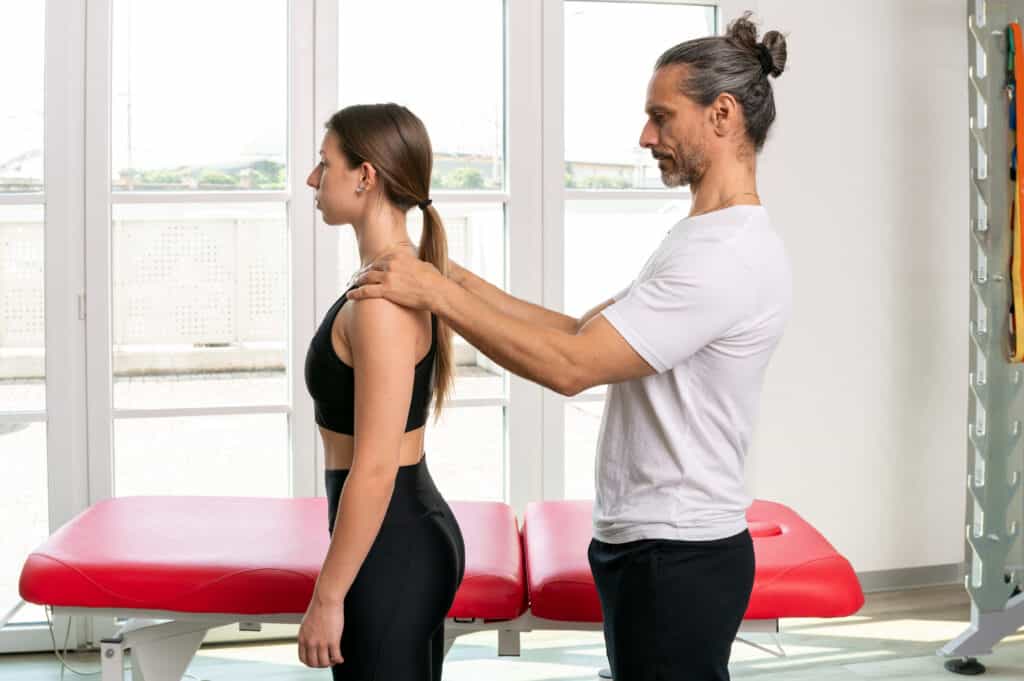
The lower trapezius sits below the upper trapezius and connects the middle back to the shoulder blade. Because of where it sits, it helps support the shoulder blade and guides its movement.
What the Lower Trapezius Does
The lower trapezius helps keep the shoulder blade steady and moving well during everyday tasks. Reaching overhead, lifting, carrying groceries, typing, and holding a phone require the lower trapezius to be in a good position. When it’s doing its job, the shoulder blade has the support it needs to move without straining.
If the lower trap is weak or not doing enough, other muscles often start compensating. That’s why lower trapezius pain often shows up with neck tension, shoulder tightness, or an ache between the shoulder blades instead of pain in one clear spot.
Common Causes of Lower Trapezius Pain
Prolonged Sitting and Slouching
Sitting for long periods of time with the upper back rounded and a forward head posture puts the shoulder blades in a poor position. Over time, that makes it harder for the lower trap to function properly. Other muscles begin to compensate, which can add to tension and pain in the neck, shoulders, and upper back.
Repetitive Overhead Activity
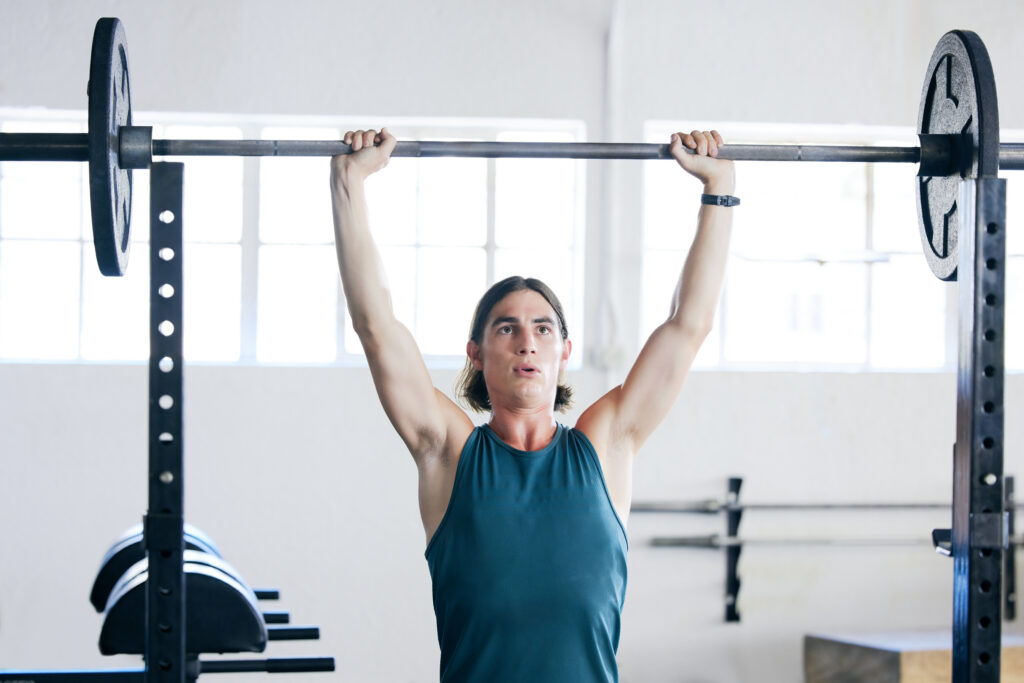
Activities like painting, swimming, or overhead pressing put extra demand on the muscles that support the shoulder blade. If the lower trapezius doesn’t have sufficient strength or endurance, other muscles may take over. Over time, that can lead to fatigue, tightness, muscle strain, and pain.
Muscle Imbalance
One of the most common causes is an upper trapezius that’s doing too much and a lower trapezius that’s doing too little. The same muscles will keep overworking unless the imbalance is corrected. That can keep the pain cycle going.
Desk and Screen Setup
A monitor that’s too low, a keyboard that’s too far away, or staying in the same position for hours can all add strain to the upper back and shoulders. Small setup issues may not seem like much at first, but they add up when they happen every day.
Past Neck or Shoulder Injury
Even after the main injury improves, movement patterns and muscle activation don’t always go back to normal right away. The lower trapezius may still not be doing enough, leaving other muscles to pick up the slack.
How to Tell If the Lower Trap Is the Problem
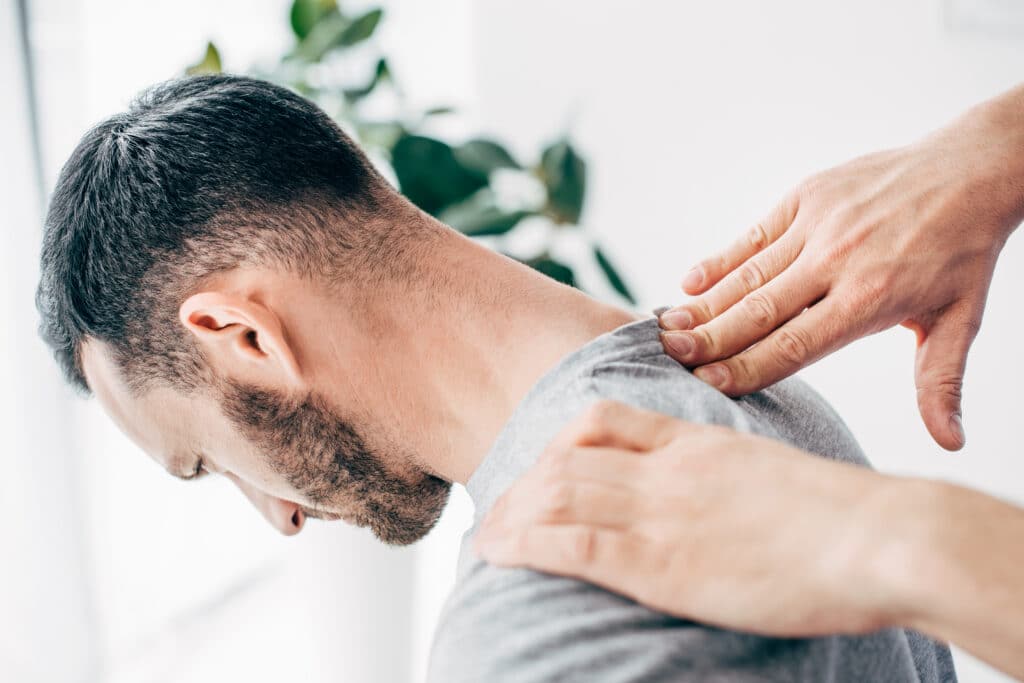
Lower trapezius pain often shows up as a deep ache between or just below the shoulder blades. It may get worse after sitting at a desk all day, overhead activity, or carrying tension through the shoulders for a long time.
Signs that point to the lower trap include:
- One or both shoulders sitting higher than they should, even at rest.
- A hard time keeping the shoulder blades down during overhead movement.
- Upper back pain that feels better after stretching, then comes right back.
- Neck tension or headaches with upper back discomfort.
- A feeling that one side is weaker, less stable, or harder to control.
The lower trapezius may not be the only issue. These signs often overlap with neck problems, rotator cuff issues, and other shoulder blade problems. A physical therapist can help determine whether the lower trap is the actual cause or just part of a larger pattern.
Exercises That Can Help Strengthen the Lower Trap
These exercises can help the lower trapezius do more of its share. Start with body weight versions and focus on control. It’s better to do fewer repetitions with good form than to rush through them. If an exercise causes sharp pain or makes your shoulders shrug up toward your ears, stop and get guidance before continuing.
Prone Y raise
Lie face down with your arms overhead in a Y shape and your thumbs pointing up. Keep your elbows straight and lift both arms a few inches by drawing the shoulder blades down and together. Hold for two to three seconds, then lower slowly.
The goal is to feel the work between and below the shoulder blades, not in the neck muscles. Start with body weight and add light hand weights only if the movement stays clean.
Prone T raise
Lie face down with your arms out to the sides in a T shape, thumbs pointing up. Lift the arms slightly off the surface without shrugging. Keep the movement small and controlled.
This one can look simple, but it’s easy to cheat with the upper trap. A smaller, cleaner lift is usually better than trying to go too high.
Wall Slide with a Resistance Band
Stand with your back against a wall and a light band around your wrists. Start with your elbows bent and your arms against the wall, then slowly slide upward while keeping gentle pressure on the band. Try not to let the shoulders creep up toward the ears as you move.
This helps train the lower trap during arm elevation, which is a major part of what the muscle does in daily life.
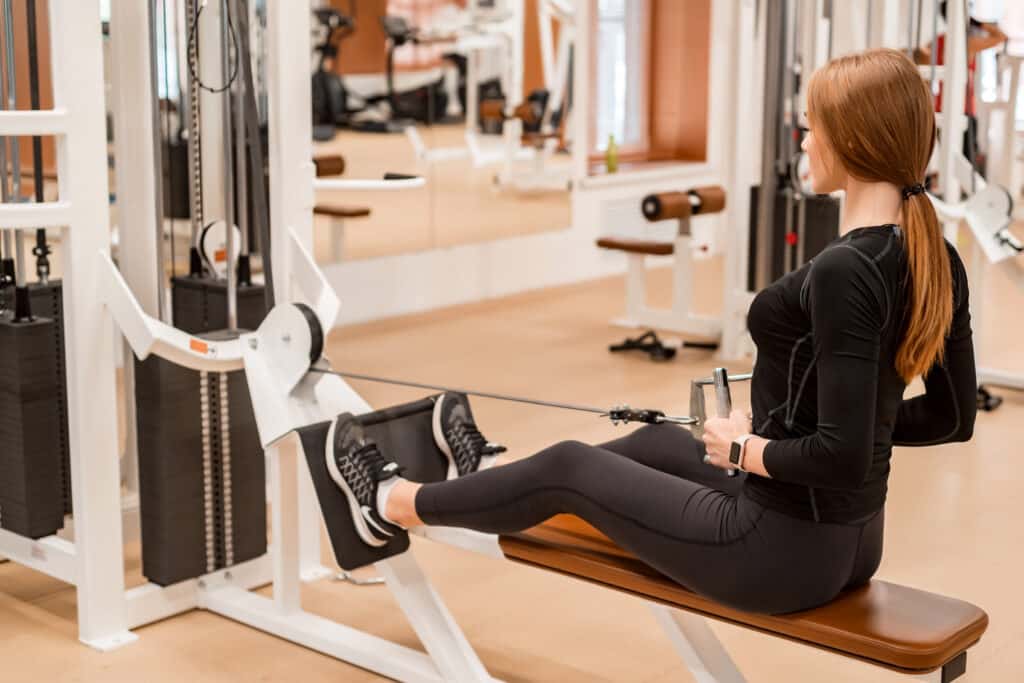
Seated Row with Lower Trap Focus
Using a resistance band or cable, pull toward your lower ribs while staying tall through the chest. At the end of the movement, think about bringing the shoulder blades down instead of just squeezing them together. The row should not turn into a shrug.
This works well because it builds pulling strength while also improving shoulder blade control.
Scapular Depression Hold
Sit or stand tall and gently draw the shoulder blades down away from the ears without forcing them back. Hold for five to 10 seconds, then relax.
It’s a small movement, but it can help reinforce a better resting position during the day.
When done consistently, most people notice improvement within 4 to 8 weeks. The goal isn’t perfection. It’s to help the lower trapezius work better and make everyday movement feel easier.
How Posture and Ergonomics Can Reduce Strain
Strengthening exercises work better when you also take pressure off the area during the day. A few adjustments can help, such as:
- Set the monitor at eye level so your head doesn’t tip forward.
- Keep the keyboard and mouse close enough that your shoulders can stay relaxed.
- Adjust the chair so your feet are flat on the floor and your lower back is supported.
- Take movement breaks every 45 to 60 minutes.
- Notice when your shoulders start creeping up during typing, driving, or using the phone, and let them settle back down.
These changes will not strengthen the lower trap on their own, but they can stop the same daily habits from working against your progress.
How Physical Therapy Helps
Physical therapy looks at why the pain keeps coming back, not just where it hurts. That can include posture, shoulder blade control, neck involvement, muscle imbalance, and habits that keep certain muscles overworked.
Treatment may include hands-on work to calm irritated muscles, exercises to build lower trapezius strength and endurance, and movement retraining to improve shoulder blade function during daily tasks.
If the upper trapezius, levator scapulae, or pectoralis minor are doing too much, treatment can also focus on reducing tension there so the lower trapezius has a better chance to do its job.
If upper back pain, shoulder pain, or neck tension keeps returning, a physical therapist can help figure out whether the lower trap is part of the problem. Ivy Rehab’s orthopedic therapy services and soft-tissue mobilization can help address these patterns. Our physical therapists also offer dry needling at select locations for trigger point management.
FAQs
Can stretching alone fix lower trapezius pain?
Usually not. Stretching can help relieve tension, and tight muscles may feel better for a little while. Lasting improvement often requires strengthening the lower trapezius and changing the habits that keep the area overloaded.
How long does it take to strengthen the lower trapezius?
Many people notice improvement within 4 to 8 weeks of regular exercise. Meaningful changes in strength and endurance typically take 8 to 12 weeks. The exact timeline depends on how weak or inhibited the muscle is and whether posture and daily habits are improving as well.
Is lower trapezius pain related to neck pain?
Often, yes. When the lower trap isn’t doing enough, the muscles that connect to the neck can work harder. That can contribute to neck pain and tension headaches.
What does lower trapezius pain feel like?
It often feels like a deep ache between or just below the shoulder blades. Some people also notice neck tension, shoulder tightness, or pain that comes back after sitting or reaching overhead.
When should I see a physical therapist for upper back pain?
If the pain has lasted more than a couple of weeks, keeps coming back, limits range of motion, or is accompanied by neck or arm symptoms, it is worth getting evaluated.
Talk to a Physical Therapist About Upper Back and Shoulder Pain
Lower trapezius weakness is a common and treatable reason for upper back and shoulder pain. A physical therapist can assess how your shoulder blades move, identify which muscles are doing too much or too little, and develop a plan that fits your routine.
Find an Ivy Rehab location near you, or explore our shoulder pain resources, neck pain resources, and soft tissue mobilization to learn more.
Key Terms
Trigger points: Tender, irritated spots in a muscle that can refer pain to nearby areas.
Trapezius muscle: A large, diamond-shaped upper back muscle with three sections. It helps move and stabilize the shoulder blade.
Upper trapezius: Helps lift the shoulder blade and support neck and shoulder movement.
Middle trapezius: Helps pull the shoulder blade back and keep it steady.
Lower trapezius: Helps pull the shoulder blade down and support it as the arm moves.
Scapula: The shoulder blade. It helps the shoulder move and provides a stable base for the arm.
Levator scapulae: A muscle that runs from the neck to the shoulder blade and helps lift the shoulder blade.
Pectoralis minor: A small chest muscle that can pull the shoulder blade forward when it is tight.
References
- Scapular Muscle Recruitment Patterns: Trapezius Muscle Latency With and Without Impingement Symptoms. American Journal of Sports Medicine. Accessed March 2026. https://biblio.ugent.be/publication/285188
- Scapular Summit 2009: Introduction. Journal of Orthopaedic and Sports Physical Therapy. Accessed March 2026. https://www.jospt.org/doi/pdf/10.2519/jospt.2009.0303
- Physical Therapy Guide to Frozen Shoulder (Adhesive Capsulitis). ChoosePT. Accessed March 2026. https://www.choosept.com/guide/physical-therapy-guide-frozen-shoulder-adhesive-capsulitis
- Myofascial Pain and Dysfunction: The Trigger Point Manual. Google Books. Accessed March 2026. https://books.google.com/books/about/Travell_Simons_Myofascial_Pain_and_Dysfu.html?id=sU0XupX7DGsC

Before you go
Find the right therapy today.
Discover how Ivy Rehab can help you get back to doing what you love.