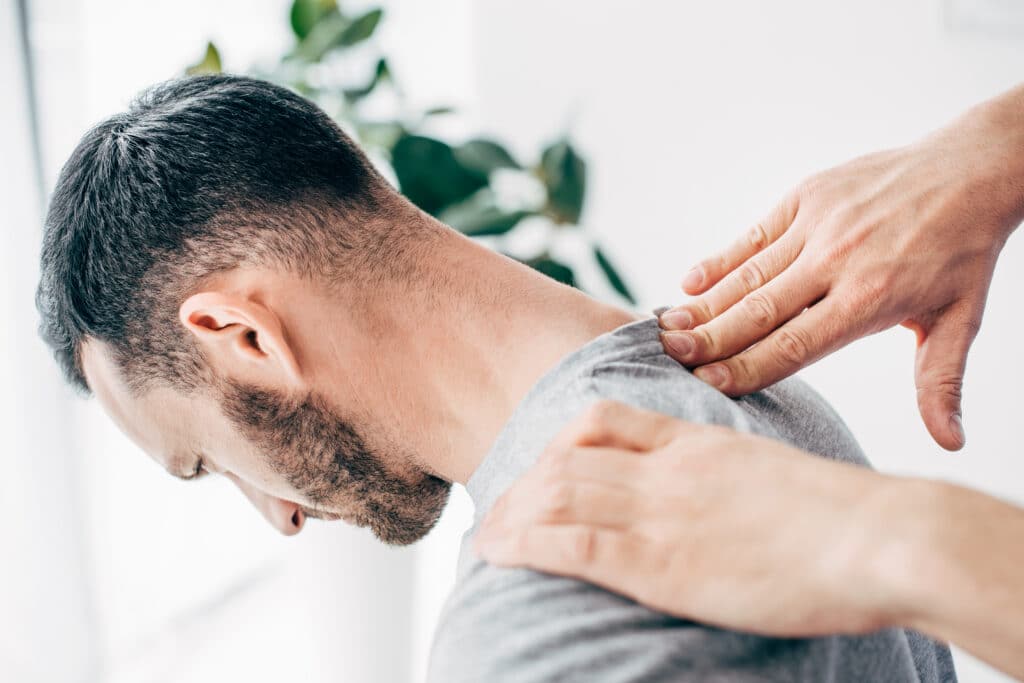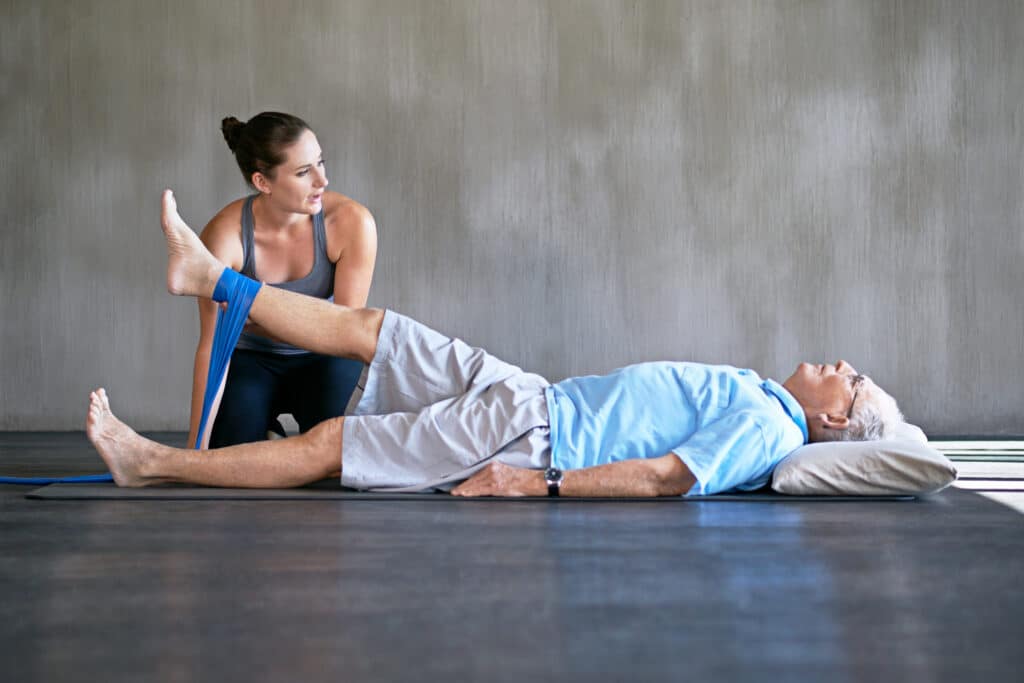

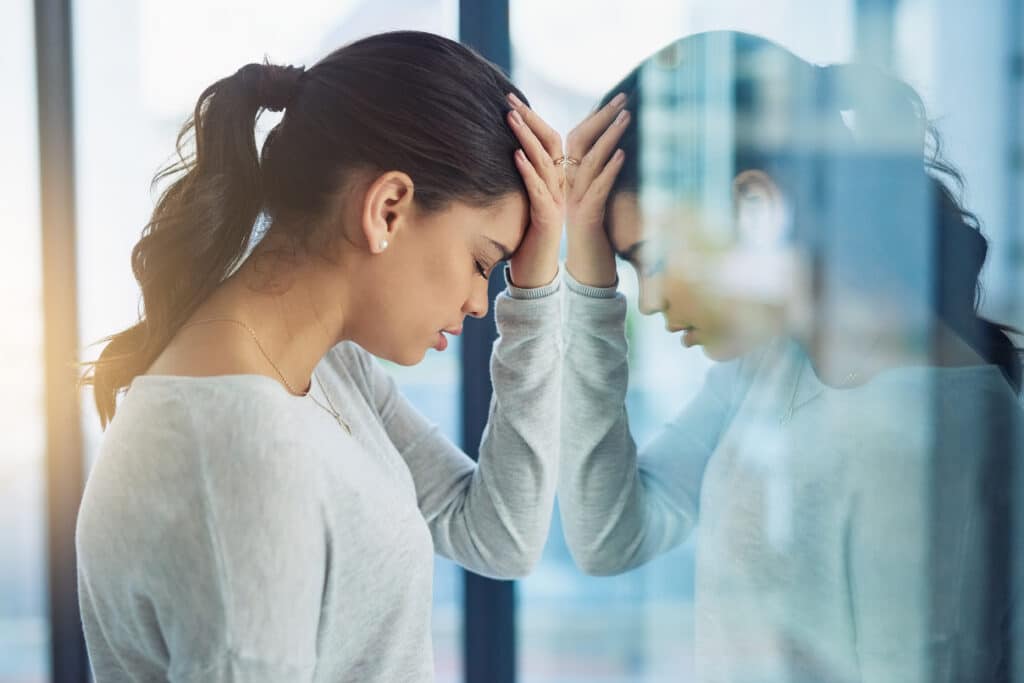
For some people, recovering from COVID-19 takes longer than a few days, and it may involve waiting for a fever or cough to go away. Weeks or months later, they may still feel unsteady, foggy, lightheaded, or off balance.
The CDC lists dizziness when standing, brain fog, headaches, and heart palpitations as possible long COVID symptoms. A systematic review and meta-analysis found that 26.4% of people with long COVID reported dizziness.
Dizziness symptoms after COVID can make daily life feel harder. They can affect everything from walking across a room to driving, working, or exercising. The right treatment depends on what’s causing the dizziness. It may involve the inner ear, the nervous system, blood pressure, heart rate, or multiple factors at once.
Key Takeaways
- Dizziness after COVID can feel like spinning, lightheadedness, brain fog, or a constant feeling of being off balance.
- Possible causes include inner ear irritation, benign paroxysmal positional vertigo (BPPV), nervous system changes, blood pressure changes, or broader long COVID symptoms.
- Chest pain, shortness of breath, fainting, new weakness, severe headache, or significant changes in heart rate require medical attention right away.
- Vestibular rehabilitation can help many people improve balance, steady their vision, move more comfortably, and feel more confident in daily activities.
Quick Navigation
- Why Does COVID Cause Dizziness?
- Types of Dizziness After COVID
- How Long Does Post-COVID Dizziness Last?
- What Is Vestibular Rehabilitation?
- When Should You Seek Help?

Why Does COVID Cause Dizziness?
Balance requires several systems to work together. Your inner ears, eyes, muscles, joints, blood pressure, heart rate, and nervous system all help your body stay steady.
COVID-19 and long COVID may affect more than one of those systems. That’s why dizziness after coronavirus can be different from one person to the next.
Possible contributors include:
- Inner ear irritation: Viral infections can affect the vestibular system, leading to dizziness, vertigo, nausea, tinnitus, or balance problems.
- BPPV: Tiny calcium crystals in the inner ear can move out of place, which may cause brief spinning sensations with certain head movements.
- Nervous system changes: Long COVID can affect how the body manages blood pressure and heart rate, especially when standing up after sitting.
- Neurological symptoms: Some people also have brain fog, headaches, fatigue, or trouble concentrating.
- Deconditioning: The body may become weaker and less steady after illness, making balance and movement harder.
Finding the cause of dizziness is important because each type needs a different treatment plan.
Types of Dizziness After COVID
There are several different types of dizziness. The way it feels can help point to what might be causing it.
- Vertigo: Vertigo feels like you or the room is spinning. It may happen when you roll over, look up, bend down, or turn your head.
- Lightheadedness: Lightheadedness can feel like near-fainting or sudden unsteadiness, especially after standing. It may be related to POTS, blood pressure changes, or heart rate changes.
- Disequilibrium: Disequilibrium is constantly feeling off balance, even without spinning. It may affect walking, stairs, or busy environments.
- Dizziness with brain fog: Some people feel dizzy along with cognitive fatigue or trouble focusing. This can make work, school, screens, and daily tasks harder.
How Long Does Post-COVID Dizziness Last?
The length of post-COVID dizziness varies. Some people get better in a few weeks. Others have had dizziness symptoms for months, especially with long COVID.
BPPV often improves more quickly when treated with canalith repositioning maneuvers, such as the Epley maneuver. Dizziness related to the nervous system, blood pressure, fatigue, or vestibular nerve irritation may need a longer rehabilitation plan.
If dizziness lasts for more than 2 to 4 weeks, keeps getting worse, or limits daily activities, it’s a good idea to talk with a healthcare provider or a vestibular physical therapist.
What Is Vestibular Rehabilitation?
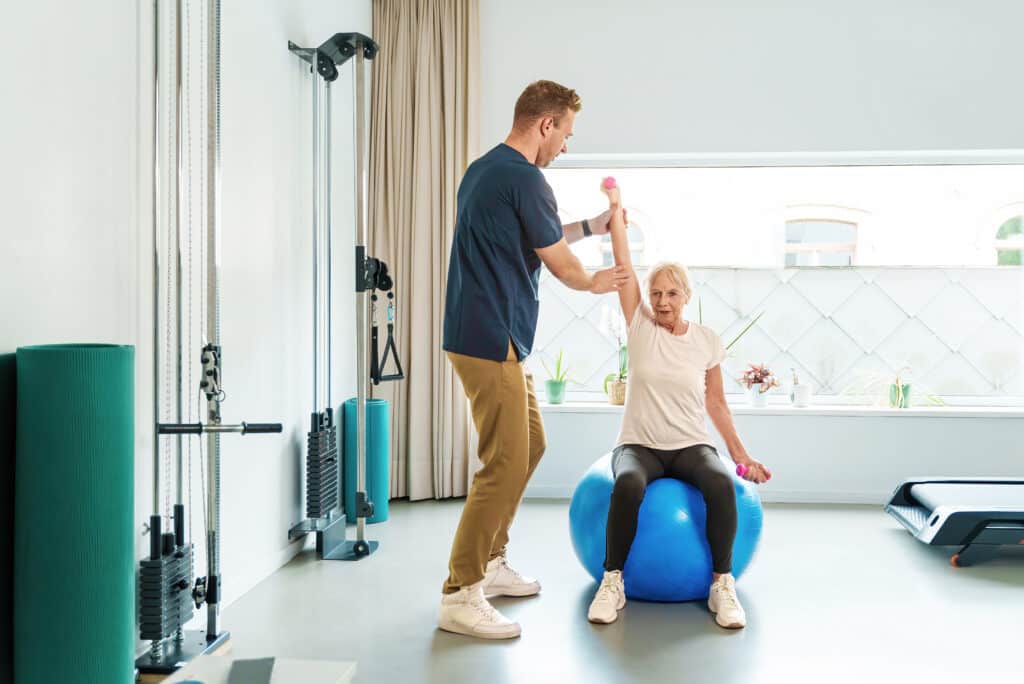
Vestibular rehabilitation is a specialized type of physical therapy for dizziness, vertigo, and balance problems. It uses targeted exercises to help the brain and body process movement more comfortably.
A vestibular physical therapist starts with an evaluation. They may check eye movements, balance, walking, head positions, strength, blood pressure changes, and what movements bring on symptoms.
A care plan may include:
- Canalith repositioning maneuvers for BPPV.
- Gaze stabilization exercises to help your eyes stay focused while your head moves.
- Balance training to improve steadiness and reduce fall risk.
- Habituation exercises to make certain movements less triggering over time.
- Graded activity and pacing strategies for fatigue or long COVID.
The American Physical Therapy Association supports vestibular rehabilitation for peripheral vestibular hypofunction, a type of inner-ear balance problem. Your therapist can adjust the plan based on your symptoms, tolerance, and recovery rate.
When Should You Seek Help?
Talk with a healthcare provider or vestibular physical therapist if post-COVID dizziness:
- Doesn’t improve after two to four weeks.
- Affects driving, work, exercise, or daily tasks.
- Causes falls, near-falls, or fear of moving around.
- Comes with hearing changes, tinnitus, severe headaches, or vision changes.
- Gets worse when you stand, walk, turn your head, or change position.
Seek medical care right away if dizziness comes with chest pain, shortness of breath, fainting, new weakness, confusion, trouble speaking, severe headache, or major heart rate changes.
A physical therapist who specializes in vestibular rehabilitation can evaluate your symptoms, identify the type of dizziness, and begin treatment. A referral is not required to start treatment due to Direct Access laws.
FAQs
Can Physical Therapy Help With Long COVID Dizziness?
Yes, physical therapy may help when dizziness is related to vestibular disorders, balance, movement tolerance, or deconditioning after illness. If symptoms include chest pain, shortness of breath, fainting, or significant heart rate changes, a medical evaluation should be performed first.
How Is Post-COVID Dizziness Treated?
Treatment depends on the cause. BPPV may respond to repositioning. Other types of dizziness may need gaze stabilization, balance training, habituation exercises, pacing, or coordination with a healthcare provider.
Is Dizziness a Common Symptom of Long COVID?
Yes. Dizziness and lightheadedness are commonly reported with long COVID, along with fatigue, brain fog, headaches, and heart palpitations. If dizziness keeps coming back or affects daily life, it’s worth talking with a healthcare provider or vestibular physical therapist.
Why Do I Feel Dizzy Weeks After COVID-19?
Dizziness weeks after COVID-19 may be due to inner ear irritation, BPPV, blood pressure changes, POTS, fatigue, or nervous system changes. A vestibular system evaluation can help narrow the cause.
Find a Vestibular Physical Therapist Near You
Dizziness after COVID is real, and you don’t have to work around it forever. A vestibular physical therapist can help you understand the type of dizziness you are experiencing and develop a plan to support balance, movement, and daily activities.
Find an Ivy Rehab Therapy clinic near you to schedule an evaluation.
Key Terms
Canalith repositioning: A treatment for BPPV that uses guided head and body movements to move tiny inner ear crystals back where they belong.
Long COVID: Also called long-haul COVID. A condition where symptoms continue or new symptoms develop weeks or months after a COVID-19 infection.
Vestibular system: The parts of the inner ear and brain that help control balance, movement, and spatial awareness.
Benign paroxysmal positional vertigo (BPPV): A common inner ear condition that causes brief spinning sensations with certain head movements.
Postural orthostatic tachycardia syndrome (POTS): A nervous system condition that can cause dizziness, lightheadedness, and a fast heart rate when standing.
References
- Long COVID Signs and Symptoms. Centers for Disease Control and Prevention. Accessed March 2026. https://www.cdc.gov/long-covid/signs-symptoms/index.html
- Persistent Neurological Manifestations in Long COVID-19 Syndrome: A Systematic Review and Meta-Analysis. Journal of Infection and Public Health. Accessed March 2026. https://www.sciencedirect.com/science/article/pii/S1876034122001575
- Vestibular Rehabilitation for Peripheral Vestibular Hypofunction – Updated. American Physical Therapy Association. Accessed March 2026. https://www.apta.org/patient-care/evidence-based-practice-resources/cpgs/vestibular-rehabilitation-for-peripheral-vestibular-hypofunction-an-evidence-based-clinical-practice-guideline-cpg
- Canalith Repositioning Procedure. Mayo Clinic. Accessed March 2026. https://www.mayoclinic.org/tests-procedures/canalith-repositioning-procedure/about/pac-20393315

Before you go
Find the right therapy today.
Discover how Ivy Rehab can help you get back to doing what you love.