

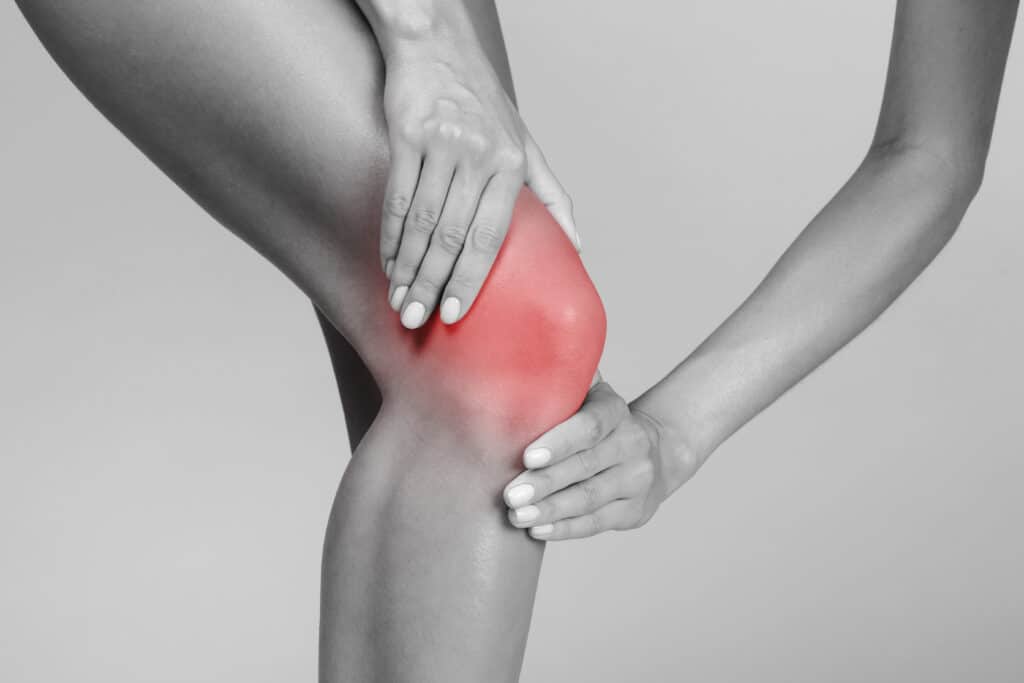
Chondromalacia patella can cause aching at the front of the knee or behind the kneecap, especially with stairs, squats, running, or prolonged bending of the knees. It happens when cartilage on the back of the kneecap becomes irritated or breaks down.
Patellofemoral pain is common and often overlaps with chondromalacia patella. A PLOS ONE review of 23 studies found that about one in four people had patellofemoral pain during a one-year period.
Chondromalacia patella exercises usually focus on the quadriceps, glutes, and hip muscles to help the kneecap move more easily across the femur. The right exercise program depends on how the knee joint moves and what makes symptoms worse. A physical therapist can help build a plan that fits your daily routine.
Key Takeaways
- Chondromalacia patella often causes pain at the front of the knee, especially with stairs, squats, running, lunges, or sitting with the knees bent.
- The best chondromalacia patella exercises usually focus on quadriceps strength, hip control, glutes, and comfortable range of motion.
- Deep knee bends, high-impact activities, downhill running, and painful leg-strengthening exercises may need to be modified during flare-ups.
- Physical therapy can help identify muscle imbalances, improve kneecap tracking, and build a safer exercise program.
Quick Navigation
- Symptoms of Chondromalacia Patella
- What Contributes to Chondromalacia Patella?
- Chondromalacia Patella Rehab Exercises
- Activities to Modify During a Flare-Up
Symptoms of Chondromalacia Patella
Chondromalacia patella symptoms often show up around or behind the kneecap. The pain may feel dull, achy, sore, or irritated during physical activity.
Common symptoms include:
- Pain at the front of the knee, behind the kneecap, or around the patellofemoral joint.
- Pain that gets worse with stairs, squats, lunges, kneeling, running, or sitting with the knees bent.
- Grinding, clicking, or a rough sensation during knee movement.
- Stiffness after prolonged sitting or after activity.
- Pain that feels worse going down stairs or hills.
Sharp catching, locking, major swelling, or pain after an injury may point to another knee problem and should be checked by a healthcare provider. In some cases, a provider may recommend imaging, an orthopedic referral, or arthroscopic treatment.
What Contributes to Chondromalacia Patella?
Chondromalacia patella can happen when the cartilage behind the kneecap gets irritated by repeated pressure or by the way the kneecap moves. Several factors can add stress to the patellofemoral joint, especially during squats, stairs, running, or sitting with the knees bent.
Contributors can include:
- Kneecap tracking issues, when the kneecap does not glide smoothly in the groove at the end of the femur.
- Weakness or imbalances in the quadriceps, glutes, hip muscles, or hamstrings.
- A sudden increase in running, stairs, lunges, or other weight-bearing activity.
- Knee movement patterns that place extra stress on the front of the knee.
- Patellofemoral osteoarthritis or cartilage changes, especially in older adults.
Chondromalacia Patella Rehab Exercises
Chondromalacia patella exercises should be performed in a controlled, comfortable manner. Start with body weight, keep the knee bend small at first, and stop if joint pain increases or lingers afterward.
These exercises are often used as starting points:
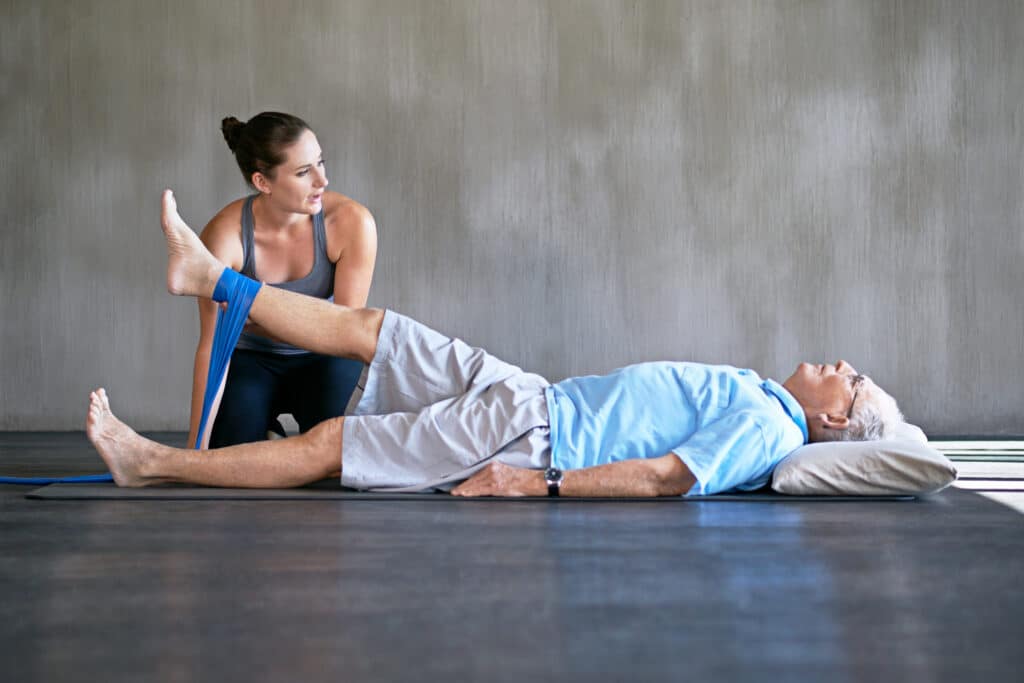
Straight Leg Raise
Lie on your back with one knee bent and the other leg straight. Tighten the muscles on the front of the straight thigh, lift it to the height of the bent knee, then lower slowly to the starting position. Start with eight to 10 reps on each side.
Straight leg raises build quadriceps muscle strength with less stress on the patellofemoral joint than deeper weight-bearing movements.
Short Arc Quad
Lie on your back with a rolled towel under the knee. Straighten the knee until the leg is nearly straight, hold for two seconds, then lower slowly. Keep the movement smooth and pain-free.
This trains knee extension through a smaller range of motion, which may feel better during an early flare-up.
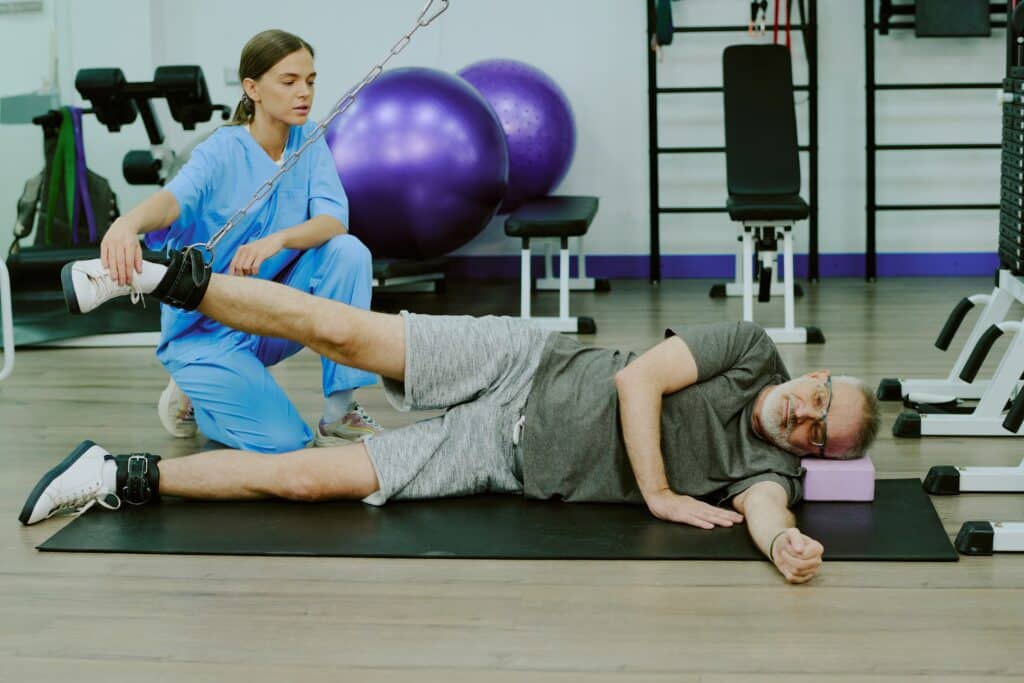
Side-Lying Hip Abduction
Lie on your side with the top leg straight. Lift the top leg a few inches without rolling the hips backward, then lower with control. This helps strengthen the hip muscles and glutes that help guide knee position during walking, stairs, and running.
Step-Up
Stand in front of a low step. Step up slowly, keeping the kneecap aligned over the middle of the foot, then step down with control. Use a smaller step if knee pain increases.
A step-up can help rebuild single-leg control for stairs and daily movement.
Activities to Modify During a Flare-Up
You usually don’t need to stop all activity. The goal is to reduce the movements that overload the kneecap while you build strength and control.
During a flare-up, try to:
- Limit deep squats, deep lunges, and repeated knee bends past a painful range.
- Go down stairs slowly or one step at a time if going down stairs hurts.
- Reduce high-impact exercise, downhill running, or long runs until symptoms calm down.
- Take breaks from long periods of sitting with the knee bent.
- Avoid heavy leg extension exercises if they increase pain at the front of the knee.
Ivy Rehab’s physical therapy and orthopedic therapy services can help you safely work on pain relief and leg strengthening in a way that matches your activity goals.
FAQs
Can Exercises Help Chondromalacia Patella?
Yes. Targeted strengthening exercises can help many people reduce knee pain and improve function. The most helpful plan usually includes quadriceps strengthening, hip and glute work, and gradual return to activity.
What Exercises Should I Avoid With Chondromalacia Patella?
Aoid exercises that create sharp pain or load the knee too heavily during a flare-up. Deep squats, deep lunges, heavy knee extension, jumping, and downhill running may need to be modified until symptoms improve.
When Should I See a Physical Therapist?
Consider physical therapy if knee pain keeps returning, limits stairs or exercise, or doesn’t improve after a few weeks of activity changes and gentle strengthening. A physical therapist can check range of motion, strength, alignment, and movement patterns to guide the right treatment plan.
Talk to a Physical Therapist About Knee Pain
Chondromalacia patella can be frustrating, but the right exercise plan can help reduce strain on the kneecap and make movement feel easier.
Find an Ivy Rehab location near you if chondromalacia patella exercises aren’t helping enough or knee pain is limiting daily activities. A physical therapist can help you build a plan for safer movement, stronger legs, and more comfortable activity.
References
- Incidence and Prevalence of Patellofemoral Pain: A Systematic Review and Meta-Analysis. PLOS ONE. Accessed March 2026. https://journals.plos.org/plosone/article?id=10.1371/journal.pone.0190892
- Patellofemoral Pain Syndrome. OrthoInfo. Accessed March 2026. https://orthoinfo.aaos.org/en/diseases–conditions/patellofemoral-pain-syndrome
- Knee Conditioning Program. OrthoInfo. Accessed March 2026. https://orthoinfo.aaos.org/globalassets/pdfs/2017-rehab_knee.pdf
- Physical Therapy Guide to Patellofemoral Pain. ChoosePT. Accessed March 2026. https://www.choosept.com/guide/physical-therapy-guide-patellofemoral-pain
- Patellofemoral Pain Syndrome. American Family Physician. Accessed March 2026. https://www.aafp.org/afp/2019/0115/p88
Before you go
Find the right therapy today.
Discover how Ivy Rehab can help you get back to doing what you love.