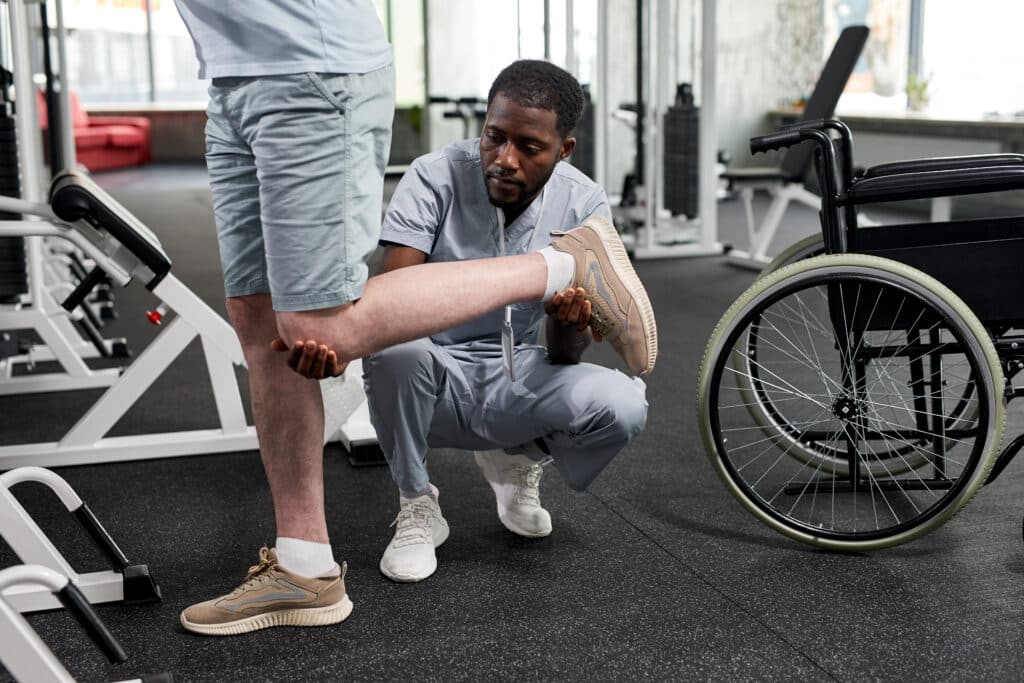
A lot of men treat pain like a weather pattern: annoying, inconvenient, probably temporary, and not worth dealing with unless it starts ruining the weekend. That can work for a while, especially when life is busy, as long as the pain still feels manageable.
Then the stiff back becomes the thing you plan around. The sore shoulder turns every workout into a negotiation. The knee that “just acts up sometimes” starts making stairs feel personal. Before long, your body feels less like a teammate and more like a grumpy landlord collecting rent in discomfort, usually at the least convenient time.
You’re not the only one living with this kind of pain. In 2023, 23.2% of men ages 18 and older in the United States had chronic pain in the past three months, according to the Centers for Disease Control and Prevention. The CDC defines chronic pain as pain occurring “most days” or “every day” during that period. That matters because pain can start as a small inconvenience and slowly become the thing shaping your day.
Physical therapy can help before pain takes over the calendar. It can address strength, stiffness, balance, mobility, movement habits, recovery, and the small problems that tend to get louder when they’re ignored.
The Rehab Myth: Physical Therapy and Occupational Therapy Are Just for Major Injuries
Somewhere along the way, a lot of people decided physical therapy and occupational therapy were only for torn ligaments, post-surgery recovery, and the kind of injury that comes with dramatic lighting, a hospital bracelet, and a very expensive story.
Physical therapy and occupational therapy can help with the everyday issues that slowly chip away at comfort, confidence, and independence. That might mean a stiff shoulder that won’t settle down, a sore back after yardwork, grip weakness at work, or knee pain that keeps coming back with a vengeance.
The goal isn’t to treat every ache like a crisis. The goal is to understand what your body is telling you while it’s still using its indoor voice.
Getting help early means refusing to let a manageable problem become the boss of you.

How Physical Therapy Supports Men’s Health
Physical therapy is care that can help men improve movement, strength, mobility, pain, balance, pelvic health, recovery, and safe activity. A physical therapist looks at how the body moves, where stress is building, and what may be limiting function. That includes:
- Back pain and joint stiffness.
- Recurring strains or sports injuries.
- Balance changes or weakness.
- Difficulty getting back to exercise, work, hobbies, or daily routines.
Care should feel connected to what you actually want to do, whether that’s lifting at work, playing golf, walking without pain, getting back to the gym, or getting through the day without saying “my back is fine” while moving like a haunted suit of armor.
Bottom line: The right care plan should fit the person, not just the diagnosis.
Physical Therapy for Injury Prevention
Physical therapy for injury prevention starts with a simple but useful question: how are you moving, and what is that movement costing you?
A physical therapist can look for weakness, tightness, balance changes, overuse patterns, limited mobility, or movement habits that may increase strain during work, workouts, sports, or daily activities.
No plan can prevent every injury. Bodies are not machines, and life has a talent for ignoring the plan. Still, a better movement strategy may help reduce risk, improve control, and make it easier to recover when your body is under stress.
These are a few common areas where physical therapy can help men move with more control:
Everyday Aches and Pains
Everyday aches can seem harmless at first, until they start getting in the way of things you usually do without thinking. Pain or soreness that keeps coming back may be a sign that something needs attention, especially in areas like:
A physical therapist can help identify what may be contributing to the pain and build a plan to improve movement, strength, and tolerance for daily activity.
Sports, Workouts, and Weekend Warrior Injuries
Golf, pickleball, lifting, running, softball, basketball, chasing kids around the yard, and briefly believing you’re still 23 during a pickup game can all be worth it; however, activity shouldn’t feel like punishment the next day.
Physical therapy can help men return to activity safely, improve mechanics, and reduce the chance of repeat injuries.
For sports-related pain or recovery, Ivy Rehab’s orthopedic therapy can support strength, mobility, and return-to-activity goals.
Work-Related Strain
Physically demanding jobs can stress the back, shoulders, knees, hands, and feet. Desk work can also take a toll through prolonged sitting, poor monitor setup, long commutes, and repeated postures.
A physical therapist can help with posture, lifting mechanics, mobility, strengthening, and strategies to reduce strain during the workday. Your job may be hard on your body, but your body doesn’t have to quietly accept the damage.

When to See a Physical Therapist
Many men try to wait out pain because they assume it’ll fade on its own. Sometimes it does. Other times, it settles in, changes how you move, and starts rearranging your life in small ways you barely notice at first — which is rude, but admittedly effective.
Knowing when to see a physical therapist can help you avoid the cycle of rest, flare-up, frustration, and repeat. Care can make sense long before pain reaches the point where putting on a sock turns into a high-stakes athletic event.
It may be time to schedule an evaluation if you notice:
- Pain lasting more than a few days.
- Recurring pain in the same area.
- Reduced range of motion.
- Trouble lifting, walking, bending, or reaching.
- Balance changes or feeling unsteady.
- Numbness, tingling, or weakness.
If pain is changing how you move, it deserves attention. These signs don’t mean something is seriously wrong, but they do mean your body may benefit from a closer look.
Where Occupational Therapy Fits In
Occupational therapy can help when pain, weakness, stiffness, or injury makes daily tasks harder. For men’s health concerns, it can support safer, more comfortable movement during the routines, responsibilities, and activities that matter most.
Occupational therapy may help in two practical areas:
Occupational Therapy for Daily Activities
This kind of care can help men with dressing, cooking, driving, working, using tools, managing fatigue, modifying routines, and building confidence with everyday tasks. The focus is practical: what’s hard right now, and what support would make it easier or safer?
An occupational therapist may recommend exercises, task modifications, adaptive tools, splints, pacing strategies, or changes to how a task is performed.
The goal is to make the parts of daily life that matter most feel more doable, more comfortable, and less exhausting.
Hand, Wrist, Elbow, and Upper Extremity Function
Hand, wrist, elbow, and shoulder problems can turn ordinary tasks into a daily irritation parade. Everyday tasks, from work and hobbies to lifting, gripping, and home routines, can all get harder when the upper body isn’t cooperating.
Occupational therapy and hand therapy may help with grip strength, dexterity, hand pain, arthritis, tendon injuries, nerve symptoms, repetitive strain, and recovery after injury or surgery.
For more specific hand and upper extremity support, Ivy offers hand therapy services for conditions affecting the hands, wrists, elbows, shoulders, and fingers.

The Cost of Waiting Too Long
Waiting can feel easier in the moment, especially when life is busy. You tell yourself it’s not that bad. You work around it. You skip the thing that bothers it. You change how you move and call it “being careful,” but your body may be building a workaround it shouldn’t have to rely on.
Workarounds are useful for broken printers. They’re less charming when they become your whole movement strategy.
Delayed care can make pain, weakness, compensation, and limited movement harder to manage over time. When one area isn’t moving well, another may take on extra work.
That can lead to a chain reaction, such as a stiff hip changing how the knee feels, or a painful shoulder affecting the neck, elbow, or hand.
If you’re unsure whether you need a referral, Ivy’s direct access information can help you understand how to get started in your state and with your insurance.
Waiting for pain to “earn” attention can turn a manageable issue into a daily disruption.
What to Expect at Ivy Rehab
Care starts with a conversation. Your therapist will ask what’s bothering you, what you want to get back to, what’s changed, and what daily activities feel harder than they used to.
From there, they’ll evaluate movement, strength, balance, range of motion, pain triggers, work or activity demands, and functional goals. Your plan may include a mix of hands-on care, exercise, education, home strategies, and progressions that match your goals.
Real goals might include working without pain, playing with kids, returning to the gym, golfing, lifting safely, walking farther, using tools, sleeping better, or managing daily routines with more confidence.
The plan can change as you improve or as your goals change. That flexibility matters because your body, your schedule, and your goals are not frozen in place. Care should be able to move with you.
Keep Moving, Keep Doing, Keep Showing Up
Physical therapy and occupational therapy aren’t only for major injuries. Physical therapy and occupational therapy can help men address pain earlier, improve daily function, support injury prevention, and stay active with more confidence.
Waiting doesn’t make you tough. Most of the time, it just gives the problem more room to get comfortable and unpack its bags.
If pain, stiffness, weakness, balance changes, or hand function is getting in the way, you don’t have to wait until it becomes a crisis. Find an Ivy Rehab location near you to connect with a team that can help you understand what’s next.
References
- Centers for Disease Control and Prevention. “Chronic Pain and High-Impact Chronic Pain in U.S. Adults, 2023.” (2024). https://www.cdc.gov/nchs/products/databriefs/db518.htm
- American Physical Therapy Association. “Men’s Health Matters: Expert Advice From Physical Therapists to Live Stronger and Healthier.” (2025). https://www.choosept.com/health-tips/mens-health-matters-expert-advice-from-physical-therapist-advice-live-stronger-healthier
- American Physical Therapy Association. “APTA Clinical Practice Guidelines Library.” https://www.apta.org/patient-care/evidence-based-practice-resources/cpgs
- American Occupational Therapy Association. “Occupations and Everyday Activities.” https://www.aota.org/practice/domain-and-process/occupations-everyday-activities

Before you go
Find the right therapy today.
Discover how Ivy Rehab can help you get back to doing what you love.