Swelling after an injury is often part of the body’s natural healing process. It can look concerning, especially when the affected area also feels tight, warm, or hard to move.
After a sprain, strain, or other soft tissue injury, blood flow increases around the injured area. Fluid and white blood cells move into the tissue to help protect the injured area, start repair, and keep you from pushing it too hard too soon.
The key is knowing what swelling is trying to do, how to manage it safely, and when it may be a sign that your injury needs a closer look.
Key Takeaways
- Swelling after injury happens when blood vessels allow extra fluid and healing cells to move into the injured area.
- Early swelling can be normal, but too much fluid buildup can make movement harder and delay returning to activity.
- The RICE method can help manage pain and swelling during the first 24 to 48 hours after many sprains and soft tissue injuries.
- Seek medical attention if swelling is severe, sudden, worsening, linked to major pain, or comes with shortness of breath.
- Physical therapy can help reduce lingering swelling, restore range of motion, and build a safer return-to-activity plan.
Quick Navigation
- Why Swelling Happens After an Injury
- What to Do in the First 48 Hours
- When Swelling Lasts Longer Than Expected
- When to Seek Medical Attention
- How Physical Therapy Helps
Why Swelling Happens After an Injury
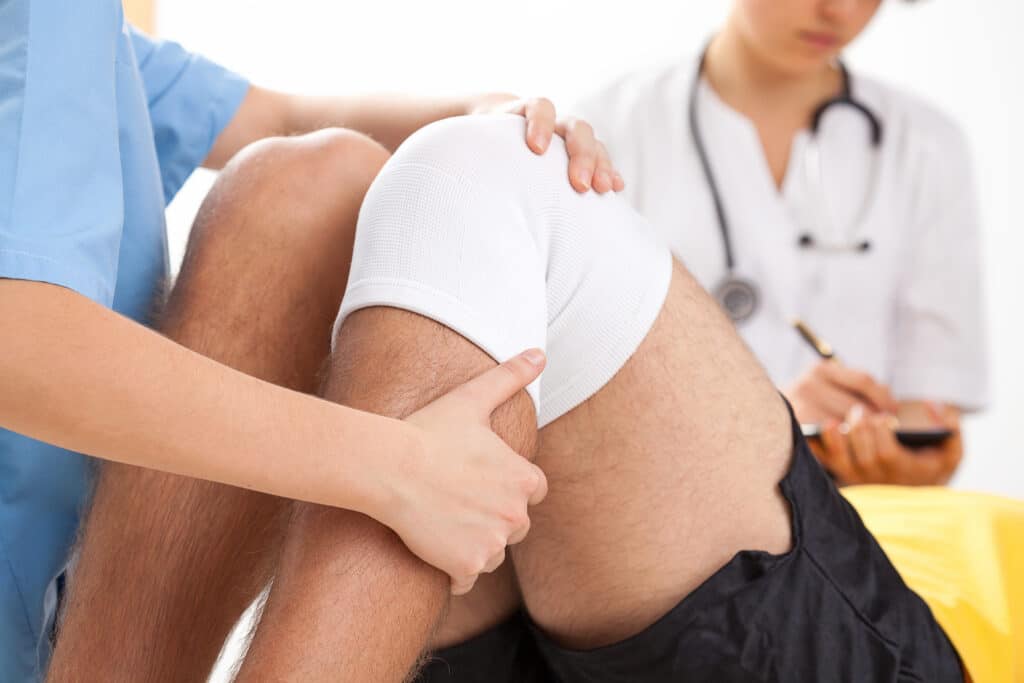
Swelling after an injury usually starts because the body is trying to protect and repair damaged tissue. Blood vessels near the injured area widen, blood flow increases, and fluid moves into the tissue.
That extra fluid can help bring white blood cells and other repair materials to the area. It can also make the injured body part feel stiff, heavy, or tender.
Some swelling is helpful early on. The goal is to manage swelling so the affected area can calm down, move safely, continue the healing process, and avoid further injury.
What to Do in the First 48 Hours
Sprains are one of the most common injuries linked to early swelling. A Journal of Athletic Training review found that about 2 million acute ankle sprains happen in the United States each year.
The RICE method is often the starting point after many sprains and soft tissue injuries. Some providers add protection at the beginning, especially when using the injured area could make symptoms worse.
During the first 24 to 48 hours, try to:
- Protect the injured area from further injury, especially if walking, lifting, or using the area increases pain.
- Rest from the activity that caused the injury, but avoid staying completely still for too long.
- Ice the affected area with an ice pack for 15 to 20 minutes at a time. Wrap the ice pack in a towel so it’s not directly on your skin.
- Compress the injured area with an elastic bandage to help limit extra fluid buildup. The wrap should feel snug, but not tight.
- Elevate the injured area above heart level when possible to help excess fluid drain.
Gentle movement is often part of recovery once serious injury is ruled out. Stop and get checked if movement increases sharp pain, numbness, weakness, or swelling.
When Swelling Lasts Longer Than Expected
Swelling should usually start improving as the injured tissue calms down. It may not disappear right away, especially after a more serious sprain, fracture, surgery, or soft tissue injury.
Swelling that lasts longer than two to four weeks, keeps coming back with activity, or limits range of motion is often called chronic swelling or edema. Edema means extra fluid has built up in the tissue.
Chronic swelling can happen when the injured area stays irritated, when activity increases before the tissue is ready, or when the body has trouble moving excess fluid out of the area. It can also be linked to an underlying condition, especially if swelling affects more than one part of the body.
A healthcare provider or physical therapist can help determine whether the swelling is normal for the injury, needs more medical care, or needs a treatment plan to improve movement, strength, and fluid control.

When to Seek Medical Attention
Some swelling needs medical care quickly, especially when symptoms are severe, spreading, or affecting more than one part of the body.
Seek prompt medical care if you notice:
- Swelling that affects a whole limb, both legs, or several parts of the body, especially with shortness of breath, chest pain, or sudden worsening symptoms.
- Severe pain, deformity, or an inability to move or bear weight.
- Numbness, tingling, weakness, or skin that looks pale, blue, or unusually cold.
- Increasing redness, warmth, fever, or drainage from a wound.
- Sudden swelling in one leg, especially with pain or warmth.
- Shortness of breath, chest pain, dizziness, or coughing up blood.
These symptoms can point to a fracture, infection, blood flow problem, blood clot, or another health issue that needs evaluation by a healthcare professional.
How Physical Therapy Helps
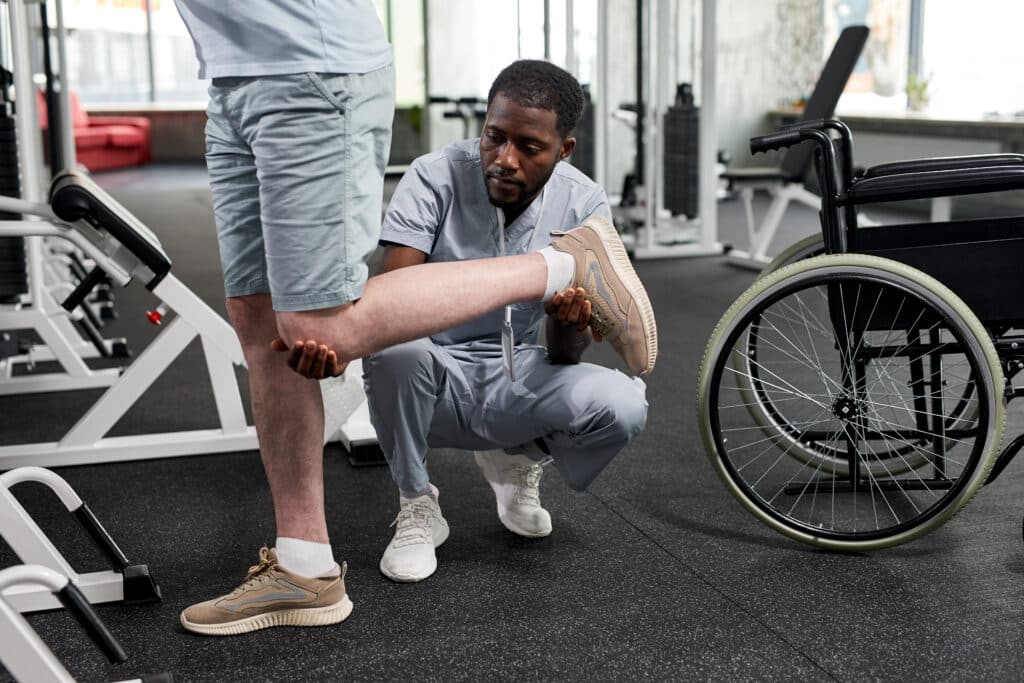
Physical therapy can help when swelling after injury makes movement, strength, balance, or daily life harder. A physical therapist can check range of motion, strength, swelling, pain, and how the injured area moves during activity.
Treatment may include gentle movement to improve range of motion, strengthening exercises, soft tissue mobilization, compression strategies, and a gradual return to walking, work, exercise, or sports. The right plan depends on the injury, the healing stage, and what your body can tolerate.
Ivy Rehab Therapy’s orthopedic therapy services, sports injury screenings, and physical therapy services can help you understand what is causing swelling and what to do next.
FAQs
How Long Does Swelling Last After an Injury?
Mild swelling after a sprain or strain often starts improving within a few days, but the timeline depends on the injury. More significant soft tissue injuries, fractures, or surgery can cause swelling that lasts for weeks.
Is Swelling a Good Sign After an Injury?
Some swelling is a normal part of the healing process. It becomes a concern when it’s severe, keeps getting worse, limits movement, or comes with warning signs such as fever, shortness of breath, numbness, or severe pain.
Should You Ice Swelling After an Injury?
Ice can help with pain and swelling early after many acute injuries. Use an ice pack for short periods, protect your skin with a towel, and stop if the area becomes numb, painful, or irritated.
Talk to a Physical Therapist About Injury Swelling
Swelling after injury can be part of healing, but it should keep moving in the right direction. If swelling is limiting movement, making pain worse, or lasting longer than expected, you don’t have to guess what to do next.
Find an Ivy Rehab location near you if injury swelling is affecting your recovery, movement, or daily routine. A physical therapist can help you manage symptoms safely and build a plan that supports your return to activity.
References
- Herzog MM, et al. “Epidemiology of Ankle Sprains and Chronic Ankle Instability.” (2019). https://pubmed.ncbi.nlm.nih.gov/31135209/
- Cleveland Clinic. “RICE Method for Injury.” (2025). https://my.clevelandclinic.org/health/treatments/rice-method
- Nationwide Children’s Hospital. “Swelling: The Body’s Reaction to Injury.” (n.d.). https://www.nationwidechildrens.org/specialties/sports-medicine/sports-medicine-articles/swelling-the-bodys-reaction-to-injury
- American Academy of Orthopaedic Surgeons. “Sprains, Strains, and Other Soft-Tissue Injuries.” (n.d.). https://orthoinfo.aaos.org/en/diseases–conditions/sprains-strains-and-other-soft-tissue-injuries/
- Cleveland Clinic. “Edema.” (2026). https://my.clevelandclinic.org/health/diseases/12564-edema

Before you go
Find the right therapy today.
Discover how Ivy Rehab can help you get back to doing what you love.