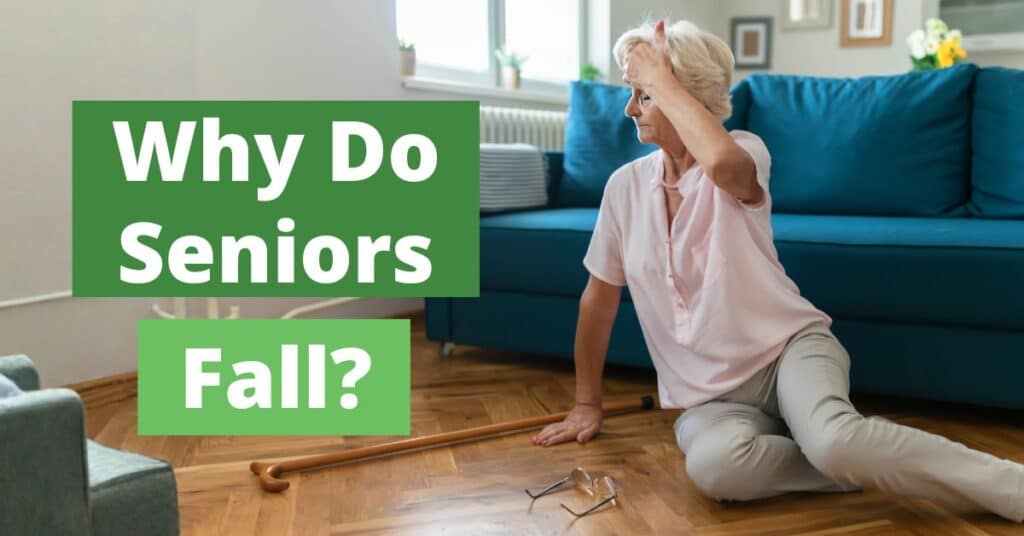
Each year, 1 in 4 adults over 65 experiences a fall.1 For many, it’s a quick scare. For others, it’s a broken hip, a trip to the hospital, or a loss of confidence that makes daily life more difficult. Families often ask, “Why do seniors fall, and how can we help prevent it?”
The answer is complex. Falls rarely have one single cause. Most happen because of a combination of physical changes, chronic conditions, medication effects, and even hazards at home. At Ivy Rehab, our physical therapists specialize in fall prevention for seniors, building strength, balance, and confidence for safer movement. With the right health care, older adults in your family can stay steady on their feet.

Why Do Seniors Fall? 7 Common Causes
There isn’t one single answer to the question, ”Why do seniors fall?” Most falls happen because several small risks add up over time. Below are seven of the most common factors physical therapists see in older adults.
1. Poor Balance & Coordination
The vestibular system in the inner ear is responsible for detecting head motion and helping us stay upright. As we age, this system naturally declines, so aging increases the likelihood of balance issues. Reflexes also slow, making it harder for people to correct a stumble.2 Seniors with vestibular disorders such as dizziness or vertigo are especially vulnerable.
Caregiver tip: If you’ve noticed a parent or loved one veering to one side while walking or frequently grabbing furniture for support, it may be time for a fall risk screening. Schedule an appointment at an Ivy Rehab near you.
2.Muscle Weakness
Muscle loss (sarcopenia) begins as early as age 40 and accelerates with inactivity.3 Weak legs and core muscles mean less stability for walking, climbing stairs, or recovering balance, increasing the risk of falls. Physical therapy can counteract these causes of falls in the elderly with targeted strengthening exercises.
3. Vision Changes
Conditions like cataracts, glaucoma, or macular degeneration reduce depth perception and clarity. Poor night vision increases risks in dimply lit environments. According to the American Academy of Ophthalmology, vision impairment doubles the risk of falls in older adults.4 Make sure the older people you care about are getting their regular eye checkups to help ensure they’re able to see clearly.
4. Medications
Many older adults manage multiple medical prescriptions. Side effects like dizziness, dehydration, or drowsiness can overlap. Blood pressure medications, sedatives, and certain pain relievers are among the most common culprits.5
5. Home Hazards
Most falls happen at home. Throw rugs, cords across walkways, and poor lighting are simple but dangerous triggers. Slippery floors significantly increase the risk of falling, especially in bathrooms. Remove home items that may cause seniors to slip or trip, and improve lighting, especially around dark areas of the house.
6. Chronic Health Conditions
Arthritis, diabetes, Parkinson’s disease, stroke, and osteoporosis all interfere with balance and mobility, making fall risk greater for older adults. For example, Parkinson’s often causes shuffling steps, while osteoporosis makes bones more prone to fractures if a fall occurs.
7. Previous Falls
A past fall often creates a cycle: fear of falling leads to less activity, which leads to weaker muscles, which ultimately leads to a higher risk of falling again. This cycle is common, but rehabilitation physical therapy can break it by restoring both strength and confidence.
Risk Factors & Consequences of Falls
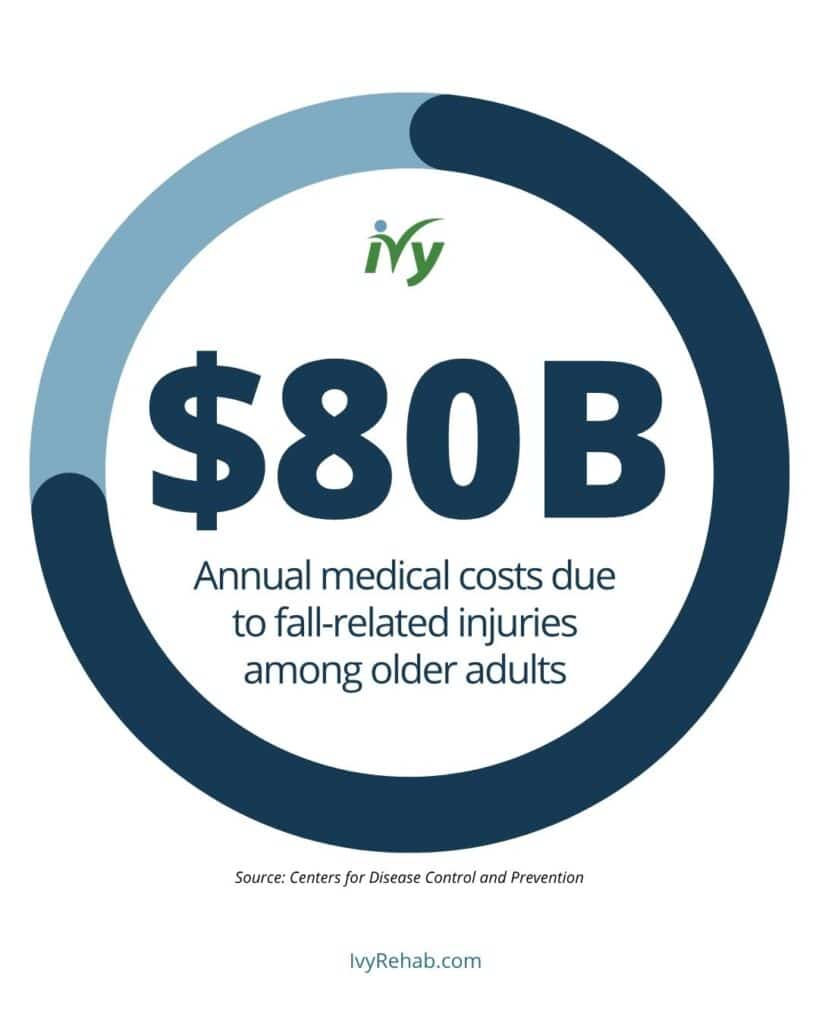
According to a CDC report, fall-related injuries among older adults account for more than $80 billion in medical costs annually.6 Beyond the dollars, the consequences are deeply personal:
- Fractures and head injuries are common, with hip fractures carrying especially high risks.
- Loss of independence can follow, leading to assisted living placement or heavier reliance on caregivers.
- Reduced confidence often leads to isolation, which accelerates physical decline.
- Hospitalization and long-term care become more likely after repeated falls.
Caregiver insight: Many families don’t realize that preventing the first fall is critical. Each fall makes the next one more likely. Proactive physical therapy reduces risks before injuries happen.
How Physical Therapy Helps Prevent Falls
Physical therapy goes beyond exercise. It tackles the root causes of imbalance, weakness, and fear. Addressing these challenges is important in reducing fall-related incidents. At Ivy Rehab, our therapists create plans targeting personalized fall prevention for seniors.
Balance & Gait Training
Therapists use evidence-based assessments like the Berg Balance Scale and Timed Up & Go (TUG) test. Training improves posture, step control, and stability in real-world conditions like uneven surfaces or low light.
Strengthening Exercises
Target workouts rebuild muscles in the legs, hips, and core – areas most critical for safe mobility. Resistance bands, bodyweight work, and functional movements like sit-to-stand exercises are important for training to move with confidence.
Vestibular Therapy
For older adults with dizziness, vertigo, or oscillopsia (blurry vision with head movement), vestibular rehab retrains the brain and inner ear. Research shows vestibular rehab reduces dizziness and improves balance in up to 80% of patients.7
Don’t wait until after a fall to get help. Request a fall risk screening today.
Home Safety Education
Therapists often review living spaces with patients and caregivers. Recommendations may include grab bars in bathrooms, enhanced lighting in hallways, or removing tripping hazards like cords or loose rugs on the floor.
Confidence Building
Fear of falling is powerful and can make symptoms worse. In physical therapy, elderly patients practice movement in a safe setting. This not only strengthens the body but restores trust in it, too.
Why Choose Ivy Rehab for Fall Prevention
At Ivy Rehab, we combine clinical expertise with a compassionate approach that supports both seniors and their families through:
- One-on-one care with a licensed physical therapist every visit
- Specialized geriatric and vestibular rehab built by experts
- Convenient locations across the U.S. for easy access
- Education and support tailored to both patients and caregivers
Explore balance & and fall prevention and vestibular rehab to see how Ivy can help.
Maintain Independence and Mobility with Ivy Rehab
Falls represent a major concern for older people and their families. So, why do seniors fall? Weak muscles, vision changes, medications, chronic conditions, and hazards at home all increase the risk of falls. But falls aren’t inevitable. With physical therapy, seniors can improve strength, restore balance, and build confidence to live independently.
At Ivy Rehab, our physical therapists help both older adults and their families prevent falls by taking proactive steps toward safety. Through consistent physical activity and awareness, the rate of falls for older adults can decrease over the years. The earlier prevention begins, the greater the impact.
Take control today. Find an Ivy Rehab clinic near you and schedule your appointment.
References
- Centers for Disease Control and Prevention (CDC). Important Facts about Falls.
- Johns Hopkins Medicine. Vestibular Balance Disorders.
- Mayo Clinic. Sarcopenia: Age-related Muscle Loss.
- American Academy of Ophthalmology. Age-Related Eye Disease and the Risk of Falls/Fractures.
- National Council on Aging. What Medications Increase the Risk of Falling Among Older Adults?
- National Council on Aging. Get the Facts on Falls Prevention.
- American Physical Therapy Association (APTA). Back in Balance: Vestibular Rehabilitation and Physical Therapy.

Before you go
Find the right therapy today.
Discover how Ivy Rehab can help you get back to doing what you love.