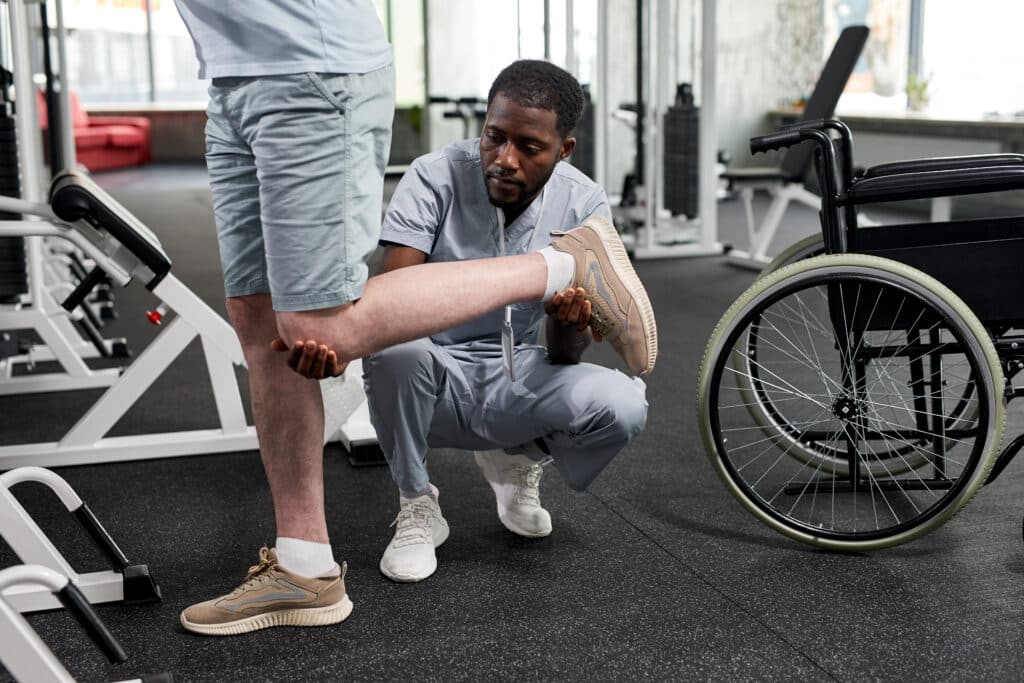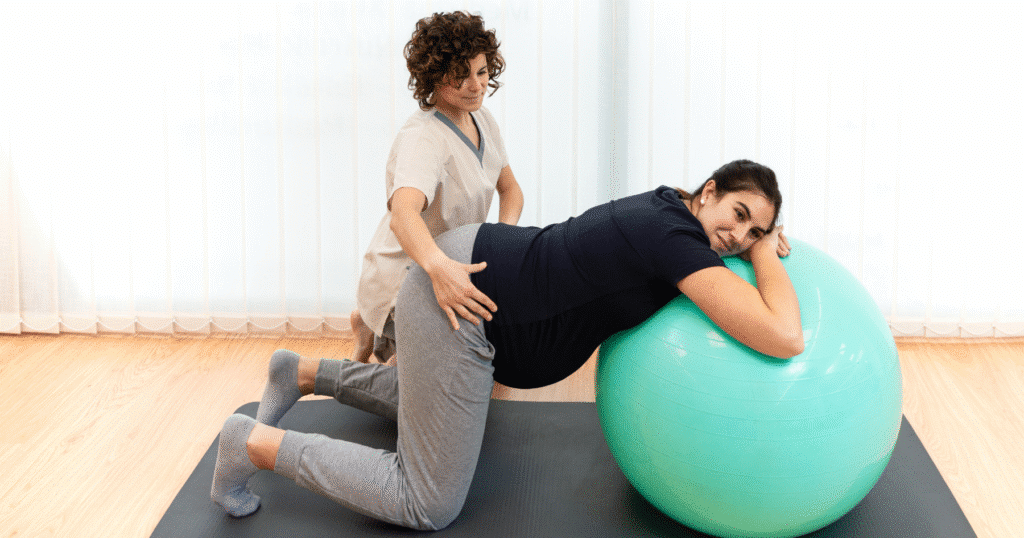
Hip osteoarthritis can make everyday movement feel harder over time. Walking, climbing stairs, getting out of a chair, or putting on shoes may start to take more effort than they used to.
For older adults, that change can affect more than the hip. Pain and stiffness can make it harder to stay active, maintain strength, and feel confident with balance or walking.
The good news is that movement still helps. Aquatic therapy can make exercise feel more manageable because water supports the body and reduces stress on sore joints. That’s the idea behind making a wave in the treatment of hip osteoarthritis in the older adult: using the right environment to make movement feel possible again.
Key Takeaways
- Hip osteoarthritis can cause pain, stiffness, weakness, and changes in walking or balance.
- Exercise is often recommended as part of nonsurgical treatments for hip osteoarthritis.
- Aquatic therapy can make movement more comfortable by reducing pressure on the hip while still helping build strength.
- A physical therapist can help choose exercises that match your pain level, balance, mobility, and goals.
- Hip replacement can help some people with advanced arthritis, but many older adults benefit from physical therapy before surgery is considered.
Quick Navigation
- What Hip Osteoarthritis Can Feel Like
- Why Movement Matters for Hip Osteoarthritis
- How Aquatic Therapy Helps
- Examples of Water-Based Exercises
- How Physical Therapy Fits In
- When to See a Physical Therapist
What Hip Osteoarthritis Can Feel Like
Hip osteoarthritis often develops gradually. Pain may show up deep in the groin, front of the hip, outer hip, thigh, or buttocks. Stiffness may be worse in the morning, after sitting, or after a long day on your feet.
Common signs include trouble walking longer distances, climbing stairs, getting in and out of a car, or putting on shoes and socks. Some people also start limping or feel less steady because the painful hip changes how they move.
It’s understandable to move less when movement hurts. The challenge is that too much rest can weaken the hip and surrounding muscles, making daily activities even harder.
Why Movement Matters for Hip Osteoarthritis
Exercise is a core part of hip osteoarthritis care. Research on hip osteoarthritis has found that exercise can help reduce pain and improve physical function. Clinical guidelines also support exercise, education, and self-management as important parts of nonsurgical care.
Pain relief and quality of life should still guide the plan. The right approach should be based on how your hip feels right now, then build from there. For some older adults, walking or simple strength exercises can be a good starting point. For others, pool therapy may make movement more comfortable at first.
The goal is to keep the hip moving, support the muscles around the joint, and help you stay active in the parts of life that matter most.
How Aquatic Therapy Helps
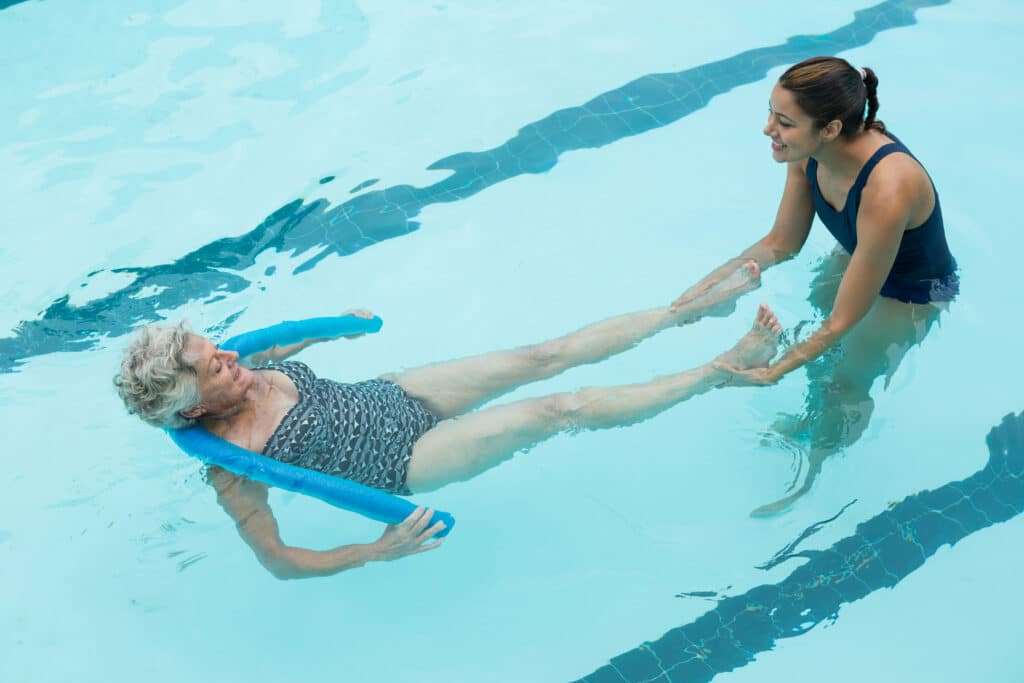
Aquatic therapy has many benefits. It uses water’s properties to make exercise easier on the body. Water supports part of your body weight, which can reduce pressure on your hips while you walk, strengthen, or practice balance.
Warm water may also help reduce stiffness, and water resistance provides gentle work without heavy weights. That combination can be especially helpful when hip pain makes regular exercise feel intimidating.
For older adults with hip osteoarthritis, aquatic therapy can also help build more confidence in their movement. A study of adults 65+ with hip osteoarthritis and fall risk found that aquatic exercise combined with education improved movement confidence and functional performance.
Examples of Water-Based Exercises
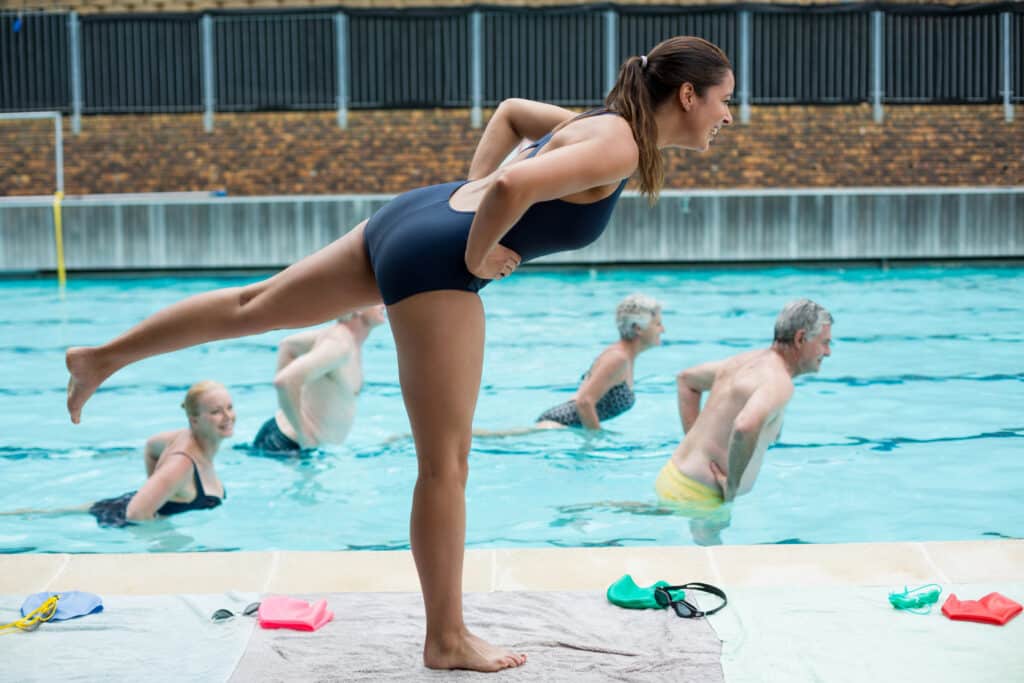
A physical therapist may use different pool exercises based on your pain, muscle strength, balance, and comfort in the water. Common examples include:
- Walking forward, backward, or sideways in shallow water.
- Gentle hip kicks or leg lifts while holding the pool wall.
- Mini squats, heel raises, or step-ups with support.
- Balance practice with the water, helping support your body.
- Gentle stretching or range-of-motion exercises for the hip.
These exercises should feel controlled and manageable. If pain increases sharply, your hip feels unstable, or you feel unsafe in the water, stop and ask for guidance.
How Physical Therapy Fits In
There’s a lot more to physical therapy for hip osteoarthritis than exercises. A physical therapist assesses how your hip moves, how strong the muscles around it are, how you walk, and whether balance or fear of falling affects your activity.
Your treatment plan may include aquatic therapy, walking practice, balance work, home exercises, and patient education about pacing. As symptoms improve, therapy can help you move from the pool to doing more physical activity on land.
Ivy Rehab Therapy offers aquatic therapy at select locations, along with arthritis therapy for people managing joint pain and stiffness.
When to See a Physical Therapist
Consider scheduling a complimentary screening if:
- Hip pain lasts more than a few weeks or keeps coming back.
- Walking, stairs, getting up from a chair, or getting dressed has become harder.
- You notice a limp, loss of balance, or fear of falling.
- Exercise feels confusing because you’re not sure what’s safe to do.
- You’re considering hip replacement or recovering after surgery.
Getting help early can make it easier to stay active, reduce avoidable setbacks, and understand what your hip needs next.
FAQs
Can physical therapy help with balance and fall risk?
Yes. Hip pain and weakness can affect balance and walking. Physical therapy can include work on strength, gait, and balance to help you move with more confidence.
Does hip osteoarthritis mean I need a hip replacement?
Not always. Hip replacement can be very effective for advanced arthritis, but many people try physical therapy, exercise, pacing, and other nonsurgical care first. A physical therapist can help you understand what treatment options may fit your situation.
How often should I do aquatic therapy?
It depends on your symptoms, goals, and access to a pool. Some people start with one or two guided sessions per week, then add home or land-based exercises as tolerated.
Is water exercise good for hip osteoarthritis?
Yes. Water exercise can be helpful because buoyancy reduces stress on the hip joint, and water resistance helps strengthen the muscles around the hip. It can be especially useful when land-based movement feels painful or intimidating.
Should I stop walking if I have hip osteoarthritis?
Not usually. Walking can help maintain strength, mobility, and endurance. You may need to adjust distance, pace, or rest breaks if pain lasts after you stop walking.
Talk to a Physical Therapist About Hip Osteoarthritis
Hip osteoarthritis can make it feel harder to move through daily life, but the right support can help you keep moving. Aquatic therapy may be one way to build strength, ease joint stress, and regain confidence with activity.
Find an Ivy Rehab location near you, or explore our arthritis therapy services, aquatic therapy, and total joint replacement rehabilitation to learn more.
References
- Exercise for Osteoarthritis of the Hip. Cochrane Database of Systematic Reviews. Accessed March 2026. https://www.cochranelibrary.com/cdsr/doi/10.1002/14651858.CD007912.pub2/full
- 2019 American College of Rheumatology/Arthritis Foundation Guideline for the Management of Osteoarthritis of the Hand, Hip, and Knee. Arthritis Care & Research. Accessed March 2026. https://acrjournals.onlinelibrary.wiley.com/doi/10.1002/acr.24131
- The Effect of Aquatic Exercise and Education on Lowering Fall Risk in Older Adults With Hip Osteoarthritis. Journal of Aging and Physical Activity. Accessed March 2026. https://journals.humankinetics.com/view/journals/japa/18/3/article-p245.xml
- Physical Therapy Guide to Hip Osteoarthritis. ChoosePT. Accessed March 2026. https://www.choosept.com/guide/physical-therapy-guide-hip-osteoarthritis

Before you go
Find the right therapy today.
Discover how Ivy Rehab can help you get back to doing what you love.