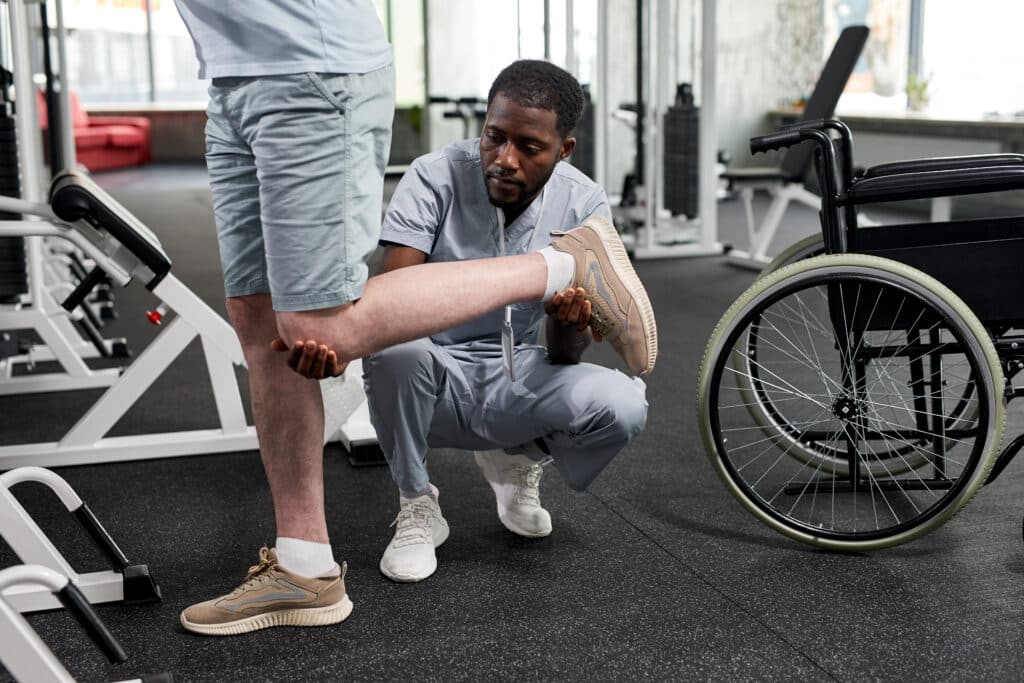
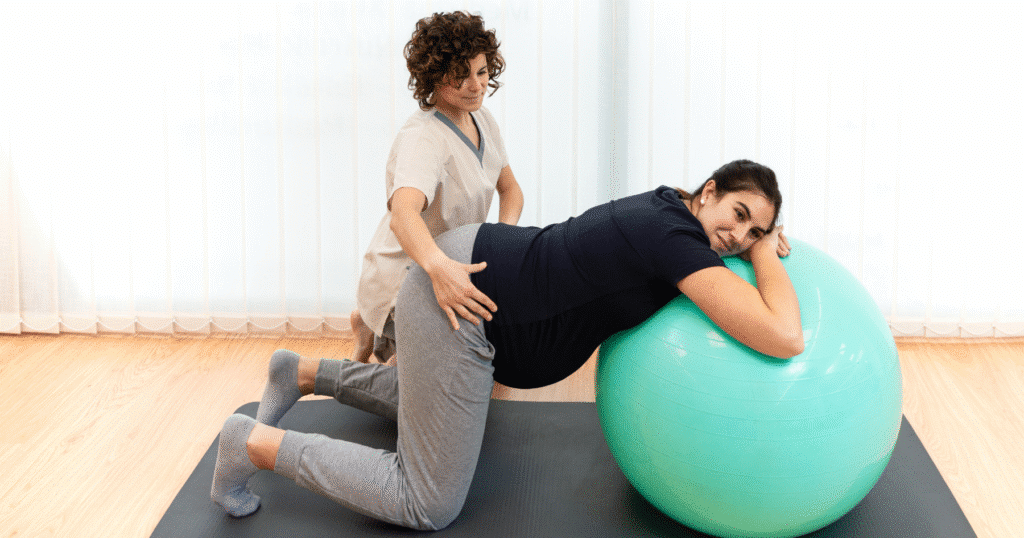
If movement on land feels uncomfortable or limiting, the pool can be a supportive place to start moving again. Water helps carry your weight, which can take some pressure off sensitive joints, while warmth encourages tight areas to loosen up. Add the gentle resistance of the water, and you’ve got a setting where your muscles can work without all the pounding that can come with traditional exercise.
Aquatic therapy sessions at Ivy Rehab are led by a licensed clinician who guides each exercise based on your needs and abilities. That one-on-one guidance is especially helpful after surgery, when pain is lingering, or when balance feels a little shaky, and you want a safer place to perform exercises.
Why Aquatic Therapy Is Effective for Recovery
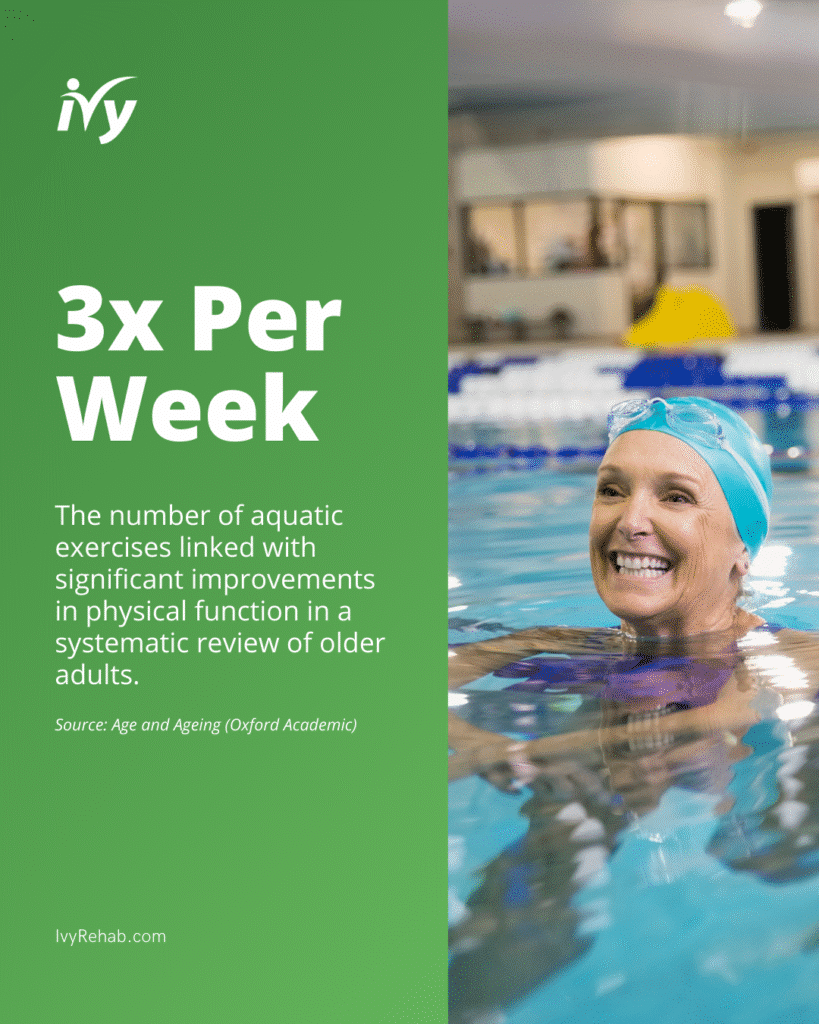
Water-based exercise has long been used to support joint health and manage arthritis. This is not casual pool exercise. Aquatic therapy uses the pool’s built-in advantages, like warmth, buoyancy, and resistance, with a clear plan and PT guidance to help you move more comfortably and confidently. Sessions are progressed step by step, with the goal of better functioning in real life.
Water changes how weight, balance, and muscle effort are shared throughout your body. For many people, that shift makes movement feel safer, more controlled, and more doable. It can be especially helpful early in recovery, when you’re rebuilding confidence and trying to string together steady wins that carry over to walking, stairs, and everyday routines.
Buoyancy Reduces Joint Pressure
Buoyancy is what sets pool-based rehabilitation apart from land-based exercise. As water depth increases, your body carries less weight, easing pressure through the spine, hips, knees, and ankles, while still keeping your muscles engaged. It’s a little like turning down the volume on joint stress while keeping the movement on.
Many people experience meaningful benefits, including:
- Smoother, more comfortable walking patterns.
- Less joint irritation during movements like squatting or stepping.
- Greater comfort when beginning early range-of-motion work.
By reducing strain without stopping movement, buoyancy can make therapy feel more manageable. This support is often really helpful after surgery, during arthritis flare-ups, or when back pain makes upright activity feel challenging.
Warm Water Can Ease Pain and Muscle Tension
Therapeutic pools are usually kept around 90-95°F, a range many people find soothing when joints feel stiff or movement feels limited. Warm water can increase blood flow, help muscles relax, and quiet that “everything feels tight” feeling, making it easier to get moving. Heat isn’t a magic wand, but it can make the whole process feel kinder, which often leads to more consistent practice.
Water Resistance Builds Strength at a Lower Impact
Water creates steady resistance in every direction, helping muscles work through full, supported movements while engaging multiple muscle groups. Instead of adding weights, a physical therapist adjusts speed, body position, or water depth to safely increase or decrease difficulty.
Aquatic therapy combines strength work with gentle cardiovascular exercise, helping build endurance without adding joint stress. It can support early strengthening after injury or surgery and help you stay active during painful flare-ups. For sensitive joints, water resistance offers a steady path back to the lifestyle you remember.
Slower Movement Improves Balance Control
The pool naturally slows movement, which can take the edge off fear and give you room to rebuild confidence. PTs use the built-in slow motion of water to help you practice balance with more comfort and control.
Practice may include:
- Weight shifts that improve stability.
- Single-leg control to support steadier steps.
- Stepping and directional changes that translate to daily movement.
Pool therapy sessions often move at a calmer pace, which can feel reassuring for people concerned about falling. With support from water depth, handholds, and pacing, patients can work toward safer balance and greater independence.
Safe PT-Approved Aquatic Therapy Exercises
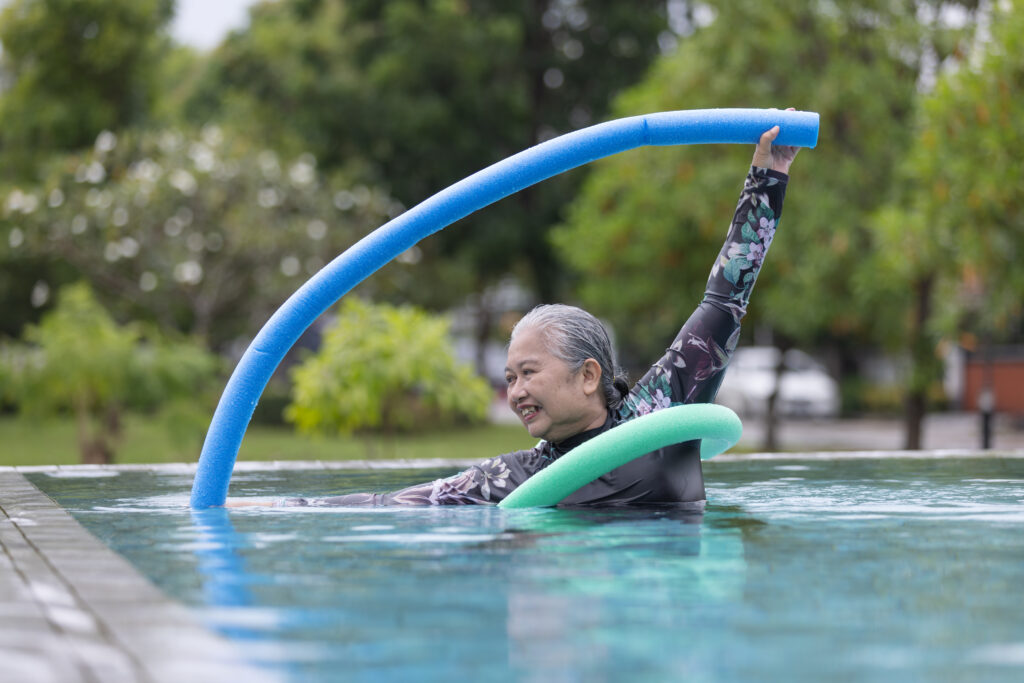
Before starting, take a moment to settle into the water and let your breathing slow. When your muscles feel more relaxed, begin gentle movement. After exercising, take a short cool-down lap or two before exiting.
These aquatic therapy exercises focus on mobility, strength, flexibility, and stability. Keep reps low at first. Listen to your body, using pain and fatigue as your guide to know when to slow down or stop. A PT can set up a plan that fits your body and your stage of healing.
1. Water Walking (Forward, Side, Backward)
Water walking is a simple start that trains gait, endurance, and hip control.
How to do it:
- Stand in chest-deep water near a wall or rail.
- Walk forward with a tall posture.
- Add side steps, then backward steps.
Tips:
- Keep steps short.
- Let your arms swing in a relaxed way.
- Add a rest break every 1-2 minutes early on.
If it feels easy, great. If it feels wobbly, also great. Either way, you’re practicing.
2. Supported Squats
Supported squats build lower-body strength with less load through the spine.
How to do it:
- Hold a rail.
- Feet hip-width apart.
- Sit back a few inches, then stand.
Tips:
- Keep knees tracking over toes.
- Stay in a pain-free range.
- Start with 6-8 reps.
Think smooth and controlled, not deep and dramatic.
3. Leg Lifts (Hip Flexion, Abduction, Extension)
These drills focus on strengthening and stabilizing the hips. They also support balance.
How to do it:
- Stand tall and hold the wall.
- Lift one leg forward (flexion), then back (extension).
- Lift out to the side (abduction).
Tips:
- Keep the trunk steady.
- Move slowly.
- Aim for smooth control, not height.
The goal is steadier hips for steadier steps.
4. Arm Resistance Sweeps
Upper-body work in the pool can strengthen the shoulders and upper back with gentle resistance.
How to do it:
- Stand in chest-deep water.
- Sweep your arms forward and back under the surface.
- Add side-to-side sweeps.
Options:
- Use open hands first.
- Add paddles later if a PT approves.
Keep your shoulders relaxed and let the water do what it does best. Push back.
5. Core Stabilization with Water Support
The goal is to achieve deep core activation through steady breathing.
How to do it:
- Stand with feet planted.
- Tighten lower abdominal muscles as if bracing for a cough.
- Hold 3-5 seconds, then relax.
Tips:
- Keep breathing.
- Avoid holding your breath.
- Add gentle marching later as balance improves.
If you feel a little wobble, that’s your stabilizers clocking in.
6. Heel-to-Toe Walking in Water
This drill helps coordination and balance.
How to do it:
- Walk along the wall.
- Place heel to toe with each step.
- Use light fingertip support as needed.
Tips:
- Move at a calm pace.
- Keep your eyes forward.
Remember that small steps will eventually lead to a big payoff.
7. Aquatic Step-Ups or Marching
This adds functional training for daily mobility.
How to do it:
- Use a pool step if available.
- Step up with one foot, then down.
- Switch sides.
No step available:
- March in place in chest-deep water.
Tips:
- Keep knees lifting in a comfortable range.
- Start with 30-45 seconds.
It’s the “stairs rehearsal” version, but with built-in support.
Conditions That Benefit from Aquatic Exercises
Water-based exercise can support people who need low-impact movement while helping them rebuild strength and comfort. The following are common reasons a PT may suggest aquatic therapy exercises:
- Arthritis and chronic joint pain, where buoyancy eases pressure and supports easier motion.
- Post-spine surgery rehab or ongoing back pain, when early movement matters.
- Hip or knee replacement recovery, helping people move sooner with less strain.
- Balance challenges or fall risk, where water allows steadier practice.
- Fibromyalgia or fatigue conditions, when gentle resistance supports consistency.
- Neurological conditions, such as multiple sclerosis or Parkinson’s, where supported movement builds control.
Low back pain deserves special mention. It affects many people’s daily lives. Aquatic therapy can help reduce strain, restore confidence in movement, and improve sleep.
Innovative Therapies for Complex Needs
Collaborative approach to ensure comprehensive care.
Safety Tips Before Starting Aquatic Therapy
Aquatic therapy is generally safe, especially when guided by a licensed physical therapist from Ivy Rehab who helps match your movements to your body and goals.
Before getting started:
- Make sure the incision has healed after surgery. Your therapist will follow the surgeon’s guidance before pool activity.
- Move slowly at first. Faster movement increases resistance and strain.
- Use handrails or supports as needed. Extra stability can build confidence.
- Stay hydrated. You still sweat in the pool, even if you don’t feel it.
- Listen to your body. Stop if sharp pain, numbness, or unusual symptoms appear.
With proper guidance and pacing, aquatic therapy can feel safe and encouraging as you return to movement.
How Ivy Rehab Guides Aquatic Therapy Programs
Aquatic therapy works best with a clear plan and close supervision, especially when comfort, safety, and confidence are at stake.
At Ivy Rehab, a physical therapist starts by evaluating how you move and how your body responds in water. Post-surgical care includes ensuring the incision has healed and coordinating with your referring clinician.
Therapy often begins with mobility-focused work, such as walking, gentle range-of-motion exercises, and basic core control. These early movements help motion feel easier and more natural in the pool. As comfort improves, sessions may shift toward strength-building activities. Squats, step-ups, and arm or leg resistance work are added gradually, allowing muscles to work without added strain.
Over time, therapy begins to include more functional movement. Balance work, gait training, and return-to-activity tasks help prepare the body for everyday movement, with supports used as needed.
When to See a PT for Water-Based Rehab
If land-based exercise causes sudden increases in pain or stiffness, it may be time to talk with a physical therapist. When discomfort limits walking, climbing stairs, sleeping, or confidence in movement, progress can start to feel out of reach.
A physical therapist can help figure out if water-based PT exercises make sense for your body right now. That decision is guided by how you’re moving, what feels limiting, and the goals that matter most to you.
If the pool isn’t the right fit at this stage, your physical therapist can recommend other options that still support safe movement and steady progress.

Your Comeback Plan: Low-Impact, High-Confidence
Aquatic therapy exercises can support recovery with warmth, buoyancy, and gentle resistance. For many people, the pool makes movement possible again. With guidance, you can build strength, regain mobility, and return to the activities you miss.
If you want a safe place to start, find your nearest Ivy Rehab clinic and schedule a consultation. We can help you explore hydrotherapy exercises for rehab, set clear goals, and progress at a pace your body can handle.
References
- Mayo Clinic Health System. “Aquatic Exercise: Gentle on Your Bones, Joints and Muscles.” 2015. Accessed Dec. 26, 2025. https://www.mayoclinichealthsystem.org/hometown-health/speaking-of-health/aquatic-exercise-gentle-on-your-bones-joints-and-muscles
- APTA Pennsylvania. “Aquatic Physical Therapy: The Science Behind the Water.” 2023. Accessed Dec. 26, 2025. https://ppsapta.org/blog/marketing/aquatic-physical-therapy-science-behind-water
- Encyclopaedia Britannica. “Why Does Heat Relax Your Muscles?” Updated 2024. Accessed Dec. 26, 2025. https://www.britannica.com/story/why-does-heat-relax-your-muscles

Before you go
Find the right therapy today.
Discover how Ivy Rehab can help you get back to doing what you love.