


If your body feels stiff before you even start moving, your warm-up may be missing something. How you prepare for activity can determine how well—and how safely—you move.
Limited mobility does more than feel frustrating. It can quietly increase your risk of injury. And stretching the wrong way, at the wrong time, can sometimes do more harm than good.
Dynamic stretching prepares your body to move safely before activity. It is intentional, controlled, and rooted in how your body is actually designed to move.
Our physical therapists build warm-up routines that support efficient, confident movement at any age. The goal is simple: help you move well, feel ready, and keep doing what you love.
What Is Dynamic Stretching?
Dynamic stretching involves controlled, active movements to gradually improve the full range of motion. Instead of holding a position and waiting it out, you move through it.
This approach focuses on motion rather than static holds. The exercises often mirror real-life or sport-specific movements, which means your warm-up actually looks like what you are about to do.
Dynamic stretching uses progressive, controlled movements to increase mobility while preparing muscles and joints for activity. Think of it as a conversation with your body, not a tug-of-war. Each repetition guides the hamstrings, upper body, and other key muscle groups through their full range of motion.
Dynamic Stretching vs Static Stretching
Both types of stretching have value. The key is knowing when to use each.
Dynamic stretching is most effective before activity because it increases circulation and prepares tissues for movement.
Static stretching, on the other hand, involves holding a position for 20 to 60 seconds and is typically better suited for after exercise. While it may reduce force output if performed immediately before intense activity, it remains a valuable tool for improving flexibility and range over time.
Research suggests dynamic warm-ups can enhance performance and reduce muscle stiffness before activity. That preparation plays an important role in warm-up exercises for injury prevention. Stretching may also help prevent overuse strain by priming tissues before repeated demands are placed on them.
In other words, if you are about to move, your warm-up should move too.
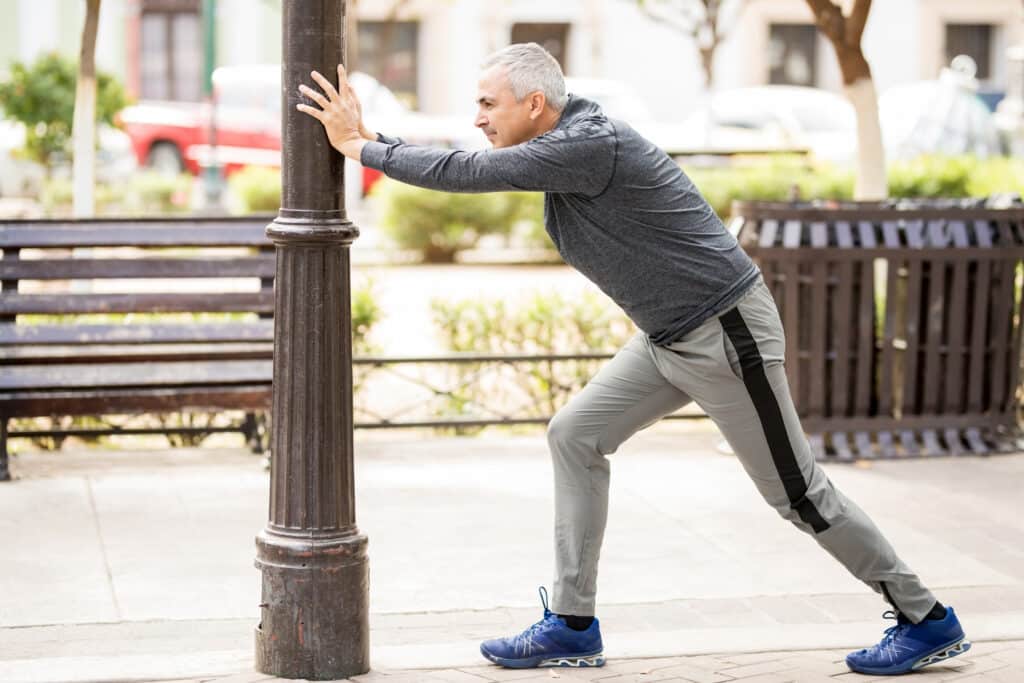
Why Dynamic Stretching Improves Mobility Without Pain
Movement stimulates circulation and can increase muscle temperature. Increased blood flow delivers oxygen and nutrients to working muscles.
As muscles warm, joints move more smoothly. Synovial fluid within the joints increases, improving lubrication and comfort.
Dynamic stretching also reduces muscle guarding, which is your body’s protective tightening response. By moving within comfortable ranges, you improve flexibility and mobility without forcing tissue beyond its tolerance.
That gradual, respectful approach may help you build mobility while minimizing flare-ups. Progress should feel productive, not punishing.

The Role of PT in Dynamic Stretching Programs
Not every stretch is right for every person. That is where physical therapy makes the difference.
A physical therapist ensures that dynamic stretching aligns with your body, your goals, and your activity level. We are not just picking exercises. We are solving movement problems.
Movement Assessment
Your PT evaluates joint mobility, strength, balance, and movement quality. This assessment highlights stiffness, asymmetries, or compensations that may increase injury risk.
That insight guides the selection of targeted warm-up exercises for injury prevention.
Exercise Selection and Progression
A runner’s warm-up should not look like a swimmer’s. Someone returning from injury needs a different starting point than a seasoned athlete.
Exercises are chosen with purpose. Progression happens gradually, increasing range and intensity only when your body shows it is ready. Done consistently, this approach can help improve both tissue resilience and overall movement quality over time.
That patience is not holding you back. It is what keeps you moving forward.
Technique and Control
Form matters. Poor mechanics can shift stress to the wrong structures, defeating the purpose of a warm-up.
Physical therapists cue posture, alignment, and control to prevent over-stretching or compensation patterns. This attention to detail makes dynamic stretching both safe and effective.
It is not about doing more. It is about doing it well.

PT-Recommended Dynamic Stretching Exercises
These examples are commonly included in PT-guided mobility programs. Each can be adjusted based on age, ability, and goals.
Leg Swings (Front and Side)
Leg swings improve hip and hamstring mobility and prepare the lower body for walking, running, or lifting.
Stand tall—or stand on one leg for a balance challenge—and gently swing one leg back and forward, then side to side. Keep the motion controlled and smooth. If you feel like you are kicking down a door, dial it back.
Walking Lunges With Rotation
Walking lunges activate the hips, glutes, and core. As you step forward, keep your torso upright to maintain a tall spine. Adding trunk rotation to the movement promotes spinal mobility and coordination and creates a stretch in the back and lateral hips.
This movement prepares your body for multi-directional activity, which is how most sports and daily tasks actually happen.
Arm Circles and Shoulder Rolls
Upper-body stiffness can limit performance and increase strain.
Controlled arm circles and shoulder rolls improve circulation and mobility in the shoulders and upper back. Try reaching one arm overhead and gently leaning forward slightly to open the shoulder and upper back further. Start small, then gradually increase the range as your body warms up.
High Knees or Marching Drills
Marching or controlled high knees activate the hip flexors and improve coordination.
This movement gently increases heart rate while reinforcing proper mechanics. Think tall posture and steady rhythm.
Ankle and Calf Dynamic Movements
Ankle mobility influences balance, alignment, and force absorption.
Controlled calf raises and ankle rocks prepare the lower leg for impact and support warm-up exercises to help prevent injury.
A focused warm-up often takes just 5 to 10 minutes, but those minutes can shape the rest of your workout. Building this into your exercise routine—whether it is part of a structured fitness routine or a regular training cycle—ensures the habit sticks and the benefits compound.
Dynamic Warm-Up Exercises for Injury Prevention
A proper warm-up does more than increase body temperature. It prepares tissues for load, speed, and coordination.
Effective warm-up exercises for injury prevention:
- Prepare muscles for force production.
- Improve coordination and reaction time.
- Reduce sudden stress on joints and tendons.
When performed consistently, dynamic stretching supports smoother movement patterns and reduces unnecessary strain. Over time, that consistency builds resilience. It may help improve overall joint mobility and help prevent the compensatory movement patterns that often lead to chronic overuse injuries.
Who Benefits Most From Dynamic Stretching?
Mobility needs evolve with age and activity level. The encouraging news is that dynamic stretching can be adapted for nearly anyone.
It is especially helpful for:
- Athletes and runners.
- Gym-goers and fitness enthusiasts.
- Individuals returning from injury.
- Adults experiencing morning or activity-related stiffness.
Research supports structured warm-ups as part of injury reduction programs in athletic populations. Preparation is not optional if you want longevity. It is foundational.
When to Avoid or Modify Dynamic Stretching
While generally safe, some situations require caution and guidance.
Dynamic movements may need modification for:
- Acute injuries with significant swelling.
- Post-surgical restrictions.
- Severe pain during motion.
Working with a physical therapist ensures your exercises align with healing timelines and medical guidance. The right progression respects both your goals and your recovery.
Optimize Your Athletic Performance
Our therapists specialize in helping athletes of all levels return to peak condition.
Why Choose Ivy Rehab for Mobility and Injury Prevention
Effective mobility work is not random. It is purposeful and individualized.
At Ivy Rehab Therapy, we build personalized warm-up and mobility programs grounded in movement science and clinical expertise. Our focus is always on safe, confident progression.
We emphasize:
- PT-led mobility and warm-up programs.
- Individualized exercise selection.
- Safe progression based on tolerance and goals.
- A proactive, injury-prevention mindset.
Our mission is to help you move with confidence, whether you are training for competition, chasing your kids around the yard, or simply wanting to feel better getting out of a chair.
A Smarter Warm-Up Starts With Dynamic Movement
Dynamic stretching improves mobility without pain when it is performed with control and intention. Progressive movement prepares your body for activity and reduces unnecessary strain.
With guidance from a physical therapist, you can build effective warm-up exercises for injury prevention that support long-term strength, mobility, and confidence.
If stiffness is holding you back, you do not have to push through it alone. The right plan makes movement feel possible again. Find an Ivy Rehab location near you to get started with a personalized mobility and injury‑prevention plan.
References
- Behm, D.G., et al. (2016). Acute effects of muscle stretching on physical performance. Applied Physiology, Nutrition, and Metabolism. https://pubmed.ncbi.nlm.nih.gov/26642915/
- Davis, A.C., et al. (2021). The effectiveness of neuromuscular warmups for lower extremity injury prevention in basketball: A systematic review. Sports Medicine – Open, 7(1), 67. https://pubmed.ncbi.nlm.nih.gov/34529179/

Before you go
Find the right therapy today.
Discover how Ivy Rehab can help you get back to doing what you love.