
Surgery is a big milestone, but it is not the finish line. It is the turning point.
What happens next matters just as much as the procedure itself. Safe, guided movement after surgery helps protect your repair, regain strength, and get you back to living your life.
Physical therapy after surgery bridges the gap between the operating room and real life. It rebuilds strength, restores mobility, and, just as importantly, rebuilds confidence. Ivy Rehab’s approach to post-surgical rehab is structured, personalized, and focused on helping you move forward with clarity and momentum.
Why Physical Therapy Is Important After Surgery
Healing does not end when the incision closes. After surgery, your body has to relearn how to move efficiently and safely.
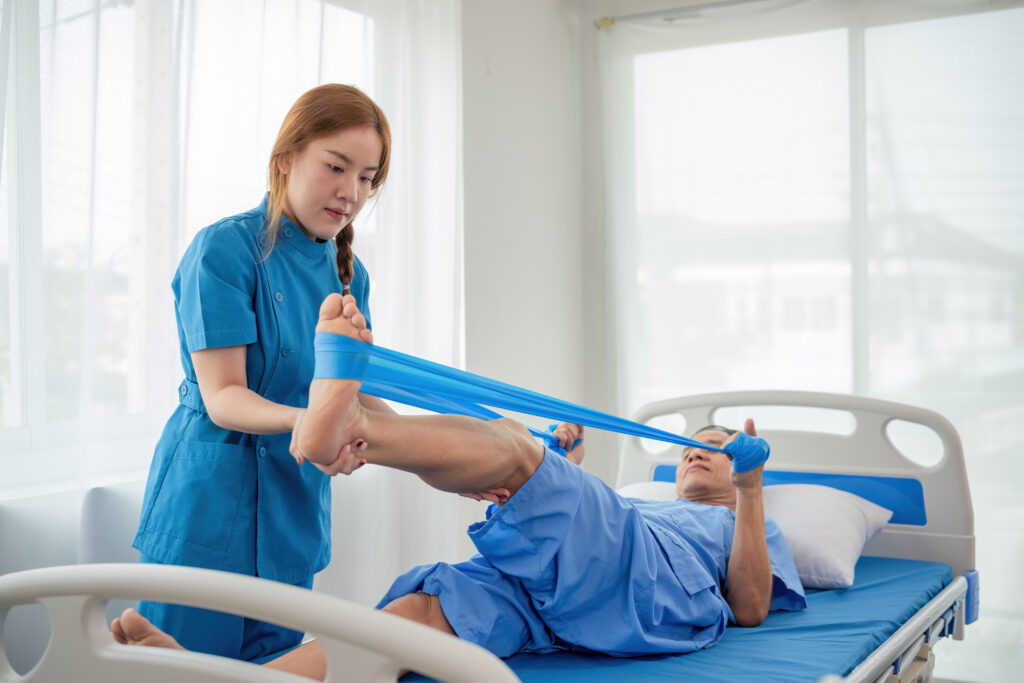
Physical therapy after surgery restores strength and mobility while protecting healing tissues. Physical therapy helps reduce stiffness, manage swelling, and improve circulation so your body can do what it was designed to do: recover.
Post-operative physical therapy ensures your recovery is guided, safe, and aligned with the specific demands of your procedure.
Without structured movement, it is easy to develop compensations. You might shift your weight differently, avoid bending a joint, or rely too heavily on the other side of your body. Those small adjustments add up, and over time, they can create new pain or strain.
A thoughtful rehab plan keeps your recovery process moving with purpose. It supports safe recovery after surgery and helps you return to daily activities sooner, stronger, and with greater confidence.
What Is Post-Surgical Rehabilitation?
Post-surgical rehab is a structured physical therapy program designed to guide recovery after a procedure. It is customized to both the surgery performed and the individual patient, because no two recoveries are exactly alike.
Every surgical repair follows biological healing timelines. Muscles, tendons, ligaments, and bone all heal at different rates. Rehabilitation progresses in phases that respect those timelines while gradually restoring function.
The focus is not just pain relief. It is rebuilding strength, restoring range of motion and normal movement patterns, improving endurance, and preparing you for real-life demands, whether that means climbing stairs, lifting a grandchild, or getting back on the field.
Common Surgeries That Benefit From Physical Therapy
Many orthopedic and general surgeries benefit from structured rehabilitation. Even routine procedures often require careful, guided progression.
Surgeries that commonly require physical therapy after surgery include:
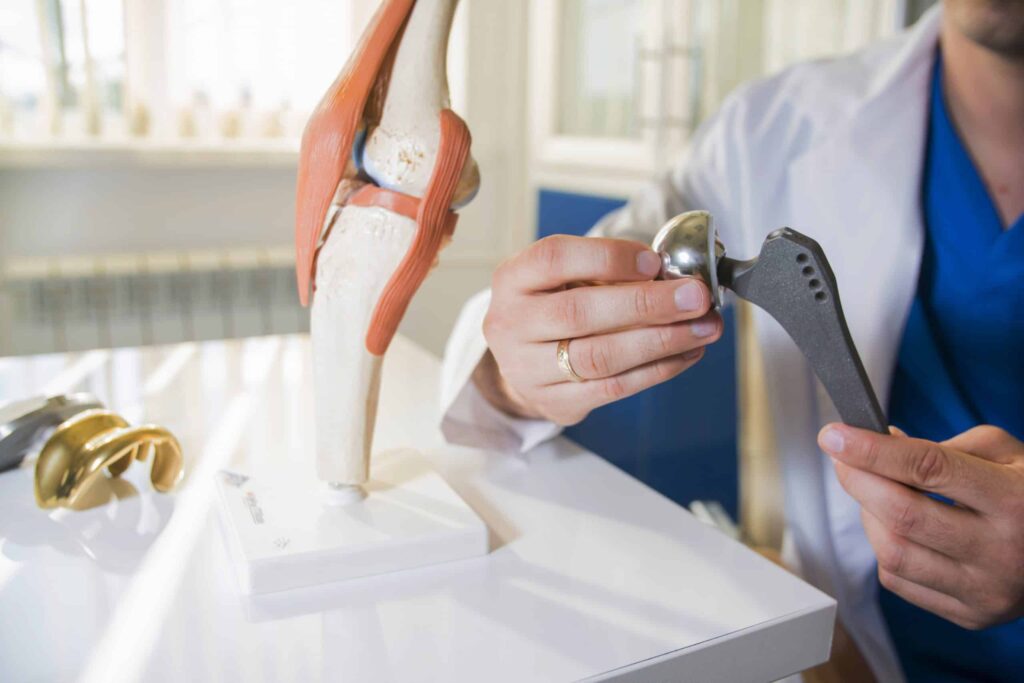
- Joint replacement, including hip, knee, and shoulder replacements.
- Sports procedures such as anterior cruciate ligament (ACL) reconstruction, rotator cuff repair, and meniscus surgery.
- Spine procedures, including decompression or fusion surgeries.
- Fracture repair with internal fixation.
- Tendon and ligament repairs.
Rehabilitation is not an optional extra. Research supports it as a key factor in improving functional outcomes after orthopedic procedures. When the goal is long-term success, structured movement is part of the plan.
Phases of Physical Therapy After Surgery
Recovery happens in stages. Each phase of post-surgical rehab has specific goals aligned with tissue healing and functional progression. Think of it as building a house. You would not put up the roof before the foundation is set.
Early Recovery Phase
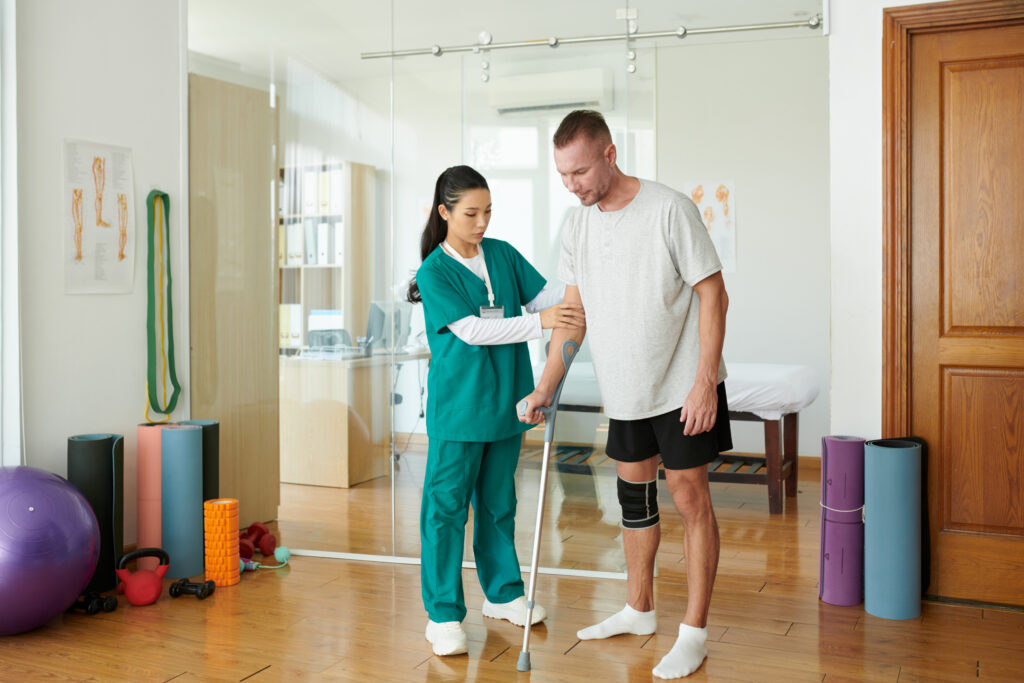
The early phase focuses on protection and gentle activation. Swelling management and pain control are priorities, but complete rest is rarely the answer.
This stage often includes:
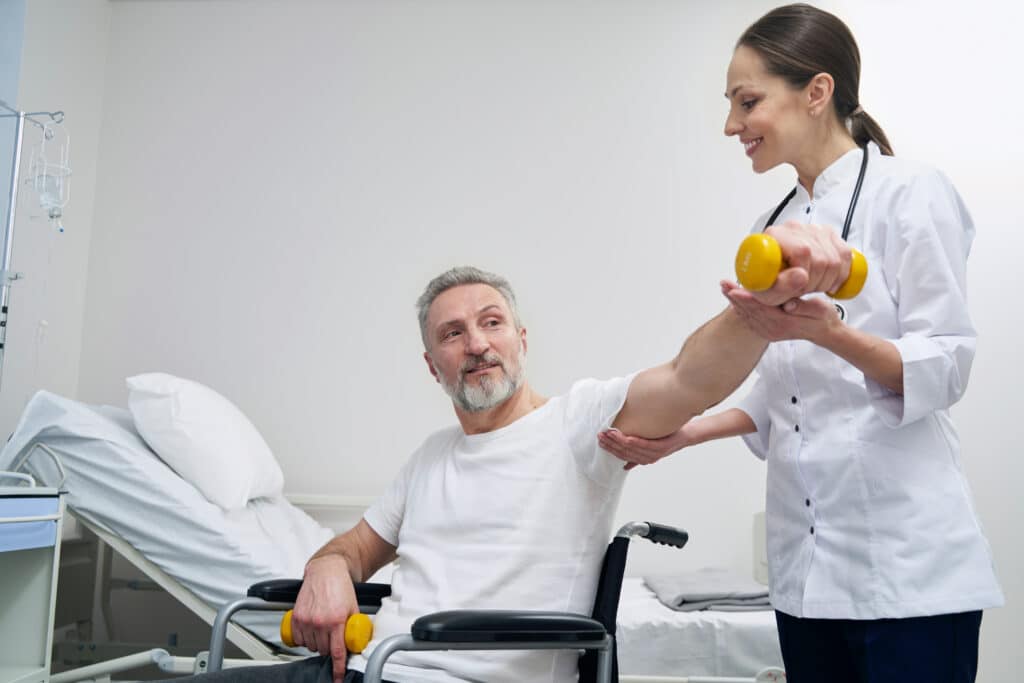
- Gentle range-of-motion exercises.
- Safe mobility training, such as walking or practicing transfers.
- Education on positioning and incision protection.
Early movement also helps prevent scar tissue from forming, which can otherwise restrict mobility and slow recovery.
Early guidance promotes circulation, reduces the risk of blood clots and stiffness, and supports safe recovery after surgery. Small, strategic movements now set the stage for bigger gains later.
Strength and Stability Phase
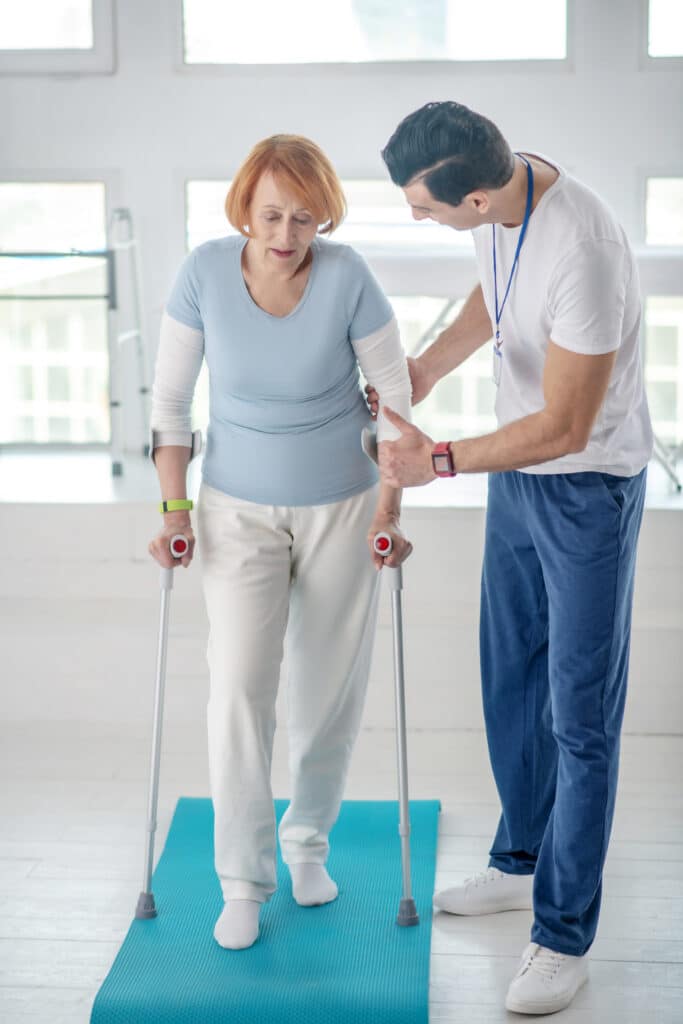
As healing progresses, strengthening becomes more structured. The focus shifts to rebuilding muscle support, joint stability, and coordination.
Exercises become progressively challenging while remaining controlled and intentional. Balance training and neuromuscular re-education help improve balance and restore smooth, efficient movement patterns.
Progressive strengthening has been shown to improve outcomes after joint replacement and ligament repair surgeries. This phase is where patients often begin to feel real momentum, not just improvement, but capability.
Functional and Return-to-Activity Phase
The final phase centers on real-life movement. This includes preparing for walking longer distances, climbing stairs, lifting, returning to work, or resuming sport-specific activities.
Task-specific training bridges the gap between clinic exercises and everyday demands. Injury prevention strategies are introduced to reduce future risk and protect your investment in recovery.
This phase ensures physical therapy after surgery supports long-term success, not just short-term progress. The goal is not simply to finish rehab. It is to return to life with strength and confidence.
How PT Helps You Recover From Surgery Safely
Healing tissues require the right amount of stress. Too little movement can lead to stiffness and weakness. Too much, too soon, can irritate healing structures and delay progress.
A physical therapist monitors your progress closely and adjusts exercises based on your symptoms, healing stage, and goals. This structured progression is essential for a safe recovery after surgery.
Physical therapy also provides:
- Ongoing assessment of healing and tolerance.
- Adjustments to exercises based on pain, swelling, and performance.
- Education on posture and safe body mechanics.
- Confidence-building milestones throughout recovery.
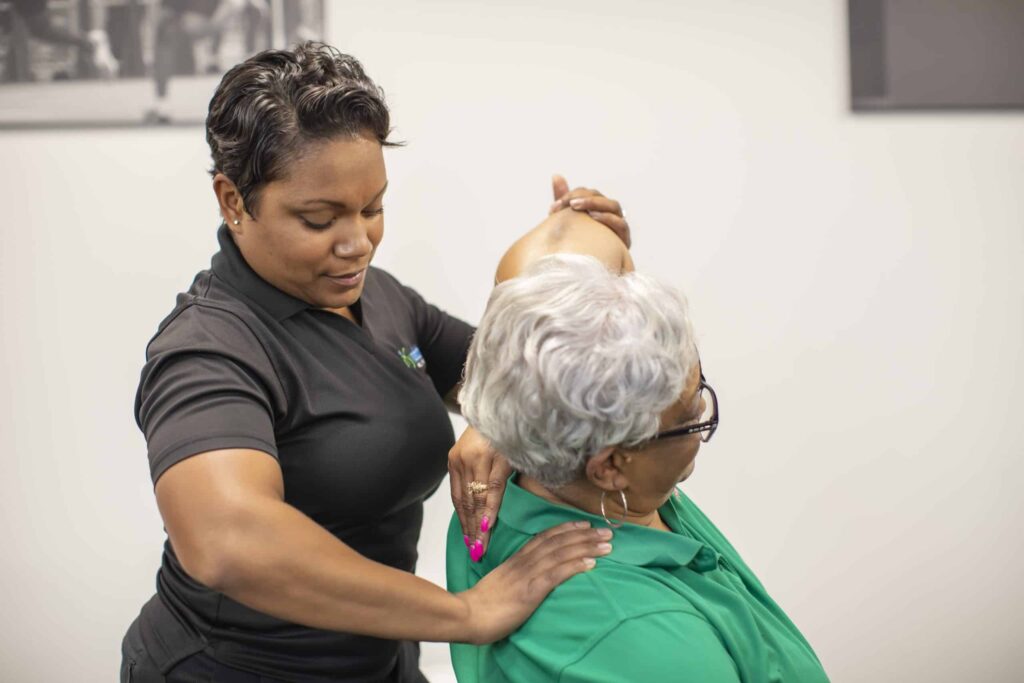
Manual therapy techniques reduce pain, improve joint mobility, and support tissue healing throughout your recovery.
Clinical guidelines emphasize supervised rehabilitation to reduce complications and improve long-term function after surgery. In other words, guidance matters.
Your Journey to Recovery Starts Here
Experience tailored physical therapy programs designed to alleviate pain and restore function.
What to Expect During Post-Surgical PT at Ivy Rehab
At Ivy Rehab Therapy, post-surgical rehab is personal, hands-on, and goal-focused.
You can expect:
- One-on-one sessions with a licensed physical therapist.
- A customized treatment plan based on your procedure, your health history, and your goals.
- Communication with your surgeon when appropriate.
- Clear progression milestones so you always know what comes next.
We believe patients do best when they feel informed, supported, and actively involved in their recovery. You will not be left guessing. You will have a plan.
Risks of Skipping or Delaying Post-Surgical Rehab
It can be tempting to “take it easy” and hope time does the work. While rest has its place, avoiding structured rehab can slow recovery and limit outcomes.
Without guided physical therapy after surgery, patients may experience:
- Prolonged stiffness and weakness.
- Increased risk of re-injury or surgical failure.
- Poor movement patterns that strain other joints.
- Difficulty returning to normal daily activities.
Early and consistent post-surgical rehab improves strength, mobility, and overall function. Recovery is rarely about doing more. It is about doing the right things at the right time.
When to Start Physical Therapy After Surgery
The timing of beginning physical therapy after surgery depends on the procedure and your surgeon’s recommendations.
Physical therapy may begin within days of surgery, particularly after joint replacement. Other procedures require a brief protection phase before starting formal therapy.
In most cases, early guidance improves mobility and reduces complications. Starting at the appropriate time supports smoother, safer progression and helps you build confidence from the start.
Why Choose Ivy Rehab for Post-Surgical Rehab
Recovery requires expertise, patience, and a clear plan.
Ivy Rehab Therapy focuses on safe, evidence-based rehabilitation that prioritizes long-term outcomes. Our physical therapists lead your care and guide every progression decision with clinical judgment and experience.
We emphasize:
- Personalized treatment plans based on healing timelines and personal goals.
- Patient-centered care with clear communication.
- Evidence-based protocols grounded in current research.
- A long-term mindset focused on durable, sustainable results.
Our goal is simple. Help you move with confidence again, and help you stay there.
Your Comeback Starts With the Right Recovery Plan
Physical therapy after surgery is essential for safe recovery and long-term success. Surgery addresses the structural issue. Rehabilitation restores movement, strength, coordination, and confidence.
With structured post-surgical rehab, guided progression, and expert support, you can focus on recovering from surgery safely and returning to the activities that matter most.
If you are preparing for surgery or already on the road to recovery, know that you do not have to navigate it alone. Find a location near you and learn how guided rehabilitation can support every stage of healing.
References
- Artz, N., et al. (2015). Effectiveness of physiotherapy exercise following total knee replacement: systematic review and meta-analysis. BMC Musculoskeletal Disorders, 16, 15. https://pubmed.ncbi.nlm.nih.gov/25886975/.
- Adams, D., et al. (2012). Current concepts for anterior cruciate ligament reconstruction: a criterion-based rehabilitation progression. Journal of Orthopaedic & Sports Physical Therapy, 42(7), 601–614. https://pubmed.ncbi.nlm.nih.gov/22402434/.

Before you go
Find the right therapy today.
Discover how Ivy Rehab can help you get back to doing what you love.