
ACL Rehab
An ACL injury can interrupt sports, workouts, your job, and your everyday routine. Whether you had ACL reconstruction surgery or your doctor recommended nonsurgical rehab for an ACL injury, physical therapy can help you rebuild strength, stability, and confidence step by step.
What Is ACL Rehab?
ACL rehab is physical therapy for an anterior cruciate ligament (ACL) injury. The ACL helps stabilize the knee during movements such as pivoting, cutting, jumping, stopping, and changing direction.
When the ACL is sprained or torn, your knee may feel painful, unstable, swollen, or hard to trust. ACL rehab helps you rebuild strength, restore movement, improve stability, and support a safe return to daily activities after surgery or as part of a nonsurgical plan.
Your plan may also look beyond the knee. It may include work on range of motion, leg strength, hip control, balance, coordination, and movement patterns that support safer activity.
ACL Rehab at Ivy Rehab Therapy
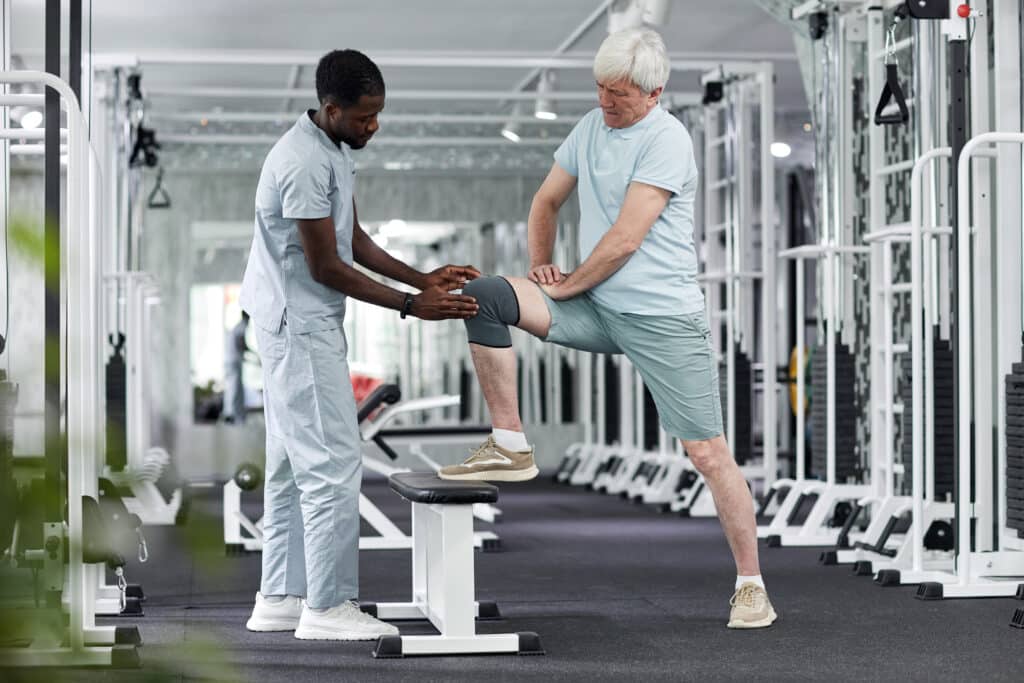
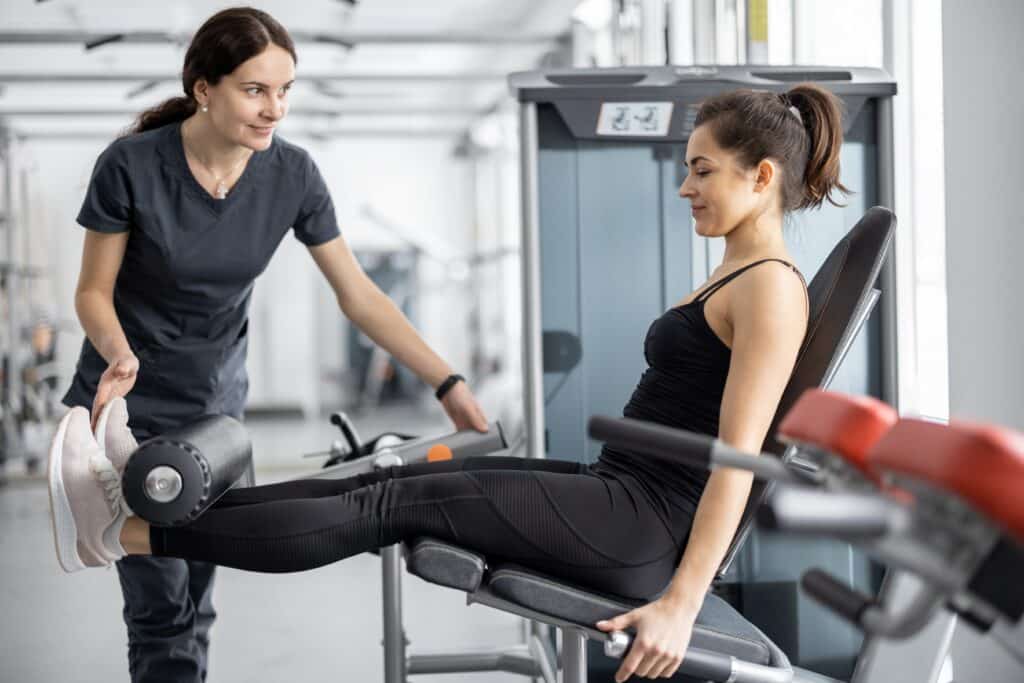
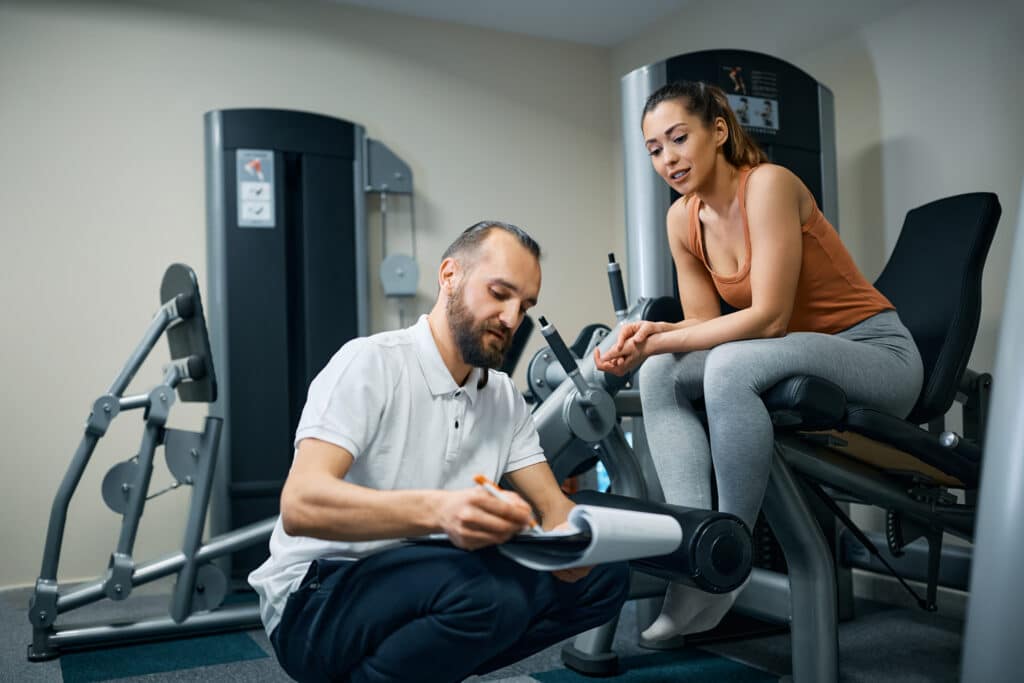
Your physical therapist uses information about your surgery, symptoms, strength, movement, and goals to guide each stage of care. Early visits may focus on swelling, knee motion, and walking. Later visits may add strength training, running progressions, agility work, and return-to-sport testing.
We also coordinate with your surgeon or sports medicine team when needed. This helps keep your therapy aligned with your procedure, activity level, and return-to-play goals.
Who Can Benefit from ACL Rehab?
ACL rehab may help people recovering from an ACL injury or ACL reconstruction surgery. It supports return to sport, daily movement, work, stairs, and other routines that matter to you.
ACL rehab may be the right fit if you:
- Recently had ACL reconstruction surgery.
- Have a partial ACL tear and are following a nonsurgical rehab plan.
- Were cleared by your surgeon or physician to begin physical therapy.
- Want to return to sports that involve running, jumping, cutting, or pivoting.
- Feel knee weakness, stiffness, or instability after an ACL injury.
- Want to lower the risk of reinjury by improving strength, control, and movement.
Your goals shape the rehabilitation program, whether that means soccer, hiking, work, stairs, or playing with your kids.
Our ACL Rehab Services
Post-operative ACL Rehabilitation
After ACL reconstruction surgery, therapy follows your surgeon’s guidance and your stage of healing. Early care protects the healing graft and restores knee motion. As your knee improves, the plan progresses to strength, balance, walking mechanics, and functional training.
Nonsurgical ACL Rehabilitation
Not every ACL injury requires surgery. If your doctor recommends nonsurgical care, physical therapy can help improve strength, stability, and confidence with daily activity.
Your plan may focus on quadriceps and hamstring strength, hip stability, balance, and movement control, with activity guidance based on your knee and functional goals.
Return-to-Sport Training
Going back to playing sports after an ACL injury takes more than feeling better. Your knee needs strength, control, and the ability to handle sport-specific movement.
Your physical therapist may include running progressions, jumping and landing drills, agility work, deceleration, cutting mechanics, single-leg strengthening, and hop testing to help gauge readiness.
Common ACL Rehab Exercises
Exercises change as your knee heals. Common ACL rehab exercises may include:
- Heel slides to improve knee motion.
- Quad sets and straight leg raises to activate the thigh muscles.
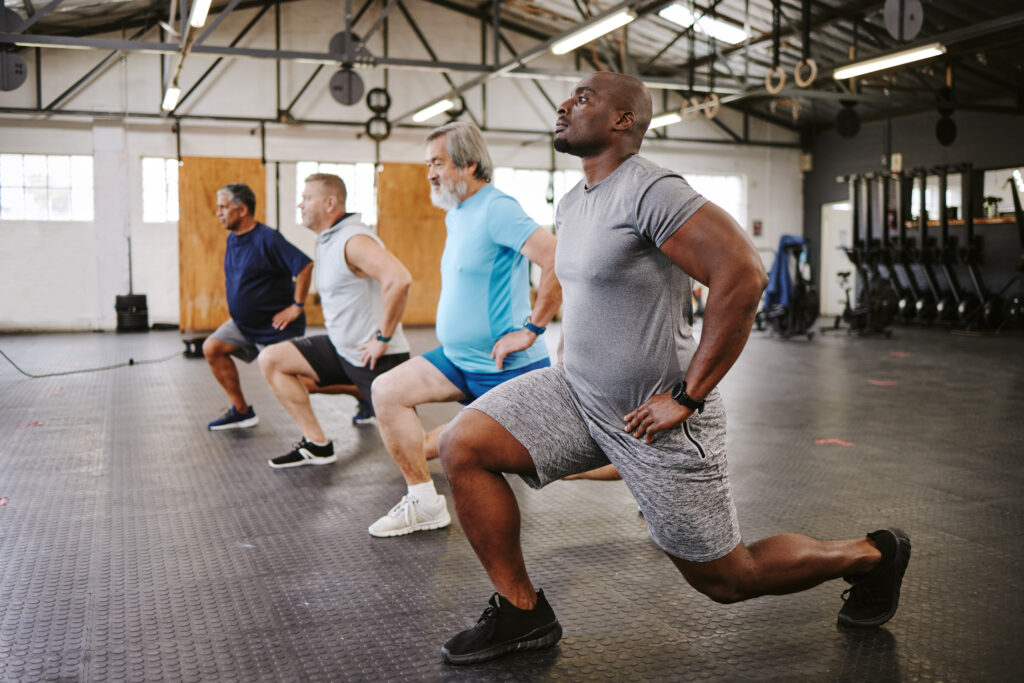
- Step-ups, lunges, and leg press to rebuild strength.
- Balance and single-leg exercises to improve control.
- Jumping, landing, and agility drills for return-to-sport training.
Your physical therapist will adjust each exercise to match your stage of healing and goals.
Your ACL Rehab, Phase by Phase
Every timeline is different. Your surgeon’s guidance, injury, graft type, swelling, strength, and goals all affect your pace.
Phase 1: Early Recovery and Knee Motion
Early ACL rehab focuses on controlling swelling, managing pain, promoting safe walking, and improving knee motion, especially full knee extension. You may work on heel slides, quad sets, straight-leg raises, gentle mobility, and safe weight-bearing.
Phase 2: Strength, Balance, and Control
Once swelling improves, therapy shifts toward leg strength, balance, hip control, and proprioception, which is your body’s ability to sense where your knee is in space.
Exercises may include step-ups, leg press, bridges, hamstring curls, lunges, and single-leg work.
Phase 3: Running, Agility, and Return to Sport
The later phase prepares your body for higher-level activity with running progressions, jumping and landing drills, agility work, and sport-specific movement.
Return to sport is usually based on strength and movement milestones. A study published in the British Journal of Sports Medicine found that waiting at least nine months after ACL reconstruction and restoring strong, symmetrical movement may reduce the risk of reinjury.
FAQs
Can Physical Therapy Help Without ACL Surgery?
For some people, yes. A nonsurgical rehab plan may help restore knee function and improve control. Whether surgery is needed depends on the injury, knee stability, activity level, and your goals.
How Long Does ACL Rehab Take?
Timelines vary by injury, surgery type, graft type, goals, and how your knee responds. Many people need several months of rehab, and returning to higher-demand sports often takes nine to 12 months or longer.
What Exercises Are Done During ACL Rehab?
Exercises are added in phases. Early exercises may include quad sets, heel slides, straight leg raises, and walking practice. Later work may include step-ups, lunges, leg press, balance work, running, jumping, and sport-specific drills.
When Can I Start Physical Therapy After ACL Surgery?
Many people start post-operative physical therapy within the first week after ACL reconstruction. Timing depends on your procedure, symptoms, and your surgeon’s guidance. Starting early can help control swelling and restore knee motion.
Will I Need Hop Testing Before Returning to Sport?
If your goal is returning to sport, your physical therapist may do hop testing or other functional tests. These tests compare strength, power, landing control, and confidence between legs to guide return-to-sport decisions.

Take the first step toward relief.
You don’t have to live with back pain. Ivy Rehab’s expert team is ready to help you move better, feel stronger, and enjoy life without limitations. Schedule an appointment today for the best treatment for back pain.