The start of a new school year can bring big feelings for children and parents alike. There’s the excitement of fresh backpacks, new teachers, and sharpened pencils, along with some nervousness about new routines, new classmates, and the first day of school.
While families often focus on school supplies, schedules, and first-day outfits, school success depends on much more than having enough glue sticks. Children also need developmental skills that help them learn, participate, stay regulated, and move through daily routines with growing independence.
Occupational therapy for school readiness helps children build the everyday skills they need to feel more confident in the classroom. Occupational therapists support attention, self-regulation, independence, fine motor development, social participation, and classroom engagement.
Whether your child is starting preschool, heading into kindergarten, or returning to a familiar classroom with a brand-new pencil case, understanding the foundations of school readiness can help make the transition smoother.
What Does School Readiness Really Mean?
School readiness means much more than recognizing letters, numbers, and colors. Those skills matter, of course, but a successful school day also asks a lot from a child’s body, brain, and emotions.
Children benefit from a mix of physical, emotional, social, sensory, and cognitive skills that help them participate throughout the day.
Important school-readiness skills include:
- Following routines and transitions.
- Managing emotions and frustration.
- Maintaining attention during activities.
- Participating with peers.
- Completing self-care tasks independently.
- Using fine motor skills for classroom work.
- Regulating sensory input in busy environments.
Every child develops these abilities at their own pace. Some children may have strong academic skills but need support with organization, attention, or emotional regulation. Others may benefit from strengthening motor or sensory skills before classroom expectations increase.
How Occupational Therapy for School Readiness Helps Children Thrive
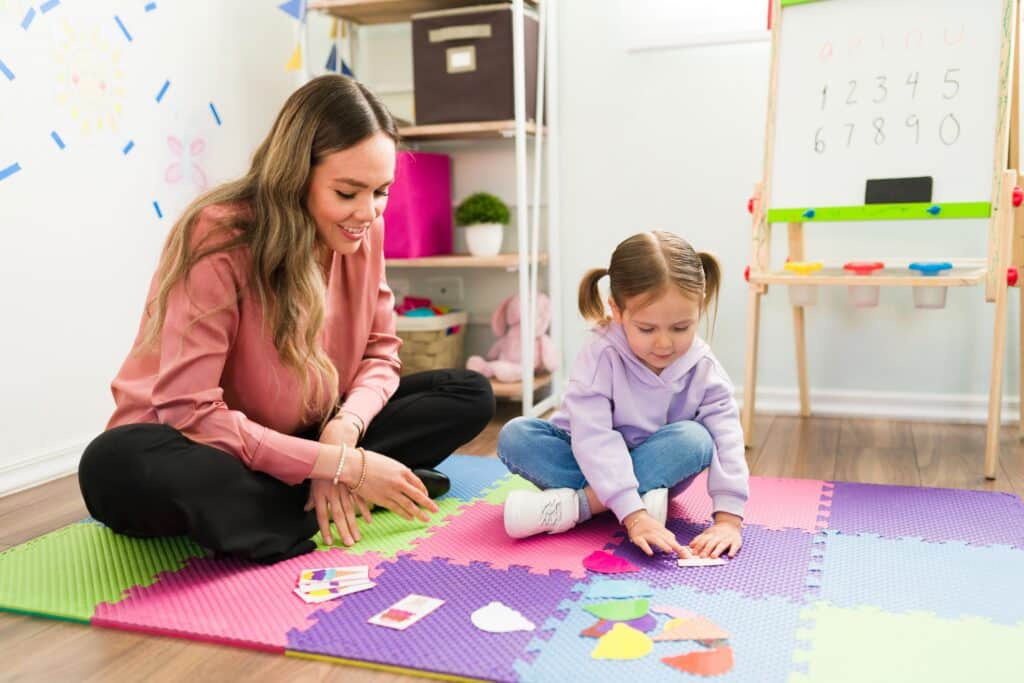
Occupational therapists look at how children participate in everyday activities and identify ways to strengthen the skills that support learning, independence, and confidence. In pediatric occupational therapy, the “occupation” is childhood itself: playing, learning, making friends, joining routines, and slowly taking on more of the little things that make kids feel capable.
Occupational therapy for school readiness focuses on foundational skills that help children participate successfully in classroom routines and activities.
Here are some of the key areas occupational therapists support:
Self-Regulation
Throughout the school day, children face plenty of moments that require patience, flexibility, and emotional control. That’s a tall order when you’re tired, hungry, overwhelmed, or deeply committed to using the purple marker before anyone else gets it.
Occupational therapists help children self-regulate by recognizing emotions, managing frustration, and responding to challenges in healthy ways. These skills can make transitions, group activities, and classroom expectations feel more manageable.
Executive Functioning
Executive functioning skills help children plan, organize, remember information, complete tasks, and solve problems. These skills support classroom participation and continue developing throughout childhood.
Research indicates that executive functioning skills are closely connected to academic performance, organization, and independence. Strengthening these abilities can help children navigate classroom expectations more effectively.
Attention and Organization
Some children have difficulty staying focused, following directions, or moving between activities. Occupational therapists can teach strategies that improve attention and participation during daily routines.
This may include using visual supports, breaking tasks into smaller steps, creating predictable routines, or practicing ways to organize materials. Small shifts can make a big difference, especially when the school day moves quickly.
Motor Planning
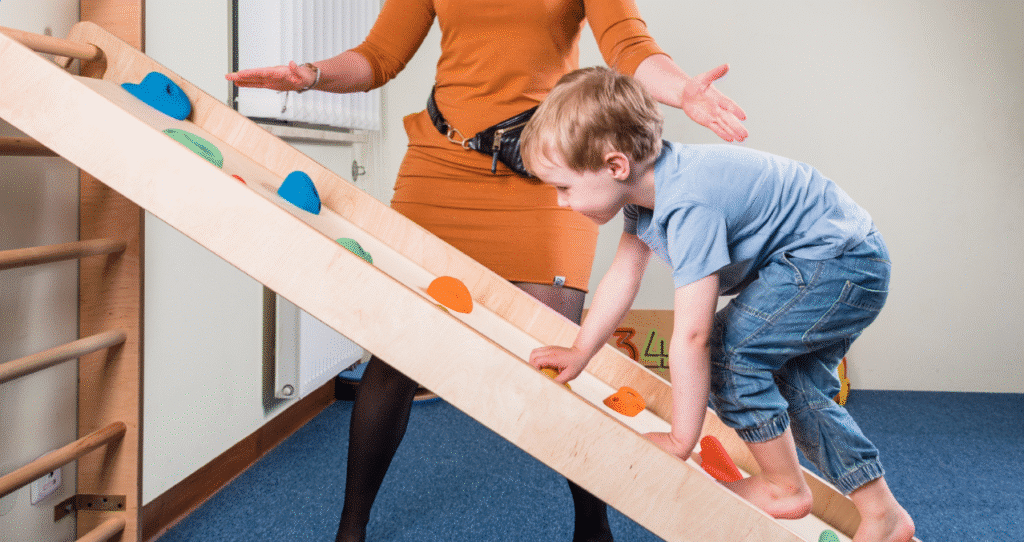
Motor planning helps children understand, organize, and carry out movements. This skill affects classroom tasks, playground activities, and many everyday routines.
A child may use motor planning to climb playground equipment, copy movements during a song, line up with classmates, manage a backpack, or figure out how to move safely through a busy hallway.
Independence
School encourages children to take on more responsibility. Occupational therapists help children build confidence with tasks such as organizing materials, opening containers, getting dressed, and following routines.
As children become more independent, they often feel more confident and engaged at school. There is real pride in saying, “I did it myself,” even when “it” is finally getting the stubborn zipper to cooperate.

Sensory Regulation at School
Classrooms are full of sensory experiences, from bright lights and background noise to busy hallways and frequent transitions. While many children can easily filter this input, others may feel overwhelmed, making it harder to focus and participate.
Common sensory-related challenges include:
- Difficulty staying seated during lessons.
- Sensitivity to noise or busy environments.
- Challenges transitioning between activities.
- Feeling overwhelmed in group settings.
- Seeking frequent movement or sensory input.
Occupational therapists help children develop sensory regulation strategies, which may include movement breaks, visual schedules, sensory tools, or calming activities. When sensory needs are supported, children are often better able to engage in learning and classroom routines.
Fine Motor Skills for School Success
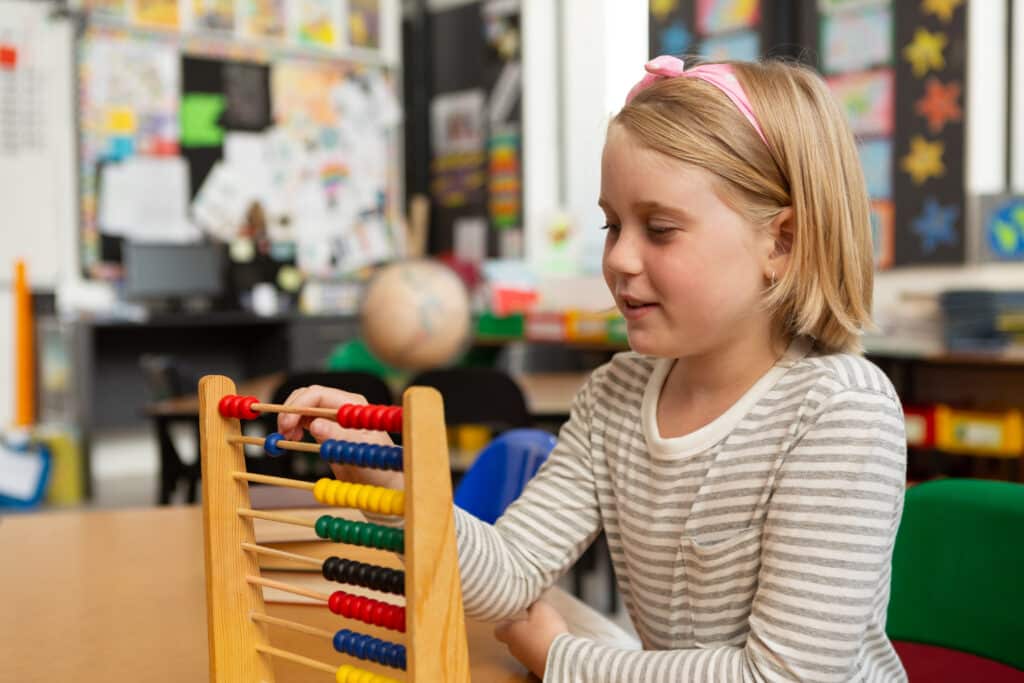
Fine motor development plays an important role in the school day. Many classroom activities require coordinated hand and finger movements, along with strength, endurance, and precision.
Strong fine motor skills for school help children complete classroom tasks more independently and efficiently. They also help reduce frustration, because even small classroom tasks feel a lot easier when children can focus on learning instead of wrestling with buttons, scissors, or a pencil that seems determined to have its own agenda.
Here are some common areas where fine motor skills matter:
Pencil Grasp and Writing
Writing requires hand strength, coordination, and control. Building these skills can improve comfort and efficiency during classroom assignments.
For some children, handwriting may feel tiring or frustrating. Occupational therapy can help children strengthen the underlying skills needed for writing, rather than simply asking them to practice harder.
Cutting Skills
Using scissors requires bilateral coordination, motor planning, and hand strength. These abilities support many classroom projects and activities.
Cutting also requires children to use both hands together, follow a line, adjust their grip, and stay focused on the task. That’s a lot happening behind one simple-looking art project.
Coloring and Drawing
Coloring and drawing help children develop visual-motor integration, precision, and endurance.
These activities can also support creativity, attention, and confidence as children practice controlling small movements in a fun, low-pressure way.
Managing Classroom Materials
Opening containers, organizing supplies, fastening clothing, turning pages, and handling small objects all rely on fine motor development.
Through pediatric occupational therapy, children can strengthen these skills with engaging, play-based activities built around their needs.

When Should Parents Consider Pediatric Occupational Therapy?
Some children develop school-readiness skills through everyday experiences and natural opportunities for growth. Others may benefit from additional support when challenges begin affecting participation at home, school, or in the community.
Ivy Pediatric Therapy’s pediatric occupational therapists partner closely with families to identify challenges, celebrate strengths, and create individualized plans that help children succeed both in and out of the classroom. Through evidence-based, play-focused therapy, we help children build the skills they need to participate more confidently in daily routines, learning activities, and social experiences.
Parents may want to consider pediatric occupational therapy if they notice:
- Frequent difficulty with transitions.
- Challenges with attention or focus.
- Emotional regulation concerns.
- Fine motor delays.
- Difficulty following routines.
- Trouble participating in classroom activities.
- Delays in independence skills.
- Ongoing sensory challenges.
When families choose Ivy Rehab, they gain access to a compassionate team dedicated to helping children reach meaningful goals. Our therapists work collaboratively with parents, caregivers, educators, and other providers to ensure support extends beyond therapy sessions and into everyday life.
Helping Your Child Start the School Year Strong
School readiness includes the physical, emotional, sensory, social, and organizational skills children use every day to participate successfully at school and in other environments.
Through occupational therapy, children can strengthen self-regulation, independence, confidence, and the practical skills needed to meet classroom expectations. With the right support, meaningful progress is possible, and many children develop the skills they need to feel more comfortable, capable, and engaged in the classroom.
Explore our locations to find support near you and help your child move into the school year with confidence.
References
- American Occupational Therapy Association. “School-Based Occupational Therapy.” 2024. https://www.aota.org
- Centers for Disease Control and Prevention. “Early Brain Development and Health.” 2024. https://archive.cdc.gov/www_cdc_gov/ncbddd/childdevelopment/early-brain-development.html
- HealthyChildren.org. “Is Your Child Ready for School?” American Academy of Pediatrics. https://www.healthychildren.org/English/ages-stages/preschool/Pages/Is-Your-Child-Ready-for-School.aspx
- National Association for the Education of Young Children. “Developmentally Appropriate Practice (DAP) Position Statement.” 2020. https://www.naeyc.org/resources/position-statements/dap/contents

Before you go
Find the right therapy today.
Discover how Ivy Rehab can help you get back to doing what you love.