Summer can bring exciting adventures, new experiences, and a welcome break from the school-year routine. It can also bring a surprising amount of change—sometimes all at once.
For many families, summer transitions for kids include camp schedules, vacations, different caregivers, therapy schedule changes, and long stretches of unstructured time. While some children cannonball into summer without hesitation, others need a little more time and support to adjust to new routines and expectations.
The good news? Transition challenges are common. They’re not a sign a child is struggling permanently or that a parent is doing anything wrong. Children often do best when they have opportunities to prepare, practice, and build confidence before something new begins.
Families who are already connected with pediatric therapy services often find that ongoing support during seasonal changes helps children navigate new experiences with greater confidence—and helps parents feel a little more prepared, too.
Why Summer Transitions Can Be Hard for Kids
School provides a predictable rhythm. Children know where they’re going, who they’ll see, and what the day is likely to look like. That consistency can make it easier to manage expectations, energy, and emotions.
Summer often changes many of those familiar patterns at once. A child may be adjusting to camp, sleeping later, spending time with different caregivers, traveling, or navigating new social situations. Even changes children are excited about can feel overwhelming when there are lots of unknowns mixed into the excitement.
Children may show their stress in different ways:
- Increased meltdowns or frustration.
- Anxiety about new activities.
- Clinginess during drop-offs.
- Difficulty sleeping.
- Fatigue after busy days.
- Challenges with emotional regulation.
Parents sometimes worry these reactions mean something is wrong. More often, they’re signs a child is working hard to adapt. Helping kids adjust to summer break usually involves a period of learning, practice, and settling into a new rhythm.

How Pediatric Therapy Supports Summer Transitions for Kids
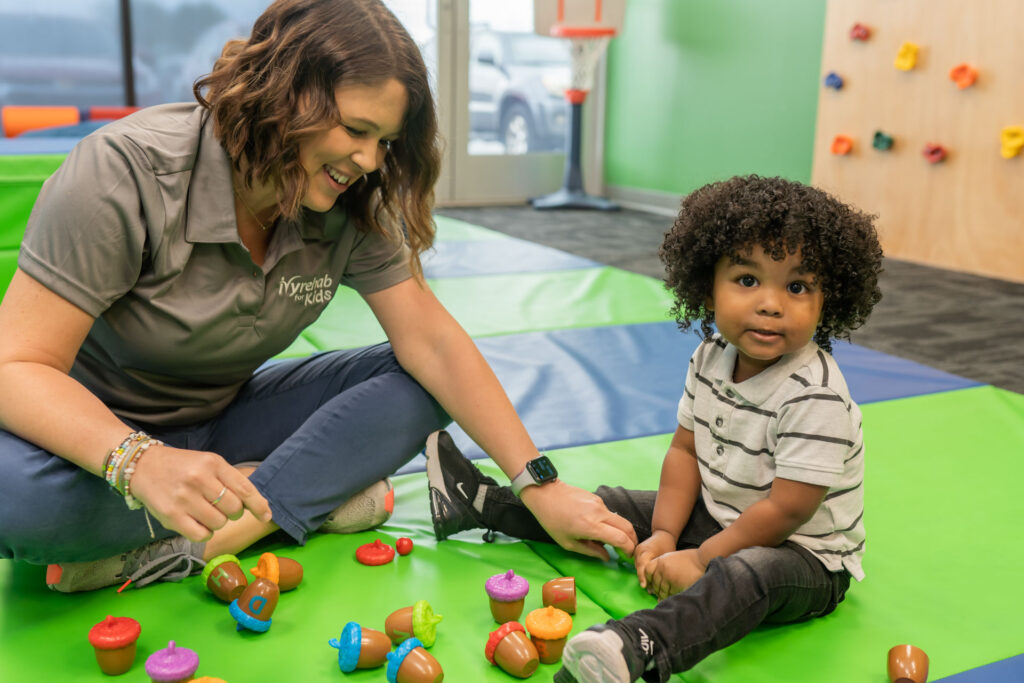
Pediatric therapy for summer transitions focuses on practical skills children can use in real-life situations. The goal isn’t to eliminate every challenge that comes with change. Instead, therapy helps children build tools they can use at camp, on vacation, in community activities, and during everyday routines.
Different therapy disciplines support different aspects of summer participation, such as:
Occupational Therapy for Summer Routines
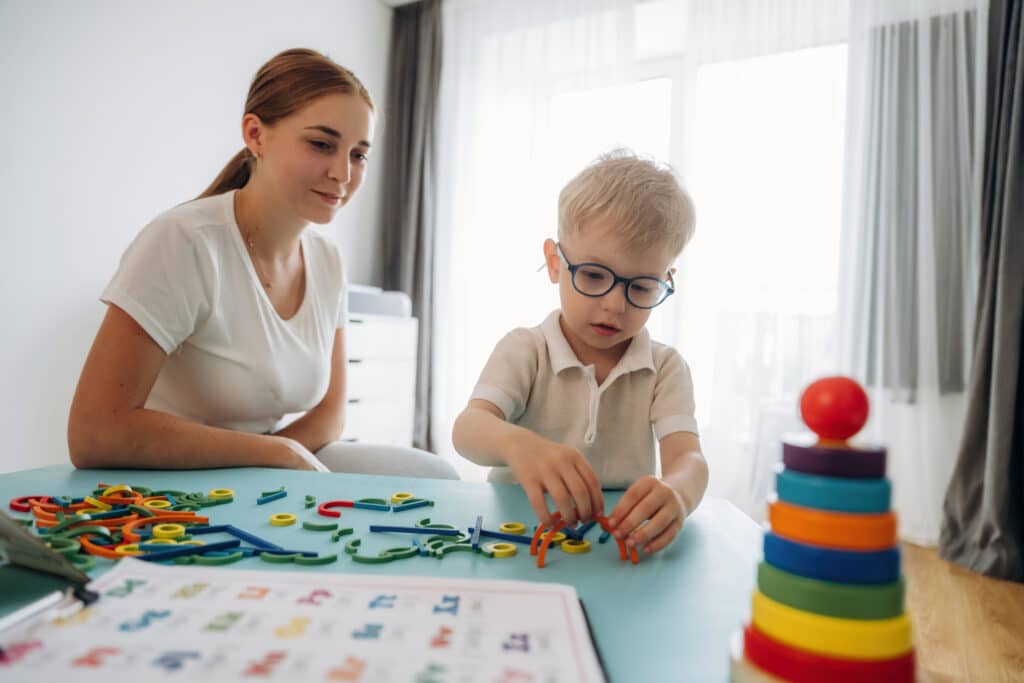
Through pediatric occupational therapy, children can build skills related to independence, sensory regulation, self-care, and participation.
Examples may include:
- Opening lunch containers and water bottles.
- Practicing camp morning routines.
- Building tolerance for sunscreen or clothing textures.
- Learning calming strategies for transitions.
- Strengthening fine motor skills for crafts and activities.
Whether it’s managing self-care tasks or navigating busy camp mornings, occupational therapy can help everyday activities feel more manageable.
Speech Therapy for Camp Communication
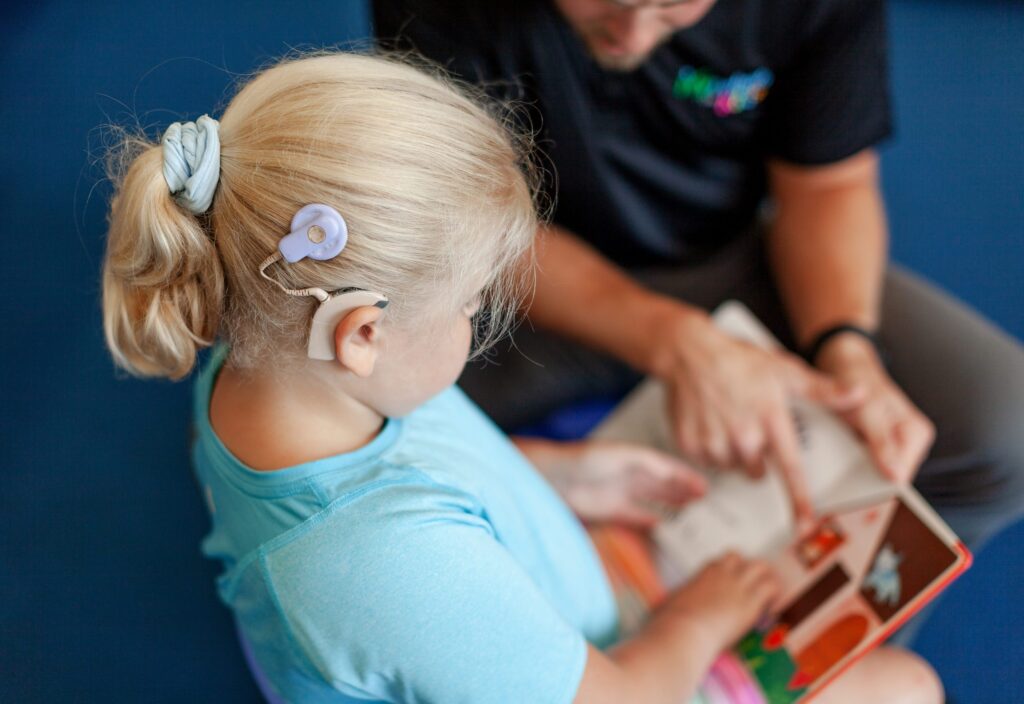
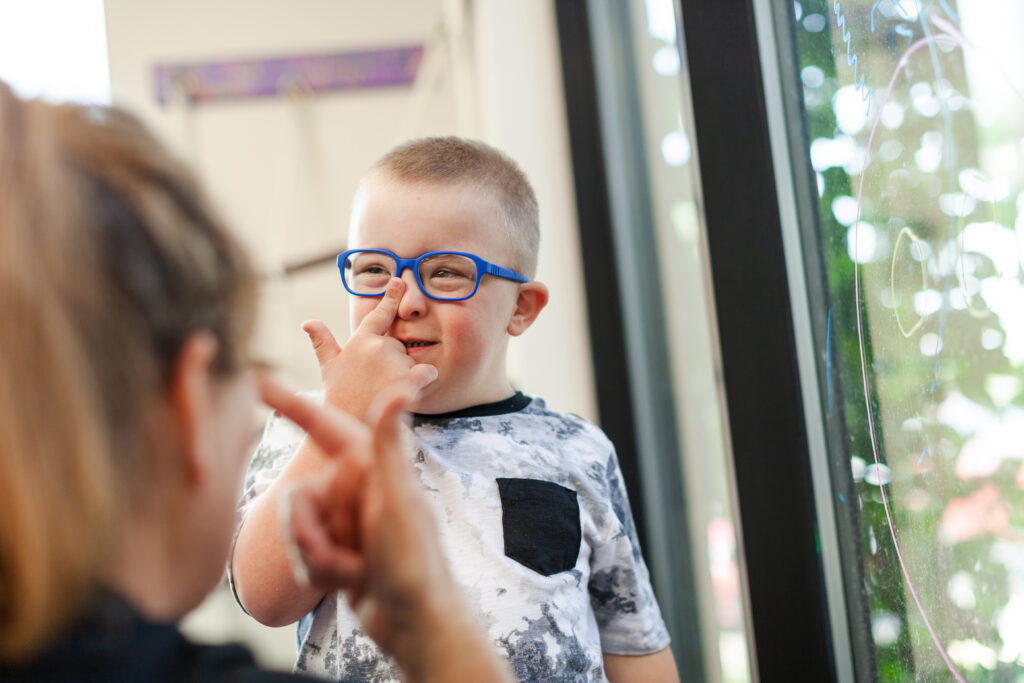
Speech-language pathologists help children communicate effectively in new environments.
Support may include:
- Asking for help.
- Understanding directions.
- Building camp-related vocabulary.
- Practicing conversations and greetings.
- Supporting augmentative and alternative communication (AAC) use during camp or travel.
Sometimes the biggest confidence boost comes from knowing exactly how to tell someone, “I need help,” “I need a break,” or “Can I play too?”
Physical Therapy for Summer Play and Movement
Physical therapists help children build strength, endurance, balance, and coordination for active summer participation.
Goals may include:
- Playground readiness.
- Sports participation.
- Balance on uneven surfaces.
- Endurance for longer camp days.
- Confidence during outdoor activities.
Children preparing for active summer programs may benefit from pediatric physical therapy to support safe and confident participation.
ABA Therapy for Routine Changes and Skill Building
Applied Behavior Analysis (ABA) therapy can support communication, flexibility, transitions, and daily living skills.
Therapy may focus on:
- Practicing new routines.
- Managing schedule changes.
- Building social skills.
- Supporting transitions between activities.
- Reinforcing positive coping strategies.
With the right support, children can practice these skills before summer begins, making new experiences feel less like a leap into the unknown and more like a step toward something exciting.

Summer Camp Readiness for Kids: What to Practice Before the First Day
A little preparation can go a long way. Think of it as a dress rehearsal for camp, minus the frantic search for a missing sneaker five minutes before leaving.
Simple practice opportunities can help children feel more familiar with what camp days might look like before they arrive:
Practice the Morning Routine
Try waking up, getting dressed, eating breakfast, and leaving the house on a schedule similar to camp days.
Visit the Camp or Preview the Environment
If possible, tour the facility, review photos, or look at maps and schedules together.
Practice Lunch and Snack Skills
Have children practice opening containers, using utensils, and cleaning up independently.
Role-Play Common Camp Situations
Practice introducing themselves, asking for help, waiting in line, or handling changes in plans.
Build a Comfort Plan
Identify calming tools, sensory supports, or simple phrases children can use when they need assistance.
Before camp begins, consider sharing your child’s communication style, sensory preferences, calming strategies, and support needs with staff. A little information can help create a more successful experience.
Supporting Neurodivergent Children and Sensory Needs During Summer
Summer routines for neurodivergent children often work best when they balance predictability with flexibility. At the same time, summer can introduce a wide range of sensory experiences, from bright sunlight and noisy pools to sticky sunscreen and crowded camp activities.
Many children benefit from understanding what’s happening, what might change, and where they can turn for support if something feels difficult. Having a framework for the day can reduce uncertainty while still leaving room for new experiences and unexpected opportunities.
Helpful strategies include:
- Using visual schedules.
- Creating simple first-then routines.
- Providing transition warnings before activities change.
- Using social stories for camp, travel, or swimming.
- Practicing new activities gradually.
- Packing sensory supports such as sunglasses, hats, preferred clothing, or noise-reducing headphones.
- Building movement breaks and downtime into busy days.
Common sensory challenges may include:
- Sensitivity to sunscreen or bug spray.
- Discomfort with wet clothing or swimsuits.
- Noise from pools, camps, or playgrounds.
- Difficulty with heat and bright sunlight.
- Strong reactions to unfamiliar foods or textures.
These sensory strategies for summer can help children stay regulated while still participating in meaningful activities. Progress during transitions is often built one step at a time. Trying a new activity, asking for help, staying with a group, or recovering from a challenging moment are all meaningful wins worth recognizing.
Families interested in learning more can also explore Ivy Rehab’s article on Sensory Processing Disorder Symptoms in Children and How to Manage Sensory Overload in Kids.

When to Consider Pediatric Therapy for Summer Transition Support
Some children need extra support during seasonal changes. Pediatric therapy can help when transition challenges begin affecting participation, confidence, or family routines.
Parents know their children best. When concerns continue across settings or make everyday activities harder, it may be helpful to explore additional support.
You may want to consider pediatric therapy if your child experiences:
- Frequent meltdowns around routine changes.
- Significant anxiety about camp or travel.
- Difficulty communicating needs.
- Ongoing sensory overload.
- Challenges joining group activities.
- Difficulties with self-care tasks.
- Balance, coordination, or endurance concerns.
- Trouble recovering after busy days.
- Regression during school breaks.
Seeking support isn’t about lowering expectations. It’s about giving children the tools, practice, and encouragement they need to participate more comfortably and confidently in everyday life.
Families concerned about developmental progress may also find information about developmental delays and early intervention helpful.
Helping Kids Build Confidence All Summer Long
Summer transitions for kids can bring excitement, growth, and a few bumps along the way. With preparation, supportive routines, and the right tools, children can build confidence navigating camp, vacations, changing schedules, and new experiences.
At Ivy Rehab, our pediatric occupational therapists, speech-language pathologists, physical therapists, and ABA therapists work closely with families to support meaningful goals that carry into everyday life. Whether your child is preparing for camp, adjusting to a new routine, or building confidence in social and community settings, progress is possible.
If you’re ready to support your child’s summer success, explore a convenient Ivy Rehab location near you and connect with a pediatric therapy team that can help your child participate with greater confidence and independence.
References
- Centers for Disease Control and Prevention. “Child Development: Healthy Habits.” https://www.cdc.gov/child-development/about/index.html
- Child Mind Institute. “How Can We Help Kids With Transitions?” https://childmind.org/article/how-can-we-help-kids-with-transitions/
- Beisbier, S., & Cahill, S. “Occupational Therapy Interventions for Children and Youth Ages 5 to 21 Years.” The American Journal of Occupational Therapy, 2021. https://doi.org/10.5014/ajot.2021.754001
- American Speech-Language-Hearing Association. “Child Speech and Language.” https://www.asha.org/public/speech/disorders/childsandl/
- ADDitude Magazine. “Authoritative Parenting Tips for Neurodivergent Children.” https://www.additudemag.com/slideshows/authoritative-parenting-tips-neurodivergent-children/