

Pediatric Incontinence Physical Therapy
Therapy provides essential guidance and strategies to help children and their families manage the challenges of pediatric incontinence, fostering understanding, coping skills, and improved quality of life.
What is urinary incontinence?
Urinary incontinence is when urine may leak uncontrollably. This can be in the day time (diurnal) or while sleeping, aka bedwetting (enuresis). This can cause social, emotional, and psychological stress on the child, so it’s best to have it treated as soon as possible. Fortunately, therapy can help. Request an appointment.
What could be involved?
- Overactive bladder: this can cause a sudden and uncontrollable need to urinate. The child may have many accidents or need to sprint to the bathroom to prevent accidents. They may feel the need to go, but not pass any urine during their attempt.
- Dysfunctional voiding: this may start as an overactive bladder, but the child may begin to hold onto the urine when the bladder contracts. This causes the child to not be able to properly empty the bladder, and they may develop infections, have more wetting incidents, or potentially develop kidney damage
- Urinary urgency/frequency syndrome: even with no infection, a child may feel like they suddenly need to use the restroom frequently.
- Voiding postponement: a typical child will void four to five times a day. If your child is going less than that, they may be holding urine for too long. This could be signs of an underactive bladder.
- Enuresis or bedwetting: whether the child is making more urine at night than their bladder can hold, or simply encountering an unstable bladder, bedwetting may occur. Treatments are available to help prevent this
How Incontinence Physical Therapy Works
At Ivy Rehab, pediatric physical therapy begins with a thorough assessment of your child’s bladder habits, pelvic floor muscle function, and overall bowel and bladder control. Our experienced team works in the pediatrics space to understand what’s contributing to the issue and how best to treat it. Based on the findings, they create an individualized treatment plan tailored to your child’s specific needs and age.
Treatment may include:
- Pelvic floor muscle exercises and bladder training to support a more normal bladder function and reduce daytime wetting or leakage.
- Biofeedback therapy can help your child better understand and coordinate pelvic floor muscle activity.
- Family education on bathroom routines, diet, and care strategies to treat symptoms and support progress at home.
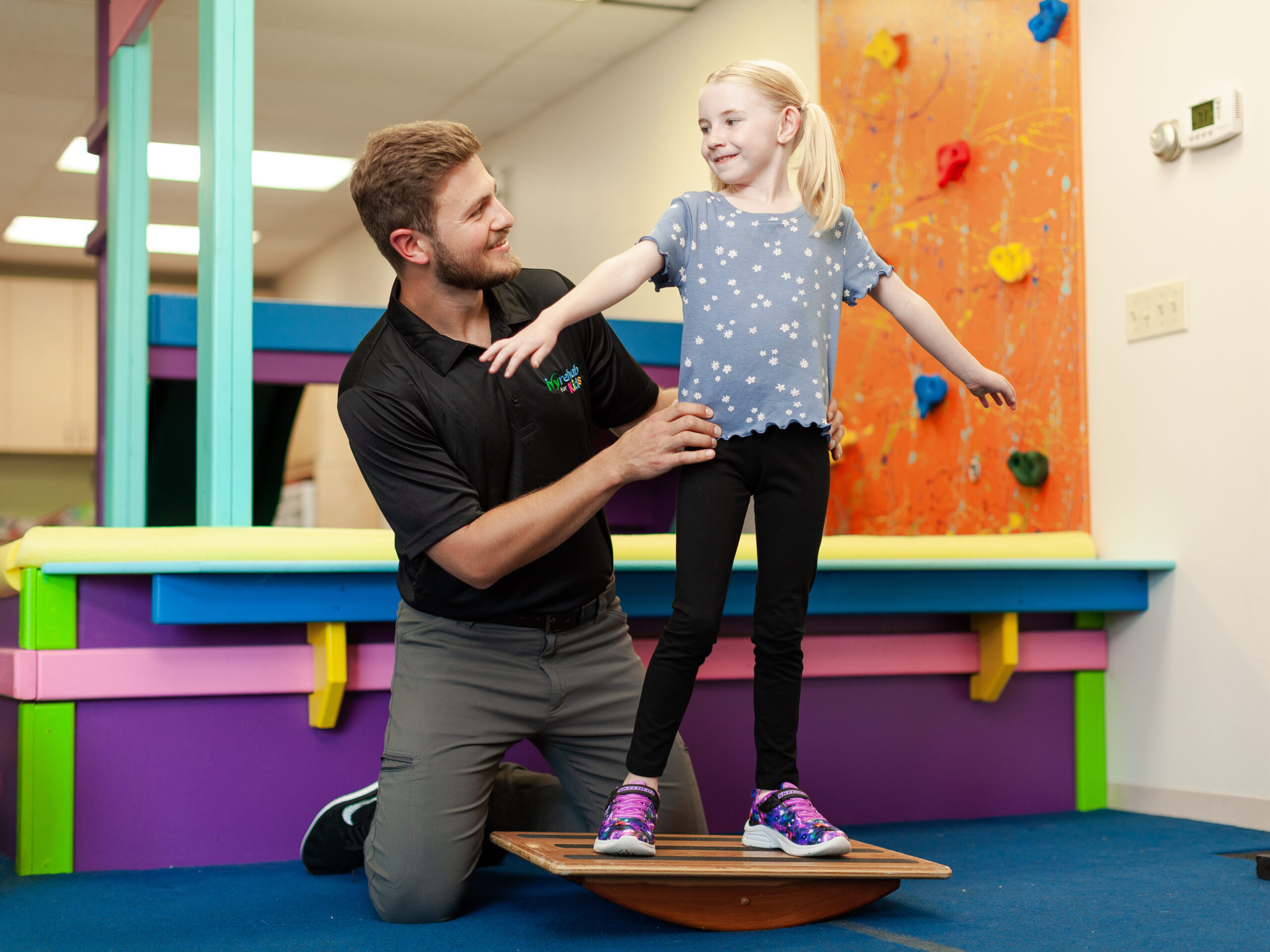
We’re here to help.
If you have a child with any sort of incontinence issue, our trained specialists are here to help. Our friendly and skilled therapists offer a variety of options to help your child reach their full potential, faster. Schedule your appointment today at a location near you to learn more about incontinence treatments. Request an appointment.
FAQs
Can physical therapy help with bedwetting in children?
Yes. Physical therapy can be effective for children who experience bed wetting (also known as nighttime enuresis). Therapists work to strengthen the pelvic floor, improve bladder function, and address habits or muscle coordination issues that may lead to accidents at night. An individualized treatment plan based on the child’s history and symptoms helps guide care.
What does a pediatric physical therapist do for urinary incontinence?
A pediatric physical therapist will assess your child’s pelvic floor muscle function, bladder habits, and any signs of pelvic floor dysfunction. They create a treatment plan to help train the muscles, improve bladder control, and reduce both daytime and nighttime leakage. Techniques like pelvic floor exercises, bladder training, and biofeedback are often used.
When should a child see a specialist for bladder problems?
If your child experiences frequent accidents, daytime wetting, or signs of pelvic floor dysfunction, it’s a good idea to consult a pediatric physical therapist or pediatric urologist. Early assessment and treatment can prevent the issue from becoming more difficult to manage and can improve your child’s self-esteem, health, and quality of life.

Help your child live their best life.
We can help you and your family get your child on the right track. Find a clinic near you or schedule an assessment today.