At Ivy Rehab for Kids, pediatric physical therapy is about so much more than improving balance or strengthening muscles. While movement therapy absolutely supports physical milestones, it also plays a powerful role in something just as important: a child’s confidence.
Sara Dixson, a pediatric physical therapist who has been with Ivy Rehab for Kids for two years, sees this transformation every day. Through play-based, child-led therapy sessions, she helps children grow not only in strength and coordination, but also in their belief that they can do hard things.
Because sometimes, the biggest progress isn’t just climbing stairs or standing on one foot.
Sometimes, it’s watching a child go from fear… to pride.
Contact Ivy Rehab for Kids to learn how movement-focused therapy can help your child thrive at home, at school, and on the playground.
Why Movement Matters for Mental and Emotional Well-being
We often think of physical therapy as something focused on the body. But research continues to show that movement affects the brain just as much as it affects muscles.
Sara explains that physical movement increases dopamine, the brain’s “feel-good” chemical, which improves overall mood, energy, and emotional regulation.
Movement has been shown to support:
- Reduced anxiety and stress
- Improved mood and motivation
- Increased self-esteem
- Better overall emotional well-being
- Greater confidence in a child’s own physical abilities
This is why pediatric physical therapy can be so impactful. Movement challenges aren’t only physical—they can shape how children feel about themselves.
When children experience success through movement, they begin to trust their bodies. And that trust carries into everyday life: school, sports, friendships, and play.
Coordination Challenges Are More Common Than Many Parents Realize
Many children struggle with coordination in ways that aren’t always obvious at first. In fact, Developmental Coordination Disorder (DCD) affects approximately 5–6% of children, making it one of the most common childhood motor conditions.
Children with coordination challenges may struggle with:
- Gross motor skills like running, jumping, or climbing
- Fine motor skills like writing, using scissors, or buttoning clothes
- Participating in sports and peer play
When children struggle with motor skills, the impact extends far beyond movement. It can affect:
- Child’s confidence
- Social relationships
- Classroom participation
- Academic success
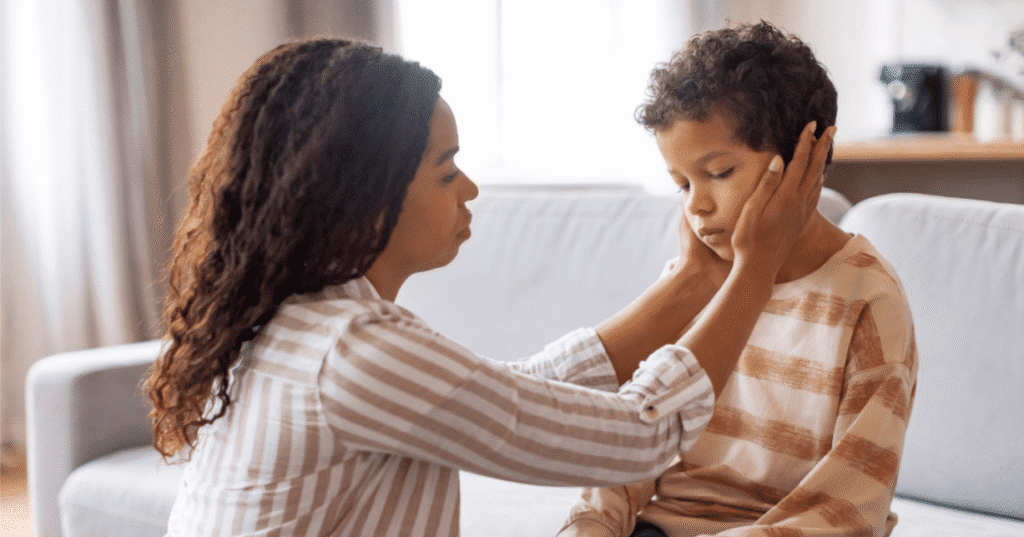
Children facing coordination difficulties often experience frustration, anxiety, and low self-esteem, especially when they feel left out of activities with their peers.
That’s why supportive intervention matters.
Confidence Is a Skill Kids Can Build Through Movement
Sara has seen firsthand how practice can lead to confidence. In one recent case, she worked with a child who was initially very afraid of balance challenges.
Over time, she noticed a major shift.
“The more we practiced and the more we moved, the greater his confidence got,” she explains.
As that confidence grew, the child began to take on harder tasks and, as Sara puts it, “pushed the boundaries of his own confidence”—eventually participating more fully in PE and playground play with peers.
Sara says this kind of progress often comes from giving kids a space where they feel safe enough to try. In her sessions, she encourages children to keep going even when something feels difficult.
“A lot of times I tell him that even when he feels like he needs to stop, to keep going,” she says. Over time, that mindset becomes part of the child’s growth. “He no longer just gives up on himself when he feels like it’s too hard.”
That’s one of the hidden gifts of pediatric physical therapy: it gives kids the opportunity to build real confidence through real success.
Therapy Provides a Safe Space for Growth
Children who struggle with coordination may feel anxious about movement. They may avoid playground games or hesitate to try new physical challenges.
Pediatric physical therapists provide a structured, supportive environment where children can practice skills without fear or judgment.
Therapy helps reduce anxiety by offering:
- Encouragement and coaching
- Small, achievable challenges
- Safe risk-taking
- A sense of success
Over time, hesitant children begin to feel capable again.
Therapy Through Play: Making Hard Work Feel Fun
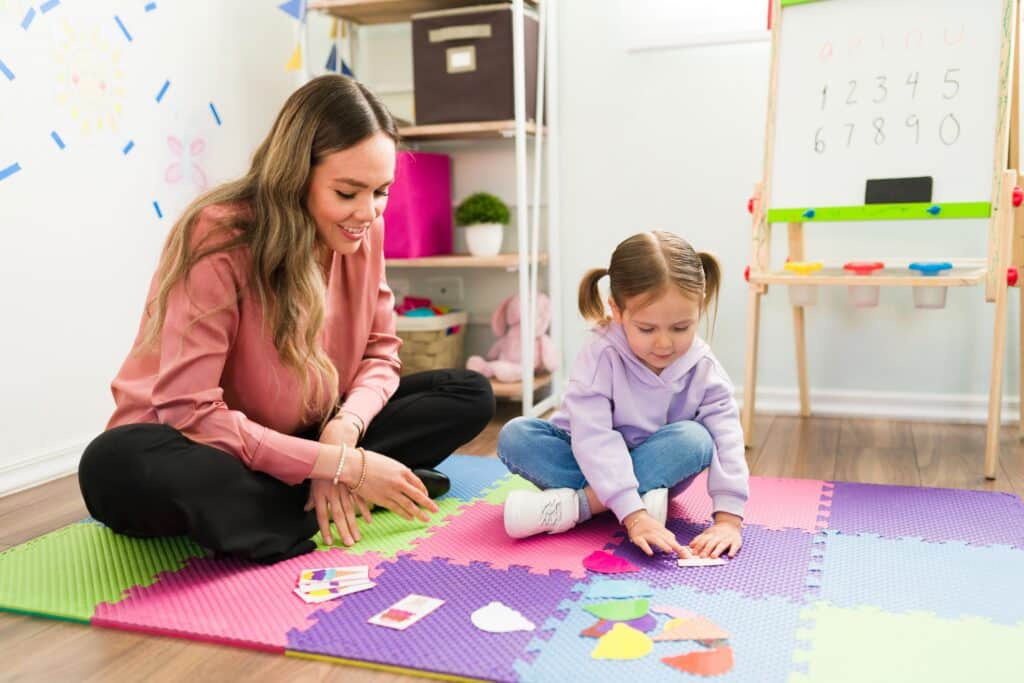
At Ivy Rehab for Kids, therapy doesn’t look like drills or repetitive exercises. Instead, sessions are built around what children naturally do best: play.
Sara describes how she uses games and child-chosen activities to work toward physical therapy goals—without children feeling pressured.
For example:
- A game of Uno becomes squats and strength-building
- Coloring becomes balance work on an unstable surface
- Scooter board games support endurance and coordination
- Imaginative movement turns exercise into adventure
Therapists often incorporate playful tools such as:
- Obstacle courses
- Animal walks
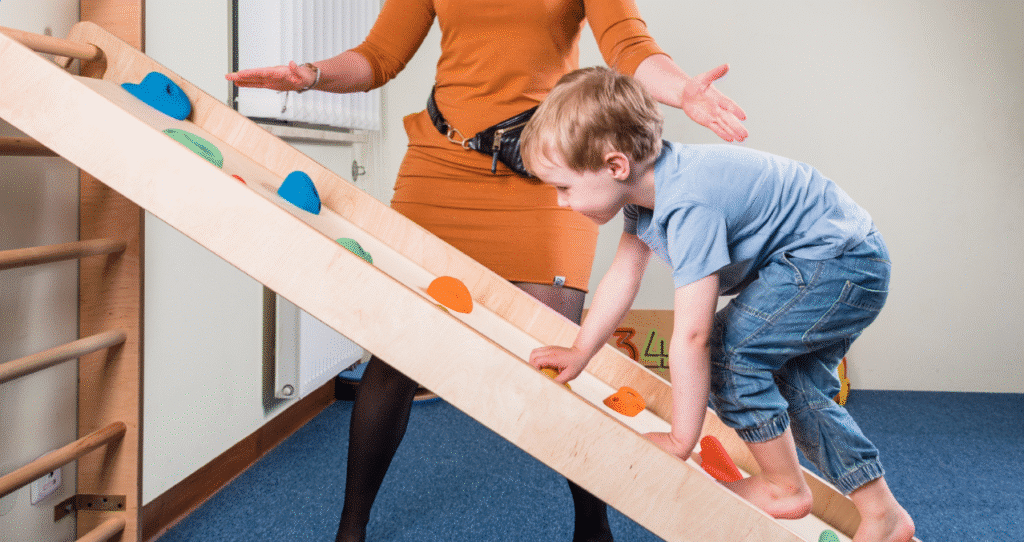
- Climbing games
- Scooter races
- Physical play challenges
These activities build strength, balance, and coordination while keeping therapy joyful.
This is one reason pediatric therapy is most effective when it’s engaging, participatory, and child-led.
Improved Motor Skills Help Children Participate Fully
As children build stronger movement foundations, they are more able to join everyday childhood experiences.
Improved gross motor skills and coordination allow children to:
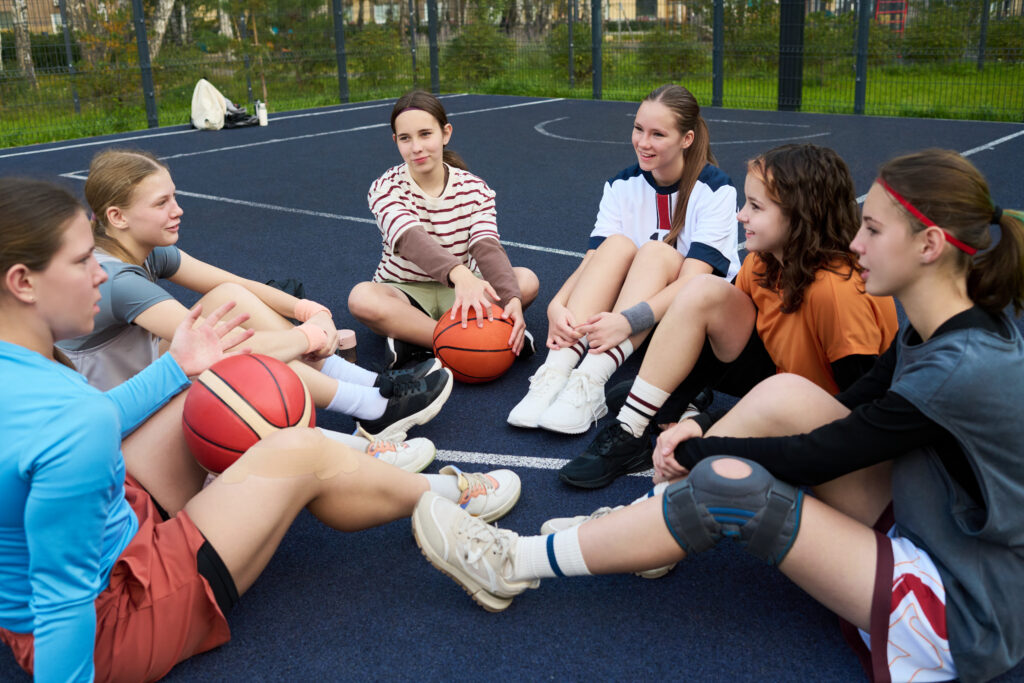
- Participate in group activities and sports
- Climb playground equipment confidently
- Engage socially without fear of falling behind
This reduces feelings of isolation and helps kids feel included.
By enhancing mobility and coordination, pediatric physical therapy empowers children to participate in school, sports, and play without limitations.
The benefits extend beyond movement—they impact social and emotional development.
Early Intervention Produces the Best Outcomes
Across pediatric care, the evidence is clear:
Early intervention through pediatric physical therapy produces the strongest long-term outcomes.
Because the brain is highly adaptable during childhood, targeted therapy can create lasting improvements in coordination and movement patterns.
Early support helps prevent secondary complications such as:
- Muscle tightness
- Joint stiffness
- Poor posture
- Inefficient or compensatory movement patterns
Children who develop strong movement skills early are also more likely to remain active as they grow, supporting lifelong physical and mental health.
Progress Shows Up in Everyday Wins
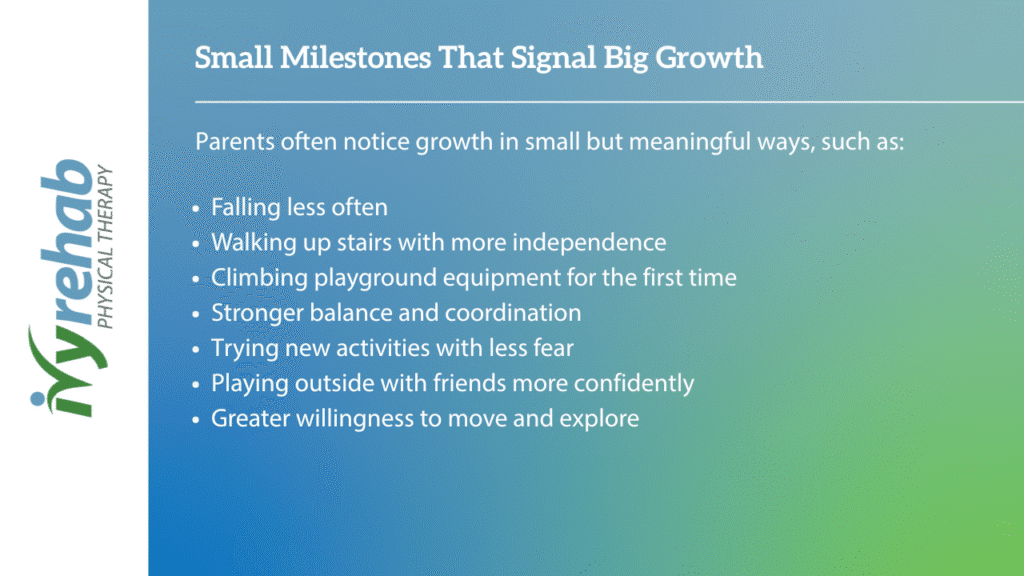
Families often begin to see progress in the little moments that make everyday life feel easier. Sara explains that one of the first things parents tend to notice is that their child is falling less—an early sign that strength, stability, and coordination are improving.
Other meaningful breakthroughs might include:
- Walking up stairs independently
- Climbing playground equipment for the first time
- Feeling more confident playing outside with friends
- Showing stronger balance and body control
- Becoming more willing to try unfamiliar activities
These milestones represent more than physical gains—they reflect growing confidence, independence, and pride.
Sara notes that parents often share these small but exciting changes, saying they’ve noticed their child becoming steadier on their feet. And sometimes, the victories are unforgettable. One parent told her, “We went to the park, and he could climb the ladder for the first time… and he went up there like a pro.” Moments like these remind families just how powerful progress can be.
Specialized Techniques for Children with More Complex Diagnoses
For children with diagnoses like cerebral palsy, muscular dystrophy, or developmental delays, pediatric PT may include specialized approaches such as:
- Neurodevelopmental Treatment (NDT) to improve posture and movement patterns
- Aquatic therapy to reduce joint impact and support freer movement
- Strength and balance training tailored to the child’s specific needs
Every child receives a personalized plan designed to support growth and independence.
What Sets Ivy Rehab for Kids Apart?
Sara explains that what makes Ivy different is its commitment to child-led care.
“We take a child-led approach,” she says. “So when children come in here for their therapy sessions, we are not looking for them to do things in our own constraints.”
Instead, sessions are shaped around what motivates the child. Therapists ask the child what they want to do and build the plan from there—always tying it back to goals.
“We make sure that the kid feels involved in their own sessions,” Sara says, “so that they can truly feel the accomplishments that they make throughout.”
A Stronger Body—and a Stronger Belief
Pediatric physical therapy helps children move with better strength, balance, and coordination. But it also helps them build something just as important: belief in themselves.
Sara says the most rewarding part of her job is seeing kids do things they never thought were possible.
“The most rewarding part of my job is to see a kid do something that they’ve never done before,” she says, “and to see the parents just absolutely shine with happiness.”
Those moments are what therapy is really about—helping children feel capable, confident, and ready to take on the world around them. If you’ve noticed strength, balance, or coordination challenges—or if your child seems hesitant to participate in play or sports—early support can make all the difference. Find an Ivy Rehab clinic near you today.

Before you go
Find the right therapy today.
Discover how Ivy Rehab can help you get back to doing what you love.