Unfortunately, a sore knee doesn’t come with instructions for which kind of physical therapy your child needs.
Say your child twists an ankle at soccer practice. Or their knee starts bothering them halfway through cross-country season. Maybe they’re suddenly limping after football, gymnastics, dance, or an especially ambitious afternoon on the playground.
That certainly sounds orthopedic. But even when the concern is musculoskeletal, that doesn’t automatically tell you which type of physical therapist your child should see. Pediatric physical therapists treat orthopedic injuries and conditions, too.
And there goes the nice, simple answer.
That’s where the difference between pediatric physical therapy and orthopedic physical therapy gets interesting.
What Does Orthopedic PT Look Like for a Child?
Orthopedic physical therapy is organized around what’s being treated: the musculoskeletal system. Muscles, bones, joints, tendons, ligaments, and other soft tissues.
For a child, orthopedic PT might come into the picture after an ankle sprain, a fracture, knee pain during cross-country, or another musculoskeletal condition that’s starting to affect how they move or take part in sports, play, school, or other routines.
The injury or musculoskeletal condition is the starting point. Orthopedic PT looks at what’s injured or affected, how it’s influencing strength, mobility, and function, and what needs to improve for the child to safely return to the activities that matter to them.
What Makes Pediatric PT Different?
Pediatric PT has a broader scope because children may need physical therapy for reasons that go far beyond a musculoskeletal injury.
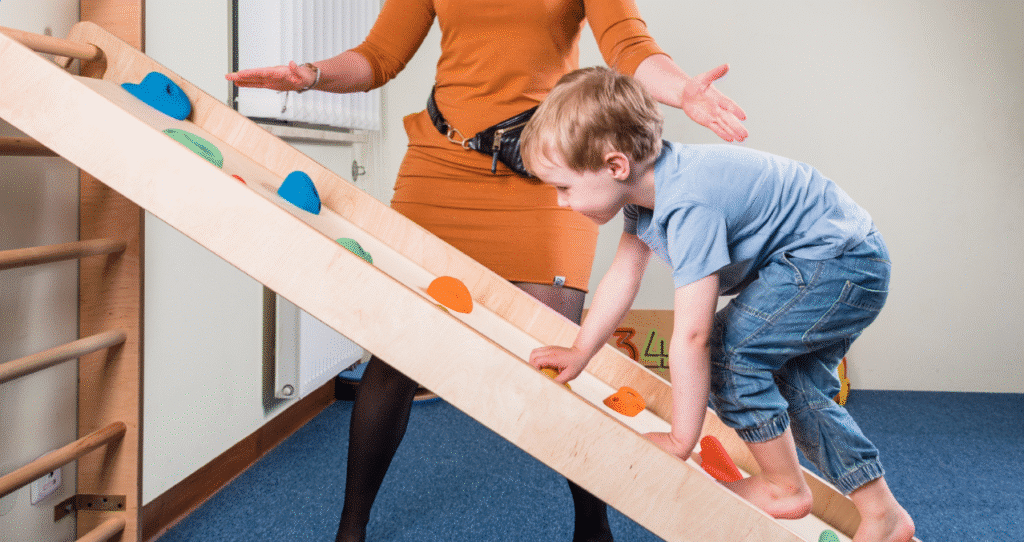
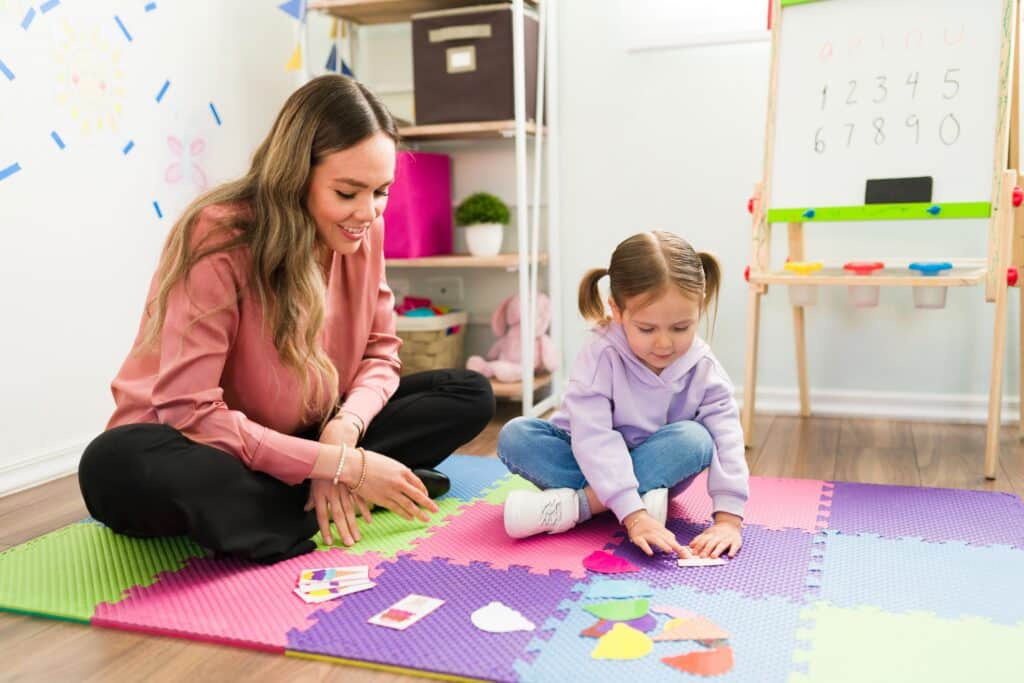
Pediatric physical therapists evaluate how a child moves and functions and may use play-based activities, movement practice, exercise, and education to help build skills, improve mobility, and support participation in activities that are important to the child and their family.
A child may be building skills like walking, balance, or coordination, managing a developmental or neurologic condition, recovering from an injury, or working toward greater independence and participation in activities that matter to them.
No sprained ankle required.
And when an orthopedic injury is the reason for therapy, a pediatric physical therapist can treat that, too.
Where Pediatric and Orthopedic PT Differ and Overlap
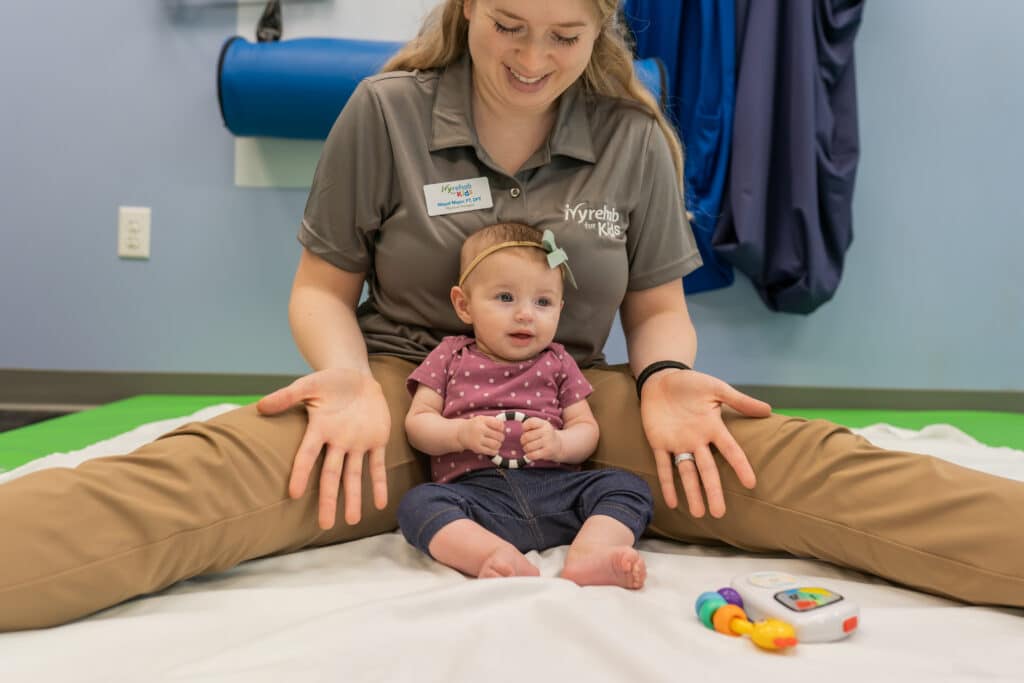
Here’s the distinction worth remembering: Orthopedic PT specializes in musculoskeletal injuries and conditions. Pediatric PT specializes in treating children across a broader range of movement and functional needs, including musculoskeletal injuries.
Sometimes that distinction is pretty clear. A young child developing skills such as walking, balance, or coordination, for example, falls within the scope of pediatric PT.
Then there’s the 13-year-old soccer player with knee pain. Suddenly, our tidy little categories start coming undone. The knee pain is a musculoskeletal concern, which fits orthopedic PT. But it can also fall within the scope of pediatric PT.
Same knee. Two areas of physical therapy that can overlap.
And there’s another piece to consider: the child is still growing. Children are doing the mildly inconvenient work of developing strength, balance, coordination, motor skills, and bodies that refuse to stay the same size for very long. The musculoskeletal condition matters, but so do the child’s age and stage of development.
That overlap isn’t a problem to solve. It’s the point.
Instead of forcing the situation into a perfectly labeled box, ask a more useful question: Does this therapist have experience with my child’s condition and with children at this stage of development?
That can tell you more than the label alone.

Fall Sports Are Where This Question Gets Real
The American Academy of Pediatrics reports that more than 3.5 million children in the United States receive treatment for sports-related injuries each year, including sprains, fractures, and ligament injuries.
Fall schedules can go from zero to soccer-football-cross-country-cheer-dance-gym-class in what feels like approximately 11 minutes.
With practices, games, meets, and rehearsals filling the calendar, aches and injuries can start showing up, too. Not every sore muscle after practice requires physical therapy. But persistent pain, changes in how a child moves, difficulty participating in their usual activities, or trouble returning after an injury are worth paying attention to.
The Right Care Isn’t Always About the Label
Finding the right physical therapist doesn’t always come down to choosing between pediatric PT and orthopedic PT. Sometimes the distinction is clear. Sometimes the situation lands squarely in the overlap and refuses to cooperate with the neat little categories we’ve made for it.
That’s okay.
What matters is finding a therapist with experience that matches both your child’s needs and their age and developmental stage.
An injury may be what brings your child through the door, but recovery is about where they need to go from there.
Find an Ivy location near you to explore physical therapy options for your child.
References
- American Physical Therapy Association. “What Is Pediatric Physical Therapy?” ChoosePT (2024). https://www.choosept.com/why-physical-therapy/specialty-areas-physical-therapy/pediatric-physical-therapy
- American Physical Therapy Association. “What Is Orthopedic Physical Therapy?” ChoosePT (2024). https://www.choosept.com/why-physical-therapy/specialty-areas-physical-therapy/orthopaedic-physical-therapy
- Woolridge, Tiana S. “Kids & Sports Injuries: What to Do If Your Young Athlete Gets Hurt.” HealthyChildren.org, American Academy of Pediatrics (2024). https://www.healthychildren.org/English/health-issues/injuries-emergencies/sports-injuries/Pages/After-a-Sports-Injury-When-to-See-the-Doctor.aspx

Before you go
Find the right therapy today.
Discover how Ivy Rehab can help you get back to doing what you love.