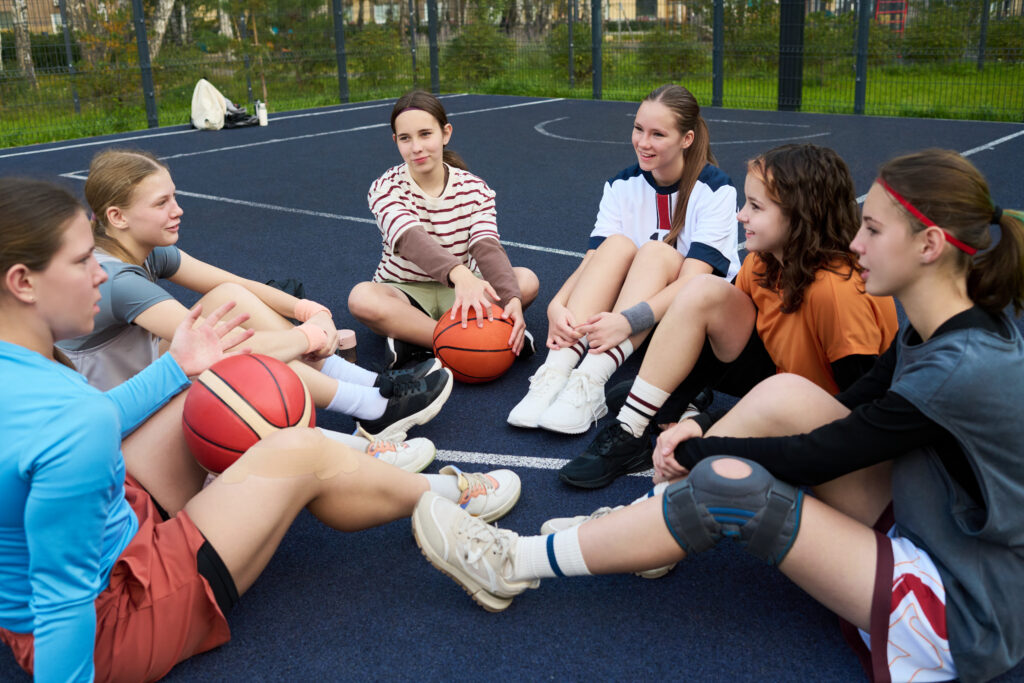
Fall sports don’t ease in. They kick the door open.
Suddenly, you’re bombarded with practices, games, weekend leagues, early alarms, and late pickups. Without warning, your body is required to perform as though fully conditioned, despite minimal preparation.
That’s why fall sports readiness matters. Whether you’re a teen athlete heading into school sports, a parent trying to help your athlete stay healthy, or an adult returning to the sport you still swear you’re “just doing for fun,” the season asks a lot from the body.
The goal isn’t to make athletes train like professionals or panic over every sore muscle. It’s to help the body handle more movement, more intensity, and more repetition with a little less chaos and a lot less guesswork.
Your Fall Sports Readiness Checklist
Once the season starts, everything speeds up. The schedule gets fuller, the pace gets sharper, and the body has to keep up before it’s had much time to adjust. That’s exactly why a checklist helps. It gives athletes a simple way to pay attention before small issues turn into bigger ones.
Use this as a practical guide before and during the season. You don’t need to do everything perfectly, but you do need to pay attention.
The best plan is the one athletes can actually follow.
1. Check How Your Body Feels Before the Season Starts
Before practices and games take over, notice what your body is already telling you. That stiff ankle, sore knee, tight shoulder, or cranky low back may seem minor now, but fall sports have a way of turning whispers into announcements.
Pay attention to pain, stiffness, weakness, or movement that feels different from one side to the other. If something has been bothering you for weeks, it probably won’t magically disappear because the schedule got busier.
A proactive check-in, like a sports injury and functional movement screening, can help identify areas that may need support before activity increases.
2. Build Strength Before the Schedule Gets Busy
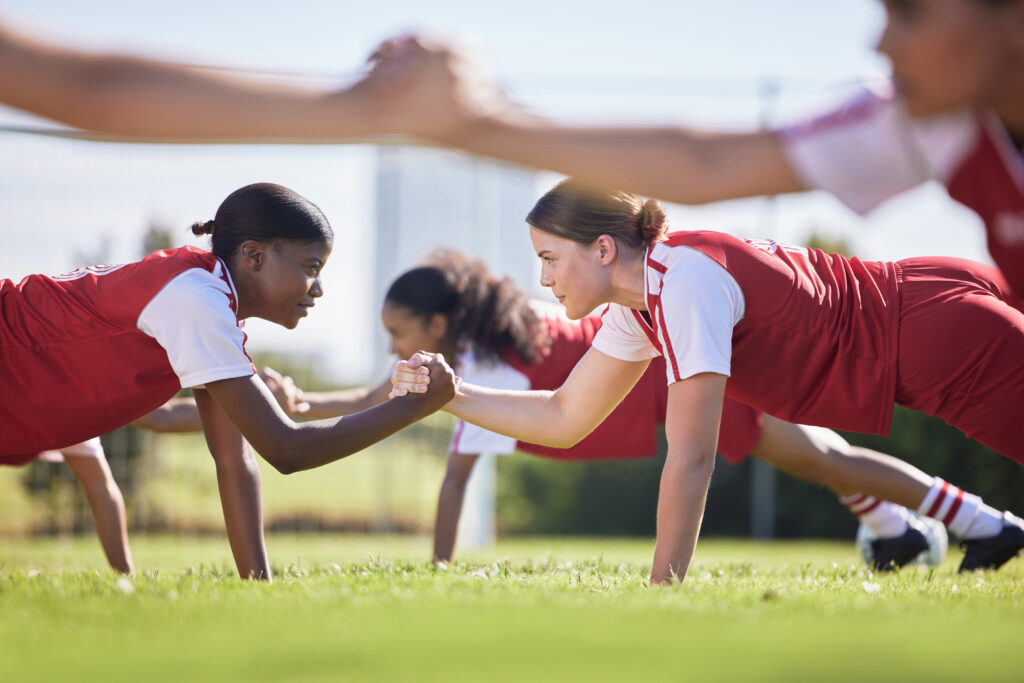
Strength helps athletes absorb impact, change direction, sprint, jump, land, throw, swing, and stay steady when fatigue sets in. In other words, strength does a lot of the behind-the-scenes work while everyone else gets the highlight reel.
For teen athletes, strength work should match their age, sport, and movement needs. For adult athletes, strength can help the body handle sudden increases in activity, especially after time away.
A simple strength routine may focus on:
- Hips and glutes.
- Core control.
- Legs and ankles.
- Shoulders and upper back.
- Sport-specific movement patterns.
Strength doesn’t need to be flashy to be useful. It helps athletes move with more control and hold up better as the season wears on.
3. Make Mobility Part of the Warm-Up
A quick stretch before practice may feel productive, but the body usually needs more than a few seconds of toe touches and good intentions. A better warm-up prepares the muscles, joints, and movement patterns you’re about to use.
Mobility helps athletes move through the positions their sport requires. That may include sprinting, cutting, jumping, rotating, reaching, throwing, or changing direction.
Ivy Rehab’s guide to dynamic stretching for mobility and injury prevention explains why movement-based warm-ups can help prepare the body before activity.
A useful warm-up may include:
- Light cardio to raise body temperature.
- Dynamic movements for the hips, ankles, shoulders, or spine.
- Balance and control drills.
- Sport-specific movement patterns.
- A gradual build-up to faster movement.
A good warm-up should look like a quieter version of the sport you’re about to play.
4. Practice Balance, Landing, and Control
Balance isn’t just standing on one foot and hoping nobody notices you’re wobbling. In sports, balance means controlling your body while landing, cutting, pivoting, accelerating, decelerating, and reacting.
Poor control can place extra stress on the knees, ankles, hips, and spine. This matters for teen athletes in sports such as soccer, football, volleyball, field hockey, cheerleading, and tennis. It also matters for adult athletes who play pickleball, golf, softball, run, or play weekend soccer.
Control work may include:
- Single-leg balance.
- Landing mechanics.
- Cutting and change-of-direction drills.
- Core stability exercises.
- Slower practice reps before full-speed movement.
Control gives the body a better chance when the game gets unpredictable.

5. Increase Workload Gradually
Here’s where many athletes get into trouble. The brain remembers last season. The body remembers last week.
A sudden increase in practices, miles, sprints, games, sets, reps, or tournaments can raise the risk of overuse. Ivy Rehab’s guide to overuse injury prevention explains how repeated stress can build when the body doesn’t have enough support, recovery, or time to adapt.
Gradual progress gives the body time to respond. That’s not weakness. That’s how training works.
Athletes can manage workload by:
- Building activity slowly.
- Avoiding sudden jumps in mileage or practice time.
- Taking soreness seriously when it changes movement.
- Planning recovery days.
- Speaking up when pain keeps returning.
The goal isn’t to avoid hard work. It’s to earn the hard work.
6. Watch for Pain That Changes Movement
Some soreness can be normal when activity increases. Pain that changes how you move is different.
If an athlete starts limping, favoring one side, avoiding certain movements, or losing confidence, the body is sending useful information. Ignoring it doesn’t make the athlete tougher. It usually just gives the problem more time to settle in and decorate.
Look for signs like:
- Pain that lasts more than a few days.
- Pain that repeatedly returns to the same area.
- Swelling, instability, limping, or weakness.
- Pain during running, jumping, cutting, throwing, or lifting.
- Trouble keeping up with practices, games, or workouts.
- Reduced confidence after a previous injury.
Remember: The body gives feedback for a reason.
7. Keep Recovery in the Plan
Recovery may not sound exciting, but neither does sitting out because the body never got a chance to adapt. Rest, sleep, hydration, and lighter days help the body handle more activity over time.
That’s especially important for young athletes. According to the American Academy of Pediatrics, overuse and overtraining can affect young athletes physically and mentally, which is why recovery and reasonable training loads matter.
Recovery doesn’t mean doing nothing. It means giving the body enough room to get stronger.
A solid recovery plan may include:
- Regular rest days.
- Enough sleep.
- Hydration before and after activity.
- Cooldowns after practice or games.
- Light movement on lower-intensity days.
- Honest communication about pain and fatigue.
Staying ready means knowing when to push and when to reset.
8. Know When to Ask for Help
Athletes don’t have to wait until they’re sidelined to see a physical therapist. Earlier support can make the path forward clearer, easier, and less frustrating.
A physical therapist can look at strength, mobility, balance, posture, gait, landing mechanics, and sport-specific movement. For runners, cross-country athletes, and adults returning to running-heavy routines, running analysis may help identify movement patterns that affect comfort or performance.
Physical therapy may help athletes:
- Understand what’s contributing to pain.
- Build strength and mobility safely.
- Improve balance and movement control.
- Return to activity after an injury
- Prepare for sport-specific demands
Getting help early can keep the season from being shaped by pain.
Get Ready to Move with More Confidence
A strong season isn’t only measured by speed, strength, or wins. It’s also measured by how prepared your body feels, how confidently you move, and how well you can keep doing what you enjoy.
Whether you’re preparing for a school season, returning to a recreational league, or helping the athlete in your life stay active, Ivy Rehab Physical Therapy can help. Our teams support athletes with personalized care focused on movement, strength, recovery, and confidence.
If you’re ready to feel more prepared for the season ahead, find an Ivy Rehab location near you and ask how physical therapy can support your fall sports goals.
References
- American Academy of Pediatrics. “Overuse Injuries, Overtraining, and Burnout in Young Athletes.” Pediatrics (2024). https://publications.aap.org/pediatrics/article/153/2/e2023065129/196435/Overuse-Injuries-Overtraining-and-Burnout-in-Young
- Centers for Disease Control and Prevention. “Physical Activity Guidelines for School-Aged Children and Adolescents.” (2024). https://www.cdc.gov/physical-activity-education/guidelines/index.html

Before you go
Find the right therapy today.
Discover how Ivy Rehab can help you get back to doing what you love.