Tight hamstrings and back pain often occur together, especially after long periods of sitting, driving, or working at a desk. You may feel pulling in the back of your thighs, stiffness in the lower back, or pain when you bend forward.
Hamstring stretches can help some people, but tightness isn’t always the root cause. Sometimes the hamstrings need more flexibility. Other times, the issue is limited range of motion, muscle imbalances, or irritation from the lower back or sciatic nerve.
Low back pain affected 619 million people globally in 2020, according to the World Health Organization. Because tight hamstrings and back pain can affect how your hips, pelvis, and lumbar spine move together, physical therapy can help identify what’s causing the symptoms and build a plan that fits your daily routine.
Key Takeaways
- Tight hamstrings and lower back pain can be connected through the pelvis, lumbar spine, glutes, and hip flexors.
- Hamstring stretches may help with muscle tightness, but stretching alone may not fix pain if sciatica, muscle imbalances, or movement patterns are involved.
- Gentle hamstring stretches and strengthening exercises should stay pain-free and shouldn’t cause symptoms to travel down the leg.
- Physical therapy can help identify the root cause and create a treatment plan for back pain relief, better mobility, and safer movement.
Quick Navigation
- How Tight Hamstrings and Back Pain Are Connected
- When Tightness May Be Sciatica
- Common Causes of Tight Hamstrings and Back Pain
- Hamstring Stretches and Exercises to Try
- How Physical Therapy Helps

How Tight Hamstrings and Back Pain Are Connected
The hamstrings attach to the sitting bones of the pelvis and run down the back of the thighs. When they feel tight, they can change how the pelvis moves and how the lower back handles bending, sitting, and lifting.
That doesn’t always mean tight hamstrings cause low back pain. Back pain can also make the hamstrings feel tight because the body protects sore areas by limiting movement.
That’s why stretching is only one part of back pain relief. The best approach depends on whether the tightness comes from the hamstrings, the lower back, the nerves, or the way your body moves during daily activities.
When Tightness May Be Sciatica
Sometimes the back of the thigh feels tight because a nerve is irritated. Sciatica can cause pain, tingling, numbness, or an electric feeling that travels from the lower back into the buttock or leg.
This matters because a nerve problem may feel like tight hamstrings, but it usually won’t respond the same way to static stretching. If a hamstring stretch causes symptoms to shoot down the leg, creates numbness, or feels worse afterward, don’t force it.
A physical therapist can help determine whether the tight feeling is coming from hamstring flexibility, nerve irritation, or both. That distinction helps guide the right treatment plan.
Common Causes of Tight Hamstrings and Back Pain
Tight hamstrings and lower back pain can come from several overlapping issues. The most common causes usually involve posture, strength, flexibility, activity level, or nerve irritation.
Prolonged Sitting
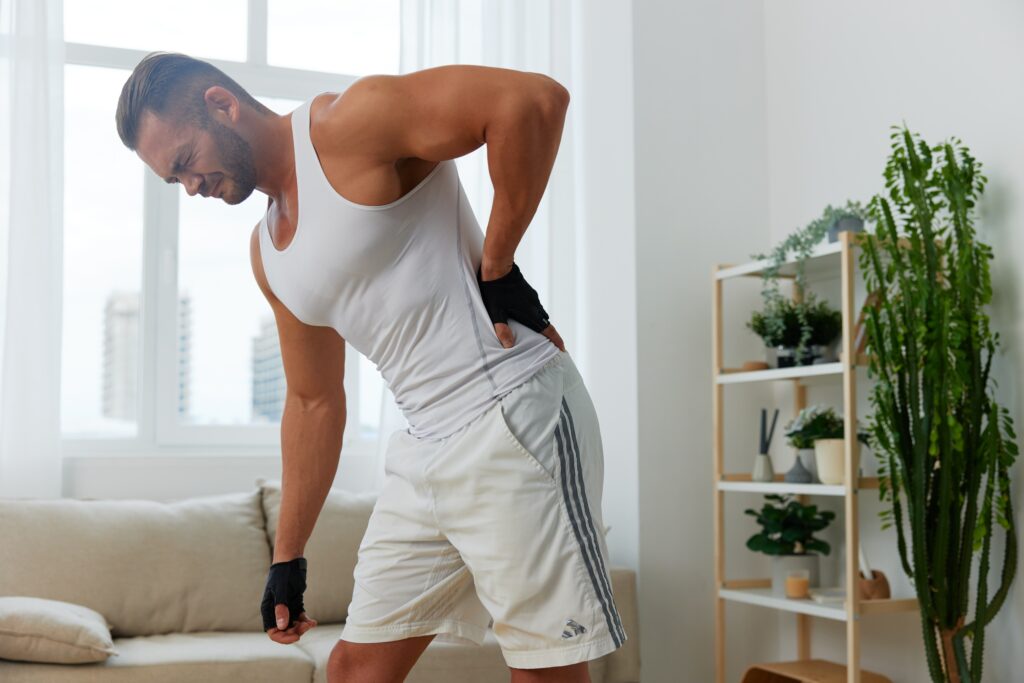
Sitting for long periods can tighten the hip flexors, keep the hamstrings in one position, and make the glutes work less efficiently. Over time, this can strain the lower back and make the backs of your thighs feel stiff.
Muscle Imbalances
Weak glutes, limited core strength, or overworked back muscles can change how your hips and lumbar spine share load. When that happens, the hamstrings may feel like they’re always working too hard.
Limited Hamstring Flexibility
Some people have tight hamstring muscles that don’t move as freely as they should. In that case, gentle stretching exercises can improve range of motion when they’re done consistently and without sharp pain.
Nerve Irritation
Sciatica or irritation near a nerve root can mimic hamstring tightness. This is more likely if symptoms travel below the knee, include numbness or tingling, or worsen with certain back positions.
Hamstring Stretches and Exercises to Try
Start with a small range of motion and control the movements. The motions should feel comfortable, not sharp. Stop if pain travels down the leg, causes numbness or tingling, or lingers after you’re done.
Standing Hamstring Stretch
Place one heel on a low step, stool, or curb. Keep your knee mostly straight and hinge forward from your hips until you feel a gentle stretch in the back of your thigh. Hold for 15 to 30 seconds, then switch sides.
Keep your back long instead of rounding toward your toes. This helps stretch the hamstring without adding as much strain to the lower back.
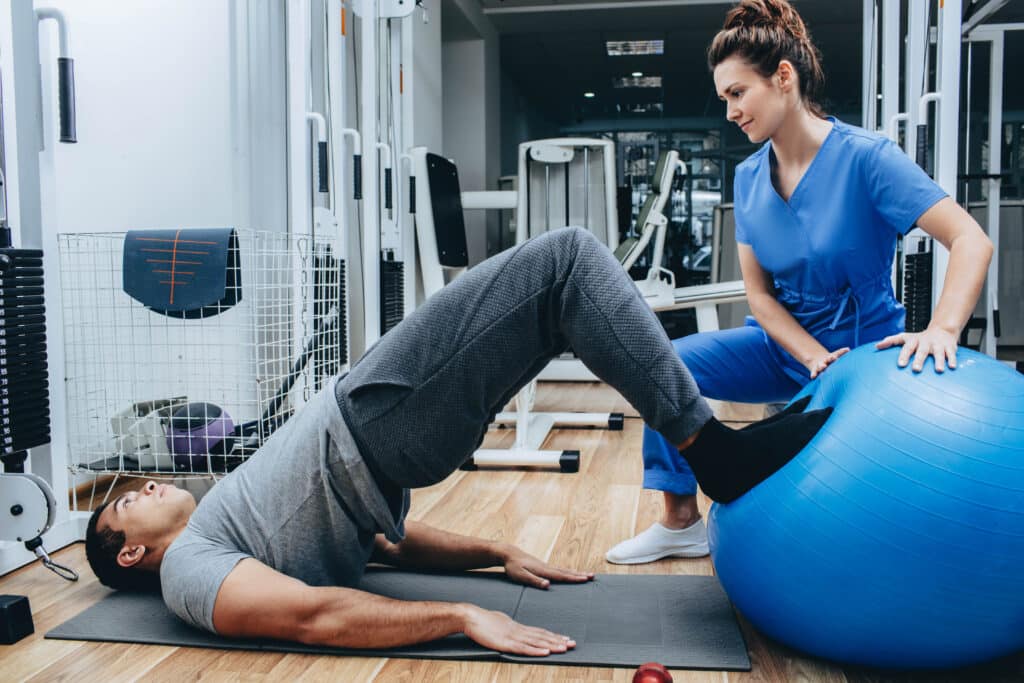
Glute Bridge
Lie on your back with your knees bent and feet flat. Tighten your glutes and lift your hips until your body forms a straight line from shoulders to knees. Slowly lower and repeat eight to 10 times.
Glute bridges build strength through the hips and glutes, which can reduce the need for the lower back and hamstrings to compensate.
Hip Hinge Practice
Stand with your feet about hip-width apart. Push your hips back like you are closing a car door behind you, keeping your back long and your knees slightly bent. Return to standing by squeezing your glutes.
This pattern supports safer bending and lifting. Add weight only when the movement feels easy, controlled, and pain-free.
How Physical Therapy Helps
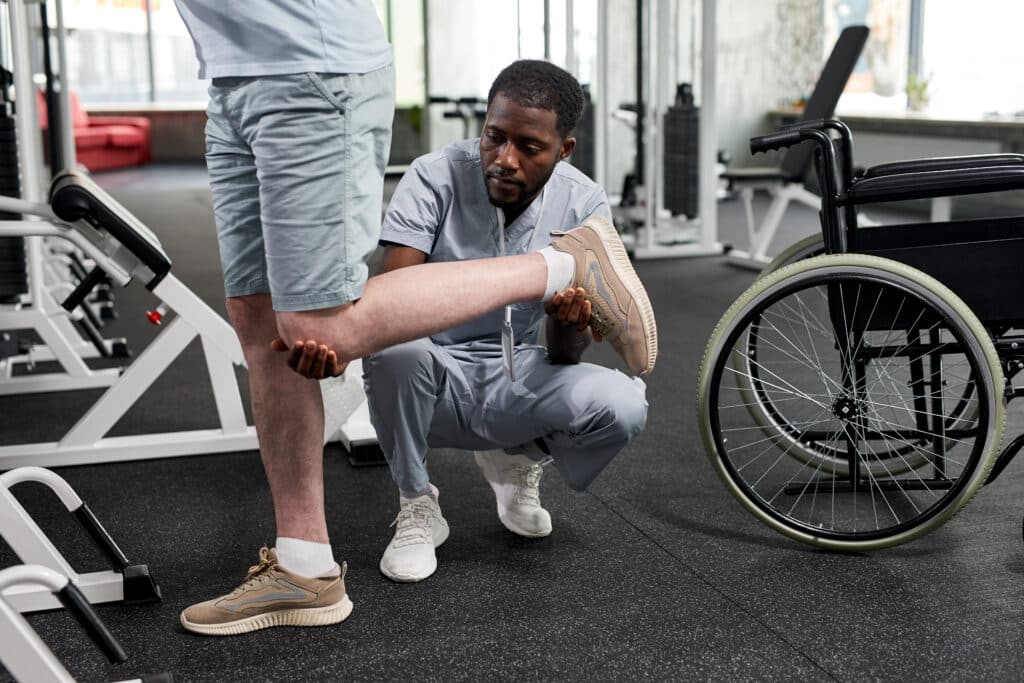
Physical therapy can help when tight hamstrings and back pain keep returning, limit physical activity, or don’t improve with a daily stretching or exercise routine. A physical therapist may check hamstring flexibility, hip flexors, glute strength, lumbar spine movement, nerve symptoms, and the way you bend, lift, sit, or walk.
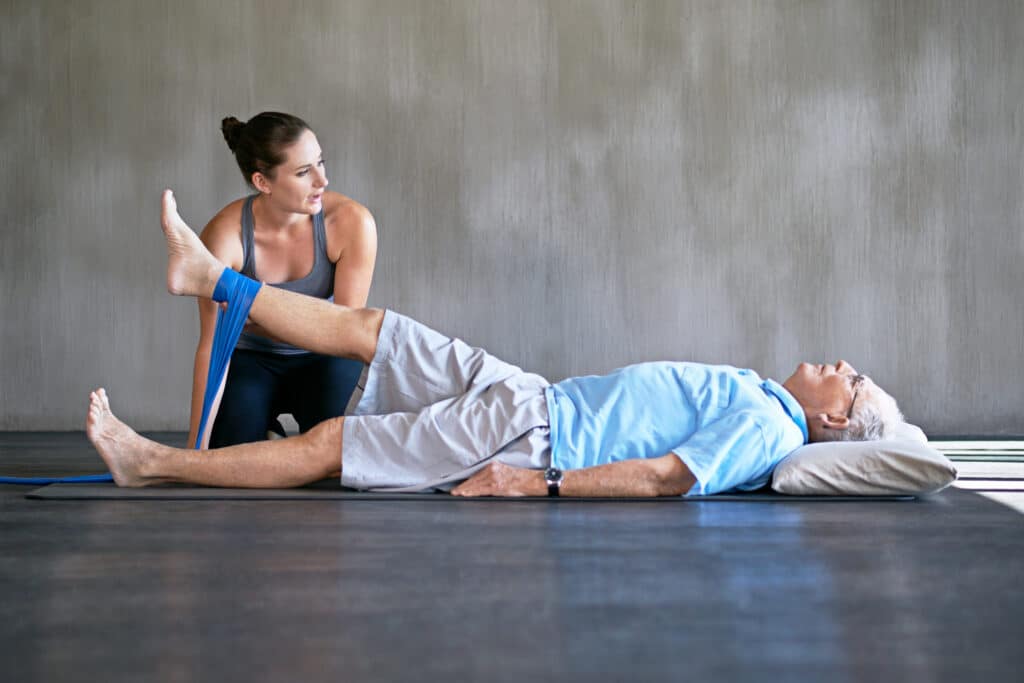
Treatment may include mobility work, hamstring stretches, strengthening exercises, movement training, hands-on care, and pain management strategies. Through Ivy Rehab Therapy’s low back pain and orthopedic therapy services, a physical therapist can help build a treatment plan that supports better movement, less strain, and back pain relief that holds up during daily life.
FAQs
Can Tight Hamstrings Cause Lower Back Pain?
Yes, tight hamstrings can contribute to lower back pain by changing how the pelvis and lumbar spine move. But the connection can go both ways. Lower back pain can also make the hamstrings feel tight because the body limits movement to protect the sore area.
Is It Better to Stretch or Strengthen Tight Hamstrings?
Many people need both. Hamstring stretches can improve flexibility, while strength training helps the hamstrings, glutes, and lower back handle daily movement more effectively. If stretching makes symptoms worse, stop and get guidance before continuing.
When Should I See a Physical Therapist?
Consider physical therapy if tightness and back pain keep returning, limit daily activities, or don’t improve after a few weeks of gentle stretching and movement. Get checked sooner if you have numbness, tingling, weakness, sciatica symptoms, or pain that travels down the leg.
Talk to a Physical Therapist About Tight Hamstrings and Back Pain
Tight hamstrings and back pain can feel like a frustrating loop, but it’s not one you have to guess your way through. The right plan can help you understand what’s tight, what’s weak, and what needs to move better.
Find an Ivy Rehab Therapy location near you if tight hamstrings and back pain are affecting work, sleep, exercise, or daily activities. A physical therapist can create a treatment plan that supports safer movement and more comfortable routines.
Key Terms
Lumbar spine: The lower part of the spine. It works with the pelvis, hips, glutes, and hamstrings during bending, lifting, walking, and sitting.
Hamstrings: Muscles on the back of your thighs that help bend the knee and extend the hip.
Sciatica: Pain, numbness, tingling, or weakness that can travel from the lower back into the buttock, leg, or foot when a nerve is irritated.
References
- Low Back Pain. World Health Organization. Accessed March 2026. https://www.who.int/news-room/fact-sheets/detail/low-back-pain
- Physical Therapy Guide to Low Back Pain. ChoosePT. Accessed March 2026. https://www.choosept.com/guide/physical-therapy-guide-low-back-pain
- Physical Therapy Guide to Lumbar Radiculopathy and Sciatica. ChoosePT. Accessed March 2026. https://www.choosept.com/guide/physical-therapy-guide-lumbar-radiculopathy-sciatica
- Spine Conditioning Program. OrthoInfo. Accessed March 2026. https://orthoinfo.aaos.org/globalassets/pdfs/spine-conditioning-program.pdf
- Straight Leg Raise Test. StatPearls. Accessed March 2026. https://www.ncbi.nlm.nih.gov/books/NBK539717/

Before you go
Find the right therapy today.
Discover how Ivy Rehab can help you get back to doing what you love.