
Running seems simple. One foot in front of the other, a little fresh air, maybe a good playlist. But beneath that simplicity is a surprisingly complex movement pattern. Small differences in stride, posture, and cadence can quietly influence comfort, efficiency, and injury risk.
A running gait analysis evaluates how the body moves during running. It examines stride mechanics, foot strike patterns, cadence, and alignment from head to toe.
Physical therapists use gait analysis to identify movement patterns that may contribute to pain, inefficiency, or recurring injuries. The insights gathered help guide exercise recommendations, running form cues, and safe return‑to‑running plans so runners can keep doing what they love with fewer setbacks.
What Is a Gait Analysis for Running?
A running gait analysis assessment evaluates how a runner’s body moves throughout the running cycle. The goal is to understand how forces travel through the body with every stride.
Rather than zeroing in on a single joint or muscle, gait analysis examines how the whole-body movement system works together. Physical therapists examine how the feet, knees, hips, pelvis, and trunk coordinate during running.
When inefficient movement patterns appear, they can place extra stress on certain tissues. Identifying those patterns helps guide treatment and training recommendations that support healthier running mechanics.
Why Runners Get a Gait Analysis
Ivy Rehab also offers a dedicated Running Analysis program for runners looking to improve efficiency and reduce injury risk.
Runners often pursue gait analysis to gain clarity. Maybe a nagging ache keeps showing up after long runs, or perhaps they simply want to move more efficiently and stay ahead of injuries.
The evaluation provides valuable insight into how movement patterns may influence symptoms, performance, and long‑term running health.
To make sense of what’s driving symptoms or limiting performance, it helps to break the evaluation into a few key areas therapists focus on.
Injury Concerns
Recurring pain during or after running is one of the most common reasons runners seek gait analysis and athletic therapy.
Runners experiencing the following symptoms may benefit from evaluation. The knee, ankle, and lower leg are among the most commonly affected areas, which is why these symptoms often show up first:
- Knee pain during or after runs.
- Shin pain or shin splints.
- Hip or glute discomfort.
- Achilles or calf tightness.
- Recurrent overuse injuries.
Nearly half of all runners experience an injury each year, and most of these are related to repetitive stress rather than a single event. Understanding how you move can help uncover why that stress is building up, whether it’s related to running form, workload, or mobility limitations. Sometimes the body is simply asking for a small adjustment rather than a full overhaul.
Performance and Efficiency
Not all runners come in because something hurts. Many simply want to understand how efficiently they move.
Small adjustments in cadence, posture, or stride length can improve stride efficiency and running economy and reduce unnecessary strain. For runners wondering if running gait analysis is worth it, the answer often depends on whether improving efficiency or preventing injury is a goal.

What Happens During a Running Gait Analysis?
A typical gait analysis combines a conversation about training habits with a physical assessment and observation of running mechanics, similar to Ivy Rehab’s Running Analysis program.
Think of it as detective work for movement. Each step provides clues.
History and Symptom Review
The evaluation usually begins with a conversation about the runner’s background.
Topics may include:
- Weekly mileage and training volume.
- Previous injuries.
- Current symptoms during running.
- Running shoes and gear.
- Running surfaces.
- Running goals such as race preparation or returning after injury.
This context helps therapists interpret what they observe during the movement analysis.
Movement Assessment
Before observing running mechanics, physical therapists often assess mobility, strength, and balance.
The movement assessment may include:
- Hip mobility and strength.
- Ankle mobility.
- Core and trunk stability.
- Single‑leg balance and control.
Limitations in these areas can influence running mechanics and contribute to discomfort. Addressing them often helps the body move more efficiently during running.
Treadmill or Video Analysis
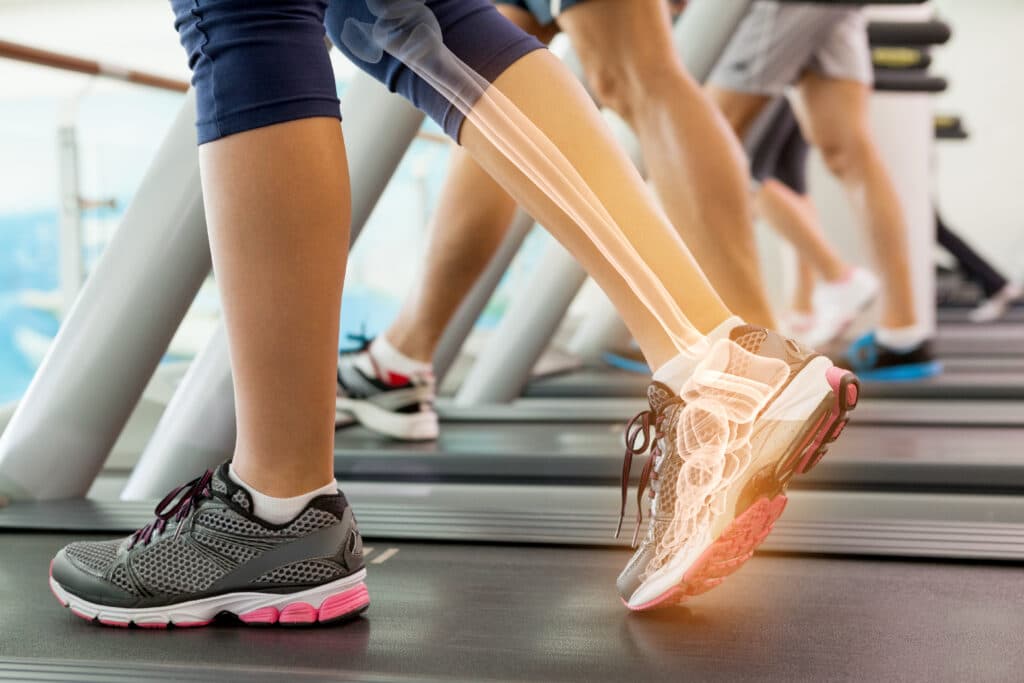
Many gait analyses involve running on a treadmill while being observed or recorded on video. Viewing movement from a side view and other angles allows therapists to identify subtle patterns that may not be visible in real time.
During this stage, therapists may evaluate:
- Heel, midfoot, or forefoot strike pattern.
- Step rate (cadence).
- Stride length.
- Trunk posture and alignment.
- Arm swing, shoulder position, and symmetry.
Video playback can be especially helpful. Seeing your own running form often brings those “aha” moments that words alone can’t quite deliver.
What a Physical Therapist Looks For During Analysis
The goal of a running gait analysis evaluation is to determine patterns that may affect comfort or performance.
Common elements examined include:
- Cadence or step rate.
- Foot strike pattern, including whether the foot has a neutral roll, overpronation (rolling inward), or underpronation (rolling toward the outer edge).
- Overstriding.
- Hip and knee control, including knee lift and push-off mechanics.
- Pelvic or trunk stability.
- Arm swing and overall symmetry.
Each of these factors influences how efficiently load and forces travel through the body during running. Small improvements can sometimes make a surprisingly big difference over thousands of steps.
Is Running Gait Analysis Worth It?
Many runners ask if running gait analysis is worth it before scheduling an evaluation.
For many people, the value comes from understanding how their body moves. Instead of guessing about form changes or training adjustments, runners receive individualized guidance grounded in movement analysis.
Gait analysis can be particularly helpful for runners who:
- Experience pain during training.
- Are returning after injury.
- Want to improve running efficiency.
- Feel uncertain about their running form.
Even experienced runners sometimes discover small adjustments that make running feel smoother and more sustainable.
What Happens After the Analysis?
The real value of a running gait analysis lies in how the findings shape the next steps.
From here, your plan typically focuses on a few key areas designed to support better movement and reduce strain.
Exercise Recommendations
Physical therapists often recommend exercises that address the runner’s specific weaknesses and imbalances.
These may include:
- Strength training for the hips and glutes.
- Flexibility and mobility exercises for ankles and hips.
- Balance and control drills.
Building strength and mobility helps support healthier running mechanics and may reduce strain during training.
Running Form Cues
Sometimes, small adjustments to running form can reduce stress on certain joints or tissues.
Examples of form cues may include:
- Slight cadence adjustments.
- Posture improvements.
- Shorter stride length.
These changes are introduced gradually and individualized to each runner. The goal is to make running feel more natural, not overly complicated.
Return‑to‑Running Guidance
Runners recovering from injury may benefit from structured progression plans.
Physical therapists can help modify mileage, intensity, and training frequency to reduce the risk of reinjury. Gradual progressions help runners rebuild confidence as they return to normal training.
Get Back in the Game Stronger
Comprehensive rehabilitation for sports injuries and performance enhancement.
Who Benefits Most From Running Gait Analysis?
Although any runner can gain insight from gait analysis, certain groups often benefit the most.
These include:
- Runners recovering from injury.
- New runners building mileage.
- Athletes returning after time away from running.
- Runners experiencing recurring pain.
Understanding mechanics early can help prevent small issues from becoming bigger interruptions to training.
Why Choose Ivy Rehab for Running Gait Analysis
Running analysis works best when clinical expertise and individualized care meet.
The physical therapists at Ivy Rehab Therapy evaluate how strength, mobility, and running mechanics interact through Running Analysis and personalized rehab planning. Their goal is to improve movement efficiency while reducing unnecessary strain on joints and muscles.
Treatment plans may include exercise programs, movement retraining, and return‑to‑running guidance designed around each runner’s goals.
Run Smarter and Stay Strong
Understanding running gait analysis helps runners make informed decisions about their training and recovery. A gait evaluation provides insight into how movement patterns influence comfort, performance, and injury risk.
For runners wondering if running gait analysis is worth it, the answer often comes down to knowledge. When runners better understand how their body moves, they can train smarter, recover more confidently, and continue running for years to come.
If you’re ready to run with more confidence and fewer setbacks, Ivy Rehab Therapy can help you move better and stay on track with your goals.
Find an Ivy Rehab location near you to get started with a personalized running gait analysis and a plan designed to help you run with less pain and more efficiency.
References
- Runner’s World. (2023). What Is Running Gait Analysis? https://www.runnersworld.com/uk/training/a42293018/gait-analysis/
- Napier, C., et al. (2020). Running biomechanics and injury prevention. British Journal of Sports Medicine. https://pmc.ncbi.nlm.nih.gov/articles/PMC8329326/
- Videbaek, S., et al. (2015). Incidence of running-related injuries per 1000 h of running in different types of runners: A systematic review and meta-analysis. Sports Medicine. https://pmc.ncbi.nlm.nih.gov/articles/PMC4469466/

Before you go
Find the right therapy today.
Discover how Ivy Rehab can help you get back to doing what you love.