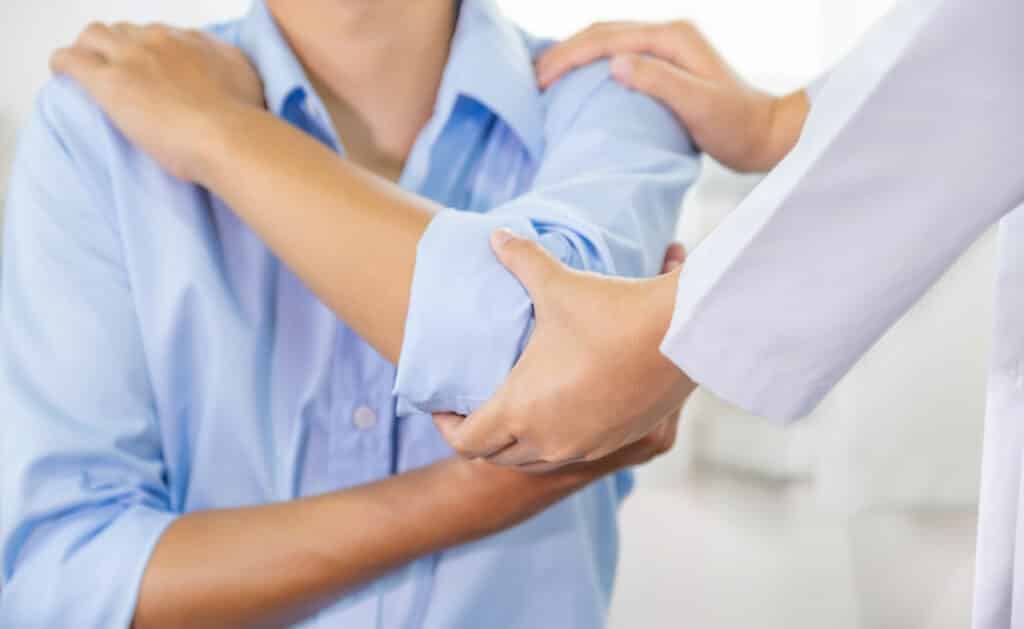


Elbow pain has a way of slipping into everything you do. Maybe it started as a small ache when you typed or lifted something overhead. Maybe it came on after a long weekend of yardwork or a tough game. However it began, once pain settles in, simple movements—turning a doorknob, pouring a cup of coffee, gripping your steering wheel—feel harder than they should.
The good news is that physical therapy for an injured elbow offers a safe, effective, non-surgical way to ease discomfort and restore strength. PT helps you move comfortably again by addressing the irritated tissues, the surrounding muscles, and the everyday patterns that may be adding stress without you realizing it.
At Ivy Rehab, our physical therapists help build treatment plans that match your goals, your routine, and the specific cause of your symptoms. Here’s how elbow rehabilitation physical therapy works, what conditions it can treat, and what a typical recovery looks like.
Common Causes of Elbow Pain
Elbow pain often develops because the tissues around the joint are taking on more stress than they’re built for. Sometimes the cause is obvious, like a fall or heavy lift. More often, the pain builds slowly from repeated activities that irritate the tendons and muscles over time.
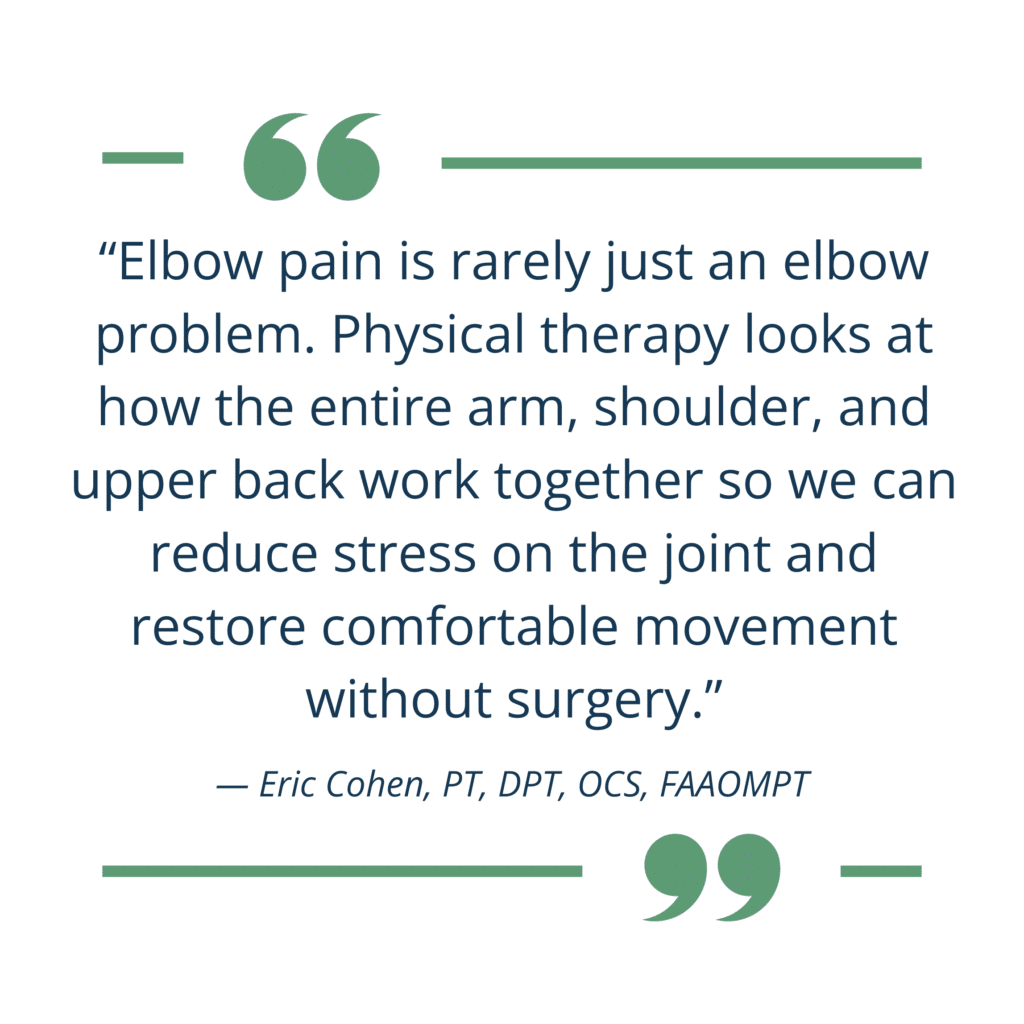
Physical therapists also look beyond the elbow to understand the full story. Your wrist, shoulder, and upper back all influence how force moves through your arm. If those areas aren’t moving well or aren’t strong enough, the elbow ends up doing too much work.
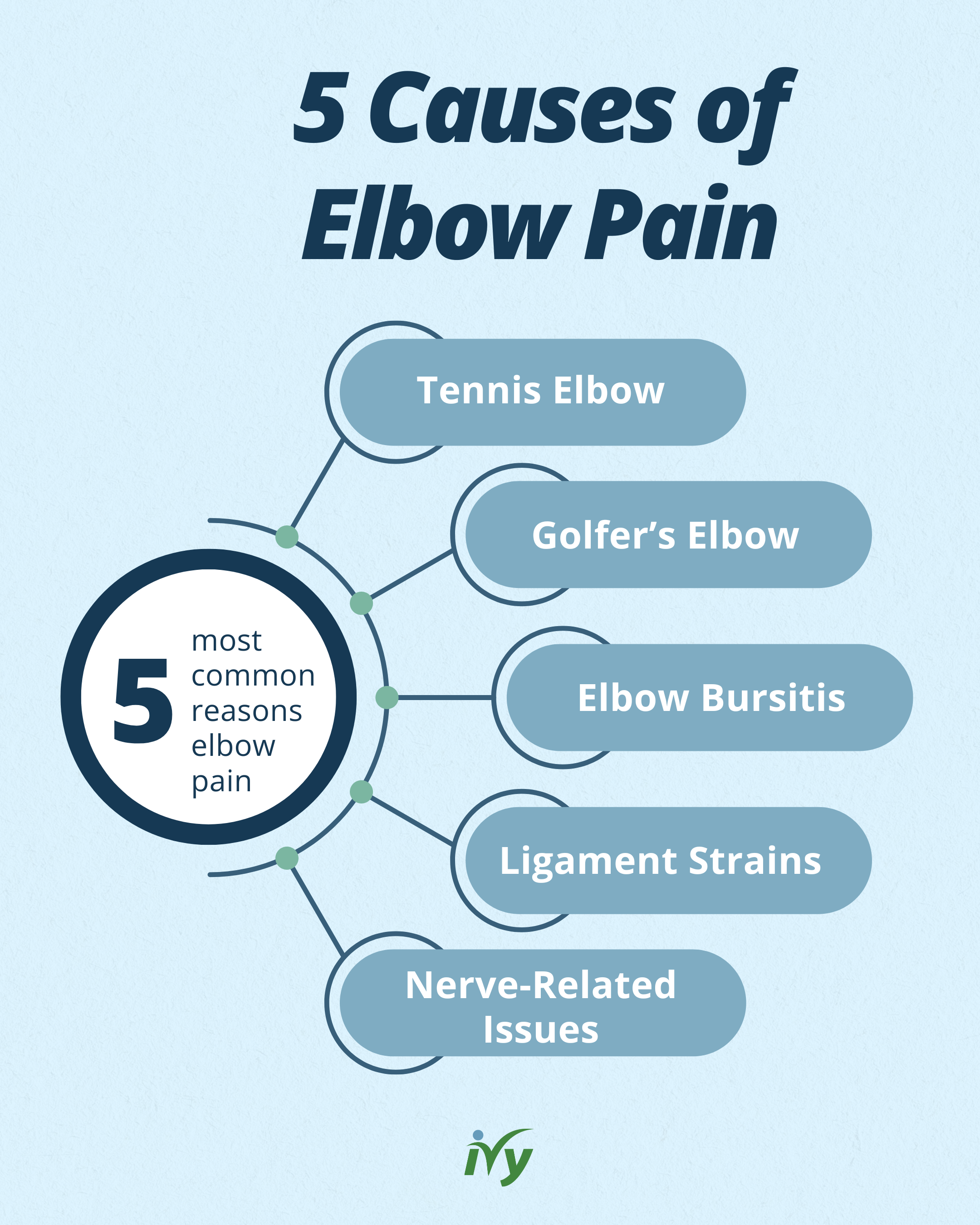
Here are the most common reasons elbow pain develops:
- Tennis Elbow (Lateral Epicondylitis)
Irritation of the tendons on the outside of the elbow from gripping, typing, lifting, using tools, or repetitive wrist extension. You don’t have to play tennis to develop it. - Golfer’s Elbow (Medial Epicondylitis)
Pain on the inner side of the elbow related to wrist flexion, gripping, or pulling motions. Again, you don’t need to play golf for this to show up. - Elbow Bursitis
The small bursa at the tip of the elbow can become irritated from pressure, a bump, or overuse, leading to noticeable swelling, tenderness, and difficulty leaning on your arm. - Ligament Strains or Sprains
A sudden twist, fall, or heavy lift can stress the ligaments that stabilize your elbow, leading to pain and stiffness. These injuries are common in athletes or manual laborers. - Postural or Nerve-Related Issues
Stiffness or weakness in the shoulder, neck, or wrist can shift stress down to the elbow. Sometimes what feels like elbow pain actually starts elsewhere in the arm.
Signs You May Benefit from Physical Therapy
Elbow pain is your body’s way of telling you something needs attention. If any of these feel familiar, elbow rehabilitation physical therapy can help:
- Pain when gripping, twisting, or lifting
- Stiffness that limits bending or straightening your arm
- Swelling or tenderness that sticks around for more than 7–10 days
- Weakness in your arm, hand, or wrist
- Tingling or numbness that moves into your fingers
- A heavy or “dead arm” feeling during or after activity
- Pain that returns every time you resume normal use
If home remedies haven’t helped or the pain keeps coming back, guided support can help you get ahead of it.
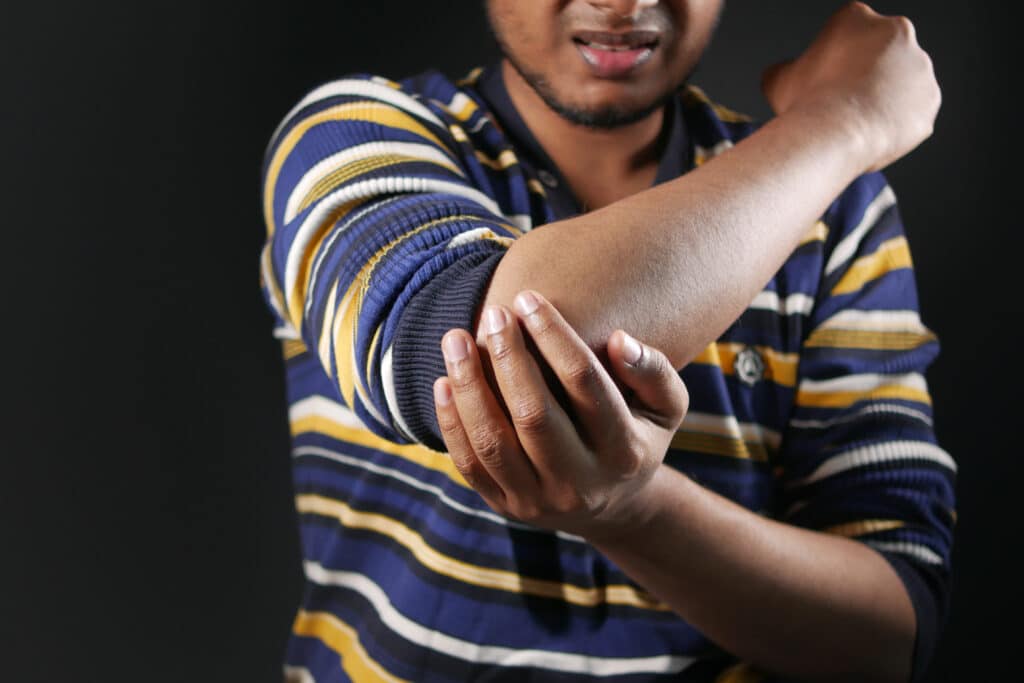
How Physical Therapy Helps Elbow Pain
Physical therapy treats the source of your discomfort, not just the symptoms. By improving how the elbow moves, strengthening the surrounding muscles, and teaching you better movement strategies, PT helps you feel stronger and more confident doing what you love.
Here’s what a customized treatment plan may include:
Manual Therapy
Hands-on care helps reduce pain and stiffness. Your therapist may use gentle joint mobilizations to improve elbow movement or soft-tissue techniques to reduce tension in the forearm and upper-arm muscles. These approaches help your arm feel better so you can begin strengthening without irritation.
Therapeutic Exercise
Improving strength is a key part of healing elbow pain. Tendons recover best when they’re loaded gradually and consistently. Your physical therapy exercises may include:
- Forearm and wrist strengthening
- Grip training
- Shoulder and scapular stability work
- Upper-back and core exercises that support healthier movement
When the shoulder, wrist, and upper back are strong, your elbow doesn’t have to work as hard. This is one reason PT is often more effective long-term than rest alone.
Flexibility and Stretching Work
Tight muscles can pull on irritated tendons and place extra stress on the elbow. Stretching and mobility exercises for the wrist, forearm, shoulder, and upper back help restore comfortable movement and reduce tension during daily tasks.
Modalities for Pain Relief
During the early stages of rehab, reducing discomfort helps you stay active without overloading the joint. Your therapist may use ice, heat, ultrasound, or electrical stimulation to reduce irritation and make strengthening easier.
Education & Ergonomic Training
Small changes in your routine often make a big difference. Your therapist may help adjust your workstation, show you a new way to lift or carry objects, or modify your grip on tools or sports equipment. These strategies help prevent symptoms from returning and keep daily activities manageable.
Personalized Therapy for Lasting Relief
Experience tailored physical therapy programs designed to alleviate pain and restore function.
Conditions PT Can Treat Without Surgery
Physical therapy is often the first and most effective step for many elbow conditions, including:
- Tennis elbow or golfer’s elbow
- Tendonitis or mild tendon tears
- Post-fracture stiffness
- Overuse injuries from work or athletics
- Mild nerve irritation or compression
For young athletes, early intervention is especially important. Overuse conditions or sports-related injuries like Little League Elbow respond well to rest, movement assessment, mechanics correction, and a gradual return-to-throwing program designed around the athlete’s age and growth stage.
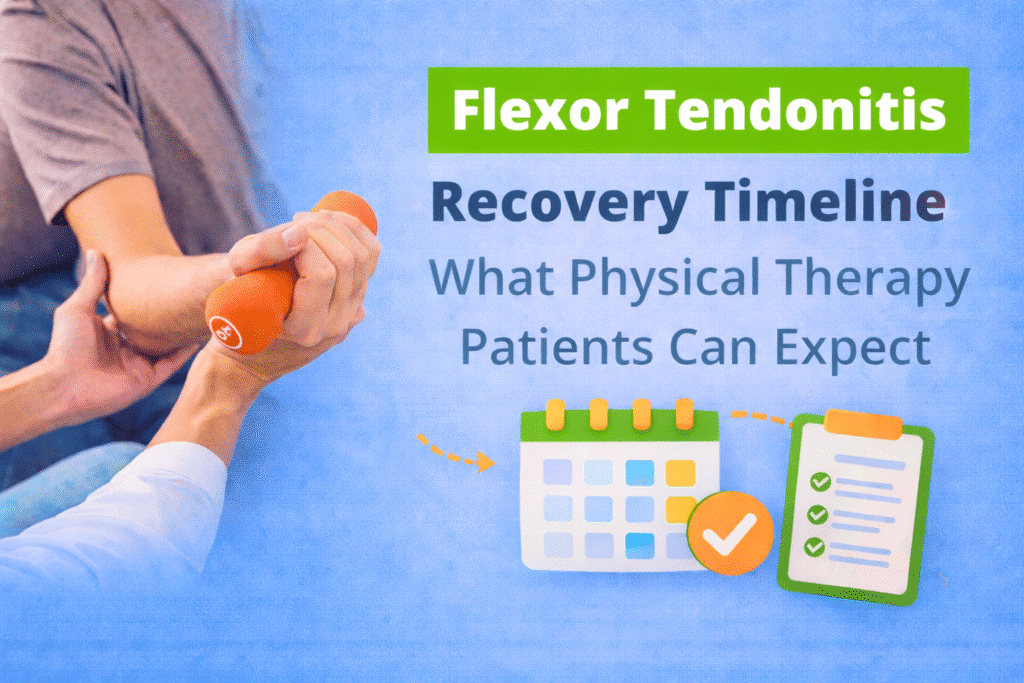
Recovery Timeline: What to Expect
Every recovery is different, but most people notice improvements in pain reduction and range of motion within a few weeks of consistent therapy. A typical timeline may look like this:
- Early Phase (Weeks 1–2)
- Reduce pain and swelling
- Begin gentle motion
- Identify the activities or patterns contributing to irritation
- Middle Phase (Weeks 3–8)
- Increase strength in the forearm, wrist, shoulder, and upper back
- Add gradual tendon loading
- Improve flexibility and joint mobility
- Reintroduce daily tasks with better mechanics
- Later Phase (Weeks 8–12+)
- Build endurance and functional strength
- Practice sport- or work-related tasks
- Learn simple habits that help prevent future flare-ups
Most tendon-related elbow pain improves over a 6- to 12-week period with consistent rehab
Why Choose Ivy Rehab for Elbow Pain Treatment
At Ivy Rehab, we don’t just focus on the irritated tissue. We look at how your whole arm moves, what your day looks like, and what matters most to you. Our clinicians use evidence-based techniques, individualized exercise programs, and supportive guidance to help you move comfortably and confidently.
You can expect:
- One-on-one support from orthopedic and sports-trained clinicians
- Personalized plans built around your life and goals
- A welcoming, encouraging environment
- A focus on long-term strength, comfort, and confidence
We meet you where you are and help you take meaningful steps forward.
Step into a Life with Less Elbow Pain
Elbow pain doesn’t have to interrupt your day or keep you from the activities you enjoy. With expert support and a thoughtful plan, you can ease discomfort, rebuild strength, and return to your daily activities without surgery or long-term restrictions.
If you’re ready to get started, find your nearest Ivy Rehab clinic and schedule today. We’re here to help you move with comfort and confidence.
References
- American Academy of Orthopaedic Surgeons. Tennis Elbow (Lateral Epicondylitis). OrthoInfo. https://orthoinfo.aaos.org/en/diseases–conditions/tennis-elbow-lateral-epicondylitis/
- Nationwide Children’s Hospital. Elbow Injuries in Young Throwers. https://www.nationwidechildrens.org/specialties/sports-medicine/sports-medicine-articles/elbow-injuries-in-young-throwers
- Morrissey D. Guidelines and Pathways for Clinical Practice in Tendinopathy: Their Role and Development. J Orthop Sports Phys Ther. 2015;45(11):819–822. https://www.jospt.org/doi/10.2519/jospt.2015.0111

Before you go
Find the right therapy today.
Discover how Ivy Rehab can help you get back to doing what you love.