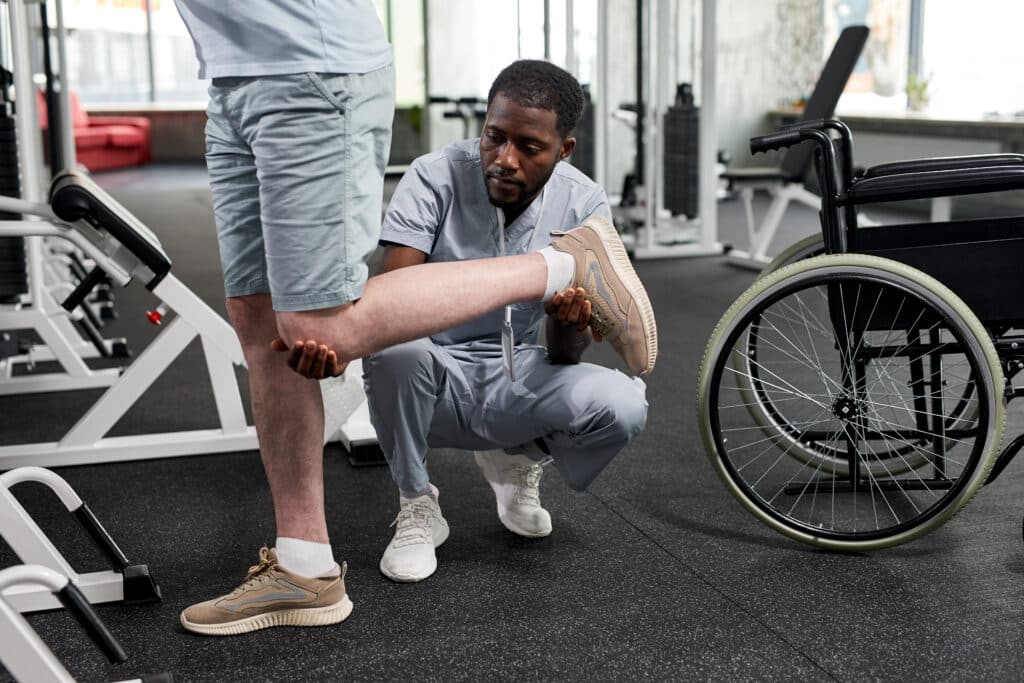
Attending physical therapy for rehab BEFORE your elective surgery (ie “Prehab”) can accelerate your post-operative recovery. Your physical therapist can address deficits in your range of motion, flexibility, strength, and balance. We can also assist with pain management while you are waiting to undergo your surgical procedure. Research shows that patients who attend physical therapy before surgery have better outcomes.
What Is It?
Prehab is participation in therapy-based movements and exercises in order to avoid injury, decrease pain, or to prepare for surgery. It is a proactive approach that can address deficits in strength, stability, range of motion, balance, and overall joint function. It is common before surgery or a procedure to enhance recovery. It can be used as a preventive measure to reduce the risk of injury and/or to optimize your functional ability and quality of life. Prehab can include exercises for general strength/conditioning, sports performance, or overall injury prevention. It is generally recommended to engage in prehab approximately 2 months prior to surgery. This allows your body enough time to build strength and best prepare you for your surgery. You should discuss the preparation and timeline for your procedure with your surgeon so you know when it would be best to begin Prehab.
Prehabilitation as a Whole-Body Approach
Prehabilitation is more than just exercise. It is a comprehensive approach that helps patients prepare physically and mentally for surgery. In addition to strengthening and mobility work, prehab programs may include education, breathing techniques, and strategies to improve overall health before surgery.
This approach is designed to help patients heal more efficiently after surgery and improve confidence going into the procedure.
Who Should Consider Prehab?
Prehab is commonly recommended for patients preparing for orthopedic procedures such as joint replacements, but it can also benefit individuals undergoing other types of surgery. Anyone looking to improve strength, mobility, and function before a procedure may be a good candidate.
Your provider can help determine if prehab is appropriate based on your condition, timeline, and goals.
Your Journey to Recovery Starts Here
Our expert therapists are committed to helping you achieve your health goals.
Should I Do Prehab Before I Have a Joint Replacement?
Engaging in exercises prior to a joint replacement prepares the body for extensive surgery and can help reduce recovery time.
For example, if you participated in exercises prior to a knee replacement, you will go into the surgery stronger and are less likely to be significantly weaker after. Prehab gives you, as a patient, a role in controlling your recovery. By setting yourself up for success prior to surgery, you are less likely to struggle in the recovery process after surgery.
What About Prehab for Other Surgeries?
Many patients who attend PT for shoulder or back pain prior to surgical interventions also report positive outcomes.
For example, if we can maximize your shoulder range of motion and strength without exacerbating your pain prior to surgery, we will already be at a better starting point when we begin exercises post-operatively. Sometimes patients improve so much that they decide that they do not need surgery!
What Are the Benefits of Prehab?
Getting your mind and body ready for what it will be like after your surgery is a major benefit of prehab. This provides the opportunity to engage in exercises that will be addressed again after the surgery and are done before building muscle strength for the best possible outcomes.
Research has shown that prehab prior to a total knee or hip replacement, which is the most common joint replacement surgery, significantly improves functional outcomes and strength of the muscles. Prehab has also been shown to increase the odds of being discharged from the hospital straight to home (as opposed to a rehabilitation facility) by 73% after a hip or knee replacement!
Preparing for Recovery and Discharge
Your physical therapist can teach you how to use a walker, what joint precautions you may need to adhere to after surgery, and help you prepare your home for discharge. Patients who participate in prehabilitation are often better prepared to return home safely rather than requiring an extended stay in an inpatient rehabilitation setting. This can reduce overall recovery time and improve independence after surgery. After your surgery, you will be walking within 24 hours, if not before. It is important to prepare yourself to get back on your feet as soon as possible and feel confident and safe doing so.
Is Prehab Right for You?
While not every patient is a candidate for “prehab,” I would encourage patients to ask their doctor and their physical therapist if this is right for them.
Everyone wants to get back to their normal activities as quickly as possible after surgery, and prehab can be a great head start!

Before you go
Find the right therapy today.
Discover how Ivy Rehab can help you get back to doing what you love.