

Head Pain Relief Through Physical Therapy
Head pain, especially when felt in the back of the head or at the base of the skull, can be disruptive and concerning. Whether you’re experiencing headache pain behind the head, sharp pain in the head, or searching for natural head pain relief, Ivy Rehab offers expert care to help you find lasting comfort.
What Is Head Pain?
Head pain is pain, pressure, aching, or discomfort in the head, scalp, face, or neck. It can be mild and short-term, or severe enough to disrupt daily life.
Headaches are often classified as primary or secondary. A primary headache is the headache disorder itself, such as a tension-type headache, migraine headache, or cluster headache. A secondary headache happens when another issue causes the pain, such as a sinus infection, head injury, high blood pressure, or a problem in the neck.
The nervous system, blood vessels, muscles, and sinuses can all play a role. That is why the right treatment depends on the type of headache and its underlying cause.

Common Types of Head Pain
Head pain can feel different depending on the type of headache. Common types include:
- Tension-type headache. This is the most common type of headache. It often feels like pressure or tightness on both sides of the head and may be due to muscle tension, poor posture, stress, or lack of sleep.
- Migraine headache. This neurological headache disorder can cause moderate to severe throbbing pain, often on one side of the head. A migraine attack may also cause nausea, light sensitivity, or vision changes.
- Cluster headache. This severe headache often causes intense pain around one eye or one side of your head. Cluster headaches come in cycles and should be diagnosed by a healthcare provider.
- Cervicogenic headache. This type starts in the neck and can spread to the back or side of your head. It may involve neck stiffness, joint irritation, or pressure near the occipital nerves.
- Sinus headache. Sinus problems can cause facial pain or pressure around the forehead, cheeks, or eyes. A sinus infection may also cause congestion, fever, or thick nasal drainage.
- Medication overuse headaches. These can occur when headache medicines are used too often, including over-the-counter pain relievers such as acetaminophen, ibuprofen, or triptans.
Common Causes of Head Pain
Head pain can come from muscles, nerves, blood vessels, sinuses, medication patterns, or another medical condition. Common causes of head pain include:
- Muscle tension in the neck, jaw, shoulders, or upper back.
- Poor posture, looking at a screen for too long, or eyestrain.
- Stress, lack of sleep, dehydration, or changes in physical activity.
- Food or drink triggers, including red wine for some people.
- Sinus infection, high blood pressure, medication side effects, or medication overuse.
- Head injury, concussion, trigeminal neuralgia, or irritation near the occipital nerves.
Sometimes the cause is clear. Other times, a physical examination and a review of your health information can help find what may be causing the pain.
When Should You Get Medical Care for Head Pain?
Most headaches aren’t dangerous. But some headache symptoms need medical care right away.
Get immediate medical attention if head pain:
- Comes on suddenly and feels severe, especially like a thunderclap headache or the worst headache of your life.
- Follows a head injury.
- Comes with fever, stiff neck, confusion, fainting, seizure, double vision, or other vision changes.
- Comes with weakness, numbness, trouble speaking, trouble walking, or shortness of breath.
- Feels new, severe, or very different from your usual headache symptoms.
- Happens with very high blood pressure or symptoms that feel unusual for you.
See a healthcare professional if headaches are frequent, getting worse, disrupting daily life, or causing you to rely on pain medicine often.
Head Pain Treatment Options
Treatment options depend on the type of headache and the underlying cause. A healthcare professional may recommend:
- Self-care practices such as hydration, sleep routines, stress management, and trigger tracking.
- Over-the-counter pain relievers, such as acetaminophen or ibuprofen, when safe for you.
- Prescription medicine, such as triptans for migraine attacks or an antidepressant for headache prevention.
- Medical care for a sinus infection, high blood pressure, medication overuse headaches, or other medical conditions.
- Physical therapy when head pain is linked to the neck, posture, muscle tension, a head injury, or concussion recovery.
Pain relief may take some trial and error and may need adjustment. Some medicines can have side effects, so ask your healthcare provider what’s safe for you.
How Physical Therapy Helps With Head Pain
Physical therapy can help when head pain is connected to the neck, jaw, shoulders, posture, muscle tension, a head injury, or post-concussion symptoms. It’s often used for tension-type headache, cervicogenic headache, and some headache symptoms related to movement or neck strain.
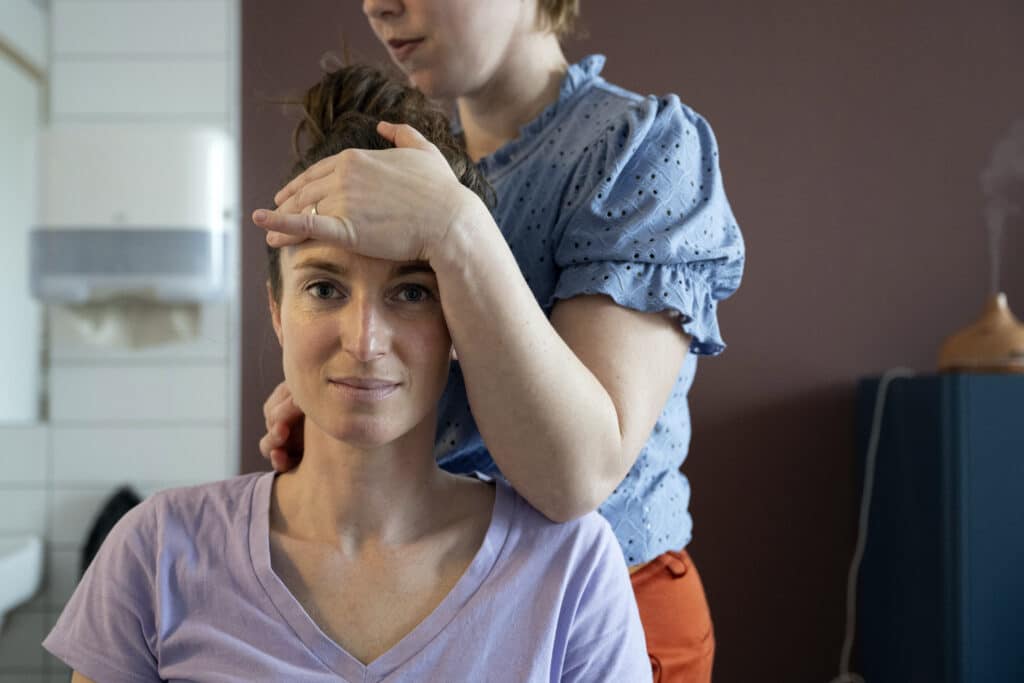
Your physical therapist may check neck range of motion, posture, shoulder strength, balance, nerve symptoms, and how daily activities affect your pain. Treatment may include soft-tissue mobilization, gentle strengthening, stretching, posture support, ergonomic adjustments, guidance on physical activity, and self-care strategies.
Physical therapy doesn’t treat every type of headache. If your symptoms suggest a migraine headache, cluster headache, high blood pressure issue, or another neurological concern, your therapist can help you get the right medical care.

How Ivy Rehab Therapy Treats Head Pain
Head pain treatment at Ivy Rehab Therapy starts with a conversation. Your physical therapist will ask where you feel pain, what it feels like, how often it happens, and what makes it better or worse.
From there, they’ll use what they find to personalize your treatment plan. If your head pain started after a concussion or head injury, that history shapes your plan.
Your treatment may focus on pain relief, neck mobility, strength, posture, and safer ways to move through daily activities. If needed, your therapist can coordinate with your physician, neurologist, or other healthcare providers.
FAQs
Can Physical Therapy Help Head Pain?
Yes. Physical therapy can help some types of head pain, especially headaches related to neck movement, muscle tension, posture, or concussion recovery. It may help reduce headache symptoms and improve movement, but it shouldn’t replace medical care for neurological or severe symptoms.
What Are Common Causes of Head Pain?
Head pain can come from tension-type headache, migraine, cluster headache, sinus infection, medication overuse, poor posture, muscle tension, high blood pressure, head injury, or nerve irritation. A healthcare provider can help identify the cause.
What Type of Headache Is Most Common?
Tension-type headache is the most common type of headache. It often feels like steady pressure or tightness on both sides of the head and may involve the neck, shoulders, or upper back.
When Should I Worry About a Severe Headache?
Get medical care right away for a sudden, severe headache, thunderclap headache, headache after a head injury, stiff neck, fever, double vision, confusion, weakness, numbness, or trouble speaking. These symptoms can point to a medical issue that needs urgent care.
Related Services for Head Pain

Speed up your recovery.
Schedule an appointment with an Ivy Rehab clinic near you. Let us help ease your pain.