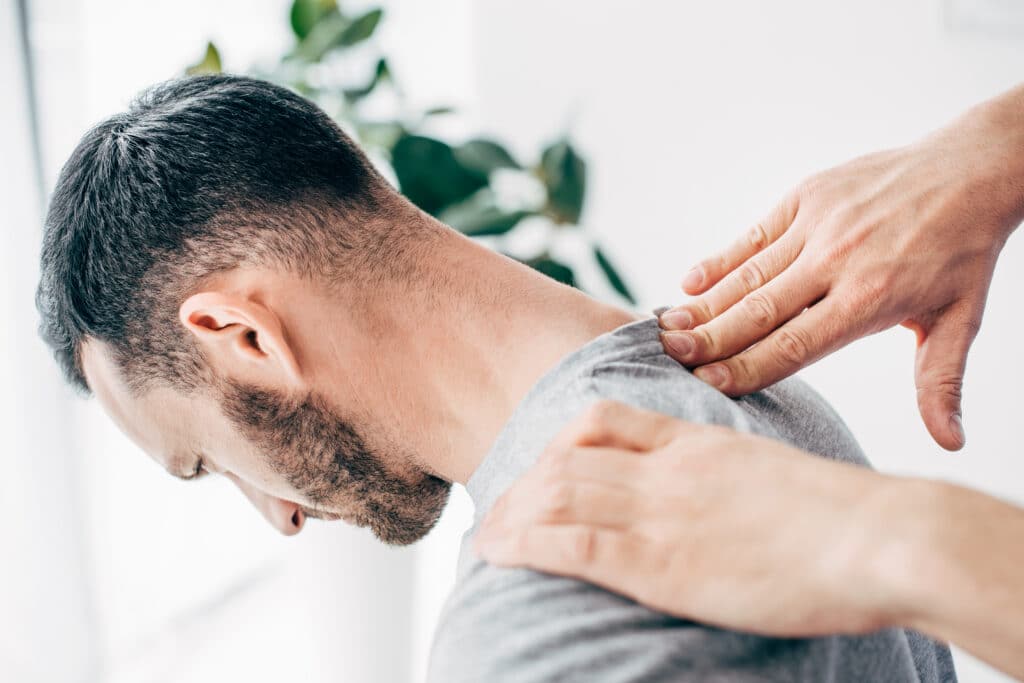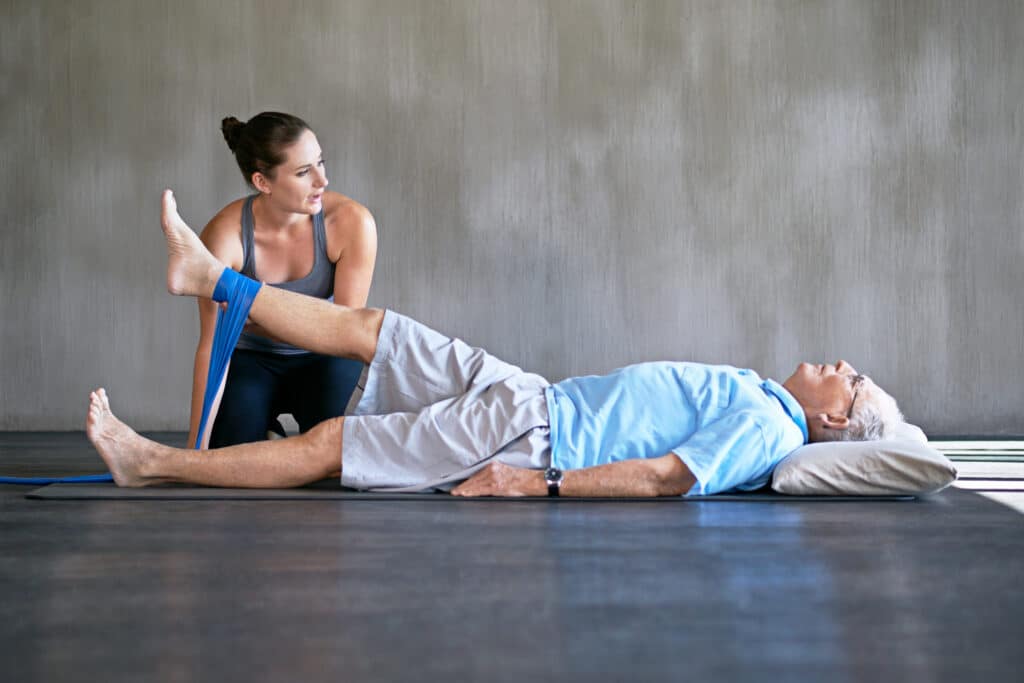

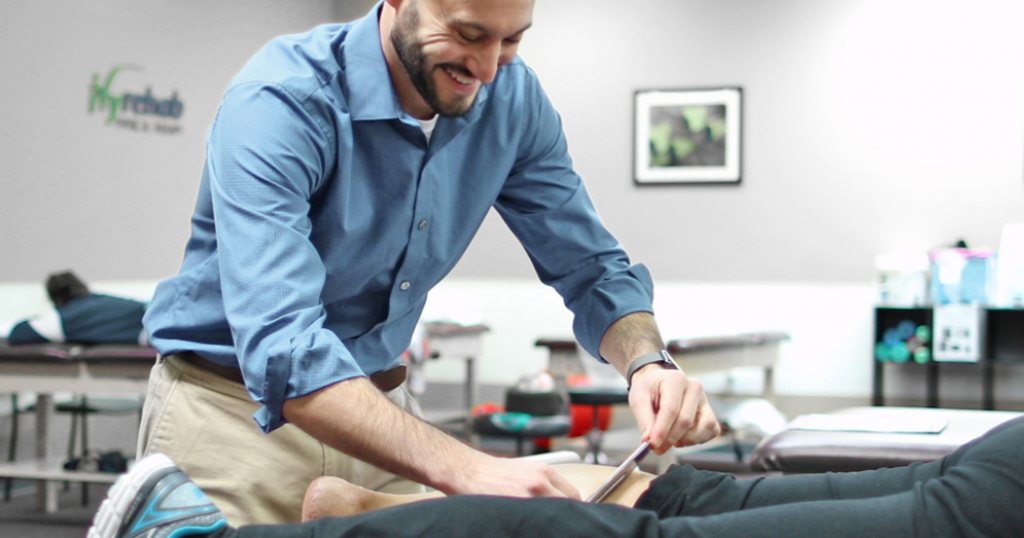
IASTM stands for Instrument-Assisted Soft Tissue Manipulation and may also be called ASTYM or Graston. Both ASTYM and Graston techniques are specific types of IASTM, much like Xerox is a type of copier. IASTM therapy is used extensively in the outpatient orthopedic setting due to the results generated with the technique. Even though this type of therapy doesn’t fall under manual therapy, the tools used in its procedures don’t replace a physical therapist’s hands; they simply add another option to a therapist’s tool bag.
How Does IASTM Therapy Work?
The purpose behind this manual physical therapy treatment is multifactorial. The techniques used in IASTM are designed to produce a healing response in the body at the affected area. This response is achieved through the breakdown of capillary beds, which helps increase nutrition to the soft tissue structures of the injured area.
A secondary effect occurs at the site of scar tissue formation. Scar tissue is part of the body’s natural healing process following injury. However, scar tissue is less pliable and contractile than normal tissue. Under a microscope, scar tissue appears like a plate of cooked spaghetti, whereas normal tissue resembles a box of uncooked spaghetti. With the pressure applied by the tools, mechanical changes can occur at the cellular level to help normalize scar tissue as much as possible.
The greatest effects of IASTM are seen when the clinician understands the fascial connections upstream and downstream of the affected area and treats the entire limb rather than spot-treating. For this reason, if you’re considering this type of therapy, it’s essential to work with an experienced physical therapist trained in IASTM.
For example, when treating an elbow problem, it is expected that the clinician treats up into the shoulder and down into the wrist and hand every visit. It is important to note that, to achieve maximum results with IASTM, a comprehensive exercise program is necessary to stress the affected tissues, remodel underlying tissues, and create new movement patterns.
Benefits of IASTM Therapy
This therapy offers several benefits, such as:
- Pain Reduction: By breaking down scar tissue and fascial restrictions, IASTM can help reduce discomfort or pain in patients.
- Increased Circulation: IASTM techniques can increase circulation to the area, promoting faster healing.
- Improved Mobility and Range of Motion: IASTM can help improve mobility and range of motion by eliminating soft-tissue restrictions.
- Faster Recovery Times: By addressing soft tissue issues more directly, IASTM can potentially speed up recovery times compared to traditional methods.
- Decreased Use of Medication: As a non-invasive treatment, IASTM may reduce the need for medication by addressing the root cause of the issue rather than just its symptoms.
- Detection of Restrictions or Adhesions: The instruments used in IASTM can increase the clinician’s ability to detect fascial adhesions and restrictions.
Who Needs IASTM Therapy?
IASTM therapy is indicated for many different diagnoses treated with rehabilitation physical therapy on a daily basis. Originally designed to treat tendonitis, tendinosis, and tendinopathy, IASTM intervention also provides relief and increased functional outcomes in other instances. We have used IASTM on strains and sprains, arthritic joints, chronically painful tissues (knee pain, shoulder pain, neck pain, etc.), inflammation, post-operative areas with proper scar and incision healing, and myofascial pain dysfunction, just to name a few.
Is IASTM Painful?
The goal of IASTM isn’t to push through pain, but to help you move better, feel stronger, and get back to doing what you love, one step at a time.
IASTM should not be painful, but it can feel uncomfortable at times, especially in tight or irritated areas. Most patients describe the sensation as firm pressure rather than pain.
Your comfort always comes first. Ivy Rehab therapists adjust pressure and technique based on your tolerance and feedback throughout the session. If something doesn’t feel right, speak up, and your therapist will make adjustments to keep the treatment effective and manageable.
It’s also normal to experience mild soreness or redness in the treated area afterward. This usually fades within a day or two and is part of the body’s natural healing response. Your therapist may recommend simple strategies, such as gentle movement or hydration, to help you feel your best after treatment.
The goal of IASTM isn’t to push through pain, but to help you move better, feel stronger, and return to the activities you enjoy, one step at a time.
What to Expect from IASTM Therapy
IASTM is a hands-on technique your physical therapist uses to help improve mobility, reduce pain, and support healing. Every session is personalized, but here’s what most patients can expect.
Assessment
Your therapist will first assess your movement and identify areas of tightness, restriction, or discomfort. During treatment, they’ll use a specially designed handheld tool to gently glide over the skin. This helps detect and address areas where the soft tissue may not be moving as well as it should.
During the Session
You may feel pressure or a scraping sensation as the tool moves over the targeted area. That feedback helps guide your therapist and ensures the treatment is focused where your body needs it most. Sessions are typically short and are often combined with stretching, strengthening, or movement-based exercises to reinforce progress.
Post-Treatment
After treatment, many patients notice improved movement or a feeling of looseness in the area. Your therapist will talk through what you’re feeling, answer questions, and explain next steps, so you always know what’s happening and why.
Potential Side Effects of IASTM
Side effects of these manual physical therapy treatments may include:
- Mild bruising along the lines of treatment
- Inflammation
- Delayed onset muscle soreness.
- General warm feeling or tingling
Oftentimes, patients describe a general warming sensation or even tingling in IASTM treatment areas for up to 24 hours.
Redeem Your Strength and Mobility Through IASTM Therapy with Ivy Rehab
IASTM has been an efficient and effective treatment option for us at Ivy Rehab, and most of our clinics have IASTM-trained physical therapists who incorporate this type of soft-tissue injury mobilization as part of a well-rounded treatment plan.

Before you go
Find the right therapy today.
Discover how Ivy Rehab can help you get back to doing what you love.