Concussions can leave a lasting mark, not just in your memory, but in the way your body feels and moves. If you’ve been cleared for light activity yet still feel dizzy, unsteady, or just “off,” you’re not imagining it. Head injuries can disrupt the delicate connection between your brain, eyes, and inner ear. This is your vestibular system – the body’s built-in balance center.
That’s where vestibular rehab for concussion comes in. Guided by physical therapists trained in concussion recovery, this therapy retrains your brain and body to work together again. The goal of treating vestibular dysfunction: restore balance, reduce dizziness, and help you move through the world with confidence.
What Is Vestibular Rehab?
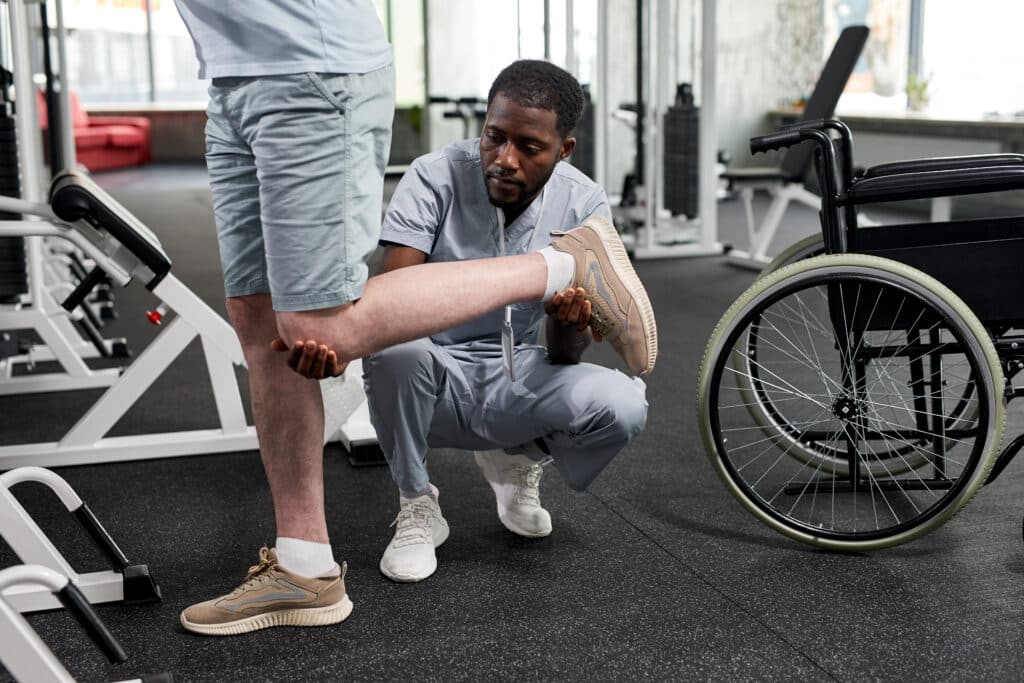
Vestibular rehab is a specialized type of physical therapy designed to treat problems with balance, dizziness, and visual coordination. It’s not a one-size-fits-all program. Your therapist will give you a brief assessment to evaluate your unique symptoms and create a treatment plan tailored to your needs.
Therapy often combines:
- Targeted exercises to improve stability and focus
- Controlled movement exposure to reduce dizziness triggers
- Progressive challenges to build confidence in everyday activities
Vestibular rehab is particularly valuable for concussion recovery because it addresses both the physical and sensory disruptions that can persist long after the initial injury. By gradually retraining the brain’s ability to integrate sensory input, patients often experience less dizziness, better balance, and more control over their movements.
Recover Faster, Perform Better
Customized programs to meet your specific athletic goals.
Why Concussions Affect Balance
Vestibular System Basics
Your vestibular system lives in your inner ear. Tiny structures filled with fluid and delicate hair cells send movement signals to your brain. These signals work alongside input from your eyes and muscles to help you keep your balance.
Post-Concussion Disruption
A concussion can scramble these signals. Your brain may suddenly get conflicting messages from your eyes, muscles, and vestibular system. This mismatch can make simple tasks – like walking in a busy hallway or turning your head quickly – feel overwhelming.
In some cases, these symptoms resolve on their own within days or weeks. But for many, especially those with multiple concussions, underlying vestibular damage or sensitivity can cause issues that last for months. That’s when targeted therapy becomes essential for concussion management.
Symptoms Vestibular Rehab Can Help After Concussion
You don’t have to “wait it out.” With vestibular therapy after a concussion, many people see improvement in:
Dizziness & Vertigo
- Feeling lightheaded, spinning, or unsteady
- Trouble walking without veering or swaying
Balance Problems
- Difficulty standing still or walking in a straight line
- Frequent loss of footing in crowded or moving environments
Visual Disturbance
- Blurry or double vision
- Trouble focusing, especially with moving objects
Nausea & Motion Sensitivity
- Discomfort from quick movements or head turns
- Feeling sick in cars, elevators, or busy visual settings
By targeting these symptoms directly, vestibular rehab empowers you to participate more fully in your daily life, from going to work to returning to sports.
How Vestibular Rehab Works for Concussion
Your therapist will design a program that gently challenges your system to adapt and recover. Exercises may include:
Gaze Stabilization Exercises
These help your eyes stay focused while your head moves, critical for activities like reading signs, watching a ball, or walking safely.
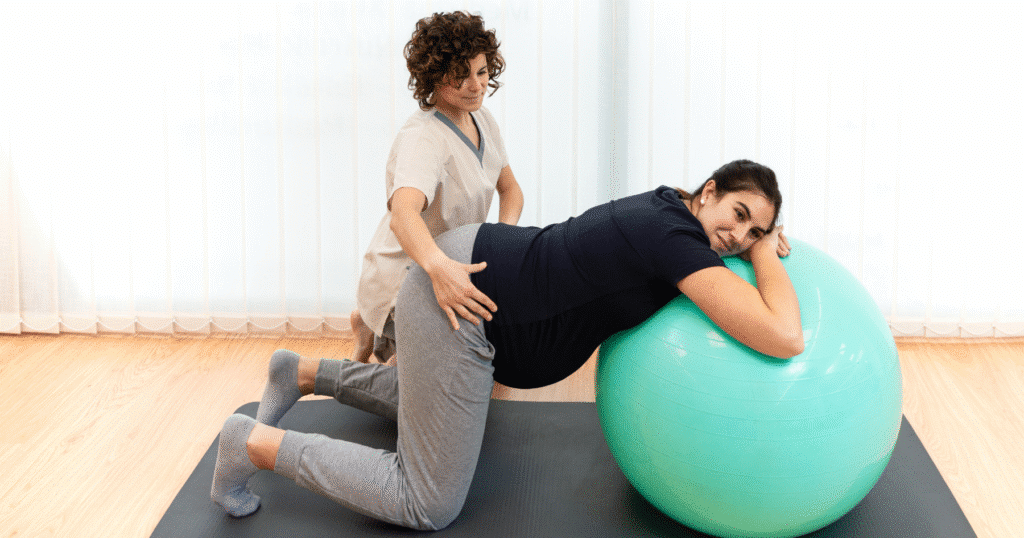
Balance & Postural Training
Standing on varied surfaces, walking in different patterns, or adding distractions helps restore stability in real-world settings.
Visual-Motion Habituation
Gradual exposure to movements that cause dizziness helps your brain learn not to overreact.
As you progress, your vestibular rehabilitation exercises will be adjusted to keep challenging your brain-body connection without overwhelming you.
Benefits of Vestibular Rehab in Concussion Recovery
- Faster symptom relief – Many people notice progress within weeks
- Improved daily function – Easier walking, driving, and sports participation
- Reduced fear of movement – Confidence to return to normal life without feeling fragile
Research supports vestibular rehab as an effective concussion dizziness treatment, especially when symptoms linger beyond the initial post-concussion recovery window (Alsalaheen et al., 2010).
When to Seek Vestibular Therapy After a Concussion
If your symptoms last longer than 10-14 days after a concussion, or if they interfere with your daily activities, it’s worth getting evaluated by a vestibular-trained physical therapist. Early intervention combined with the right vestibular therapy can speed recovery and help prevent secondary issues like anxiety, neck pain, or deconditioning from avoiding movement.
You may benefit from vestibular rehab if you:
- Still feel dizzy when turning your head
- Struggle to walk in busy environments
- Experience motion sickness more easily than before
- Have ongoing headaches triggered by movement or visual strain
Why Choose Ivy for Vestibular Therapy
At Ivy, our concussion-trained physical therapists understand the frustration of lingering symptoms. We combine clinical expertise with compassionate care, creating treatment programs that challenge you safely – never pushing too far, too fast.
We also coordinate with your other healthcare providers to ensure your recovery and treatment plan is comprehensive and seamless. And with rehabilitation physical therapy clinic locations across the country, expert help is closer than you think.
Conclusion
If you’re still experiencing symptoms like being dizzy or off-balance after a concussion, you’re not alone and you’re not stuck this way. Vestibular rehab for concussion can help you regain stability, improve focus, and get back to the activities you love.
Your recovery starts with one step. Let’s take it together.
References
- Alsalaheen BA, Mucha A, Morris LO, et al. Vestibular rehabilitation for dizziness and balance disorders after concussion. J Neurol Phys Ther. 2010;34(2):87-93.
- Murray DA, Meldrum D, Lennon O. Can vestibular rehabilitation exercises help patients with concussion? A systematic review of efficacy, prescription and progression patterns. Br J Sports Med. 2017;51(5):442-451.

Before you go
Find the right therapy today.
Discover how Ivy Rehab can help you get back to doing what you love.