
Osteoporosis is the progressive loss of bone mineral density. It’s a disease affecting approximately 10 million men and women in America. With bone loss over time, the bones become weak and brittle leading to the increased likelihood of fractures and bone deformation. The cost to our nation’s economy can be as much as 19 billion dollars per year in lost productivity and health care costs.
Who is At Risk for Osteoporosis?
Eighty percent of those with osteoporosis are women. Women over 65 years of age are at much greater risk for osteoporosis than men. Anyone diagnosed with osteopenia, which is a condition of low bone density that serves as a precursor to osteoporosis, is also at greater risk.
Other risk factors include having a sedentary lifestyle, taking certain medications, smoking cigarettes, and being postmenopausal. Women who have had long-term menstrual problems or have mineral absorption problems may also be at risk.
What Can Happen if You Have Osteoporosis?
Some conditions that may be caused by osteoporosis include:
- Poor posture – People with osteoporosis have a hunched forward posture that causes the formation of a hump in the middle back. This also decreases height.
- Falling risks – This poor posture and muscle tension due to the hunched posture can contribute to the increased risk of falling because the person’s center of gravity is shifted forward.
- Fractures – Weak and brittle bones increase the likelihood of fracture during falls or fractures of the spine.
Osteoporosis Screening Process
Understanding your bone health early can make a meaningful difference in preventing fractures down the road. Anyone over 65 or postmenopausal women should be screened for osteoporosis even if symptoms are not present.
An osteoporosis screening helps identify changes in bone density before they lead to pain or injury. Here’s what you can typically expect during the process:
- Medical history review – Your healthcare provider will ask about your overall health, family history of osteoporosis, past fractures, medications, and lifestyle habits such as physical activity and nutrition.
- Physical assessment – This may include posture checks, balance testing, and strength assessments. These simple movements that help identify early signs of bone loss or fall risk.
- Bone Density Test (DEXA Scan) – A dual-energy X-ray absorptiometry (DEXA) scan measures bone density at key areas like your spine and hips. It’s quick, painless, and considered the gold standard for diagnosing osteoporosis or osteopenia.
- Results and Recommendation – After reviewing your results, your provider will guide you through next steps, which may include physical therapy, lifestyle modifications, or referrals for additional care.
Screening gives you clarity—and clarity helps you take the right steps to protect your mobility and independence.
How Physical Therapy Can Help Osteoporosis
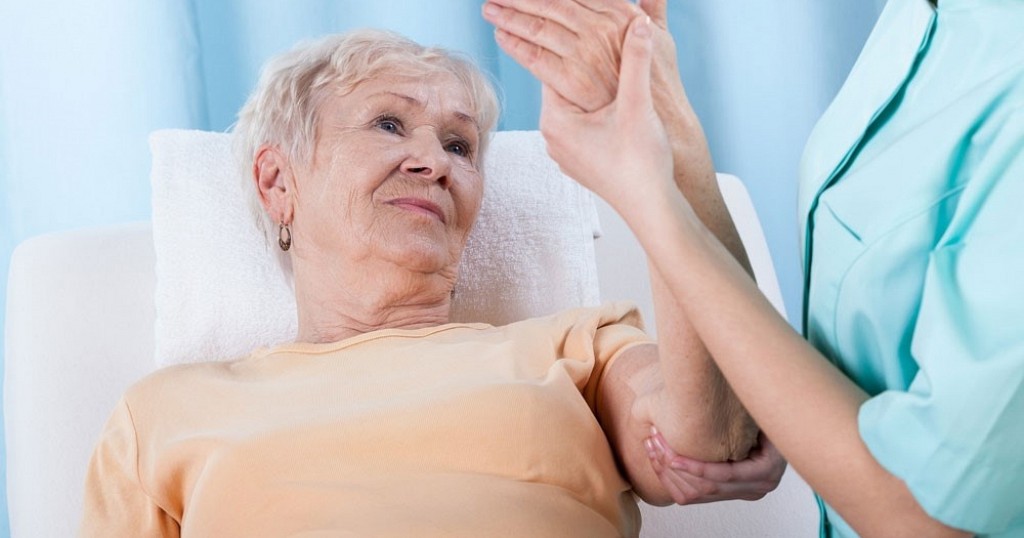
Rehabilitation physical therapy can be utilized to manage the progression of osteopenia, osteoporosis, and their symptoms. The patient’s goals should include the prevention of bone loss and the increase of bone density.
According to the American Physical Therapy Association (APTA), you can keep bones strong and prevent or manage osteoporosis with good habits and the right exercises. Your care plan may include:
- Weight-bearing exercises – These can build and maintain healthy bones. Examples of this type of exercises are walking, jogging, jumping, and dancing.
- Muscle-strengthening exercises – These resistance exercises also stimulate bone growth. This can be done by lifting weights or performing some bodyweight movements.
- Balance exercises – These exercises help improve stability, reduce fall risk, and support safer everyday movement. You’ll work on controlled weight shifts, standing balance, and functional activities that mimic real-life tasks.
- Flexibility exercises – Gentle stretching restores mobility in tight muscles and joints, helping you move with greater ease and comfort. Flexibility training also supports better posture and safer movement patterns.
- Postural exercises – Many people with osteoporosis experience changes in posture over time. Targeted exercises can strengthen the muscles that support your spine, helping you stand taller, breathe better, and reduce strain on weak bones.
You can get the best results if you start early and do these exercises regularly. But you can still experience tons of benefits even when you begin exercising at any point in your life. If you already have osteoporosis, make sure that your workouts are guided by your physical therapist or approved by your doctor for your safety.
As part of physical therapy for osteoporosis, an individualized program may include a walking regimen, Tai Chi, yoga, Pilates and other exercises geared toward conditioning, balance, and coordination.
5 Exercises to Help Manage Osteoporosis
These exercises are designed to strengthen muscles, improve posture, and support bone health. With the right guidance, small daily movements can create a big shift in how strong and steady you feel. Always check with a physical therapist before starting something new, especially if you’re managing pain or have a history of fractures.
1. Wall Slides
- How to do it – Stand with your back against a wall, feet hip-width apart. Slide your arms up the wall into a “V” shape, keeping your rib cage relaxed and spine supported.
- Why it helps – Improves posture, strengthens upper-back muscles, and encourages spinal alignment.
2. Sit-to-Stand
- How to do it – Sit on a sturdy chair with your feet flat on the floor. Push through your heels to stand, then slowly lower back down with control.
- Why it helps – Builds leg strength, supports safer transfers, and boosts confidence during daily tasks.
3. Step-Ups
- How to do it – Use a low step or stair. Step up with one foot, then bring the other foot up to meet it. Step back down and repeat.
- Why it helps – Strengthens hips and legs with weight-bearing movement—a key part of maintaining bone health.
4. Standing Hip Abduction
- How to do it – Hold onto a counter or chair for balance. Gently lift one leg out to the side without leaning. Lower with control.
- Why it helps – Targets hip stabilizers, which help reduce fall risk and support everyday mobility.
5. Spine-Safe Core Bracing
- How to do it – Lie on your back with your knees bent. Gently tighten your abdominal muscles as if bracing for a light poke—without holding your breath.
- Why it helps – Builds core stability to protect your spine during movement, lifting, and bending.
Exercises to Avoid
When you have osteoporosis, not all exercises will be helpful to your situation. Here are some to avoid:
- Exercises and daily activities which round the spine, such as sit-ups, crunches, bending down to tie your shoes
- Certain exercise machines that involve forward bending of the trunk
- Movements and sports that round and twist the spine
APTA recommends using proper posture and safe body mechanics during all activities to protect the spine against injury.
Other Helpful Recommendations
Here are more tips to help you prevent or manage osteoporosis:
- Instead of rounding your spine, hinge forward from your hips, while keeping your back straight.
- Practice balance exercises (even at a wall or holding on) to reduce falls and resulting fractures.
- Keep your back, stomach, and leg muscles strong and flexible.
- Do not slouch.
- Use good body positioning at work, home, or during leisure activities.
- Ask for help when lifting heavy objects.
- Maintain a regular physical fitness regimen. Staying active can help to prevent injuries.
- Always consult with your physician or physical therapist before beginning an exercise program if you have osteoporosis, are at high risk for a fall, fracture, or have a medical condition that might affect your ability to exercise.
Reclaim Your Strength and Mobility with Ivy Rehab
Osteoporosis doesn’t have to limit the way you move or live your life. At Ivy Rehab, we combine expert clinical care with compassionate guidance to help you build strength, improve balance, and stay confident in your daily activities. Whether you’re looking to prevent bone loss, manage symptoms, or simply move with more ease, we’re here to support you every step of the way.
Ready to take the next step toward stronger bones and better mobility? Schedule a visit with your local Ivy Rehab clinic today.
References
- Bone Health & Osteoporosis Foundation. “Osteoporosis Fast Facts.” https://www.bonehealthandosteoporosis.org/wp-content/uploads/Osteoporosis-Fast-Facts-2.pdf.
- Choose PT by APTA. “Bone Health: What You Should Know.” https://www.choosept.com/health-tips/bone-health-what-you-should-know,

Before you go
Find the right therapy today.
Discover how Ivy Rehab can help you get back to doing what you love.