
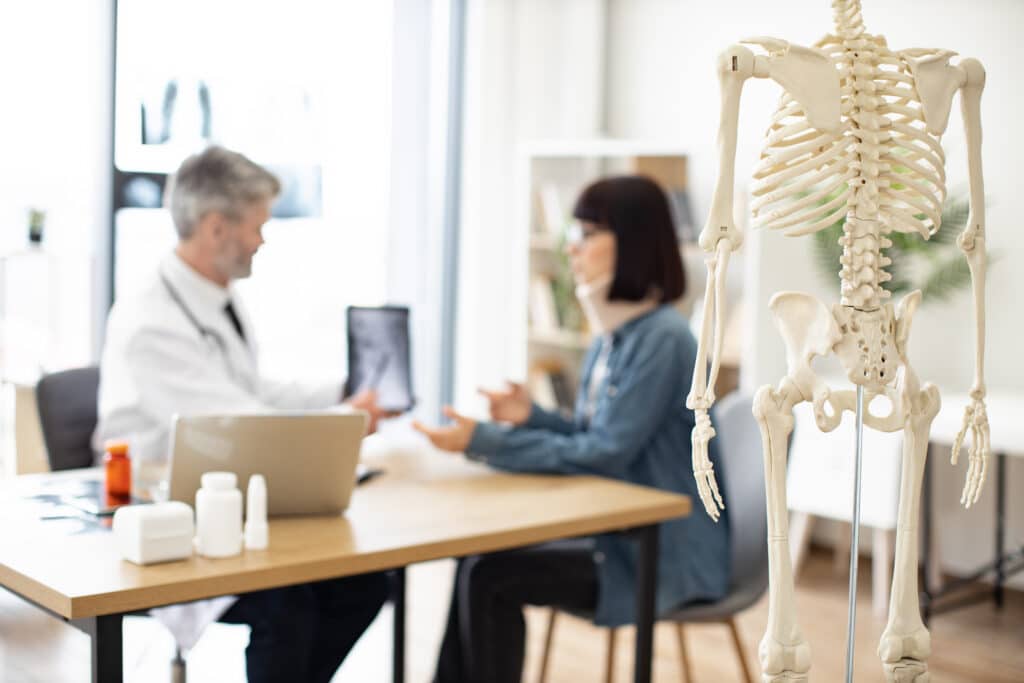
Osteoporosis and Osteopenia Therapy
A diagnosis of osteoporosis or osteopenia can bring up a lot of questions. You may wonder which movements are safe, how to lower your fall risk, or how to stay active without putting too much stress on your bones.
Osteoporosis and osteopenia therapy can help you build strength, improve balance, move more safely, and support bone health with a plan based on your body and daily life.
What Is Osteoporosis and Osteopenia Therapy?
Osteoporosis and osteopenia therapy is physical therapy for people with low bone density, fracture risk, balance concerns, or movement changes related to bone health. It can include weight-bearing exercise, strength training, balance work, posture support, and education on safer movement.
Osteoporosis occurs when bone density is low enough to raise fracture risk. Osteopenia means bone density is lower than normal, but not low enough to be osteoporosis. Both conditions can develop slowly and may be diagnosed with a bone density scan, often called a DXA or DEXA scan.
Physical therapy doesn’t replace medical care or medication when those are part of your care plan. It can support the movement, strength, posture, and balance which contribute to bone health and matter in daily life.
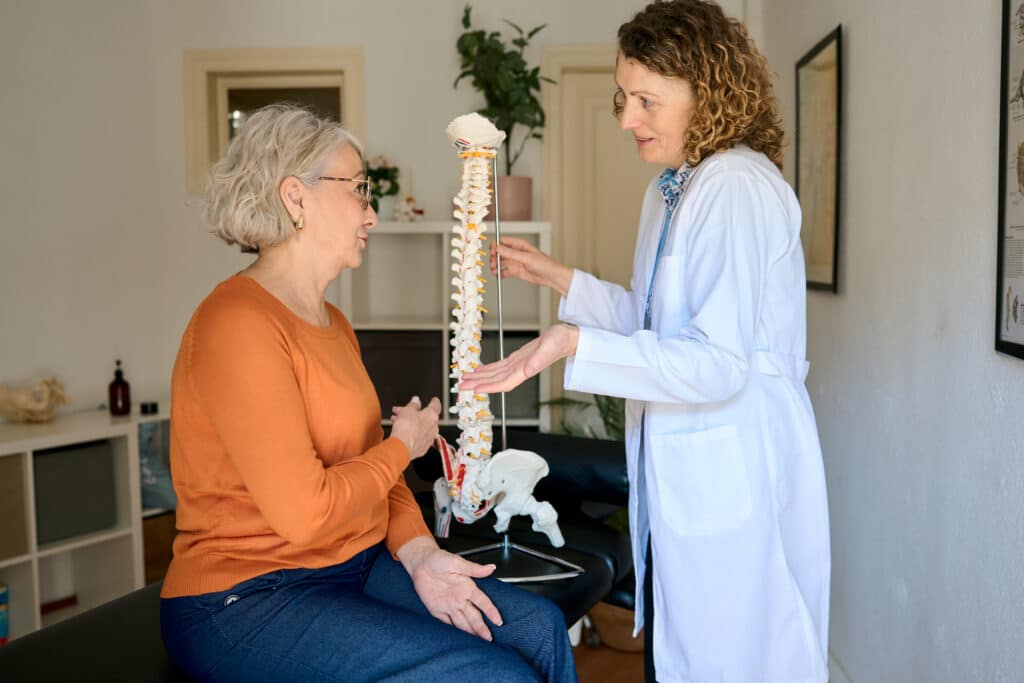

Osteoporosis and Osteopenia Therapy at Ivy Rehab
Our physical therapists understand that low bone density can make movement feel uncertain. You may not know what exercises are safe, what movements to avoid, or how active you should be.
Your Ivy Rehab physical therapist will start by learning about your bone density test results, fracture history, medications, health conditions, activity level, and goals. From there, we create a plan that helps you move safely while still making progress.
Your program may include strength training, balance exercises, walking or other weight-bearing activity, posture work, and home strategies. If your osteoporosis or osteopenia is connected to another condition, your therapist can coordinate with your healthcare provider when needed.
Who Can Benefit from Osteoporosis and Osteopenia Therapy?
Osteoporosis and osteopenia therapy may help people with low bone density, increased fracture risk, or concerns about balance and safe movement.
Therapy may be helpful if you:
- Have been diagnosed with osteoporosis or osteopenia.
- Have had a bone density scan that showed low bone density.
- Are concerned about falls, balance, or fracture risk.
- Have had a compression fracture or osteoporosis-related fracture.
- Want guidance for safe exercise for low bone density.
- Need help improving strength, posture, or walking confidence.
- Want to stay active while protecting your bones.
Care should meet you where you are, then help you build from there.
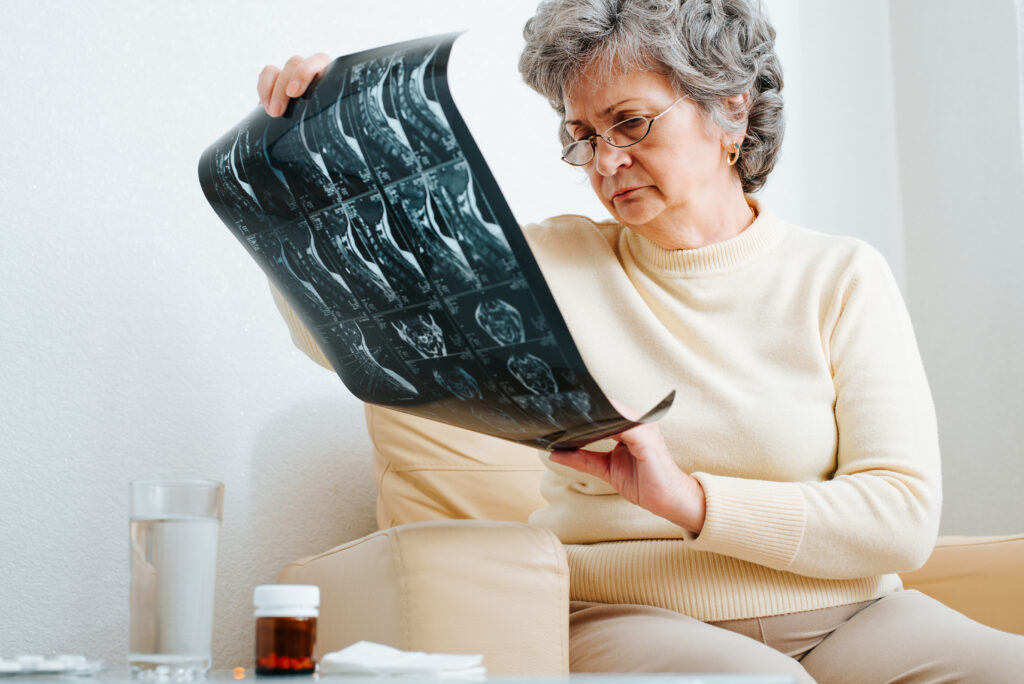
Our Osteoporosis and Osteopenia Therapy Services
Weight-Bearing and Strength Exercises
Weight-bearing exercise means your body works against gravity while you stay upright. Walking, step-ups, and modified squats are common examples. Strength training uses resistance bands, light weights, or body weight.
These exercises can support bone and muscle strength when they’re done safely and consistently. Your physical therapist will choose exercises that match your bone density, fracture history, balance, strength, and comfort level.
Balance and Fall Prevention Training
For people with osteoporosis, fall prevention is an important part of care because falls can lead to fractures. Your physical therapist can help you improve balance, coordination, walking, and confidence with daily movement.
Your plan may include balance exercises, strength training, gait training, and strategies to reduce fall hazards at home and in the community.
Posture and Spine Support
Osteoporosis can increase the risk of compression fractures in the spine. Physical therapy can help you build strength, improve posture, and learn safer ways to bend, lift, reach, and move during daily tasks.
Your therapist can also help you understand which movements may need to be modified based on your bone density, fracture history, and symptoms.
Education and Home Strategies
Knowing what to do between visits can make osteoporosis or osteopenia feel more manageable. Your physical therapist can explain how movement, exercise, balance, posture, and daily habits fit into your broader bone health plan.
You’ll also get guidance on a home exercise routine that feels realistic, safe, and useful for your day-to-day life.
How We Approach Osteoporosis and Osteopenia Therapy
Step 1: Understanding Your Bone Health
During your first visit, your physical therapist will ask about your bone health, movement, and safety needs. They may review your bone density results, fracture history, medications, medical history, balance, strength, posture, walking pattern, and goals. This gives them a clear starting point for care.
Step 2: Building a Plan for Safe Progress
Your care plan should feel manageable, but it should still help you make progress. Your physical therapist will start with exercises and strategies that fit your current strength, balance, and bone health. As your body adapts, your therapist can adjust your plan and add new challenges at the right pace.
Step 3: Support for Daily Life
Osteoporosis and osteopenia care works best when it carries into daily life. Your therapist will help you build habits that support your bone health at home and during everyday activities. That may include home exercises, fall-prevention strategies, safer movement patterns, and guidance on staying active in your regular routine.
FAQs
Can Physical Therapy Help with Osteoporosis?
Yes. Physical therapy can help people with osteoporosis build strength, improve balance, support posture, and move more safely. A physical therapist can also teach exercises and movement strategies that may help reduce the risk of falls.
What Exercises Are Safe for Osteoporosis?
Safe exercises depend on your bone density, fracture history, symptoms, and overall health. Many people benefit from weight-bearing exercise, strength training, balance work, and posture exercises. Some higher-impact activities, heavy lifting, or repeated bending and twisting may need to be modified.
Your physical therapist can help you choose exercises that fit your body and goals.
What Is the Difference Between Osteoporosis and Osteopenia?
Osteoporosis is when bone density is low enough to raise fracture risk. Osteopenia means bone density is lower than normal, but not low enough to be osteoporosis. Osteopenia can sometimes progress to osteoporosis, but the right care plan may help support bone health and reduce risk factors.

Take the first step toward relief.
You don’t have to live with back pain. Ivy Rehab’s expert team is ready to help you move better, feel stronger, and enjoy life without limitations. Schedule an appointment today for the best treatment for back pain.