

Balance problems have a way of sneaking into daily life. One moment you’re walking confidently through the grocery store, the next you’re grabbing the cart like it is a trusted friend. When balance declines, fall risk rises, and so does hesitation.
Stability depends on strength, coordination, timing, and movement control, all working together. When one system lags behind, the whole operation feels less steady.
Physical therapy addresses the root causes of balance challenges, not just the symptoms. Targeted balance exercises improve control and rebuild confidence step by step.
Our physical therapists at Ivy Rehab design personalized stability training programs that help patients move more safely, more efficiently, and with far less second-guessing.
What Is Balance and Why Does It Matter?
Balance is your body’s ability to stay controlled and centered during movement and daily activities. It allows you to stand upright, walk with purpose, and react when the ground shifts beneath you, because sometimes it does.
Maintaining balance requires coordination between muscles, joints, vision, and the nervous system. Think of it as a team effort. When one player is off their game, stability can suffer.
Balance affects essential tasks such as walking, turning, climbing stairs, and navigating uneven surfaces. As balance declines, fall risk increases, particularly in older adults. Strong balance is not just about safety. It is about independence and peace of mind. When balance problems interfere with your ability to move, even simple everyday activities can start to feel less predictable.

Common Causes of Balance and Stability Problems
Balance issues rarely have a single cause. More often, several factors quietly team up. Many balance disorders develop when multiple body systems are affected simultaneously, rather than from a single issue.
Common contributors include:
- Muscle weakness, especially in the hips and legs.
- Joint stiffness or pain that limits movement.
- Poor posture or alignment.
- Vestibular or neurological changes affecting coordination.
- Recovery after injury or surgery.
The good news is that these factors can improve. Addressing them through physical therapy for balance builds a stronger, more reliable foundation for movement. For people with balance concerns, physical therapy can help identify the source of the problem and develop a plan to support safer movement.
How Physical Therapy Improves Balance
Physical therapy for balance focuses on strengthening and coordinating the systems that keep you upright. Treatment is progressive, individualized, and grounded in clear goals.
Strength Training for Stability
Strong muscles provide a steady base. Weak hips, legs, and core muscles often contribute to unsteadiness, even if the issue seems to start in your feet. Building muscle strength in the hips, legs, and core gives the body a stronger base for balance and recovery.
Targeted strengthening builds the support your joints need during walking and daily tasks. When strength improves, advanced balance exercises become safer and more effective. It’s about building capacity first, then layering in challenge.
Proprioception and Body Awareness Training
Proprioception is your body’s ability to sense position and movement. When this system is impaired, coordination decreases and reaction time slows.
Physical therapists use controlled drills that challenge position awareness in a safe environment. As body awareness improves, so does your ability to correct yourself quickly and confidently. That split-second response can make all the difference.
Postural Control and Alignment Work
Posture influences balance more than many people realize. A forward head or rounded shoulders can subtly shift your center of gravity and make stability harder than it needs to be.
Your Ivy Rehab physical therapist will provide cues and exercises that improve alignment and reinforce efficient movement patterns. Better posture supports stronger, more sustainable stability training results.
Gait and Functional Movement Training
Walking stability is central to independence. Physical therapists analyze gait patterns, identify inefficiencies, and guide corrections that reduce strain and improve control.
Functional training bridges the gap between clinic-based balance exercises and real-world movement. The goal is not just to balance in a treatment room. It’s to feel steady in your kitchen, your driveway, and your favorite walking path. That is one way therapy can help you regain confidence in your ability to move around at home and in the community.
PT-Recommended Balance Exercises
Balance work progresses gradually. Exercises start simple, build consistency, and advance as control improves. Progression is intentional because confidence grows when challenge meets readiness.
Static Balance Exercises
These exercises involve maintaining a position with reduced support.
Examples include:
- Standing with feet together.
- Semi-tandem or tandem stance.
- Standing on one leg with support nearby.
Static drills build the foundation for more advanced stability training. Mastering stillness first makes movement feel far less intimidating.
Dynamic Balance Movements
Dynamic exercises introduce controlled motion and direction changes.
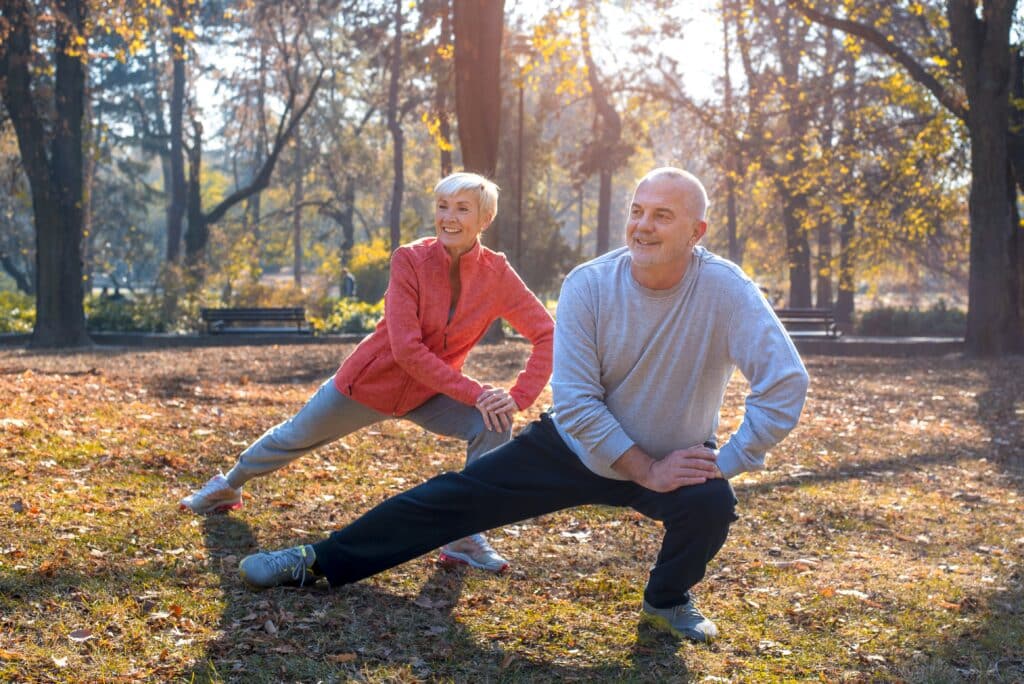
These may include weight shifting, stepping in different directions, or controlled reaching tasks. Dynamic balance exercises prepare you for the unpredictability of real life, like turning quickly when someone calls your name.
Single-Leg Stability Exercises
Single-leg control is essential for walking, stair navigation, and preventing falls during sudden shifts.
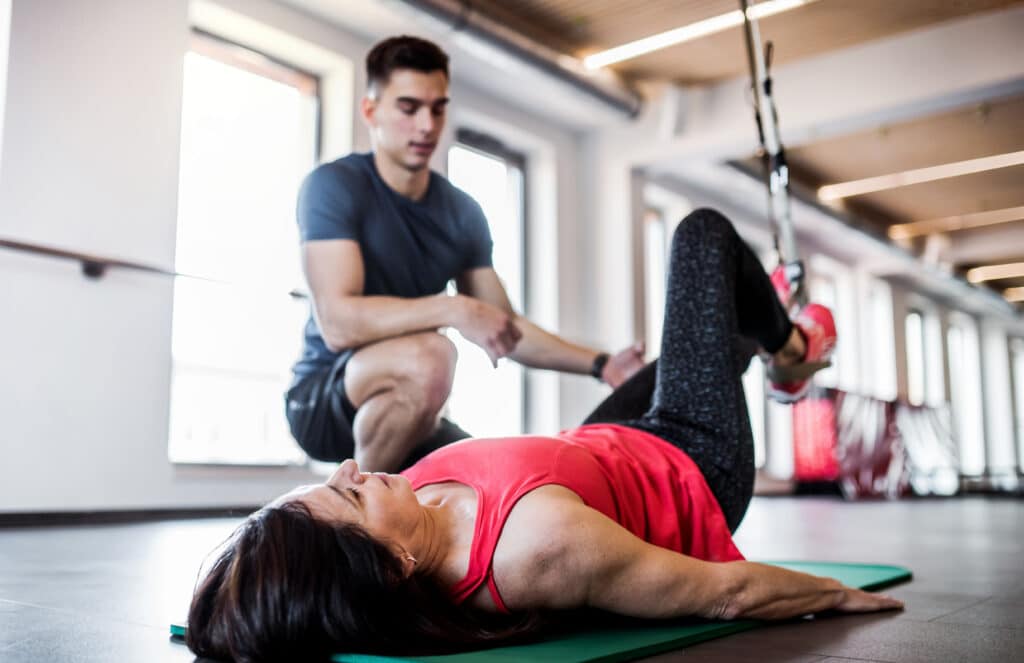
Exercises that focus on one leg at a time improve lower-body strength, coordination, and joint control. It may look simple, but single-leg work’s quietly powerful. This work is especially helpful for people with balance deficits who need better control during walking and stair climbing.
Core Stability Training
Core strength helps maintain an upright posture during movement. A stable trunk reduces compensations in the hips, knees, and ankles.
Core-focused stability training supports smoother transitions, safer lifting, and more efficient movement patterns overall. When the center is strong, everything else works better.
Reclaim Your Strength and Mobility
Our expert therapists are committed to helping you achieve your health goals.
Stability Training for Injury Prevention
Better balance reduces unnecessary strain on joints. When your body reacts quickly and efficiently, stress is distributed more evenly, and protective reflexes improve.
Effective stability training can:
- Improve reaction time.
- Enhance joint protection.
- Support safer movement patterns.
- Reduce compensatory strategies.
These benefits add up. Research continues to support the effectiveness of balance training as part of fall prevention. That matters because untreated balance problems can increase your risk of falls and loss of independence over time.
In fact, a systematic review and meta-analysis of 23 studies involving 1,220 older adults found that balance training improved multiple types of balance performance, including static, dynamic, proactive, and reactive balance. The review also found that the most effective programs typically lasted 11 to 12 weeks, were performed three times per week, and included 31 to 45 minutes per session.
Who Benefits Most From Balance-Focused PT?
Balance training is not just for seniors. Anyone who feels unsteady, hesitant, or less confident with movement may benefit from physical therapy for balance.
Those who often see meaningful improvement include:
- Older adults concerned about fall risk.
- Post-surgical patients rebuilding strength and coordination.
- Athletes returning to sport.
- Individuals experiencing dizziness or instability. This includes people who feel dizzy when turning, bending, or changing positions.
- People managing chronic joint pain.
Improved control enhances both safety and performance. The ultimate goal is simple and powerful: move through life without fear holding you back.
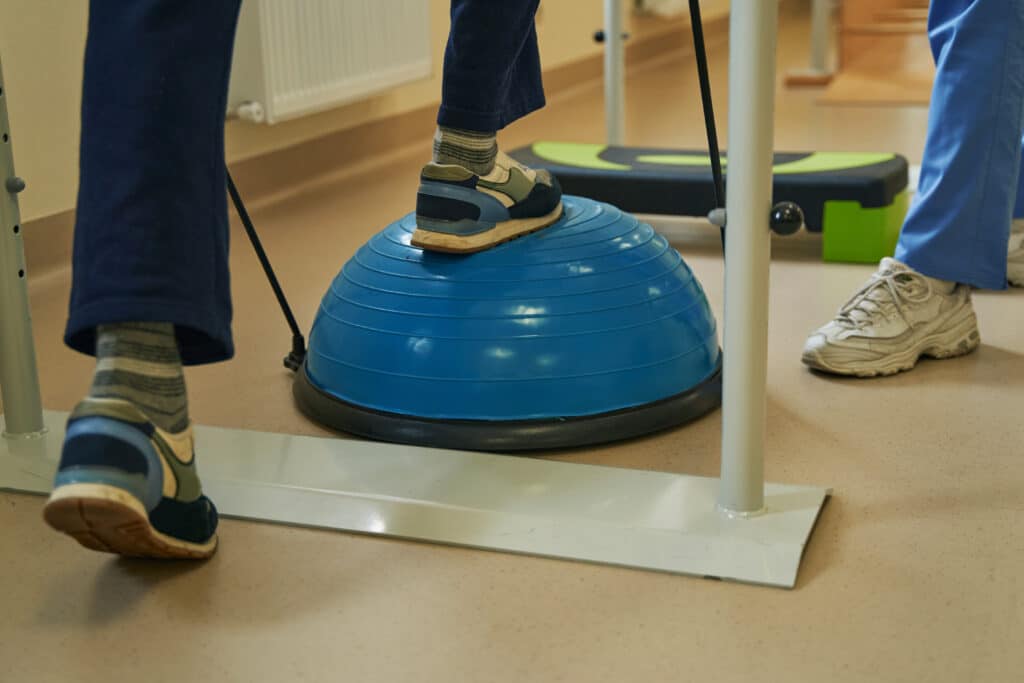
What to Expect at Ivy Rehab for Balance Training
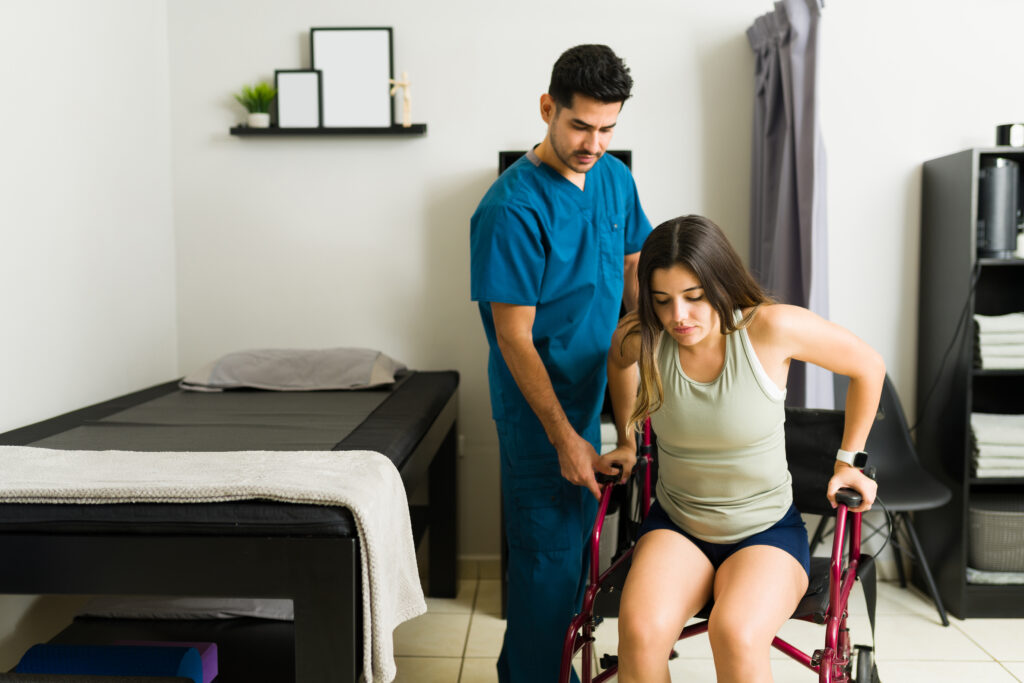
Your Ivy Rehab Therapy program begins with a one-on-one evaluation. The physical therapist assesses strength, mobility, coordination, posture, and gait to gain a comprehensive picture. The therapist also assesses how symptoms affect your everyday activities, overall mobility, and your ability to move safely.
Your plan may include:
- Customized balance exercises matched to your current ability.
- Progressive stability training under close supervision.
- Safe, guided challenges that build confidence.
- Education on maintaining stability during daily tasks.
Progress is measured, goals are revisited, and your program evolves as you improve. We’re not just chasing short-term gains. We’re building lasting stability.
When to Seek Physical Therapy for Balance Issues
Early intervention can prevent worsening instability and reduce fall risk over time. Seeking care early can help you regain function before symptoms become more disruptive.
Consider physical therapy for balance if you notice:
- Frequent loss of balance.
- Difficulty walking or turning.
- Fear of falling.
- Recent injury or surgery affecting mobility.
- Reduced confidence with movement.
If any of these feel familiar, it’s worth a conversation. Addressing balance concerns early often leads to faster progress and better long-term outcomes.
Move with Confidence and Stability Again
Strong balance and stability support independence, confidence, and long-term mobility. Targeted balance exercises and progressive stability training strengthen the systems that keep you upright and responsive.
Through individualized care and clear, goal-focused progression, physical therapy for balance helps patients move more safely and confidently at every stage of life.
If unsteadiness or fear of falling is limiting your activity, you don’t have to navigate it alone. Find a location near you and discover how personalized balance training can help you move forward with steadiness and confidence.
References
- Centers for Disease Control and Prevention. “Preventing Falls and Hip Fractures.” (2026). https://www.cdc.gov/falls/prevention/index.html
- Sherrington C, Michaleff ZA, Fairhall N, et al. Exercise to prevent falls in older adults: an updated systematic review and meta-analysis. British Journal of Sports Medicine. 2017. https://doi.org/10.1136/bjsports-2016-096547
- Sports Medicine. Lesinski M, Hortobágyi T, Muehlbauer T, Gollhofer A, Granacher U. Effects of Balance Training on Balance Performance in Healthy Older Adults: A Systematic Review and Meta-analysis. https://pmc.ncbi.nlm.nih.gov/articles/PMC4656699/

Before you go
Find the right therapy today.
Discover how Ivy Rehab can help you get back to doing what you love.