

Pediatric Occupational Therapy
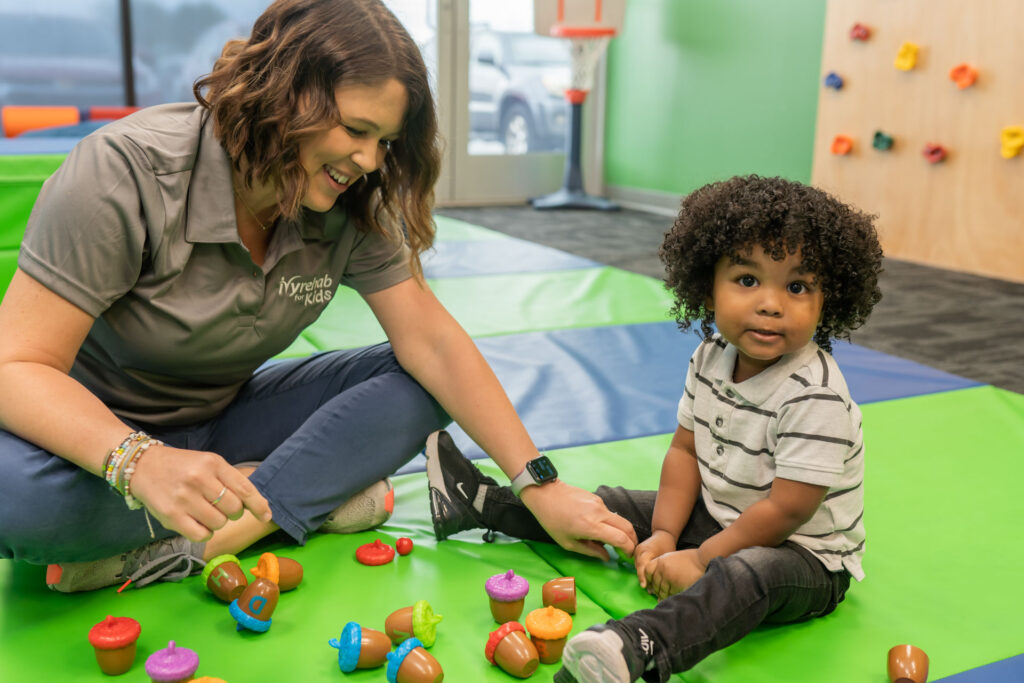
We go above and beyond when it comes to the treatment of our young patients. Our goal is to make their experience as close to “playtime” as possible.
Helping Children Build Essential Life Skills
Children develop at their own pace, but some may need extra support to strengthen the skills required for daily life. At Ivy Rehab, our pediatric occupational therapy services are designed to help children improve their ability to perform everyday tasks with confidence. Whether a child needs help with motor skills, sensory processing, or self-care activities, our certified pediatric occupational therapists provide personalized care to support their development.
Through engaging, play-based therapy, we help children develop independence at home, in school, and within their communities.

What is Pediatric Occupational Therapy?
Pediatric occupational therapy helps children develop the necessary skills for everyday tasks such as dressing, eating, playing, and writing. It supports children in improving motor coordination, problem-solving, and sensory processing abilities while promoting confidence and independence.
Our occupational therapy services focus on enhancing a child’s ability to participate in daily activities by addressing movement, fine motor development, and behavioral regulation. Early intervention can be especially beneficial, providing children with the tools they need for long-term success.
How Pediatric Occupational Therapy Works
Individualized Treatment Plans
Each child receives a comprehensive assessment to determine their strengths and challenges. Our pediatric occupational therapists create customized therapy plans focused on the child’s specific needs, incorporating exercises that improve coordination, strength, and independence.
Developing Skills for Daily Activities
Occupational therapy helps children enhance skills needed for everyday life, such as improving fine motor control for writing and grasping objects, strengthening balance and coordination, and regulating responses to sensory stimuli.
Therapy also supports children in learning self-care routines like dressing and eating independently, allowing them to feel more confident in daily activities.
Involvement of Parents and Caregivers
Family involvement plays a crucial role in a child’s progress. Our occupational therapy services include guidance for parents and caregivers to help reinforce learned skills at home. We also collaborate with teachers and healthcare providers to ensure consistency in the child’s development across different environments.
Who Can Benefit from Pediatric Occupational Therapy?
Children who struggle with coordination, sensory sensitivities, or motor skill development may benefit from occupational therapy. Our services support children facing challenges due to:
- Developmental delays that affect movement and independence
- Sensory processing disorders that impact how they respond to the environment
- Motor skill difficulties that make activities like writing or dressing more challenging
- Behavioral or cognitive challenges that interfere with learning or task completion
- Physical conditions or injuries that require rehabilitation
If your child experiences difficulties with everyday activities, occupational therapy may provide the right support to help them gain confidence and independence.
Why Choose Ivy Rehab for Occupational Therapy?
At Ivy Rehab, we provide a welcoming, engaging environment where children can build skills while having fun. Our approach is centered around personalized treatment, experienced therapists, and family collaboration.
Our therapists are highly trained in working with children and use evidence-based techniques to ensure meaningful progress. Each therapy plan is tailored to a child’s needs, with a focus on real-life skills that translate into everyday success.
FAQs
How does occupational therapy support children?
Occupational therapy helps children improve physical coordination, strengthen cognitive processing, and develop better self-care habits. Through structured activities, therapists guide children in improving balance, motor control, and sensory responses while reinforcing life skills.
What does a pediatric occupational therapist do?
A pediatric occupational therapist helps children improve skills needed for daily activities, such as fine motor coordination, sensory regulation, and social interaction. They work with children who have developmental delays, motor challenges, or sensory issues to build independence and confidence.
What is the difference between occupational therapy and physical therapy?
While physical therapy focuses on movement and mobility, occupational therapy helps children develop the fine motor, sensory, and cognitive skills necessary for daily tasks. Physical therapy works on strengthening large muscle groups and improving mobility, while occupational therapy supports activities like writing, dressing, and interacting with the environment.

Get Started with Pediatric Occupational Therapy at Ivy Rehab
Helping children develop life skills takes time and the right support. At Ivy Rehab, we provide compassionate occupational therapy services to help children improve coordination, gain confidence, and achieve independence.