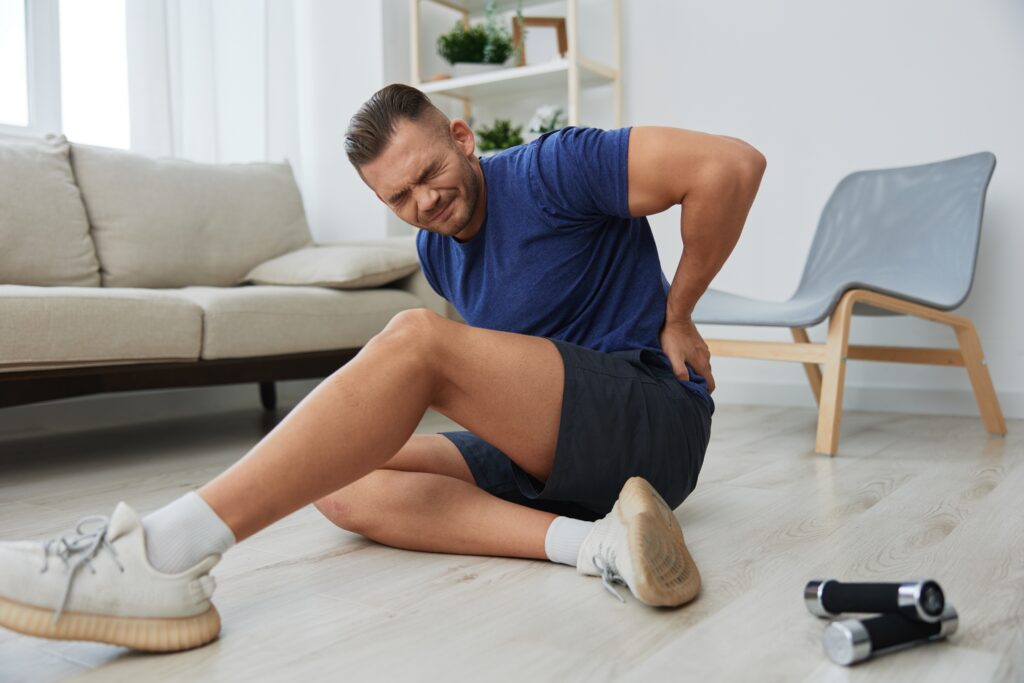

Flexor tendon pain has a way of showing up in the moments you least expect—while tying your shoes, gripping the steering wheel, lifting a bag, or typing an email. These tendons do a lot of behind-the-scenes work every day, so even a mild strain can feel like your whole arm is suddenly “off.”
If you’ve been dealing with pain, stiffness, or that frustrating “pulling” sensation along your forearm, you’re not alone. Flexor tendon injuries are incredibly common, and they respond well to the right kind of support. Flexor tendon physical therapy guides you through a steady, safe recovery using movement strategies that match how these tendons naturally heal.
At Ivy Rehab, our clinicians take a thoughtful, patient-centered approach to flexor tendon injury recovery. We help you restore motion without rushing, rebuild strength when you’re ready, and move through your day with less stress on the healing tissue.
What Is a Flexor Tendon Injury?
Your flexor tendons are strong cords that allow you to bend your wrist and fingers. They’re the reason you can grip a mug, open a jar, type on a keyboard, or hold a golf club. When these tendons become irritated, strained, or are recovering from surgery, even simple movements can feel tight or uncomfortable.
Flexor tendon injuries can range from overuse irritation and partial tears to postoperative rehabilitation following arm, hand, or tendon surgery. No matter the cause, people often describe the same challenges:
- A tight or pulling feeling along the palm side of the forearm
- Pain when gripping or pinching with hands and fingers.
- Stiffness first thing in the morning
- Difficulty trusting the arm during daily activities
Starting physical therapy early helps protect your mobility, prevent excessive scar tissue, and support a smoother healing process.


Common Causes of Flexor Tendon Pain
Flexor tendon pain rarely shows up out of nowhere. It typically builds from patterns in how you move, work, or play. Some of the most common reasons for pain in patients with flexor tendon issues include:
1. Overuse from Sports or Repetitive Work
Activities like baseball, tennis, rock climbing, weightlifting, and manual labor involve repeated gripping or wrist flexion. Over time, the tendon becomes irritated from trying to keep up. Young throwers can develop a version of this called Little League Elbow.
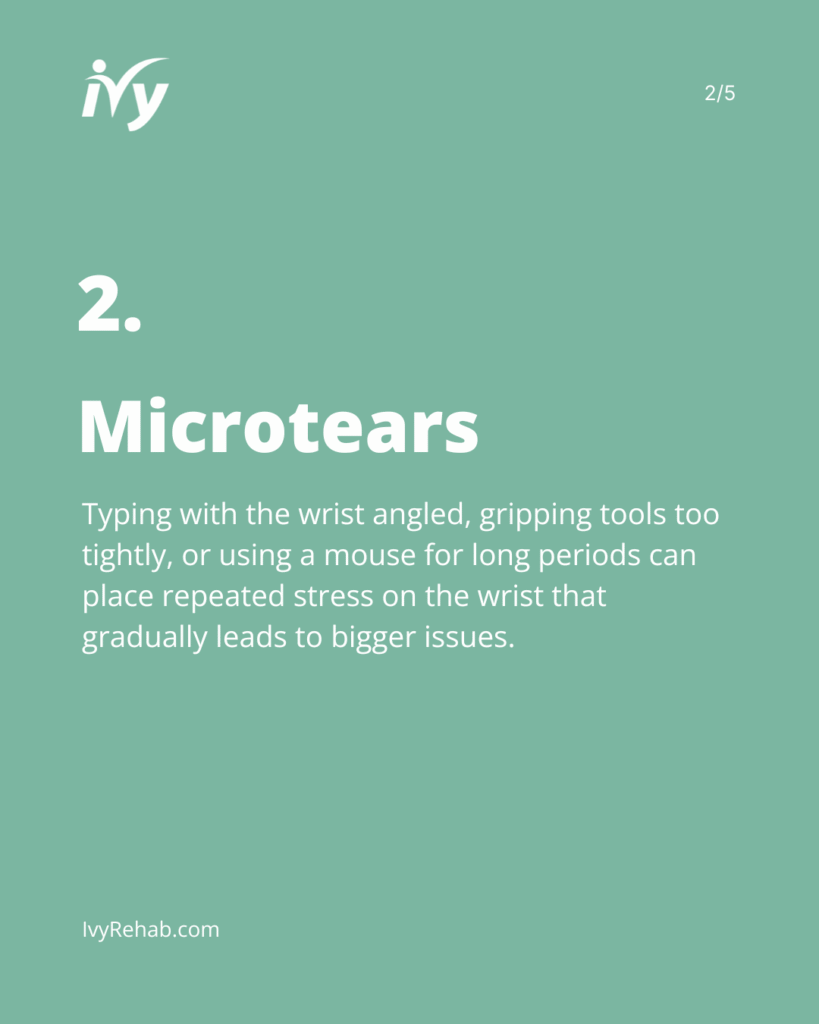
2. Microtears from Poor Ergonomics
Holding your wrist at a slight angle while typing, gripping tools tightly, or using a mouse all day can create small stresses that build into larger problems.
3. Post-Surgical Stiffness
When a tendon is repaired with surgical treatment, scar tissue is part of the healing story. Without the right motion early on in the rehabilitation phase, the tendon can feel stuck or restricted.
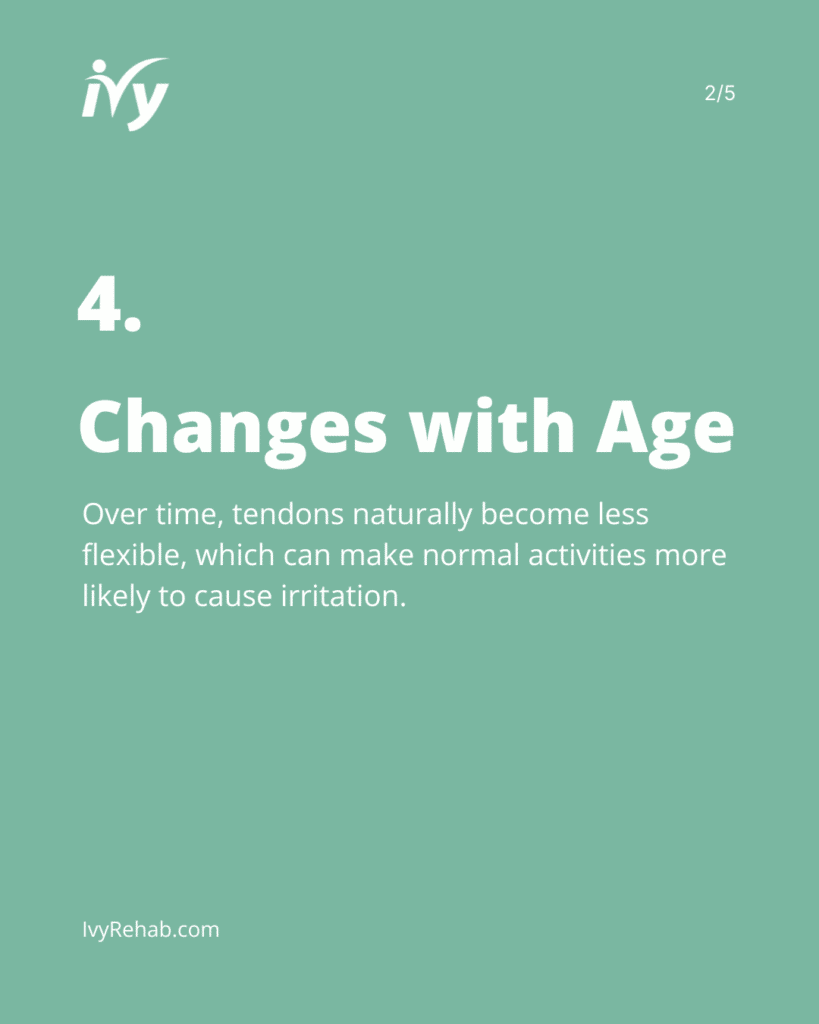
4. Natural Tendon Changes with Age
Tendons lose elasticity over time, making them more prone to irritation during everyday tasks.
Each of these causes influences how we plan your rehab, which is why a personalized approach matters.
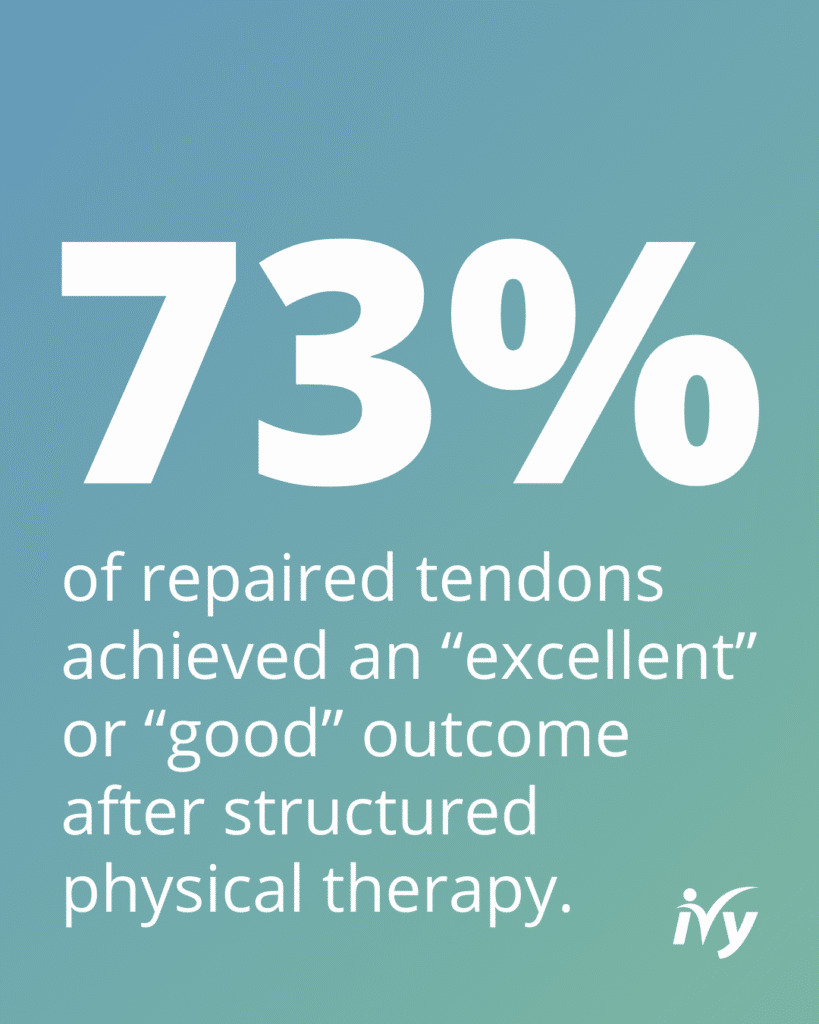
How Physical Therapy Aids Flexor Tendon Recovery
Flexor tendon rehab isn’t about pushing through pain. Repair and rehabilitation are about understanding when to move, how much to move, and what the tendon needs at each stage of healing. Your therapist helps you find that balance so you can rebuild hand functions, from muscle strength to range of motion, without setbacks.
Gentle Range-of-Motion Exercises
Early movement keeps the tendon gliding smoothly. These exercises feel small but make a big difference in preventing stiffness following flexor tendon surgery or injury.
Progressive Strengthening
Once your pain calms down, strengthening helps the tendon tolerate daily loads again. This includes targeted work for the wrist, forearm, and supporting muscles in the shoulder.
Scar and Soft Tissue Mobilization
If scar tissue forms, your therapist uses hands-on techniques to reduce adhesions. This helps the tendon move freely instead of catching or pulling.
Manual Therapy Techniques
Joint stiffness in the elbow or wrist can increase strain on the tendon. Manual therapy helps restore comfortable motion, so your forearm doesn’t have to compensate.
Education on Safe Movement
Adjustments to how you grip, lift, type, or play sports can protect the tendon long-term. These small changes can often bring big relief for hand and arm injuries.
Reclaim Your Strength and Mobility
Experience tailored physical therapy programs designed to alleviate pain and restore function.
Example PT Exercises for Flexor Tendon Healing
The following exercises are commonly used in flexor tendon rehab, especially in the early and middle phases of recovery. They’re most effective when taught and progressed by a physical therapist.
- Wrist Flexion and Extension: A simple way to restore mobility in the hand and forearm without overwhelming the tendon.
How to do it: Rest your forearm on a table, let your hand hang over the edge, and gently move your wrist up and down.
Why it helps: It reintroduces motion while keeping the tendon safe. - Tendon Glides: These small, intentional hand movements help the tendon slide smoothly.
How to do it: Start with your fingers straight, move into a hook fist, then a full fist, then back to straight.
Why it helps: It prevents stiffness and supports healthy tendon healing—especially after surgery. - Wrist Curls (Light Resistance): A gentle strengthening exercise.
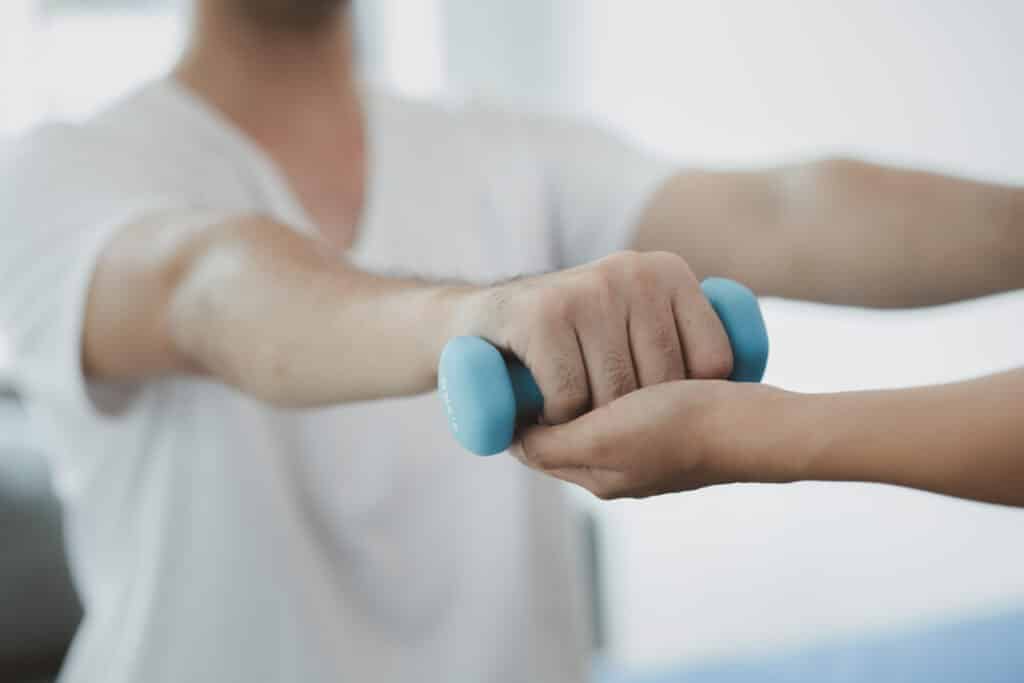
How to do it: Hold a light weight in your palm and curl your wrist upward. Lower it slowly and with control.
Why it helps: The controlled lowering phase improves tendon resilience and load tolerance. - Grip Squeeze with Soft Ball: A safe way to reintroduce gripping without straining the tendon.
How to do it: Hold a soft foam ball, squeeze lightly, hold, and release
Why it helps: It improves circulation and builds strength in a way that doesn’t overload the tendon.
What to Expect During PT at Ivy Rehab
Surgery or injury rehabilitation follows a steady, thoughtful progression, not a rushed one. Most rehabilitation programs move through three phases:
Phase 1: Pain Management and Gentle Motion: This phase focuses on comfort and safe movement. Modalities such as ice or ultrasound may help reduce irritation, while passive or light active movements help restore early mobility.
Phase 2: Strengthening and Function Training: As the tendon heals, you’ll build strength in the forearm, wrist, and hand. Your therapist may also incorporate shoulder and core exercises, since these muscles influence how much stress reaches your elbow.
Phase 3: Return-to-Activity Preparation: This phase prepares you for real-life demands—typing, lifting, throwing, or any other activity you need to get back to. The goal of phase three therapy sessions is to restore confidence and achieve comfortable motion.
Benefits of Flexor Tendon Physical Therapy
A consistent rehab program for managing flexor tendon issues and other common hand injuries helps you:
- Move, bend, and straighten limbs with less stiffness
- Reduce swelling and irritation
- Strengthen the muscles that support tendon function
- Improve daily comfort when gripping or lifting
- Prevent chronic pain by correcting the habits that contributed to the injury
It’s progress that feels gradual, steady, and sustainable.
Why Choose Ivy Rehab for Flexor Tendon Recovery
At Ivy Rehab, we don’t just walk you through exercises. We help you understand how your tendon is healing and what your body needs at each stage. Our clinicians use evidence-based tendon protocols, hands-on care, and personalized guidance to help you move comfortably again.
Whether your tendon is healing from overuse or recovering from surgery, we tailor your plan to support a return to daily life with pain-free, functional movement of the hand and arm.
Reclaim Your Strength and Confidence
Flexor tendon injuries take time. Total pain relief and full function of the hand and arm won’t happen overnight. However, you don’t have to figure out the recovery process on your own. With the right guidance, you can regain strength, restore motion, and move through your day without second-guessing your arm.
When you’re ready to begin rehabilitation physical therapy, schedule your free screening with Ivy Rehab and start your path toward steady, confident recovery.
References
- Nationwide Children’s Hospital. Elbow Injuries in Young Throwers. https://www.nationwidechildrens.org/specialties/sports-medicine/sports-medicine-articles/elbow-injuries-in-young-throwers
- Strickland JW. Development of Flexor Tendon Surgery: Twenty-Five Years of Progress. J Hand Surg. 2000. https://pubmed.ncbi.nlm.nih.gov/10722813/
- Morrison, D. Guidelines and Pathways for Clinical Practice in Tendinopathy: Their Role and Development. JOSPT 2015. https://www.jospt.org/doi/10.2519/jospt.2015.0111

Before you go
Find the right therapy today.
Discover how Ivy Rehab can help you get back to doing what you love.