Many women privately struggle with pelvic pain, pressure, or muscle weakness that disrupts their daily lives. From discomfort during pregnancy and postpartum recovery to challenges with bladder control, these issues can feel isolating and frustrating.
Rehabilitation physical therapy for pelvic pain offers effective, non-invasive solutions that address the root causes. By strengthening, relaxing, and coordinating the pelvic floor muscles, therapy can restore comfort, confidence, and control.
At Ivy Rehab, our pelvic health specialists design personalized treatment plans to support your goals and relieve your symptoms. This guide explores how pelvic floor therapy for women improves comfort, function, and overall quality of life.
Understanding Women’s Pelvic Health
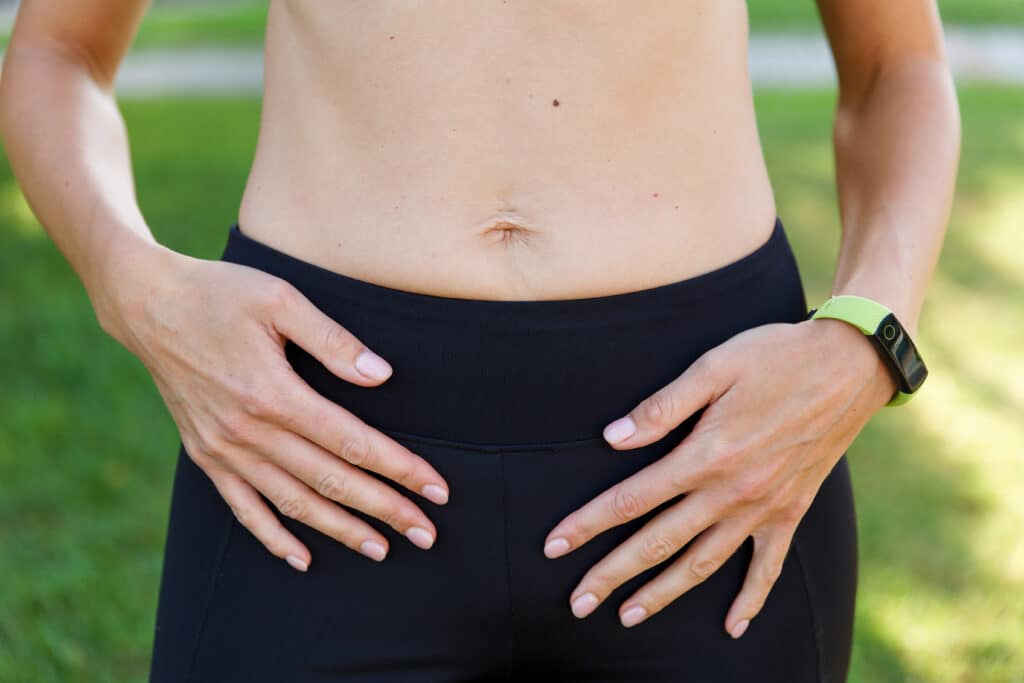
Women’s pelvic health refers to the function of the muscles, ligaments, and organs within the pelvic region—including the bladder, uterus, and rectum. These systems work together to support your core, control bladder and bowel function, and contribute to sexual health.
When pelvic floor muscles become too tight, weak, or uncoordinated, pain and dysfunction can develop. Physical therapy restores balance and strength to this intricate network, improving both daily function and long-term well-being.
Common Pelvic Health Conditions in Women
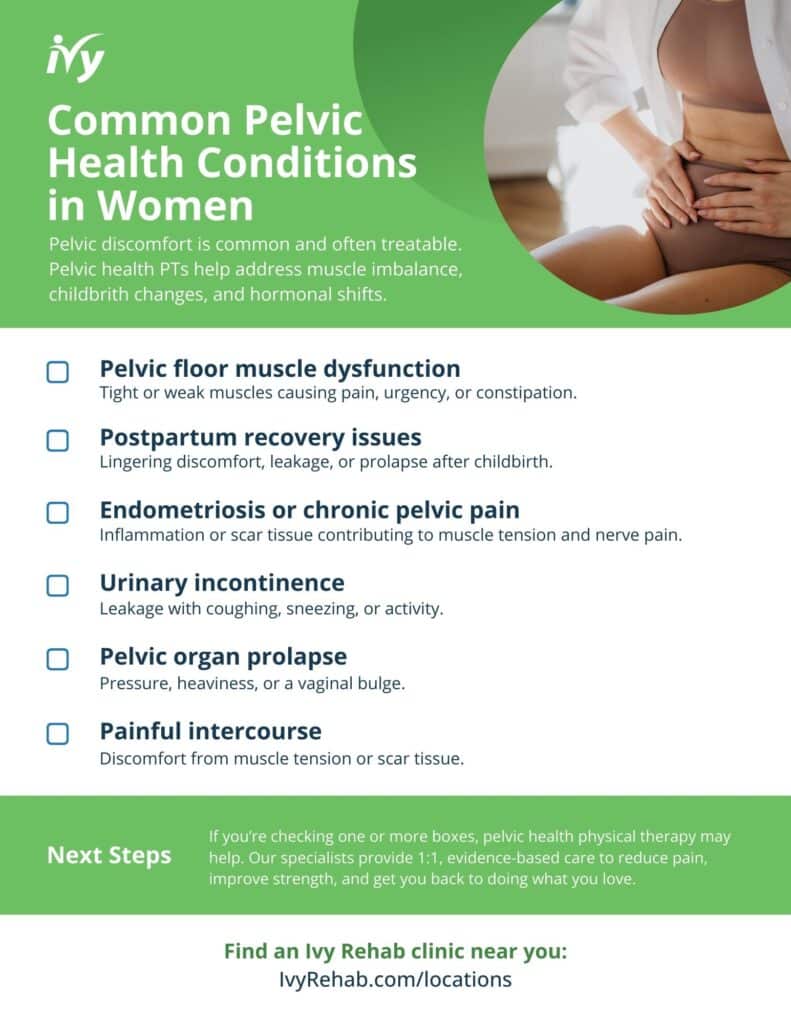
Pelvic discomfort can stem from muscle imbalances, childbirth, surgery, or hormonal shifts that occur throughout a woman’s life. Pelvic health physical therapists are trained to identify and address these underlying causes.
1. Pelvic Floor Muscle Dysfunction
When the pelvic floor muscles are either too tight (hypertonic) or too weak (hypotonic), this imbalance can cause pelvic pain, constipation, urinary urgency, and painful intercourse. PT helps retrain coordination and restores control.
2. Postpartum Recovery Challenges
After childbirth, pelvic floor muscles can become stretched, weakened, or torn. This may lead to lingering discomfort, incontinence, or pelvic organ prolapse. Targeted therapy helps rebuild stability and strength during recovery.
3. Endometriosis & Chronic Pain
Conditions like endometriosis cause inflammation and scar tissue that can tighten nearby muscles and irritate nerves. Pelvic floor therapy for women helps manage these symptoms through manual therapy and relaxation techniques.
4. Urinary Incontinence or Leakage
Involuntary urine leakage—especially when coughing, sneezing, or exercising—is common and treatable. Physical therapy strengthens the pelvic floor to improve bladder support and prevent leakage.
5. Pelvic Organ Prolapse
When muscles and tissues supporting the pelvic organs weaken, one or more organs can press into the vaginal wall. This often causes heaviness, pressure, or a visible bulge. Therapy focuses on improving muscle tone and posture to relieve symptoms.
6. Painful Intercourse (Dyspareunia)
Pelvic floor tension or scar tissue from childbirth or surgery can make intimacy painful. Gentle manual therapy and guided relaxation exercises help reduce discomfort and restore confidence.
How Physical Therapy Helps Improve Pelvic Health and Relieve Pain
Physical therapy targets the musculoskeletal and behavioral factors that contribute to pelvic pain and dysfunction. A specialized therapist uses evidence-based techniques to restore muscle function, improve posture, and teach new strategies for movement and relaxation.
“Pelvic pain is a complex and often misunderstood condition that affects millions of people worldwide,” explains Ivy Rehab therapist Amy Holcombe, PT, who has over 30 years of experience in pelvic health. “It can deeply influence quality of life, impacting movement, relationships, emotional health, and daily function.”
Pelvic Floor Muscle Training
Effective pelvic floor therapy for women goes beyond Kegels. Depending on your needs, your therapist will guide you through exercises that either strengthen weak muscles or relax overactive ones (a process called downtraining). This helps improve coordination, bladder control, and pain relief.
Manual Therapy
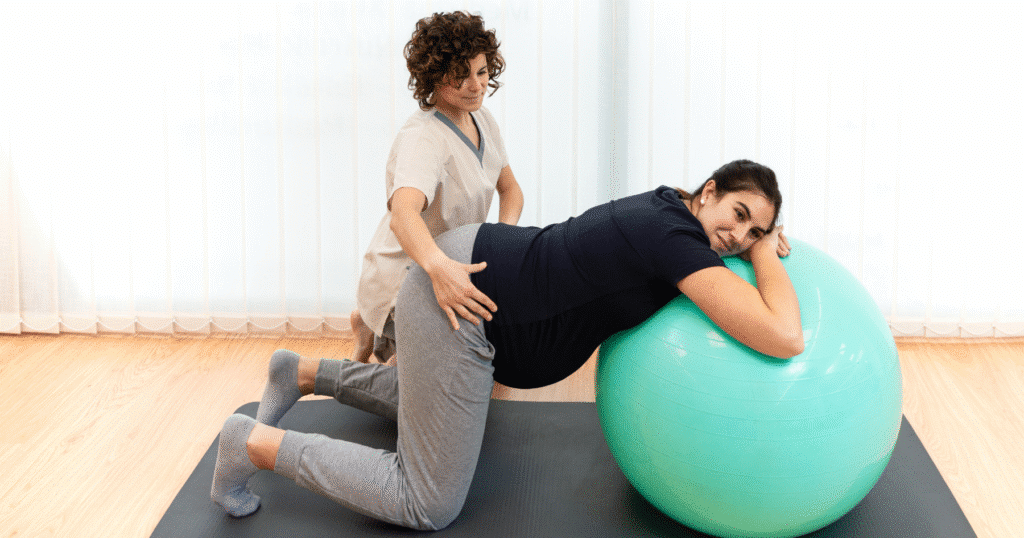
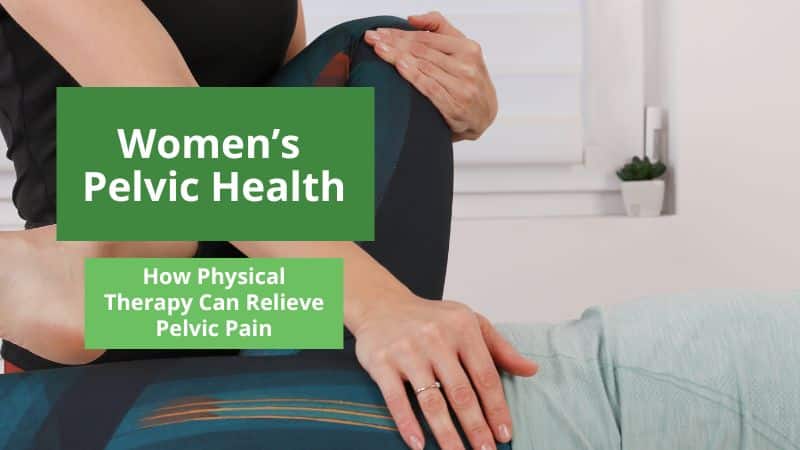
Manual therapy is a cornerstone of physical therapy for pelvic pain. Therapists use gentle, hands-on techniques to release trigger points, mobilize scar tissue, and relax tense muscles, helping reduce pain and restore mobility.
Core and Postural Exercises
The pelvic floor is part of your core. Your therapist will teach strengthening and alignment exercises that improve coordination between your abdominal, back, and hip muscles. Better posture reduces unnecessary strain on the pelvic area and supports long-term recovery.
Learn more about pelvic health physical therapy, and how core training supports pelvic floor function.
Breathing and Relaxation Techniques
Proper breathing supports pelvic floor function. Techniques like diaphragmatic breathing help manage pressure, reduce muscle tension, and calm the nervous system—important for both physical and emotional well-being.
Education and Lifestyle Modifications
Your therapist will coach you on practical changes that make daily life more comfortable, including:
- Healthy bladder and bowel habits
- Posture for sitting, lifting, and exercising
- Stress management and relaxation techniques
- Safe return to activity after childbirth
Benefits of Pelvic Health Physical Therapy for Women
Committing to pelvic floor physical therapy can bring transformative benefits that extend beyond symptom relief.
Key benefits include:
- Reduced chronic pain, spasms, and pelvic tension
- Improved bladder and bowel control
- Enhanced confidence in movement and intimacy
- Stronger postpartum recovery and core stability
- Increased comfort during daily and fitness activities
- Non-surgical, low-risk treatment with lasting results
As Holcombe notes, “Physical therapy is often the cornerstone of long-term recovery.”

Advanced Treatment Options Tailored to You
Our specialized programs are designed to address unique health challenges.
Why Choose Ivy Rehab for Women’s Pelvic Health
Discussing pelvic health can feel personal, but at Ivy Rehab, our approach is grounded in compassion and expertise. Our women’s pelvic health physical therapy specialists provide individualized care in inclusive, supportive settings.
We tailor your plan based on your needs—whether you’re navigating postpartum recovery, addressing chronic pelvic pain, or improving bladder control. Many states allow patients to see a physical therapist without a prescription, though we also collaborate closely with your medical team to ensure coordinated care.
Your Path to Pelvic Comfort and Confidence
Pelvic pain and dysfunction are common, but they don’t have to limit your life. With the right guidance and support, you can move, laugh, and live comfortably again. At Ivy Rehab, we help women build strength, restore balance, and find confidence in their bodies through expert pelvic floor therapy for women. Schedule a consultation with our pelvic health specialists today and take the first step toward lasting relief and improved pelvic health.
References
- Mayo Clinic. “Chronic Pelvic Pain – Symptoms and Causes.” (2024).
- National Center for Biotechnology Information (NCBI). “Physical Therapy Interventions for Pelvic Pain.” (2024).
- American Physical Therapy Association (APTA). “Pelvic Health Physical Therapy for Women.”

Before you go
Find the right therapy today.
Discover how Ivy Rehab can help you get back to doing what you love.