
Feeling strong and steady shouldn’t be a luxury. Whether it’s carrying groceries, playing with grandkids, or taking stairs without holding your breath, core strength and balance make it all possible. Everyday activities like these rely on your core muscles, stability, and movement control.
When that steadiness starts to fade, even small tasks can feel tougher. But losing your balance doesn’t have to mean losing your independence. Physical therapy can help improve your core strength, stability, and mobility, restoring the control and confidence that make everyday life easier. Through guided training and targeted core exercises, you can strengthen core muscles, reduce pain, and rebuild your body’s coordination.
Understanding the Connection Between Core Strength and Balance
Your core does more than keep you upright. It’s your body’s stabilizer. The core muscles in your abdomen, hips, and lower back support posture, movement, and coordination. When these muscles weaken, balance suffers.
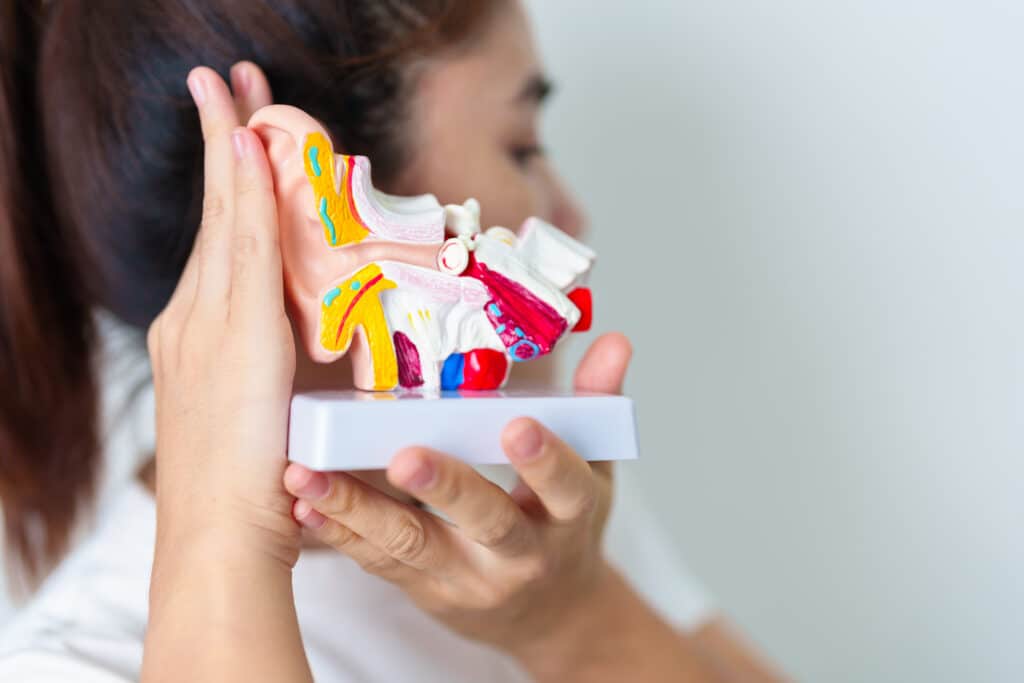
But strength is only part of the story. Balance depends on a three-way team: your core, your vestibular system (inner ear), and your proprioception (your body’s sense of position). These systems communicate constantly, helping you hold your position and perform exercises that strengthen posture and coordination. If one of those systems misfires, your brain gets unclear signals about where you are in space, and that’s when slips and stumbles happen.
“Core and vestibular systems work hand-in-hand,” explains Robin Evans, Ivy Rehab’s Director of Geriatric & Vestibular Specialty Programs. “When we strengthen one, we’re often improving the other, and that’s what makes physical therapy so effective for long-term balance.”
For older adults or anyone facing dizziness or weakness, targeted training can improve balance and strengthen the core muscles needed for safety and independence.
The Role of Physical Therapy in Assessing and Improving Stability
Physical therapists are movement experts who look beyond symptoms to find what’s really throwing you off balance. At your first visit, you’ll undergo a one-on-one evaluation to assess your strength, flexibility, and how your body responds to challenges.
Your physical therapist may:
- Test core, hip, and leg strength for stability and control
- Use validated balance tests like the Timed Up and Go (TUG) or Berg Balance Scale
- Observe your gait (walking pattern) for stride or posture changes
- Conduct a vestibular screening if dizziness or vertigo plays a role
Therapists act like an instructor and personal trainer combined. They apply exercise sciences to guide proper movement and build a stronger core.
This information helps your therapist create a customized plan to strengthen weak links, retrain coordination, and reduce your risk of falls.
PT-Approved Core Strengthening & Balance Exercises
Your therapist will tailor exercises to your specific goals, mobility level, and individual safety needs. Here are examples of core physical therapy exercises often used to rebuild stability and control:
1. Bridging
- Lie on your back with knees bent, feet flat.
- Lift your hips until your body forms a straight line from shoulders to knees. Hold for 3-5 seconds, then lower slowly.
- Do 10-15 reps, 2-3 times a day.
- Why it works: Strengthens glutes and back, key for balance and walking control. You can add resistance bands for more training intensity or variations like single-leg bridging to challenge your core muscles.
2. Pelvic Tilts
- Tighten your abs to press your lower back into the floor. Hold for 5 seconds, then relax.
- Repeat 10-12 times.
- Why it works: Activates deep core muscles that support your spine. Adding breathing control, taking deep breaths, and learning to hold deep breaths engages the stomach and chest for better control and stability.
3. Heel Raises
- Stand tall and lift your heels off the ground, using a counter or sturdy surface for balance.
- Pause at the top for 2-3 seconds, then lower slowly.
- Do 10-15 reps.
- Why it works: Strengthens calves and improves ankle stability. This exercise also helps build endurance in your lower body and hips, essential for standing and walking.
4. Bird Dog
- On hands and knees, extend one arm and the opposite leg.
- Hold for 3 seconds, keeping your back flat, then switch sides.
- Repeat 8-10 times per side.
- Why it works: Builds coordination across the body’s midline. It’s one of the best core exercises for mobility and stability without pain.
5. Seated Marches
- Sit tall with feet flat on the floor. Lift one knee toward your chest, then alternate.
- Do 10-12 repetitions total.
- Why it works: Engages hip flexors and core while improving lower-body control. This simple exercise can help older adults improve balance during seated activities or rehab training.
6. Standing Balance with Arm Reach
- Stand with feet hip-width apart. Reach forward, to the side, and overhead. Pause briefly at each position to challenge your balance.
- Repeat 5-10 times per arm.
- Why it works: Mimics real-life tasks and enhances dynamic balance.

These hold times and repetitions are starting points. Your physical therapist can adjust them based on your condition, comfort, and goals, ensuring progress happens safely and effectively.
For more ways to stay active safely, explore the CDC’s Physical Activity Guidelines for Older Adults, which include practical recommendations for balance, strength, and endurance exercises tailored to every fitness level.
How Physical Therapy Programs Improve Overall Stability
Physical therapists do more than give you exercises. They design a plan just for you.
- After surgery: Physical therapy may start with seated or supported movements.
- If you’re worried about falling: You’ll practice turns, transfers, and walking on varied surfaces.
- If you’re returning to sports or fitness: Advanced strength and balance drills rebuild power safely.
Your instructor will recommend proper positions and push you toward gradual progress which helps improve mobility, posture, and strengthen core muscles. Progress happens step by step, with your therapist guiding you to move confidently again, not just in the clinic, but in your everyday life.
Your therapist may also adjust your core physical therapy exercises as your balance and strength improve, helping you progress safely toward greater independence.
The Benefits of Improved Balance and Core Strength
Building your core and balance can change more than how you move. It changes how you feel about movement.
The benefits include:
- Better posture and coordination
- Fewer falls and injuries
- Faster recovery after illness or surgery
- Increased energy and endurance
- Confidence to stay active and independent
Strong core muscles improve balance, support your spine, and reduce pain. A stronger core also enhances walking, standing, and other fitness activities that keep your body in top shape.
The CDC reports that exercise programs focusing on strength and balance can reduce fall risk by up to 30% in older adults. Not sure where to start? Read our related article on Signs You May Need a Fall Risk Assessment.
Why Choose Ivy Rehab for Your Balance and Core Program?
At Ivy Rehab, our physical therapists blend advanced clinical knowledge with compassionate care. With guidance from experts like Robin Evans, our programs address not just strength, but the sensory systems that control balance, helping you move confidently and safely at every age. You’re capable of more than you think. Find an Ivy Rehab clinic near you and take the first step toward moving with confidence again. Improving your core strength and balance through rehabilitation physical therapy can help you move with confidence and stay active at any age.
References
- Harvard Health Publishing. (2023). The importance of core exercises. Harvard Medical School. https://www.health.harvard.edu/staying-healthy/the-importance-of-core-exercises
- Centers for Disease Control and Prevention. (2024). Facts about falls. https://www.cdc.gov/falls/facts.html
- American Physical Therapy Association (APTA). (2024). Balance training interventions. https://www.choosept.com

Before you go
Find the right therapy today.
Discover how Ivy Rehab can help you get back to doing what you love.