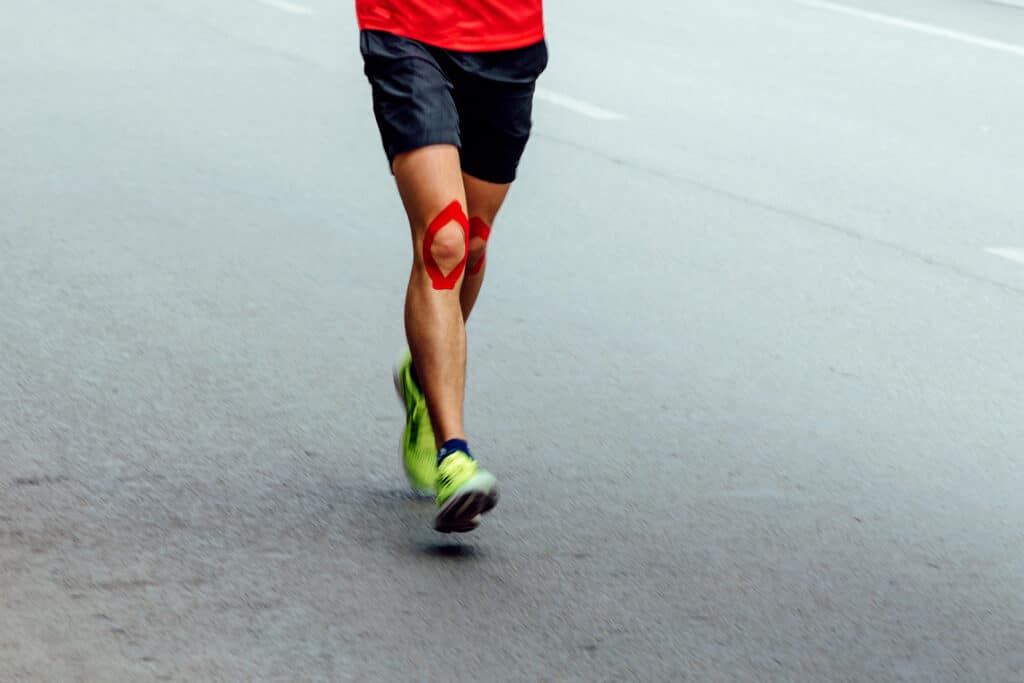

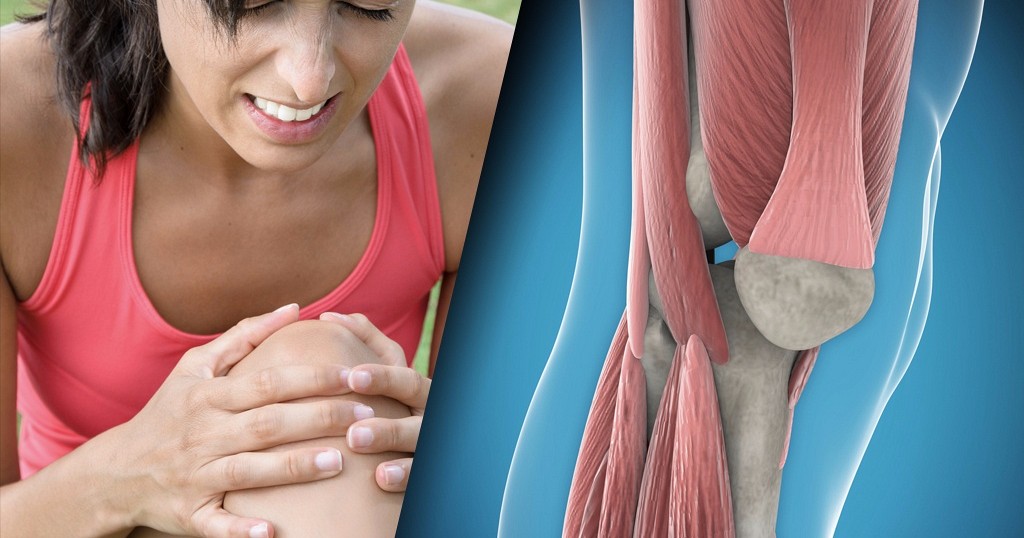
Do you have a sharp pain on the outside of your knee? It could simply be your Iliotibial Band (also known as the IT Band). The IT Band originates near your hip bone, functions as a stabilizer for both the hip and the knee, and helps protect the ACL from excessive force. However, whenever we bend or straighten our knees, the IT Band slides back and forth over a bony structure called the lateral femoral condyle. It is believed that excessive friction between these two areas is the cause of IT band syndrome. This could be due to weak hip abductors, improper knee alignment, or even exercising too much.
What Is Iliotibial Band Syndrome?
Iliotibial band syndrome (often called IT band syndrome) is a common overuse injury that affects the outside of the knee.
The iliotibial band is a thick band of connective tissue that runs from the hip down to the shin. Its job is to help stabilize the knee during movement. When this band becomes tight or irritated, it can rub against the outer portion of the knee, leading to pain and inflammation, especially during repetitive activities such as running, cycling, or long-distance walking.
What Causes IT Band Syndrome?
IT band syndrome typically develops when the band is repeatedly stressed without adequate recovery time. Common contributing factors include:
- Muscle imbalances or weakness in the hips and glutes
- Tight muscles in the hips, thighs, or calves
- Sudden increases in activity level, distance, or intensity
- Poor movement mechanics, such as improper running form
- Inadequate footwear or worn-out shoes
Over time, these factors can cause friction and irritation along the IT band, particularly near the knee.
Who Are Commonly Affected by IT Band Syndrome?
IT band syndrome most often affects people who participate in repetitive lower-body activities. This includes runners, cyclists, and athletes involved in sports that require frequent bending and straightening of the knee.
However, it’s not limited to athletes. Individuals who spend long periods walking, standing, or going up and down stairs can also develop IT band knee pain.
What Are the Symptoms of IT Band Syndrome?
The most common symptom of IT band syndrome is pain on the outside of the knee. This discomfort may start as a mild ache and progress to sharper pain with continued activity. Other symptoms can include:
- Pain that worsens during or after exercise
- Tenderness along the outer knee or thigh
- A feeling of tightness along the outside of the leg
- Swelling or inflammation near the knee
Symptoms often improve with rest but tend to return if the underlying issue isn’t addressed.
How Is IT Band Syndrome Diagnosed?
IT band syndrome is typically diagnosed through a physical examination and a review of your activity history. A physical therapist or medical provider will assess your movement patterns, flexibility, strength, and areas of tenderness.
Imaging tests are not always necessary, but may be used to rule out other causes of knee pain. A clear diagnosis helps guide a treatment plan that focuses on correcting the root of the problem rather than just managing symptoms.
How Do You Treat IT Band Syndrome?
There’s a range of options you may consider when treating knee pain from IT band syndrome.
Resting
Some conservative treatments for IT band syndrome include rest, stretching, myofascial release, and strengthening. For those who exercise too much, sometimes rest may simply be the solution. By cutting back on workouts and taking some days off, you may feel better before you know it.
Plain Resting
Stretching is also beneficial; however, the IT band is one of the more difficult structures to fully stretch. One common stretch involves standing upright and crossing your right leg behind your left. Lean slightly forward and to your left side until you feel a stretch on the outside of your right leg. Lean on a chair/wall if needed.
Foam Rolling
One thing patients can do on their own is to use a foam roller. In a side plank position, place the foam roller under the thigh and slowly roll it up toward the hip and down toward the knee. The only downside is that it may cause discomfort and is not easy for some individuals to achieve.
Hip Abductor Training
Hip abductor strengthening exercises are important and should be incorporated regardless of injury. Try lying on the unaffected side with both legs straight. Lift the affected leg while keeping the knee straight, then slowly lower it back toward the other leg with control. Resistance can be added by placing a resistance band around the ankles.
For a more functional and challenging option, squat walks are very effective. Place a resistance band around your ankles, lower into a squat, maintain band tension, and begin sidestepping. This exercise challenges the hip abductors and quadriceps while also helping maintain core strength and posture.
How Long Does It Take to Recover From IT Band Syndrome?
Recovery time varies depending on symptom severity and the timing of treatment. Many people start to feel improvement within a few weeks when they follow a personalized treatment plan that includes rest, targeted exercises, and movement correction.
With consistent care and guided rehabilitation physical therapy, most individuals can safely return to their activities without ongoing pain. The key is to address strength, flexibility, and movement habits to prevent the issue from recurring.
How Can I Reduce My Risk of IT Band Syndrome?
Reducing your risk of IT band syndrome starts with taking care of how your body moves and recovers. Helpful prevention strategies include:
- Gradually increasing activity levels instead of making sudden changes
- Strengthening the hips and core to support proper movement
- Stretching tight muscles in the hips and legs regularly
- Wearing supportive footwear appropriate for your activity
- Listening to your body and allowing time for rest and recovery
If knee pain is slowing you down, a physical therapist can help identify problem areas and create a plan that keeps you moving confidently.
Say Goodbye to Your Knee Pain with Ivy Rehab
IT band syndrome can range from a mild complication for individuals to a chronic pain issue interfering with running and walking. The best way to treat a potential problem like this is to work on preventive strategies such as those outlined above. Pay attention to your body and never ignore a problem for too long. Be sure to consult a physical therapist to help reduce or eliminate your pain.
If you are still having issues, feel free to request an appointment here.
For more information about knee pan, click here.

Before you go
Find the right therapy today.
Discover how Ivy Rehab can help you get back to doing what you love.