

A fall can shake more than your balance; it can shake your confidence, too. Even a quick slip can leave you wondering “What just happened?” and unsure what to do next. The truth is, most people don’t realize how common falls are until they experience one themselves.
Physical therapy helps you recover not just physically, but mentally. Your therapist works with you to restore strength, balance, and stability, and rebuild the confidence to keep moving without fear. At Ivy Rehab, that’s where your recovery after a fall starts.
Immediate Steps to Take After a Fall
Falls happen in seconds, and those first few moments after matter. Knowing what to do after a fall and how to get up safely after a fall can prevent falls and reduce the chance of further injury. Staying calm and moving with care helps prevent further injury and keeps you safe while deciding your next step.
- Stay still and take a breath.
Before trying to move, pause and notice how you feel. Check for pain, dizziness, or anything that feels “off.” A deep breath helps you think clearly and prevents rash movement that could worsen an injury. - If you’re uninjured, roll to your side first.
Take your time. Move one joint at a time — bend your knees, roll gently to your side, and rest there for a moment before continuing. - Get up slowly using sturdy support.
Place your hands on a stable surface (like a chair or couch) and move into a crawling or kneeling position before rising slowly. - Call for help if you can’t get up safely.
Use your phone or an alert system if you have one. If not, try to slide toward furniture or a wall for comfort and wait for help. - Get checked if you feel sore or disoriented.
Even if it seems minor, see a healthcare provider to rule out internal bruising, sprains, or a head injury. Seeking prompt medical attention after an accident is important to rule out hidden injuries and ensure proper healing.

For practical guidance on how to get up safely after a fall, the AARP offers helpful tips you can follow at home.
When to Seek Medical Care After a Fall
Not every injury is obvious right away. Sometimes soreness, swelling, or imbalance shows up hours later. Seek medical care if you experience:
- Severe pain or can’t move a limb
- Head impact, dizziness, or blurred vision
- Swelling, bruising, or possible fracture
- Ongoing bleeding or deep cuts
In any case, getting checked helps identify the cause of your fall and any underlying conditions that might increase the risk of falls. Even if you feel fine, it’s smart to follow up with your doctor after any fall. Johns Hopkins Medicine notes that early reporting helps healthcare providers identify underlying causes, like medication side effects or vision changes, that can increase future fall risk.
Recovery After a Fall: How PT Helps
Once the immediate danger has passed, the next step is recovery. A physical therapist helps you rebuild strength, coordination, and confidence while identifying the reasons behind your fall.
Strengthening Exercises
After a fall, muscles often tighten up from pain or fear of movement. Your therapist will design exercises to restore lower-body strength, particularly in the legs, hips, and core, which play key roles in stability.
A 2024 evidence report from the US Preventative Services Task Force found that targeted leg and hip strengthening improved walking speed and reduced repeat fall risk by over 25% among older adults. This demonstrates how guided practice and assistance can reduce the risk of falls through structured recovery after a fall.
Balance & Gait Training
Falls often disrupt the body’s natural coordination. Through balance and gait training, physical therapists help retrain the systems that control posture and reaction time. Exercises might include tandem walking, step-ups, or dual-task challenges (like turning while talking).
Research in Frontiers in Aging Neuroscience shows that task-specific balance training can enhance stability and cognitive-motor coordination, reducing future falls in older adults.
Vestibular Therapy
If dizziness, vertigo, or blurred vision followed your fall, vestibular therapy may be part of your plan. This specialized form of PT retrains your inner ear and balance systems. Treatments can dramatically reduce dizziness-related fall risk.
Functional Training
Recovery after a fall also means rebuilding trust in everyday movements like getting out of bed, standing from a chair, or reaching for something high. Physical therapists teach safe ways to move so you don’t hurt yourself or trigger another accident. They also guide you through safe movement patterns and teach techniques to prevent future strain or imbalance.
Emotional Recovery After a Fall
Fear after a fall is common — and completely normal. It’s called “post-fall syndrome,” a cycle of anxiety and avoidance that can actually increase fall risk if it limits activity.
Your therapist provides emotional aid and gradual exposure to safe movement. Rebuilding confidence is as important as rebuilding strength, as both ensure a full recovery after a fall. Gradually reintroducing daily tasks (like walking outdoors or using stairs) helps restore independence and trust in your body.
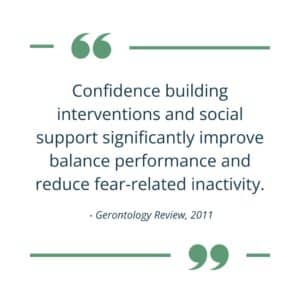
A review in Gerontology found that confidence-building interventions and social support significantly improve balance performance and reduce fear-related inactivity.
Preventing Future Falls
Prevention is an essential part of every physical therapy recovery plan. Your therapist will evaluate your home setup, footwear, and environment to help reduce hazards.
Common prevention strategies include:
- Removing clutter, loose rugs, or cords in walkways
- Using proper lighting in hallways and bathrooms
- Wearing supportive shoes with non-slip soles
- Installing grab bars and railings where needed
- Continuing strengthening and balance exercises at home
At Ivy Rehab, we offer free fall risk screenings, where physical therapists assess balance, gait, and strength to help reduce fall frequency and prevent them long term.
Why Choose Ivy Rehab for Fall Recovery
Recovering after a fall takes more than rest. It takes practice, guidance, and encouragement. Ivy Rehab physical therapists are experts in helping older adults restore function, reduce fear, and regain confidence.
Each recovery plan is built around you: your goals, your comfort, your pace. Whether you’re dealing with soreness, dizziness, or simply want to feel steady again, Ivy Rehab offers the tools and support to help you move forward safely.
Conclusion
Knowing what to do after a fall can make all the difference in your safety and recovery. With the right physical therapy, you can restore balance, rebuild strength, and move through life with renewed confidence. If you’ve recently been injured in a fall or accident, don’t wait and seek medical attention and professional assistance to begin your recovery. Find an Ivy Rehab clinic near you to begin your personalized recovery after a fall, and take the first step toward steadier, safer movement.
References
- AARP. The Safest Way to Get Up From a Fall. https://www.aarp.org/health/healthy-living/how-to-safely-get-up-from-falls/
- John Hopkins Medicine. 4 Ways to Improve Fall Safety. https://www.hopkinsmedicine.org/health/wellness-and-prevention/4-ways-to-improve-fall-safety
- JAMA. Interventions to Prevent Falls in Older Adults: Updated Evidence Report and Systematic Review for the US Preventive Services Task Force. https://jamanetwork.com/journals/jama/fullarticle/2819574
- Frontiers. The Effect of Balance and Coordination Exercises on Quality of Life in Older Adults: A Mini-Review. https://www.frontiersin.org/journals/aging-neuroscience/articles/10.3389/fnagi.2019.00318/full
- PubMed. Interventions aiming at balance confidence improvement in older adults: an updated review. https://pubmed.ncbi.nlm.nih.gov/21042008/

Before you go
Find the right therapy today.
Discover how Ivy Rehab can help you get back to doing what you love.