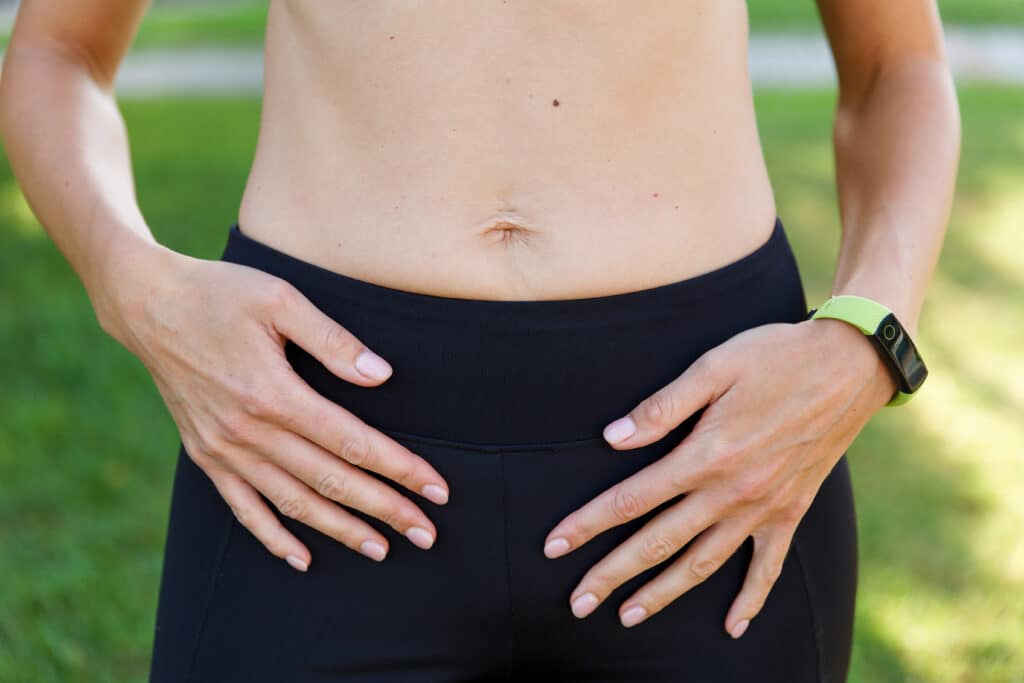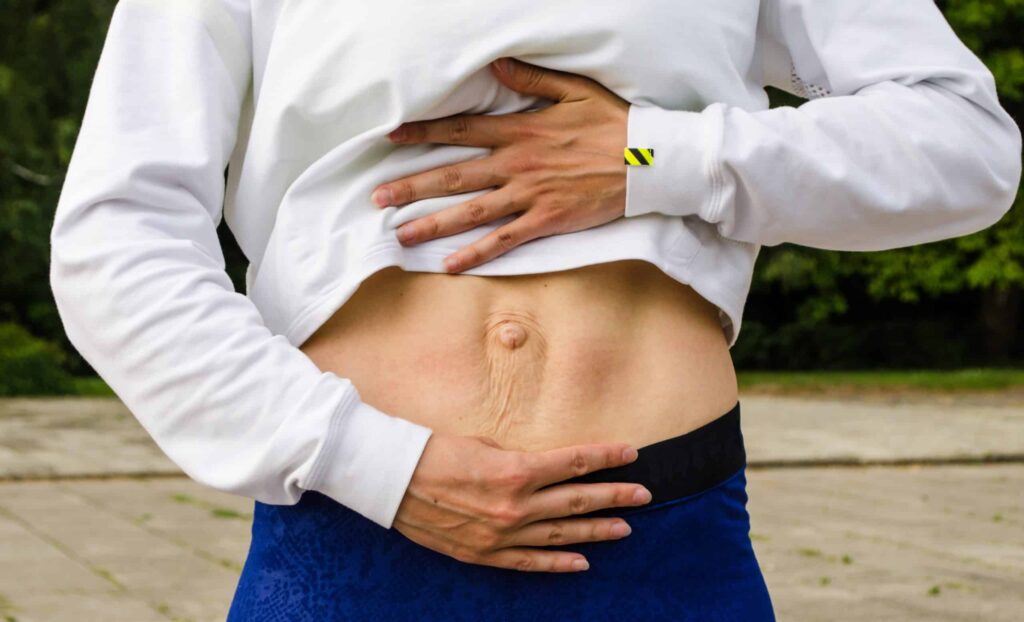
If you’ve looked down and noticed a ridge or bulge running down your belly, it might be a case of diastasis recti. But, what is diastasis recti and should you be concerned?
This condition refers to the partial or complete abdominal separation of the rectus abdominis muscles — the pair of long, flat muscles running vertically along the abdomen (your “six-pack”). When internal pressure increases, a tissue can stretch and the muscles separate along the midline of the abdominal wall. This condition most commonly develops in women during the second and third trimesters of pregnancy but may also appear in men and others who have never been pregnant.
The good news is that diastasis recti is treatable. With early awareness, guided physical therapy, and proper core strengthening, most people can restore stability and prevent complications. This guide will help you learn the symptoms, causes, and treatment options—so you can understand your body and begin healing confidently.
How do I know if I have diastasis recti?
You will notice a bulge in the middle of your abdomen when you contract your abdominals. This occurs anytime you have increased pressure in your abdomen, especially when sitting up, coughing, or lifting. Your doctor or physical therapist can assess for diastasis recti.
Other symptoms include:
- A visible gap or dent in the abdominal wall when contracting your core
- Lower back pain or poor posture
- Weakness in the core muscles
- Bloating, constipation, or abdominal discomfort
- Difficulty lifting objects or returning to exercise postpartum
You can check for diastasis recti abdominis yourself by doing the following:
- Lie flat on your back with knees bent.
- Place your hands along the midline of your belly.
- Gently lift your head and shoulders.
- If you feel a gap between the rectus abdominis muscles wider than 1–2 fingers, you may have diastasis.
It’s important to consult a doctor or physical therapy provider for a full medical evaluation to determine the severity and rule out related issues like a hernia.
What causes diastasis recti?
It’s important to consult a doctor or physical therapy provider for a full medical evaluation to determine the severity and rule out related issues like a hernia.
- Pregnancy: As the baby grows, the abdominal muscles stretch to make room, increasing risk of separation.
- Repeated heavy lifting or intense core exercises that strain the rectus abdominis.
- Improper breathing or posture during movements.
- Obesity or chronic coughing, both of which increase internal abdominal pressure.
- Genetics or weak connective tissue may make some people more prone to diastasis.
Diastasis recti is present in at least 60% of pregnant women. While it may not directly cause pain, it can lead to weakness, instability, and secondary symptoms in the pelvic floor and lower back.
What happens if you have diastasis recti?
A variety of things can occur with diastasis. The list below are conditions that can occur with diastasis recti.
- Decreased core stability and strength – Weak core muscles and pelvic floor muscles reduce overall body stability and make daily movements or posture control more difficult.
- Increased risk of hernia – A hernia occurs when the abdominal wall separates and allows internal tissue or organs to push through the gap, causing a visible bulge and possible pain.
- Joint stiffness and poor alignment – A weak core can add extra stress to the pelvis, sacrum, and lower back, which may lead to stiffness or mobility issues.
- Delayed return to fitness after birth – Diastasis recti can make it harder to regain strength after pregnancy.
- Constipation and digestive pressure – Poor coordination of abdominal and core muscles may reduce the body’s ability to move waste effectively, leading to constipation or bloating.
- Chronic low back pain – Weak core muscles and instability in the abdominal wall can contribute to persistent lower back pain and postural strain.
- Urinary incontinence – A weak pelvic floor can reduce bladder control, leading to urine leakage.
- Pelvic floor dysfunction – Loss of coordination and muscle weakness in the pelvic floor may cause pain, pressure, and difficulty with bowel or bladder function.
- Pelvic organ prolapse – When the wall of the vagina becomes weak, the bladder or rectum may drop into the vaginal canal.
Prevention and Management of Diastasis Recti
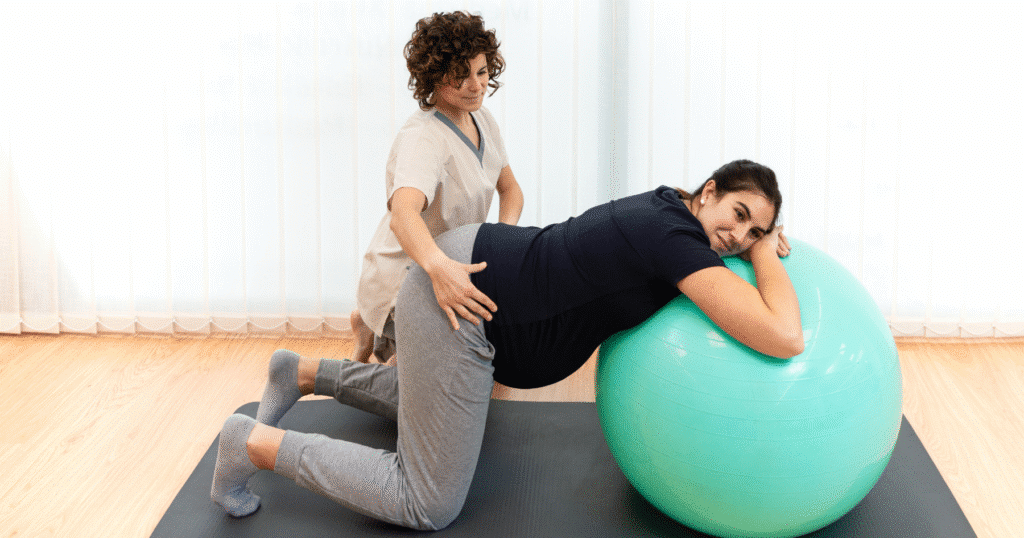
Preventing and managing diastasis recti involves building core strength gradually and safely. During and after pregnancy, avoid exercises that overly strain the rectus abdominis, such as sit-ups, crunches, or planks. Instead, focus on gentle movements that engage the core muscles without forcing the abdominal wall apart.
Helpful strategies include:
- Engage deep core and pelvic floor muscles through guided breathing techniques.
- Practice safe lifting and bending mechanics. Always exhale and brace your core when you lift your baby.
- Support your belly and lower back with pillows, SI belts, or maternity supports when sitting or sleeping.
- Work with a physical therapy specialist to learn targeted treatment exercises.
- Maintain good posture to distribute pressure evenly across your body.
Early physical therapy intervention can prevent worsening separation and promote faster healing of the abdominal wall.
Treatment for Diastasis Recti
The treatment for diastasis recti focuses on conservative methods first, with surgery rarely required. Physical therapy is considered the best first step, as it can help strengthen and re-train the core muscles to restore alignment and stability.
Treatment options include:
- Core Rehabilitation Exercises: Controlled breathing, pelvic tilts, and gentle transverse abdominal strengthening.
- Manual Therapy: Massage and fascia mobilization to relax tight tissue around the rectus abdominis.
- Posture & Movement Training: Correct lifting, standing, and sitting patterns to reduce strain on the abdomen.
- Support Devices: Abdominal binders or maternity belts can provide temporary support while the muscles heal.
In rare cases where severe abdominal separation doesn’t respond to conservative care, a surgeon may recommend a surgical repair procedure. This repair involves stitching the rectus abdominis muscles back together to reinforce the core. However, most patients improve significantly through consistent physical therapy without surgery.
Rebuild Your Core Strength with Ivy Rehab
Whether you’re pregnant, postpartum, or simply learning more about what is diastasis recti, you don’t have to manage it alone. This condition is common and treatable with the right care. At Ivy Rehab, our licensed physical therapy specialists provide customized programs to help you strengthen your core, improve your posture, and reduce pain.
Don’t wait to feel strong again. Schedule a diastasis recti assessment with Ivy Rehab today and take the first step toward healing your abdominal wall safely and confidently. Request an appointment online or call the location nearest you for support.
FAQs
Can I exercise with diastasis recti?
Yes, but you should avoid high-pressure core workouts like crunches or sit-ups. Focus on gentle movements that strengthen the deep core muscles and pelvic floor.
Can you have diastasis recti without pregnancy?
Yes. While women most commonly develop it after birth, anyone can experience diastasis recti from chronic pressure, heavy lifting, or rapid weight changes.
How long does it take to heal diastasis recti?
Recovery depends on the severity of the abdominal separation and your consistency with physical therapy. Most patients see progress within 8–12 weeks of guided treatment.
Is surgery necessary to fix diastasis recti?
In most cases, no. Surgery is reserved for severe separation or when conservative treatment fails. Physical therapy is usually effective in promoting healing and functional recovery.
When should I see a doctor for diastasis recti?
If you notice worsening pain, a pronounced bulge, or suspect a hernia, contact your doctor promptly. Early treatment prevents complications and supports long-term health.

Before you go
Find the right therapy today.
Discover how Ivy Rehab can help you get back to doing what you love.