

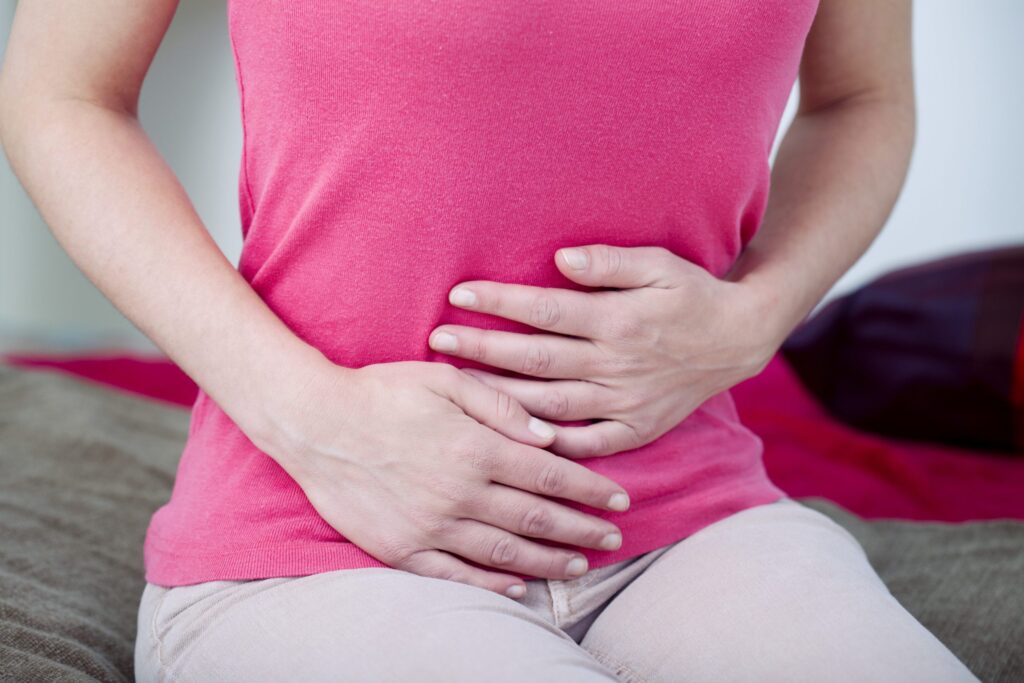
Pelvic pain refers to discomfort felt in the lower part of your abdomen and pelvis. It can range from mild cramps to severe, chronic pelvic pain that interferes with daily life. Many different conditions can cause pelvic pain, from urinary tract infections to gynecologic or digestive disorders, and even musculoskeletal issues.
Understanding what causes pelvic pain is the first step toward getting the right diagnosis, finding effective treatment, and finally getting relief. Below, we’ll explore the most common causes, symptoms, and treatments for pelvic pain.
What are the common causes of pelvic pain?
Pelvic pain can have multiple causes. Some come on suddenly (acute), while others develop over time and lead to chronic pelvic pain. The most common conditions that can cause pelvic pain include:
1. Gynecologic Causes
- Pregnancy complications: An ectopic pregnancy (when an embryo grows outside the uterus) is a medical emergency that may cause sharp pelvic pain, cramps, and vaginal bleeding.
- Menstrual cramps: During a period, the uterus contracts to shed tissue, often leading to pelvic pain and lower belly cramps.
- Endometriosis: When tissue similar to the lining of the uterus grows outside of it — on the ovaries, fallopian tubes, bladder, or intestines – it can cause pain, infertility, or chronic pelvic discomfort.
- Fibroids and cysts: Noncancerous growths in or on the uterus and ovarian cysts can cause pelvic pain ranging from mild to severe, sometimes accompanied by bleeding or discomfort during sex.
2. Urinary and Bladder Causes
- Urinary tract infections (UTIs): An infection in the urinary tract can lead to pelvic pain, a burning sensation when urinating, and frequent urges to urinate.
- Interstitial cystitis: Also known as painful bladder syndrome, this condition causes inflammation of the bladder, leading to pelvic pain, discomfort, and frequent urination.
3. Digestive and Bowel Causes
- Irritable bowel syndrome (IBS): A digestive syndrome that may cause pain in the abdomen, bloating, constipation, and diarrhea.
- Constipation: Infrequent bowel movements, hard stool, and straining can trigger pain in the pelvic area and abdomen.
- Appendicitis: Inflammation of the appendix causes sharp lower belly pain, typically on the right side, and requires immediate medical care.
4. Infections and Inflammatory Diseases
- Pelvic inflammatory disease (PID): A complication of sexually transmitted infections that can cause pelvic pain, fever, abnormal vaginal discharge, and infertility if untreated.
- Other infections: Bacterial or inflammatory conditions affecting the uterus, bladder, or bowel tract may also lead to pelvic pain.
5. Other Causes
- Cancers: Cervical, ovarian, or other cancers in the abdomen or pelvis may cause pain along with bleeding, sudden weight loss, or night pain.
- Musculoskeletal and nerve causes: Issues with pelvic floor muscles, lower back problems, or nerve compression in the pelvis may create chronic pelvic pain.
- Surgery or scar tissue: Past operations in the abdomen or pelvis can leave scar tissue that pulls on organs and causes pain.
Because so many organs and systems can be involved, the exact cause of pelvic pain can be complex. That’s why it’s important to see a healthcare provider for a thorough evaluation.
Symptoms and Diagnosis
Symptoms of pelvic pain vary depending on the cause. You may feel dull aches, sharp cramps, or ongoing discomfort in the lower abdomen, pelvis, or back. Other symptoms include:
- Pain with urination or passing urine frequently.
- Bowel-related problems such as constipation, diarrhea, or bloating.
- Pain during sexual activity.
- Abnormal bleeding between periods.
- Pelvic pressure, heaviness, or a pulling sensation in the pelvic area.
Diagnosing pelvic pain starts with a careful examination by a provider. Depending on your symptoms, your doctor may order imaging (like an ultrasound or MRI), lab work, or a gynecologic evaluation. Sometimes, laparoscopy (a minimally invasive surgery) is needed to confirm conditions like endometriosis. A full diagnosis helps determine the best treatment plan for your specific needs.
When should you worry about pelvic pain?
If you experience a new or worsening pelvic pain or abdominal pain symptoms, it’s important to talk with a medical professional. Sharp, sudden pain may require urgent attention.
See your doctor if your pelvic pain has starts disrupting daily activities or continues to get worse. Even mild, ongoing discomfort shouldn’t be ignored. Early care can make all the difference.
Treatment Options for Pelvic Pain
Because there are many possible causes of pelvic pain, treatment depends on your diagnosis. Common options include:
- Medication: Antibiotics for infections, hormonal treatments for endometriosis or fibroids, or pain management strategies for chronic pelvic pain.
- Lifestyle changes: Improving diet, managing constipation, and reducing bladder irritants can relieve symptoms.
- Pelvic floor physical therapy: A pelvic floor therapist can help strengthen or relax pelvic muscles, improve bladder and bowel control, and reduce pain caused by tension or weakness.
- Surgery: In some cases, surgery may be necessary to remove fibroids, cysts, or endometriosis tissue, or to address appendicitis.
- Holistic care: Stress management, relaxation exercises, and posture improvement can help reduce pelvic muscle strain and chronic pain.
How Pelvic Floor Physical Therapy Can Help
A pelvic floor physical therapist can treat a wide range of abdominal and pelvic issues, including but not limited to:
- Constipation
- Urinary and bowel leakage
- Urinary frequency or urgency
- Pain with sex
- Pelvic pain
- Pregnancy-related symptoms and postpartum recovery
After evaluating your abdomen, a pelvic floor physical therapist will create a personalized plan tailored to your needs. In addition to targeted exercises and manual therapy, they’ll provide practical strategies to ease discomfort and improve function in your day-to-day life.
Chronic pelvic or abdominal pain can be frustrating, but with the right therapy, there’s hope for relief. Pelvic floor physical therapy offers a supportive, judgment-free space to discuss symptoms and work toward healing.
If you’re unsure whether pelvic floor physical therapy is right for you, request a consultation with one of the compassionate therapists at Ivy Rehab. Our team will listen, evaluate, and guide you toward the best next step.
Conclusion
Pelvic pain is a complex condition with many potential causes, ranging from mild, short-term problems to severe or chronic conditions that require ongoing care. If you’ve been wondering what causes pelvic pain, the most important step is to seek help early. A qualified healthcare provider can identify the underlying cause of pelvic pain and create a treatment plan tailored to your needs.
At Ivy Rehab, our pelvic health specialists offer expert, compassionate therapy for pelvic floor and abdominal conditions, helping you restore comfort and quality of life. Don’t let pelvic pain go untreated. Contact us today to learn how we can assist you.
Article By: Nicole Vasiliu, DPT
Nicole began her career as a physical therapist four years ago and specialized in pelvic floor physical therapy in 2021. Nicole loves working with the pelvic floor patient population and believes in the importance of providing this specialized care to women of all age groups. Her favorite diagnosis to treat is pelvic pain and helping women reach their goals of pain-free intercourse! She currently treats patients at All Care Physical Therapy in Jackson, New Jersey.