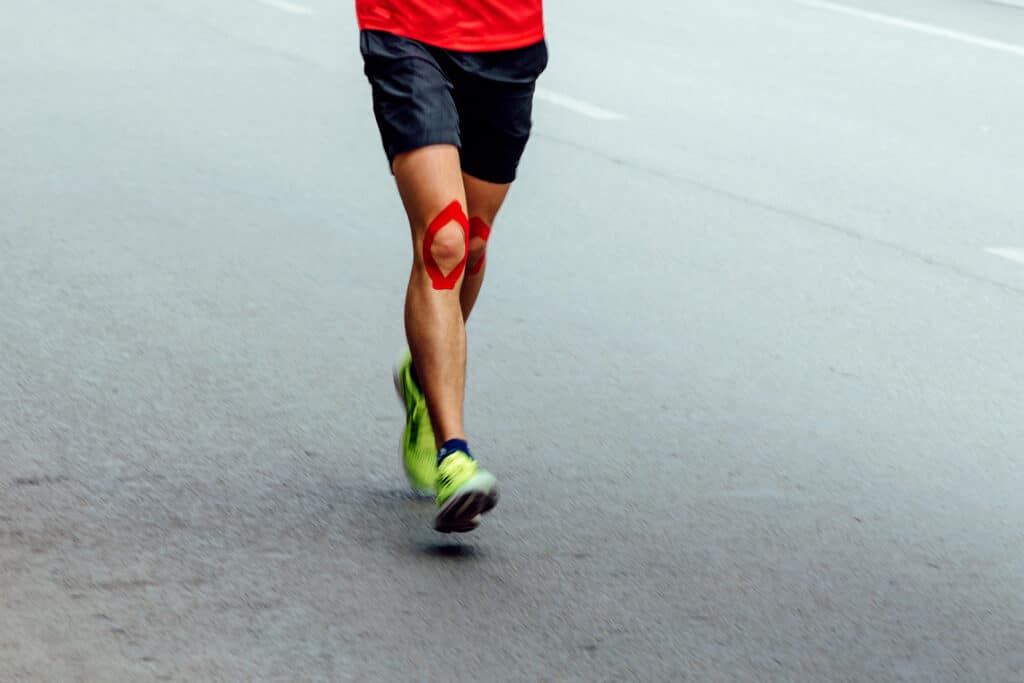


When fall arrives, cross-country running injuries occur and can sideline high school athletes and other distance runners. Some of the most common running injuries include shin splints, knee tendinitis, ankle sprains, muscle pulls, and stress fractures of the leg. A large percentage of running injuries are overuse injuries and can be prevented with proper training techniques and smart sports medicine.
The Most Common Cross-Country Injuries and Why They Happen
Cross-country runners face unique stress because races are often run on uneven terrain such as grass, dirt trails, and hills. These surfaces challenge balance and increase strain on the lower leg and connective tissues.
Some of the most common injuries in cross-country include:
Shin Splints
Pain along the anterior lower leg often develops when training volume increases too quickly. Repetitive impact irritates the muscles and connective tissue along the tibia.
Achilles Tendon Injuries
The Achilles tendon connects the calf muscles to the heel bone. Sudden increases in mileage, hill training, or tight calf muscles can lead to Achilles tendonitis. If ignored, ongoing strain may progress to an Achilles tendon injury that limits performance.
Patellofemoral Pain Syndrome
Often described as pain around the kneecap, this condition occurs when the kneecap’s tracking becomes irritated during repetitive running. Weak quadriceps or hip muscles can contribute to medial knee stress.
Plantar Fasciitis
This condition affects the bottom of the foot and often causes heel pain with the first steps in the morning. Many runners often increase training intensity too quickly.
Muscle Strain
Hamstring strain or calf strain can occur during sprint finishes, hill repeats, or sudden changes in pace.
Understanding how these injuries develop can help prevent injuries before they sideline young athletes.
Why Young Athletes May Be at Higher Risk of Injury
Young athletes are still developing strength, coordination, and bone density. Rapid growth combined with repetitive physical activity can increase strain on tendons and bones, especially in the lower leg. During growth spurts, the calf muscles and hamstring muscles may tighten faster than bones lengthen, increasing stress on the Achilles tendon and other structures.
This is why monitoring training load and encouraging gradual progression are critical to preventing overuse injuries in cross-country runners.
Tips and Tricks
- Wear proper shoes, test race-day shoes, and replace them frequently
- Pay attention to form, check the soles of your shoes for improper wear patterns
- Stretch before and after a practice or meet, keep your body loose and limber
- Vary training mileage, gradually increase mileage
- Adjust to new terrain, add in hills and other training changes slowly
- Warm up and cool down before and after all runs and races
- Improve and maintain flexibility by practicing yoga or recommended stretches
- Make sure to incorporate strength training and cross-training, which improve balance and agility, into your training program
- Run with a purpose and stay present on the course
- Have pain checked out by a doctor or physical therapist
- Stay hydrated to avoid muscle cramps
- Pay attention to nutrition to improve energy, endurance, and performance
- Include rest days in your training schedule, try walking, cycling, or swimming
- Train during the summer if possible
It helps coaches and athletic trainers assess their athletes’ injury risk by knowing their level of summer training and overall running fitness. Be honest! A conditioned runner who diligently logged miles throughout the summer is probably better prepared than a beginner or a team member who was lax over the summer break.
A Smart Plan to Stay Healthy All Season
To stay healthy throughout the cross-country season, runners should focus on four key areas:
- Gradual Training Progression: Avoid sharp spikes in mileage or hill intensity. Many runners experience tendonitis when training increases too quickly.
- Strength and Stability Work: Strengthening the quadriceps, hips, and calf muscles supports the knee and reduces strain on the Achilles and plantar fascia.
- Recovery and Rest: Rest days allow bones and connective tissue time to repair. Without adequate recovery, small areas of stress can develop into stress fractures.
- Terrain Awareness: Training on uneven terrain requires added ankle stability. Progress slowly when introducing trails or hills to reduce the risk of ankle sprain or calf strain.
A balanced approach helps athletes stay healthy and competitive all season.
If you should experience an injury, work with your athletic trainer, doctor, and physical therapist to properly rehabilitate your injury or assess improper running mechanics. As you recover, take it slow, listen to your body, and pay attention to signs you are overdoing it. You don’t want to reaggravate or reinjure the same body part. The course will be there!
Contact Ivy Rehab for more information on overuse injuries, prevention tips, orthopedic therapy, sports injury screenings, or Ivy’s running analysis program.

Before you go
Find the right therapy today.
Discover how Ivy Rehab can help you get back to doing what you love.