
Most people know it’s important to drink water. It’s easy to ignore early symptoms of dehydration, such as a headache, dry mouth, or feeling tired in the afternoon. The Mayo Clinic Health System notes that water makes up about 60% of the body, which is why dehydration can affect so many systems at once.
Dehydration means your body has lost more fluid than it has taken in. It does more than just make you thirsty. Your body has less water and fewer electrolytes to support blood pressure, heart rate, body temperature, muscle function, and kidney health.
Here’s what to know about the dangers of dehydration, who’s most at risk, and when symptoms need medical care.
Key Takeaways
- Dehydration symptoms can start before you realize you need more water.
- Common signs include dry mouth, dark urine, headache, fatigue, lightheadedness, dry skin, and muscle cramps.
- Severe dehydration can cause low blood pressure, rapid heart rate, confusion, heatstroke, kidney problems, and other serious complications.
- Older adults, young children, people taking diuretics, and anyone active in hot weather have a higher risk.
- Hydration supports muscle function, body temperature, circulation, and recovery during physical therapy.
Why Dehydration Happens
Your body loses fluid all day through sweat, breathing, urine, and digestion. Dehydration starts when you don’t take in enough fluid to keep up with that loss.
Common causes of dehydration include:
- Not drinking enough water or other fluids during the day.
- Excessive sweating during exercise, outdoor work, or hot weather.
- Vomiting, diarrhea, fever, or illness that makes it hard to keep fluids down.
- Diuretics or other medications that increase urination.
- Long periods of activity without replacing water, salt, and other electrolytes.
Early and Severe Symptoms of Dehydration
Mild dehydration can be easy to miss. You may feel tired, headachy, thirsty, or less focused before you connect the symptoms to low fluid intake.
Early symptoms of dehydration may include:
- Dry mouth or sticky saliva.
- Dark yellow urine or urinating less often than usual.
- Headache, fatigue, dry skin, constipation, or muscle cramps.
- Lightheadedness when standing or changing positions.
Severe dehydration needs medical attention. Watch for very little urination, sunken eyes, confusion, fainting, rapid heart rate, low blood pressure, or trouble keeping fluids down.
Heatstroke is an emergency. Seek care right away if heat illness comes with high body temperature, confusion, slurred speech, loss of consciousness, or hot, red skin.

Who Is Most at Risk?
Anyone can get dehydrated, but some people are more vulnerable. Risk often increases when the body loses fluids quickly or thirst cues are harder to notice.
Higher-risk groups include:
- Older adults, especially if they feel less thirsty or take medications that affect fluid balance.
- Young children, who can lose body fluids quickly during fever, vomiting, diarrhea, or hot weather.
- People with diabetes, kidney disease, urinary tract infections, kidney stones, or conditions that affect fluid balance.
- Athletes, outdoor workers, and anyone exercising in heat or humidity.
- People recovering from illness, surgery, or injury.
Babies and young children may need care quickly if they have no tears, very few wet diapers, sunken eyes, or a sunken soft spot.
How Dehydration Affects Movement and Recovery
Hydration isn’t just about thirst. Water helps move nutrients through the body, supports normal blood flow, and helps the body control temperature during activity.
When you’re dehydrated, your heart rate may increase, your blood pressure may drop, and exercise can feel harder. Fluid loss can also contribute to muscle cramps, fatigue, and slower recovery.
If you’re in physical therapy, your therapist may ask about your water intake if you feel lightheaded, cramp often, fatigue quickly, or feel worse during activity.
How Much Water Do You Need?
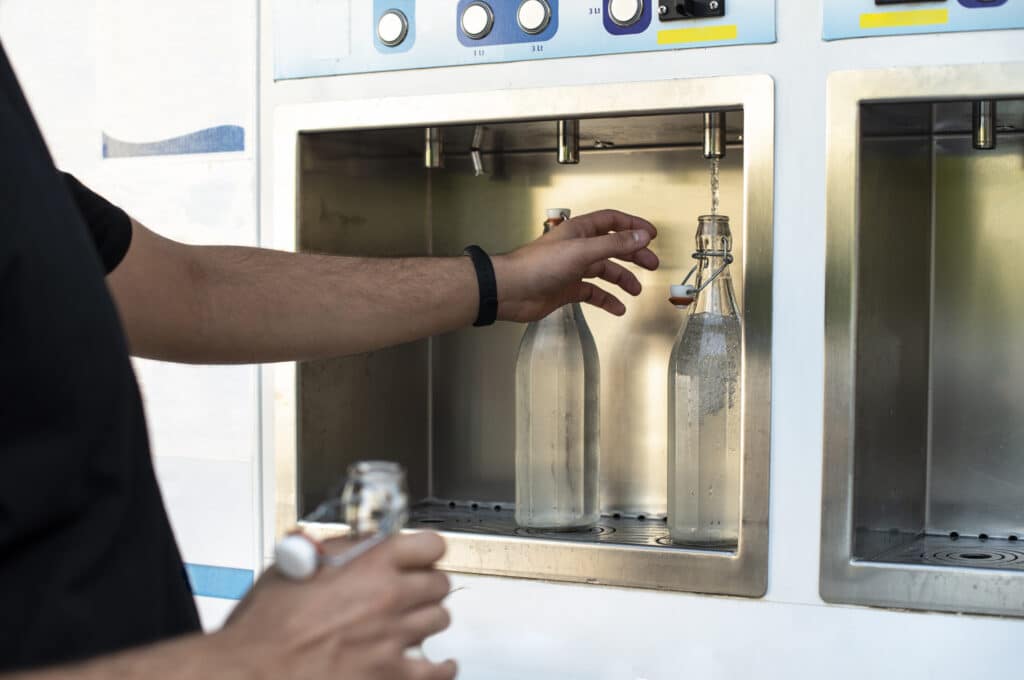
The amount varies for everyone. Your body needs more fluids during hot weather, illness, travel, exercise, and heavy sweating.
A practical hydration plan may include:
- Drink water regularly instead of waiting until you feel very thirsty.
- Aim for pale yellow urine, unless medication, vitamins, or health conditions change urine color.
- Increase fluid intake during heat, exercise, fever, vomiting, or diarrhea.
- Choose water most often. Water-rich foods, such as fruit and soup, can also support hydration.
- Use oral rehydration solutions or sports drinks when you need to replace electrolytes after heavy sweating or stomach illness.
If you have heart failure, kidney failure, or another condition that limits fluid intake, ask a healthcare professional how much fluid is safe for you.
FAQs
Can Sports Drinks Help Prevent Dehydration?
Sports drinks can help replace electrolytes during long workouts, heavy sweating, or hot weather. For most daily hydration, water is enough. Oral rehydration solutions may be better after vomiting or diarrhea.
What Are the Dangers of Dehydration?
The dangers of dehydration can include low blood pressure, rapid heart rate, heat exhaustion, heatstroke, kidney stones, urinary tract infections, and kidney problems. Severe dehydration can become life-threatening without medical care.
What Are the First Signs of Dehydration?
Early signs often include thirst, dry mouth, darker urine, headache, fatigue, dry skin, and muscle cramps. Some people also feel lightheaded or less focused.
When Should I Seek Medical Care for Dehydration?
Seek medical care if dehydration causes confusion, fainting, repeated vomiting, very little urination, rapid heart rate, severe weakness, sunken eyes, or signs of heatstroke. Young children, older adults, and people with chronic health conditions may need care sooner.
Staying Hydrated Is Part of Staying Healthy
Dehydration can sneak up on you, but small habits can help. Keep water nearby, drink more during heat and activity, and pay attention to symptoms like dry mouth, dark urine, cramps, and lightheadedness.
If you’re working with Ivy Rehab during recovery or rehabilitation, talk with your physical therapist about how hydration fits into your plan. Find an Ivy Rehab Physical Therapy location near you to get care that supports safer movement and better recovery.
References
- Proper Hydration. Mayo Clinic Health System. Accessed March 2026. https://www.mayoclinichealthsystem.org/hometown-health/speaking-of-health/water-essential-to-your-body
- Dehydration. MedlinePlus. Accessed March 2026. https://medlineplus.gov/dehydration.html
- Heat-Related Illnesses. Centers for Disease Control and Prevention. Accessed March 2026. https://www.cdc.gov/heat-health/about/index.html
- Eating, Diet, and Nutrition for Kidney Stones. National Institute of Diabetes and Digestive and Kidney Diseases. Accessed March 2026. https://www.niddk.nih.gov/health-information/urologic-diseases/kidney-stones/eating-diet-nutrition
- Bladder Infection (Urinary Tract Infection) in Adults. National Institute of Diabetes and Digestive and Kidney Diseases. Accessed March 2026. https://www.niddk.nih.gov/health-information/urologic-diseases/bladder-infection-uti-in-adults

Before you go
Find the right therapy today.
Discover how Ivy Rehab can help you get back to doing what you love.