
Sleeping with pain can be a nightmare. The best way to manage how to sleep with pain is to find the most comfortable sleep position. Luckily, we came across a great resource from the Wall Street Journal that we’ve summarized below, explaining the best sleeping positions for various types of pain. Enjoy… and then get some rest!
Connection Between Sleep and Pain
What is the connection between poor sleep and pain? It turns out that sleep deprivation affects the brain’s pain-killing response. A group of researchers tested participants’ pain thresholds after a good night’s sleep and after no sleep. The results of their test indicate that participants had lower pain sensitivity when they slept better, and the opposite when they experienced sleep deprivation.
The relationship between sleep and pain works both ways. Poor sleep can increase pain sensitivity, but ongoing pain can also make it more difficult to fall asleep and stay asleep. This cycle can disrupt normal sleep patterns and make managing pain more challenging over time.
Understanding the relationship between sleep and pain is an important part of long-term pain management, especially for individuals living with chronic or musculoskeletal pain. Aside from figuring out the best sleep position, you should also find ways to address sleep disturbances to achieve healthy sleep.
Sleep Hygiene Tips to Help You Sleep Better
Improving sleep hygiene can make it easier to fall asleep and stay asleep, even when dealing with chronic pain. Consider the following strategies:
- Stick to a consistent sleep schedule by going to bed and waking up at the same time each day.
- Create a calming bedtime routine before going to bed.
- Keep your bedroom cool, dark, and quiet.
- Limit screen time before bed.
- Avoid caffeine late in the day.
These habits can help regulate sleep patterns and improve overall sleep quality.
Best Sleeping Position for Shoulder Pain
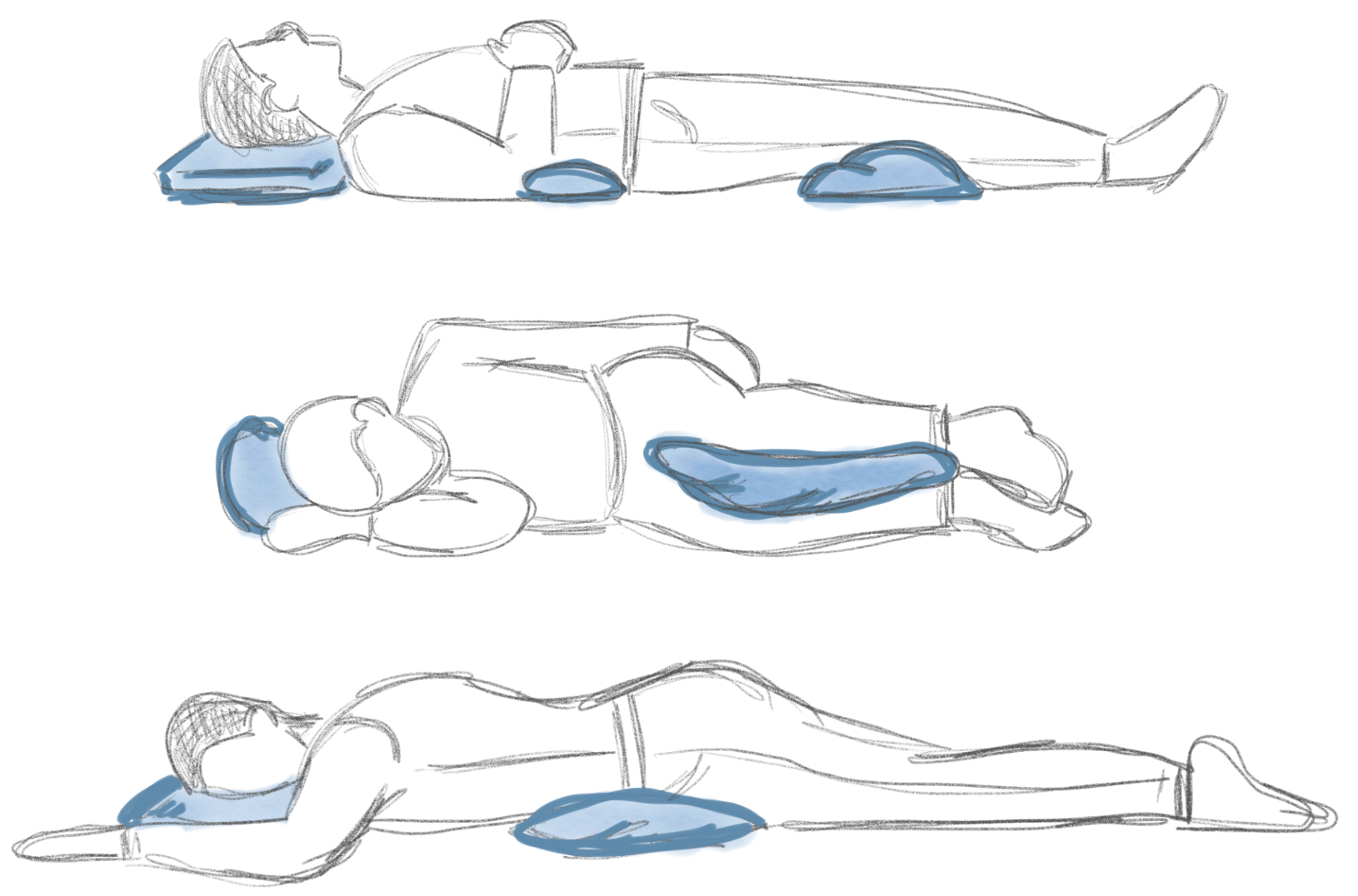
Try to avoid sleeping on the side of your body with the painful shoulder. Instead, it may help to sleep on your back. If you can’t sleep on your back, sleep on the side without any shoulder pain, and put a large pillow at chest height and hug it.
Best Sleep Position for Back Pain
First, try lying on your back with a pillow under your knees and a rolled towel under your lower back. This should help maintain your spine’s and body’s natural curves and is recommended by experts to help prevent lower back pain. If you need to sleep on your side, put a pillow between your knees (also good for hip and knee issues). Sleeping on your stomach isn’t ideal for back or neck pain, but if you have to, put a pillow under your pelvis and lower abdomen to help reduce strain.
Personalized Therapy for Lasting Relief
Our expert therapists are committed to helping you achieve your health goals.
Best Sleeping Position for Neck Pain
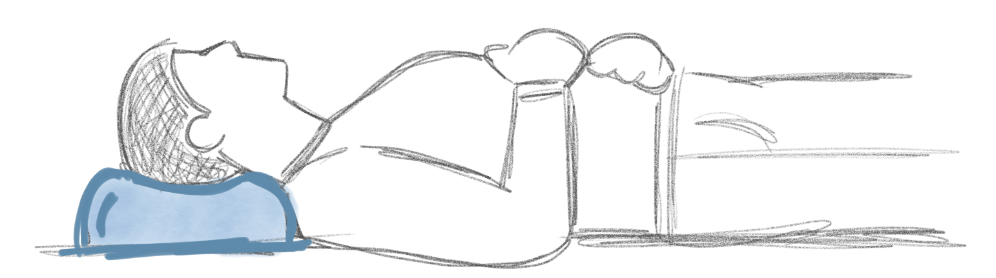
Keeping the neck in a neutral position is key if you have neck pain or want to avoid a stiff neck. It’s best to avoid sleeping on your stomach. To keep your neck in a neutral position, experts recommend keeping the pillow above your shoulders or using a rolled-up hand towel to support the base of your neck.
Best Sleep Position for Plantar Fasciitis
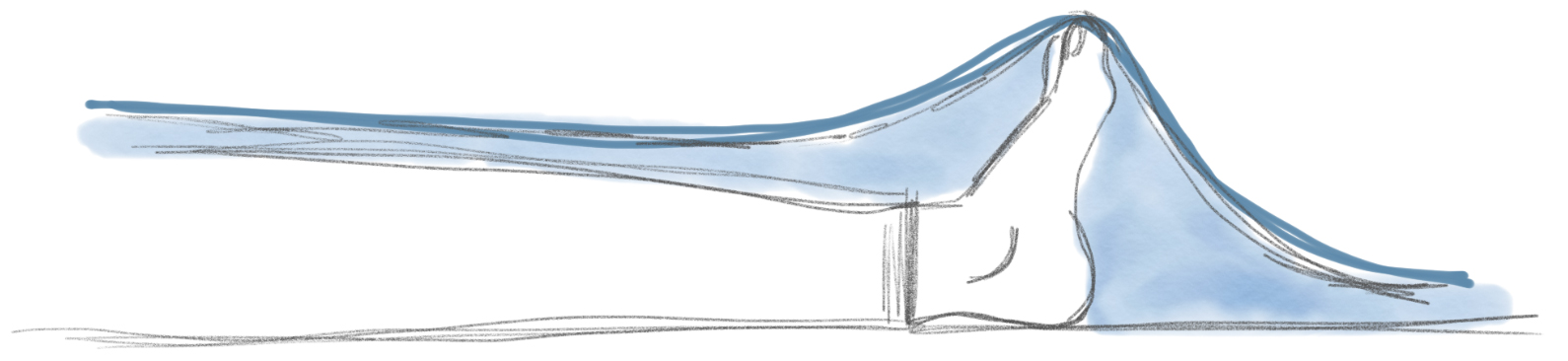
The key to sleeping with Plantar Fasciitis is to keep your feet and ankles relaxed. Also, you’ll probably want to avoid tucking the sheets in too tightly.
Sleeping with Acid Reflux
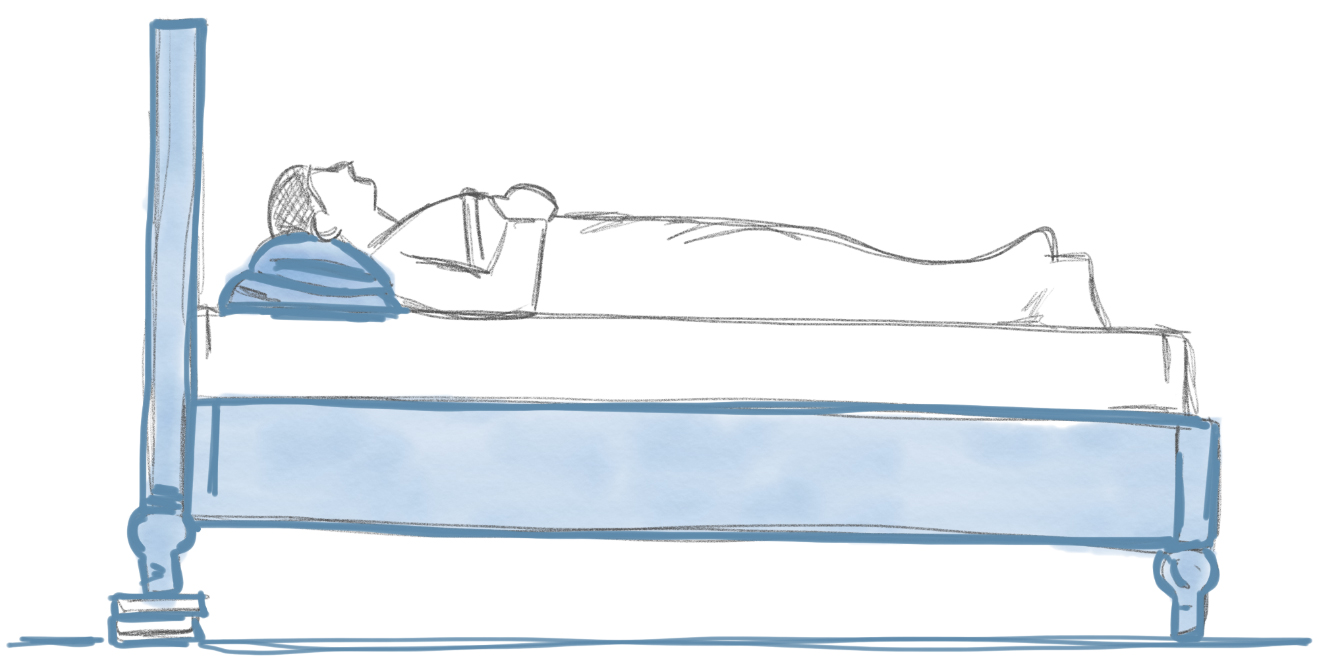
This one isn’t exactly related to chronic pain, but we threw it in as a bonus – because trying to sleep with acid reflux can be tough. Elevating the head is what experts recommend to help you sleep with acid reflux. You can use pillows under your head, or you can even place bricks under the front legs of your bed to prop yourself up. Sleeping on your side may also help you sleep better.
Best Sleep Position for Shoulder Impingement
For those who aren’t familiar, shoulder impingement is an injury in which the rotator cuff rubs on nearby structures, causing the affected area to swell. People with shoulder impingement should sleep on their stomach or back, not on their side. But if you’re like most people, you might switch positions while sleeping. If you are worried about sleeping on your side, you can alleviate pressure on the affected shoulder and keep your hips aligned by placing a pillow between your legs. This may help you get a good sleep and excellent pain relief.
We Hope That Helps!
Finding the right position is not enough when dealing with more severe pain. It might also make sense to get a new mattress, since your mattress can sometimes be too soft or too firm. You also need more strategic rehabilitation physical therapy exercises. A physical therapist can help address underlying movement issues, reduce discomfort, and develop strategies that support better sleep over time. If your pain persists or you’d like a checkup with one of our highly trained physical therapists at Ivy Rehab Physical Therapy, you can request an appointment here. Sleep tight!

Before you go
Find the right therapy today.
Discover how Ivy Rehab can help you get back to doing what you love.