Pride Month is a time to celebrate, reflect, and continue building something better together. At Ivy Rehab, it also connects deeply to one of our core values: “I Belong.”
Belonging is about more than having a seat at the table. It’s feeling welcomed once you sit down. It’s knowing your voice matters, your contributions are valued, and you don’t have to leave part of yourself in the parking lot before walking into work.
For LGBTQ+ teammates and allies, that kind of workplace culture matters every day, not just during June.
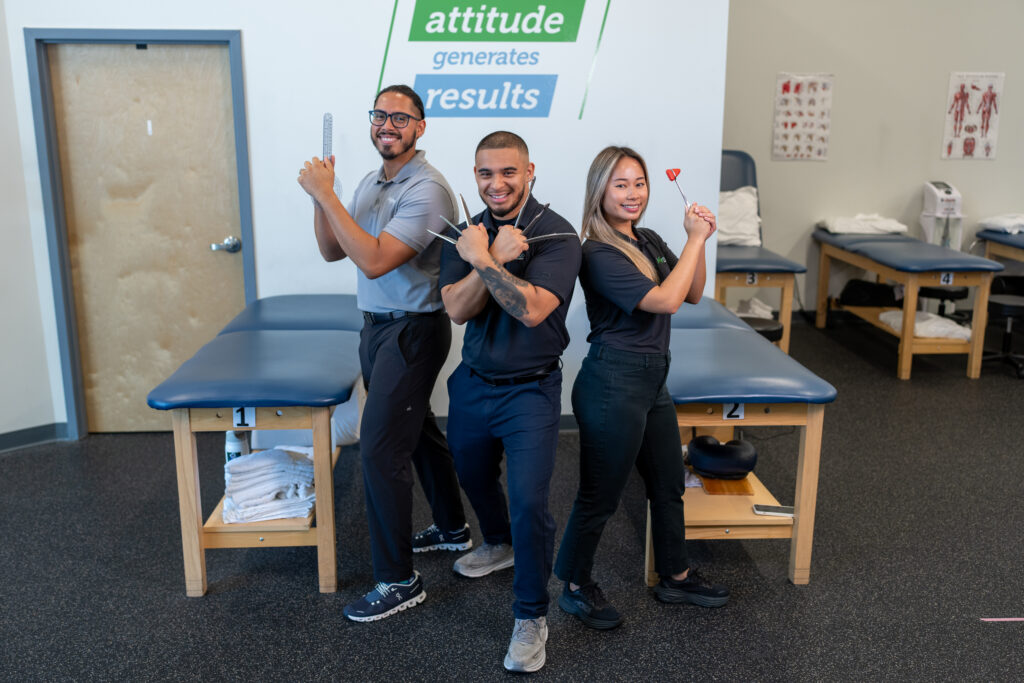
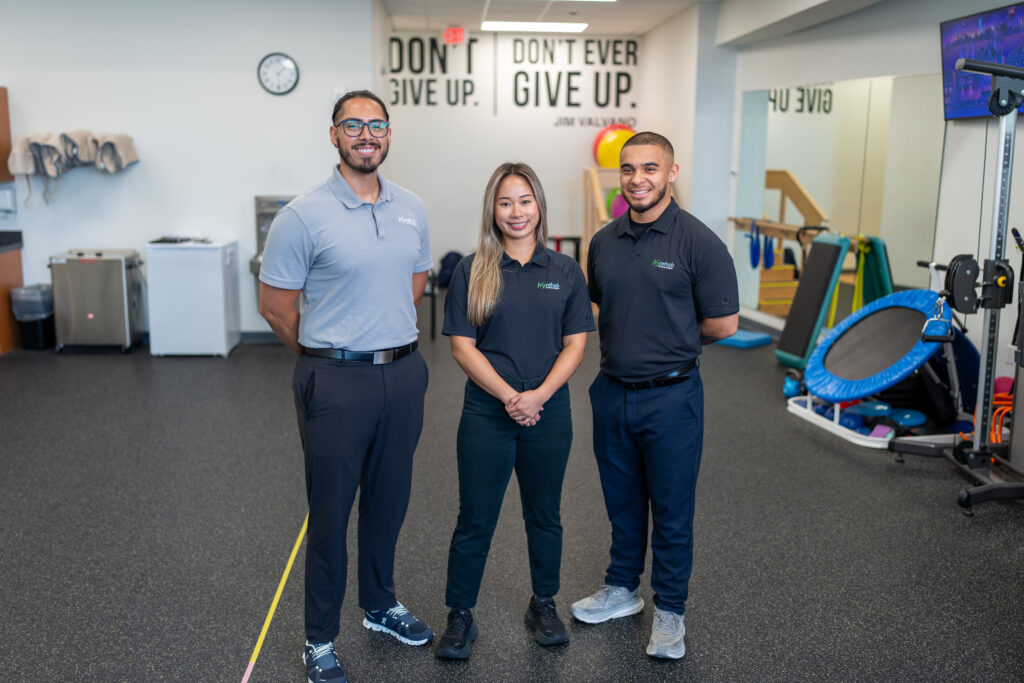
To better understand what Pride Month, belonging, and inclusion look like at Ivy, we spoke with two teammates and TRG board members: Andrew Richards, a physical therapist assistant, and Laura Copeland, a senior payroll specialist.
Andrew reflected on Pride Month as both a celebration and a meaningful reminder. “People should not have to separate who they are from the work they do,” Andrew said.
Laura shared a similarly personal connection to Ivy’s culture of belonging. “I want to be able to be myself and feel accepted,” Laura said.
Pride Month and Ivy’s “I Belong” Value
Pride Month and Ivy’s “I Belong” value share the same foundation: dignity, respect, and inclusion.
A workplace where people belong is not one where inclusion exists only in a handbook or hangs quietly on a wall poster. It’s a place where teammates feel valued for who they are and supported in the work they do every day.
Ivy’s culture is built on connection, purpose, and support. For LGBTQ+ teammates, that can mean feeling comfortable talking about a partner, sharing a weekend story, using the correct name or pronouns, or simply being themselves without second-guessing whether they should.
Andrew described belonging as being able to bring your whole self to work without feeling you need to edit who you are for others’ comfort.

What Workplaces Can Overlook About LGBTQ+ Experiences
Some workplace challenges are not always visible.
One experience workplaces may overlook is the amount of energy LGBTQ+ individuals spend deciding how much of themselves to share. A simple conversation about the weekend may feel effortless for one person and more complicated for another.
Andrew shared that even with strong support in his clinic, he remains thoughtful about how much personal information he shares with patients. “I still find myself deciding how much of my personal life to share,” he explained. “That’s something many LGBTQ+ people think about more often than others might realize.”
This is an important reminder that inclusion is not only about preventing discrimination. It is also about creating environments where people don’t feel the need to constantly assess whether it’s safe to be themselves.
There can also be emotional labor when LGBTQ+ teammates are expected to educate others or represent an entire community. Respectful questions can be valuable, but allyship should also include personal learning, humility, and empathy.
A welcoming workplace reduces those daily mental calculations and allows people to focus on meaningful work, meaningful relationships, and the patients who rely on them.
Why Feeling Seen at Work Matters
Feeling seen, respected, and supported can transform the way someone experiences work.
Rather than simply improving morale, Andrew believes inclusion creates the conditions for people to thrive. “People do their best work when they feel safe and respected,” he shared, especially when they may not experience that same level of acceptance everywhere else.
Support influences whether someone speaks up in a meeting, asks questions, shares ideas, builds relationships, or pursues new opportunities. It can shape whether they see a future within an organization or simply a place to clock in and out.
In healthcare, the impact reaches even further.
Teammates who feel respected are often better able to create welcoming experiences for patients. This is especially important for LGBTQ+ patients who may have faced barriers, assumptions, or discomfort in healthcare settings before.
A supportive workplace gives people room to contribute, connect, and grow. And when people grow, everyone benefits.
Laura echoed that idea in a practical way: “I think that if a teammate feels safe and respected, their relationships with their peers will grow and help them develop. It will show in their work and, ultimately, in the patient experience.”

Belonging Shows Up in Small, Everyday Actions
Inclusion doesn’t always arrive with a spotlight and a microphone.
More often, it appears in small moments that quietly communicate, “You belong here.”
Andrew pointed to simple language choices as one example. “Using terms like ‘partner’ instead of assuming ‘husband’ or ‘wife’ can make a difference,” he explained. Small adjustments like that help create an environment where people feel acknowledged rather than assumed.
Helpful everyday actions can include:
- Using inclusive language when talking about families and relationships.
- Respecting names, pronouns, and personal boundaries.
- Avoiding assumptions about someone’s identity or life outside work.
- Speaking up when jokes or comments make the workplace less welcoming.
- Learning without expecting LGBTQ+ teammates to educate everyone.
- Showing consistent support in small, everyday ways.
In many ways, inclusion resembles rehabilitation we share with our patients. Progress often happens through small, consistent actions rather than dramatic leaps. One thoughtful conversation, one respectful interaction, one moment of support at a time—those moments add up.
Allyship Is More Than Good Intentions
Good intentions matter. Allyship begins there, but it doesn’t end there.
Andrew shared a meaningful example from his clinic community. His clinical director, who is an ally, helped create visibility for Ivy during a local Pride parade. She connected with a local marketing leader, helped Ivy sponsor her gym’s participation, and planned to participate herself.
For Andrew, that moment reflected allyship in action. “She used her position and connections to help create visibility and support,” he said. “That meant a lot.”
It wasn’t about recognition or checking a box. It was about a leader using her voice and influence to help others feel seen and supported.
Not every act of allyship needs to happen in public. Sometimes it means speaking up during a meeting. Sometimes it means listening without rushing to respond. Sometimes it means learning something new and carrying that knowledge forward.
The strongest allyship is also steady. Laura emphasized that support cannot stop when Pride Month ends. “I think workplaces often overlook supporting throughout the year and not just during Pride Month.” Laura also highlighted the role leaders play in growth and opportunity. “I believe that managers, mentors, and leaders play a huge role in making sure our career paths are able to grow and become successful.”
Pride month should show up in June, certainly, but also in July, October, and on ordinary Tuesdays when no one is handing out rainbow stickers.
Pride Month Is a Celebration and a Commitment
Pride Month is a celebration, but it’s also a reminder to keep building a culture where everyone belongs.
Andrew’s hope for the future is simple. “I want people to feel safe being themselves at work,” he said. “I want allies to feel empowered to speak up, and I want leaders to understand the impact they can have.”
For anyone who wants to show support but isn’t sure where to start, Andrew’s advice is straightforward: “Be kind, be present, and be willing to learn.” Attend a Pride-related event, ask respectful questions, and let LGBTQ+ teammates know they are supported.
If you’re ready to learn more about Ivy Rehab and connect with a team that values belonging, growth, and purpose, explore a career that matters, or learn more about why teammates choose Ivy.
References
- Gallup. “LGBTQ+ Identification in U.S. Rises to 9.3%.” (2025). https://news.gallup.com/poll/656708/lgbtq-identification-rises.aspx
- Human Rights Campaign Foundation. “Corporate Equality Index 2025.” (2025). https://reports.hrc.org/corporate-equality-index-2025
- JAMA Network Open. “LGBTQ+ Inclusive Policies, Nurse Job Outcomes, and Quality of Care in Hospitals.” (2025). https://jamanetwork.com/journals/jamanetworkopen/fullarticle/2831887
- McKinsey and Company. “LGBTQ+ Inclusion in the Workplace.” (2021). https://www.mckinsey.com/capabilities/people-and-organizational-performance/our-insights/lgbtq-plus-inclusion-in-the-workplace

Before you go
Find the right therapy today.
Discover how Ivy Rehab can help you get back to doing what you love.