
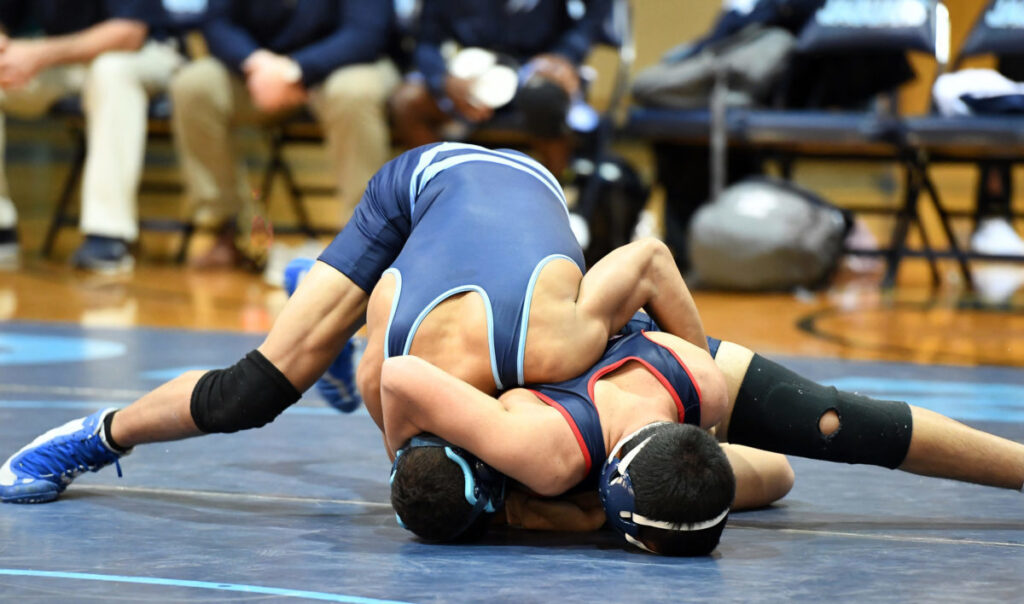
As children return to regular sports, play, and physical activity, it’s natural for parents to feel both excited and cautious. Pediatric sports injuries are increasingly common as youth athletes take on more demanding schedules, higher training volumes, and early sport specialization. Whether your child loves running, baseball, gymnastics, or year-round club sports, understanding how injuries happen and how to prevent them is an important part of protecting their long-term health and movement confidence.
This guide will help families recognize the most common sports injuries in kids, understand early symptoms, know what to do when an injury occurs, and learn how physical therapy supports safe recovery.
The Most Common Pediatric Sports Injuries
Here are the most frequent pediatric sports injuries seen in active children and young athletes. Each description is kept brief for easy reading.
- Sprains & Strains: Ligament (sprain) or tendon/muscle (strain) injuries often occur in the ankle, knee, or elbow after sudden twisting or overstretching.
- Muscle Pulls: A fast movement, sprint, or jump can overstretch the muscle, causing sharp pain and inflammation.
- Growth Plate Irritation: Because kids’ bones grow faster than their tendons, irritation of the growth plate is common and may cause persistent joint pain.
- ACL Injuries: The ACL ligament in the knee can tear during pivoting or landing incorrectly, particularly in adolescents involved in youth sports like soccer, basketball, and gymnastics.
- Concussions: These mild brain trauma injuries can occur after a fall, impact, or collision and require immediate medical evaluation.
- Shoulder Instability (Swimmers & Pitchers): Repetitive overhead sports like baseball pitching or swimming can overstress the shoulder, leading to instability and overuse injuries.
- Ankle Sprains: One of the most common sports injuries in children, often happening during running, jumping, or uneven landings.
- Shin Splints: Pain along the lower leg from stress on the shin bone caused by increased training or improper footwear.
- Sever’s Disease: Heel pain caused by irritation of the heel growth plate, especially in kids who play running or jumping sports.
- Osgood-Schlatter Syndrome: Pain and swelling just below the knee, caused by tension on the tendon where it attaches to the growth plate, which is common in growing athletes.
What are Overuse Syndromes?
Overuse syndromes develop over time. The signs and symptoms occur in phases. Understanding each one of these phases is the first step in sport injury prevention.
Phase 1: Pain is experienced in an area of the body after the activity stops
Phase 2: Pain happens during activity, but it doesn’t impact playing
Phase 3: Pain happens during activity, and it begins to restrict activity
Phase 4: Pain is chronic, ongoing – during activity or rest
How can parents and coaches prevent common sports injuries in young athletes? The keys to sport injury prevention are communication, balance, and a well-rounded healthy lifestyle.
Warning Signs Your Child May Be Injured
Watch for the following symptoms that may indicate a sports injury requiring attention:
- Limping, difficulty walking, or avoiding weight-bearing
- Swelling, redness, or warmth around a joint
- Persistent pain lasting more than 48 hours
- Difficulty bending or straightening the knee, ankle, or elbow
- Sudden drop in athletic performance
- Pain at rest or nighttime pain
- Visible deformity or “pop” heard during activity
- Limited movement or stiffness after sports events
- Your child avoids play or physical activity they normally enjoy
If these signs persist, evaluation by a pediatrician, sports medicine specialist, or pediatric physical therapist is recommended. They might recommend a physical therapy for athletes.
Tips for Preventing Common Sports Injuries in Children and Young Adults
Helping your child stay active and injury-free starts long before game day. Here are practical, easy-to-follow strategies to help keep young athletes healthy and performing their best.
- Start with a preseason physical: A pediatrician or Orthopedic specialist can identify underlying risk factors and cardiac or musculoskeletal concerns.
- Warm up and cool down: Include dynamic stretches, light jogging, and gradual intensity build-up.
- Increase training gradually: Follow the 10% rule to avoid sudden stress on muscles and tendons.
- Cross-train: Avoid early specialization. Rotating sports develops balanced strength and reduces overuse injuries.
- Ensure proper equipment: Use supportive footwear, brace when needed, and check that gear is age-appropriate and sport-specific.
- Prioritize rest: Schedule rest days and ensure 8–10 hours of sleep for optimal recovery.
- Encourage communication: Remind kids to speak up about pain or discomfort early.
What to Do When a Sports Injury Happens
These simple steps can guide you through what to do right away while you assess the severity of the injury.
Step 1: Stop Activity. Have your child stop immediately to avoid making the injury worse.
Step 2: Ice. Apply ice for 15–20 minutes to reduce swelling and pain.
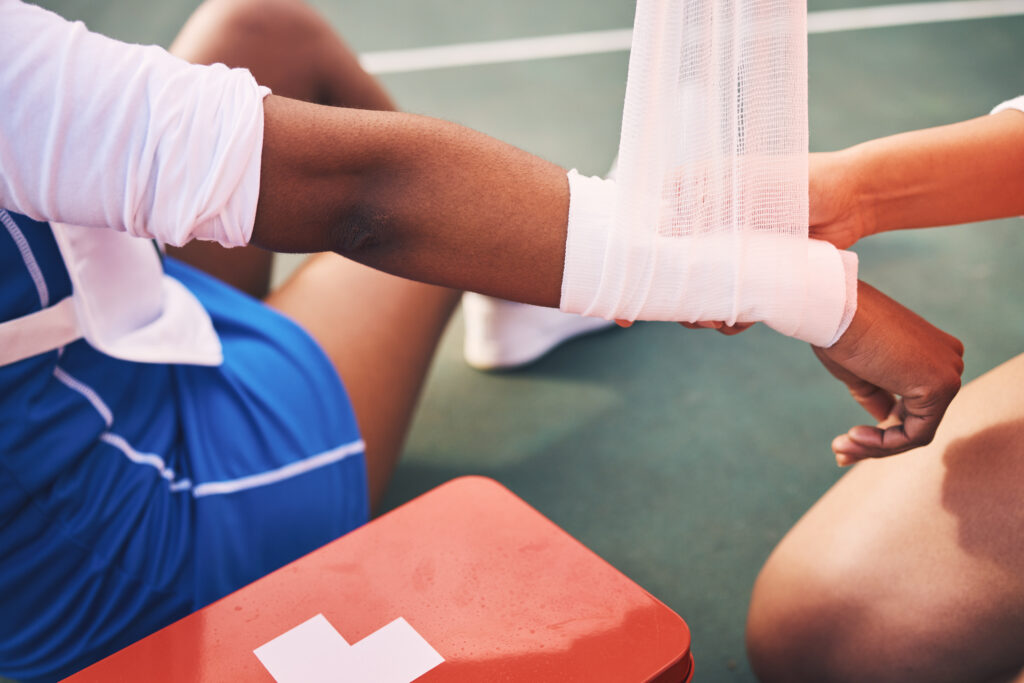
Step 3: Compression. Use a wrap or brace to limit swelling and support the injured area.
Step 4: Elevation. Raise the limb above heart level when possible.
When NOT to Push Through Pain
“Working through it” can turn a small acute issue into a long-term overuse injury or stress fracture. Young athletes should never push through pain.
It is also ideal to seek medical care immediately after the injury or if symptoms persist for a sports injury screening. You may also want to ask for at home physical therapy exercises that your child can follow.
How Physical Therapy Helps Young Athletes
Pediatric physical therapists specialize in evaluating sports injuries children commonly experience and creating customized treatment plans. PT can:
- Identify muscle weaknesses, mobility restrictions, and biomechanical issues
- Teach sport-specific strengthening and safe training progressions
- Improve balance, coordination, and body control
- Reduce inflammation and promote tissue healing
- Guide safe return-to-play timelines
- Help prevent future injuries such as ACL tears, ankle sprains, and overuse syndromes
- Address overuse injuries related to specialization or repetitive movements
Rehabilitation physical therapy ensures safer, faster recovery and builds lifelong healthy movement habits.
How Ivy Rehab for Kids Can Help
If your child is experiencing sports injuries or you want to take action to prevent them, Ivy Rehab for Kids is here to help. Our clinical team provides comprehensive movement evaluations, evidence-based treatment, and customized training programs for kids, teens, and young athletes. We help improve strength, mobility, and injury resilience—so your child can thrive in the sports they love.
Find the nearest Ivy Rehab location HERE today to make an appointment!
References
- Ortho Info. Overuse Injuries in Children. https://orthoinfo.aaos.org/en/diseases–conditions/overuse-injuries-in-children/
- NCBI. Sever’s Disease of the Pediatric Population: Clinical, Pathologic, and Therapeutic Considerations. https://pmc.ncbi.nlm.nih.gov/articles/PMC8445662/
- NCBI. Osgood-Schlatter Disease.https://www.ncbi.nlm.nih.gov/books/NBK441995/

Before you go
Find the right therapy today.
Discover how Ivy Rehab can help you get back to doing what you love.