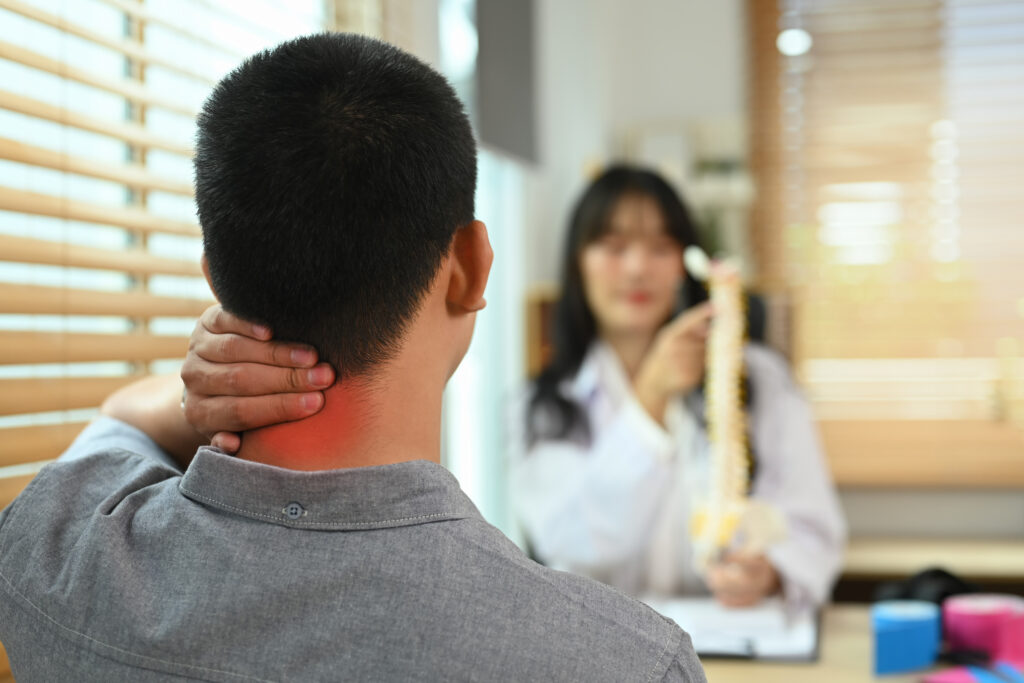
Headaches can come from many sources, but sometimes the real troublemaker is a stiff or irritated neck. A cervicogenic headache happens when something in your neck is irritated, and that irritation sends pain up into your head.
Many people who experience neck pain with headache do not realize their neck may be the source of the problem. It is a bit like blaming the smoke alarm when the real issue is the toaster. Symptoms often resemble tension-type headaches or migraines, which can delay the right treatment. Cervicogenic headaches are relatively uncommon, affecting about 3.9% of the population, but they are often underdiagnosed because symptoms can mimic other headache types.
Understanding cervicogenic headache treatment options is an important step toward relief. Physical therapy focuses on restoring neck mobility, improving posture, and addressing the underlying dysfunction that drives the pain so patients can move, work, and live with fewer interruptions.
What Is a Cervicogenic Headache?
A cervicogenic headache is a secondary headache caused by dysfunction in the neck. Instead of starting in the brain or the vascular system, the pain originates in joints, muscles, or nerves of the cervical spine.
Irritation in the upper neck can refer pain to the head, temples, or the area behind the eyes. This referral pattern explains why people with neck pain and headaches often experience discomfort in both the neck and the head simultaneously.
Because the pain is linked to how your neck moves, cervicogenic headache treatment often focuses on improving movement and reducing strain on the neck structures involved. When the neck begins moving the way it should again, symptoms often calm down as well.
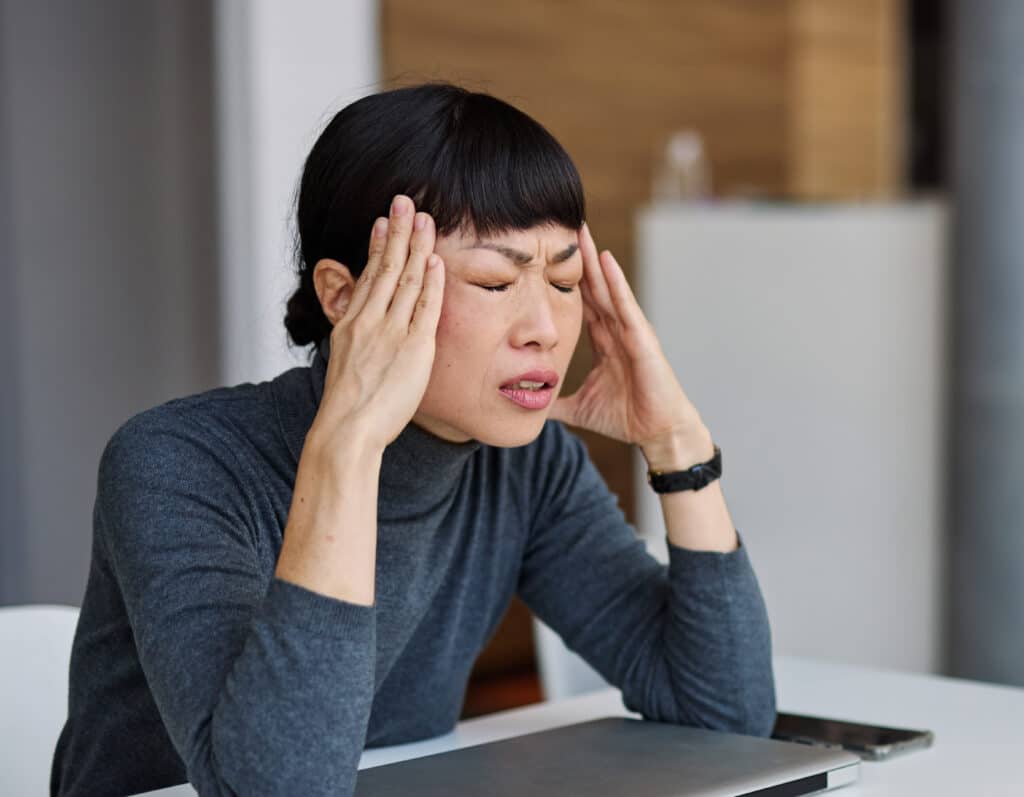
What Does a Cervicogenic Headache Feel Like?
Cervicogenic headaches tend to follow recognizable patterns. The pain often begins in the neck and gradually travels upward into the head.
Common symptoms may include:
- One-sided head pain that begins near the base of the skull.
- Neck stiffness or restricted movement.
- Pain that worsens with prolonged sitting or posture changes.
- Headache triggered by neck movement or pressure.
- Reduced range of motion in the neck.
Our patients experiencing persistent neck pain with headaches often notice symptoms increase during desk work, driving, lifting, or athletic activity. In other words, the neck tends to protest most when it has been stuck in the same position for too long.
What Causes Cervicogenic Headaches?
Cervicogenic headaches often develop when structures in the neck become irritated or dysfunctional. The neck is built for movement, and when it stops moving well, problems tend to follow.
Common causes include:
- Joint restriction in the upper cervical spine.
- Muscle tension in the neck and shoulders.
- Poor posture, especially forward head posture.
- Previous neck injury or whiplash.
- Repetitive strain from work or sports activities.
These issues can overload sensitive tissues, leading to the pain patterns seen in neck pain with headache. Over time, even small movement limitations can add up and trigger recurring symptoms.
How Cervicogenic Headache Treatment Starts
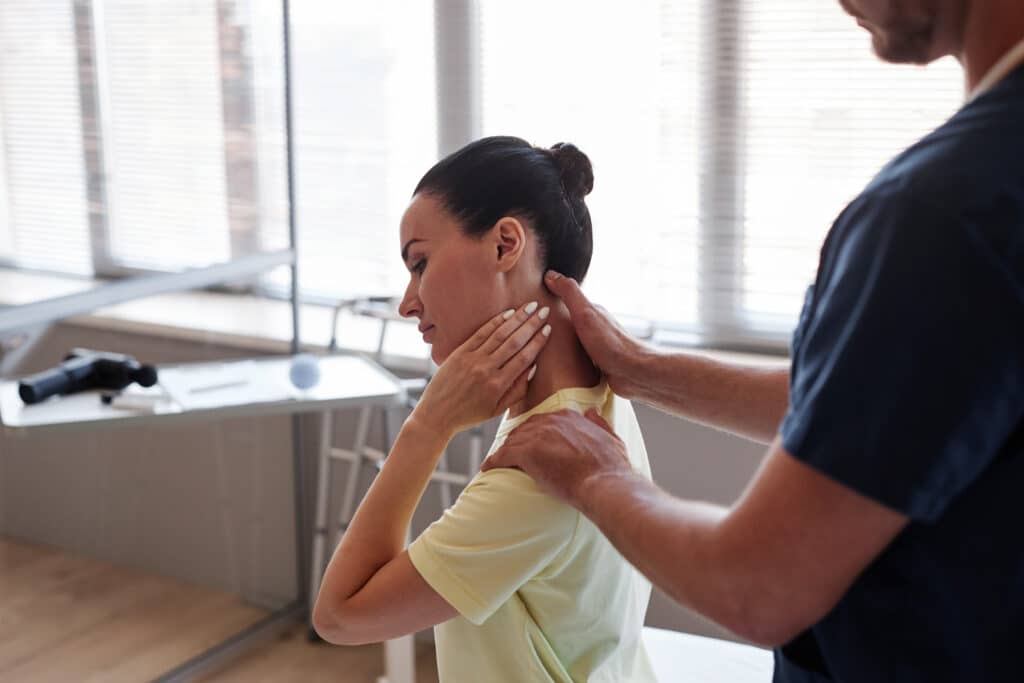
Effective cervicogenic headache treatment begins with identifying whether the neck is truly the source of the headache.
A physical therapist evaluates spinal movement patterns, posture, and joint mobility to determine how the cervical spine is functioning. Think of it as a movement detective story where the goal is to find the real culprit behind the pain.
Movement Assessment
A detailed movement evaluation examines how the neck, shoulders, and upper back move together. Limited mobility or compensations often reveal the underlying cause of symptoms.
Symptom Reproduction
Specific neck movements may reproduce headache symptoms. While it might sound counterintuitive, reproducing symptoms during testing can help confirm the neck as the primary source of pain.
Referral When Needed
If symptoms suggest another condition, such as migraine or neurological involvement, referral to another provider may be recommended. Ensuring the correct diagnosis always comes first.
What Are the Best Treatments for Cervicogenic Headaches?
Many people ask what the best treatments are for cervicogenic headaches when symptoms persist. The encouraging news is that conservative care often leads to meaningful improvement.
The most effective cervicogenic headache treatment strategies typically focus on restoring normal movement and reducing muscle tension.
Physical Therapy
Physical therapy addresses the root mechanical causes of cervicogenic headaches. Treatment focuses on improving joint mobility, strengthening supportive muscles, and restoring movement patterns that protect the neck during daily activities.
Manual Therapy
Hands-on techniques performed by a physical therapist can reduce joint restriction and muscle tightness in the cervical spine.
Manual therapy often improves mobility and reduces pain associated with neck pain and headaches, helping the neck move more comfortably.
Exercise and Postural Support
Targeted exercises help strengthen the muscles that support the neck and upper back. Postural training can also reduce the strain placed on cervical joints during daily activities and may help reduce the intensity of your headache symptoms.
These strategies form the foundation of long-term cervicogenic headache treatment and help patients maintain progress between therapy visits.
Personalized Therapy for Lasting Relief
Experience tailored physical therapy programs designed to alleviate pain and restore function.
PT-Recommended Exercises for Cervicogenic Headache Treatment
Exercise plays a key role in restoring movement and preventing recurring symptoms. The goal is not to turn patients into gymnasts but to help the neck move the way it was designed to.
A physical therapist may recommend exercises such as:
- Chin tucks to improve deep neck muscle activation.
- Gentle neck mobility drills to restore range of motion.
- Scapular strengthening to support posture.
- Thoracic spine mobility exercises to reduce neck strain.
These exercises help reduce the mechanical stress that contributes to neck pain with headaches and support better long-term neck health.
When to Modify Activity
During flare-ups, reducing aggravating activities may help calm symptoms while the neck recovers. Small adjustments can make a surprisingly big difference.
Helpful adjustments may include:
- Taking breaks during prolonged desk work.
- Adjusting the monitor or workstation height.
- Limiting repetitive overhead activity temporarily.
- Gradually returning to exercise rather than pushing through pain.
Activity modification supports recovery while allowing cervicogenic headache treatment to address the root cause and restore healthy movement patterns.
Who Benefits Most From PT for Cervicogenic Headaches?
Many individuals can benefit from movement-based treatment when headaches originate from the neck.
People who may respond well include:
- Active adults with recurring neck pain and headaches.
- Desk workers experiencing posture-related symptoms.
- Athletes returning after neck strain or injury.
- Individuals with limited neck mobility.
Addressing cervical movement problems early can help prevent long-term symptom patterns and get people back to the activities they enjoy.
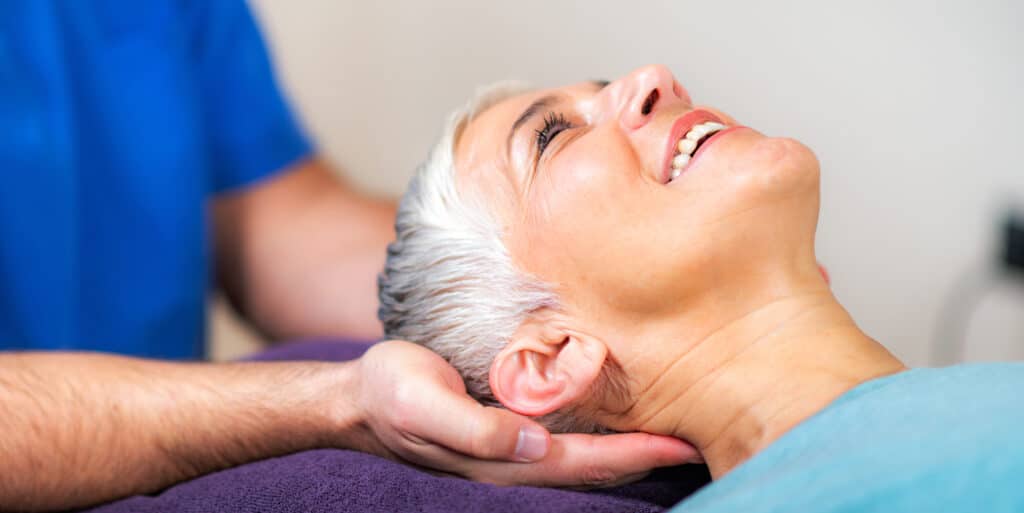
Why Choose Ivy Rehab for Cervicogenic Headache Treatment
Cervicogenic headaches often involve a combination of joint restriction, muscle tension, and postural strain. Effective treatment requires a personalized approach that addresses each contributing factor.
The physical therapists at Ivy Rehab Therapy focus on identifying the movement dysfunction causing symptoms through headache treatment and movement-based care. Treatment plans combine mobility work, strengthening exercises, and postural education to support our patient’s long-term improvement.
The goal is simple: relieve pain, improve neck function, and help patients feel confident moving through daily life again.
Relief Starts With How Your Neck Moves
Cervicogenic headaches occur when dysfunction in the neck refers pain into the head. Recognizing the connection between neck movement and headache symptoms is an important step toward effective care.
Movement-based cervicogenic headache treatment can reduce pain, improve mobility, and help prevent recurring headaches. When the neck moves better, the head often feels better too.
Support is available for people experiencing persistent neck pain with headaches. Physical therapy can help identify the source of symptoms and guide recovery through targeted treatment and practical movement strategies.
If you’re ready for care guided by physical therapy, find a location near you.
References
- Cleveland Clinic. “Cervicogenic Headache.” Updated 2024. Accessed Dec. 26, 2025. https://my.clevelandclinic.org/health/diseases/cervicogenic-headache
- Bogduk, N. “The Neck and Headache.” Neurologic Clinics. 2014 May;32(2):471-87. doi:10.1016/j.ncl.2013.11.005. Accessed Dec. 26, 2025. https://pubmed.ncbi.nlm.nih.gov/24703540/
- Robinson, C. L., et al. “Prevalence and Relative Frequency of Cervicogenic Headache in Population- and Clinic-Based Studies: A Systematic Review and Meta-Analysis.” Cephalalgia. 2025;45(3):3331024251322446. doi:10.1177/03331024251322446. Accessed Dec. 26, 2025. https://pubmed.ncbi.nlm.nih.gov/40094720/

Before you go
Find the right therapy today.
Discover how Ivy Rehab can help you get back to doing what you love.