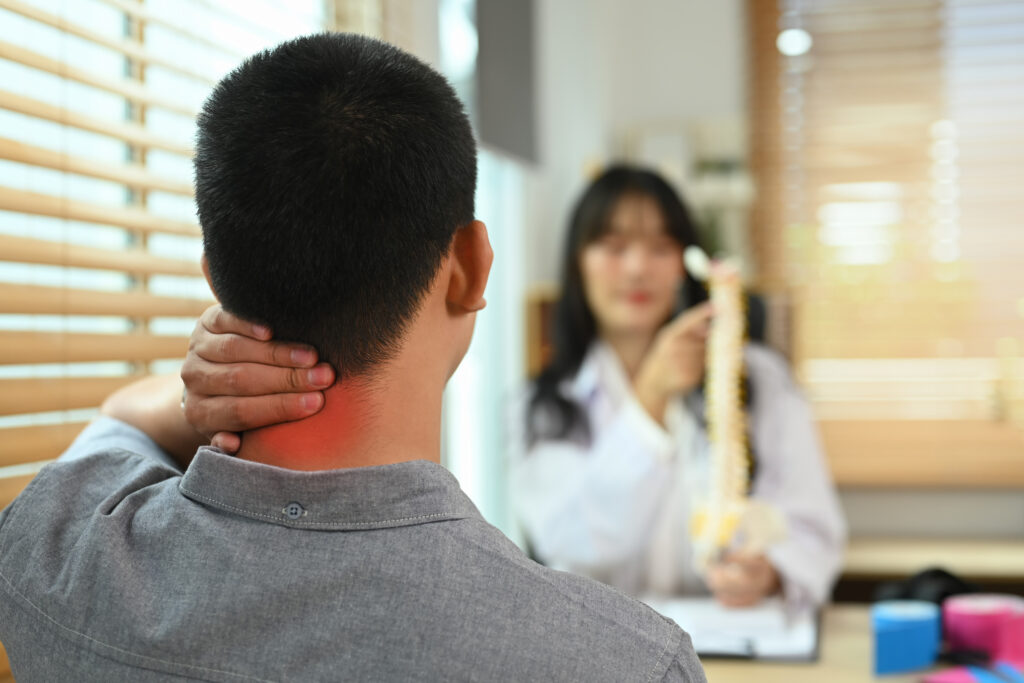
Headaches that show up in the temples, face, or jaw can be surprisingly tricky. One day, it feels like a classic migraine headache. Next, your jaw is tight and clicking like a misbehaving hinge. No wonder many people start asking whether they’re dealing with a migraine or a jaw problem.
The overlap between TMJ vs. migraine symptoms makes things confusing. Jaw dysfunction can refer pain into the temples or head, while migraine attacks can also create facial or jaw discomfort.
Understanding the symptom pattern can help uncover the real source of pain. And when headaches are driven by jaw or neck dysfunction, movement-based treatment such as physical therapy may help address the underlying cause.
What Is a TMJ Headache?
A TMJ headache occurs when dysfunction in the temporomandibular joint or surrounding muscles sends pain traveling into the head. The temporomandibular joint connects the jaw to the skull and plays a major role in chewing, speaking, and just about every time you open your mouth to talk, laugh, or eat.
When this joint or the chewing muscles become irritated, pain may show up in the temples, around the ears, or along the jawline. Because these areas overlap with tension headaches or other headache conditions, TMJ headaches are often mistaken for something else.
TMJ-related headaches often have mechanical triggers. Activities such as jaw movement, clenching, or chewing can aggravate symptoms and make discomfort more noticeable.
What Is a Migraine?
Migraine is a neurological condition that produces moderate to severe headache attacks. Migraine pain often feels throbbing or pulsating and may occur on one side of the head.
Migraine episodes can also bring along a set of symptoms that make everyday life temporarily pause.
Common migraine symptoms include:
- Moderate to severe head pain.
- Nausea or vomiting.
- Sensitivity to light or sound.
- Pain that worsens with normal activity.
- Episodes lasting 4 to 72 hours.
Unlike TMJ-related pain, migraine attacks usually follow a neurological pattern rather than being driven by jaw movement. Migraines involve the trigeminal nerve and surrounding blood vessels, a key pathway for sensory signals behind facial and head pain.

TMJ Headache vs Migraine: Key Differences
Distinguishing TMJ vs migraine symptoms often comes down to noticing patterns. What seems to trigger the pain? What other symptoms show up alongside it?
Those clues can make the difference between a jaw-driven headache and a migraine attack.
Looking more closely at how pain behaves, what it’s paired with, and when it shows up can help you start to separate the two types of headaches.
Pain Trigger Pattern
The pain caused by TMJ dysfunction often increases when the jaw is used. Chewing, clenching, yawning, or opening the mouth widely may aggravate symptoms.
Migraine pain usually doesn’t care much about jaw movement. Migraine attacks often appear in episodes that seem unrelated to chewing or jaw activity.
Associated Symptoms
Migraine frequently include systemic symptoms such as nausea, light sensitivity, and sound sensitivity. Research shows migraine occurs in up to 28% of people with TMJ disorders, compared to about 8–12% in those without jaw issues.
TMJ dysfunction tends to stay more local to the jaw and face. These symptoms may include:
- Jaw clicking or popping.
- Limited jaw opening.
- Jaw locking or stiffness.
- Pain while chewing.
These differences help clinicians determine whether symptoms are more consistent with a TMJ-related headache or a migraine pattern.
Timing and Episode Pattern
Migraines commonly appear in cycles or attacks that last hours or days before easing.
Musculoskeletal jaw pain behaves a little differently. It is often more constant and tends to fluctuate with activity rather than arriving in clearly defined attacks.
Understanding these patterns can help clarify the difference between TMJ vs. migraine symptoms.
Signs the Jaw May Be the Source
Temporomandibular disorders affect about 5–12% of adults, making TMJ pain more common than many people realize.
Certain clues can signal that the jaw joint or surrounding muscles may be contributing to head pain.
Signs pointing toward TMJ involvement include:
- Pain when chewing or opening the mouth widely.
- Jaw clicking, popping, or grinding.
- Jaw stiffness or limited opening.
- Temple or facial pain after clenching.
- Tender muscles around the jaw or neck.
When these signs appear together, the headache pattern may point more toward a jaw-related source of pain rather than a migraine.

Signs It May Be Migraine Instead
Other symptoms point more strongly toward migraine.
Common migraine indicators include:
- Throbbing or pulsating pain.
- Nausea or vomiting.
- Sensory sensitivity to light or sound.
- Debilitating headache episodes lasting hours or days.
- Pain not clearly triggered by chewing or jaw movement.
These characteristics are typical of migraine attacks and help differentiate them from jaw-related headache confusion.
Why TMJ and Migraine Get Misdiagnosed
TMJ disorders and migraine can both produce pain around the temples, face, or jaw. Because the symptom locations overlap, people sometimes end up chasing the wrong diagnosis for a while.
In fact, confirmed migraine rates can increase nearly tenfold in people with TMJ dysfunction, highlighting how closely these conditions are connected.
In some cases, patients who suffer from migraines are treated for TMJ dysfunction for years before the neurologic cause is recognized. The opposite can also happen when jaw dysfunction is mistaken for migraine.
Accurately diagnosing these conditions requires careful evaluation of symptom patterns, movement triggers, and associated features. When both conditions are present, patients often experience higher pain levels and greater overall symptom burden, which can make diagnosis and treatment more complex.
How Physical Therapy Helps TMJ-Related Head Pain
When headaches are driven by jaw dysfunction or muscle tension, movement-based treatment can help address the underlying problem.
To better understand how treatment works, it helps to look at the key areas physical therapy focuses on.
Jaw and Neck Assessment
Physical therapists evaluate jaw movement, neck posture, muscle tension, and movement triggers. This type of assessment helps determine whether symptoms match a musculoskeletal pattern.
Identifying movement-related triggers helps determine whether symptoms are coming from the jaw or from a migraine.
Manual Therapy and Mobility Work
Hands-on treatment can improve joint mobility and reduce muscle tension in the jaw, neck, and upper back.
When mobility improves and muscle tension decreases, the strain that contributes to TMJ-related headaches often improves as well.
Exercise and Habit Retraining
Exercise and movement retraining help maintain improvements from treatment and support healthier movement patterns.
Common strategies include:
- Jaw control exercises.
- Neck mobility drills.
- Posture correction.
- Awareness techniques to reduce clenching.
These approaches can reduce symptoms when headaches are linked to jaw dysfunction rather than neurological causes like migraine.
Personalized Therapy for Lasting Relief
Our expert therapists are committed to helping you achieve your health goals.
When to Seek Further Evaluation
Some headaches require medical evaluation beyond musculoskeletal treatment.
Consider consulting a healthcare provider if symptoms include:
- Severe or worsening headache intensity.
- Neurological symptoms such as vision changes or dizziness.
- Persistent migraine-like episodes.
- Headaches that do not respond to conservative care.
Proper evaluation helps determine whether symptoms are coming from a jaw-related headache, a migraine, or another condition.
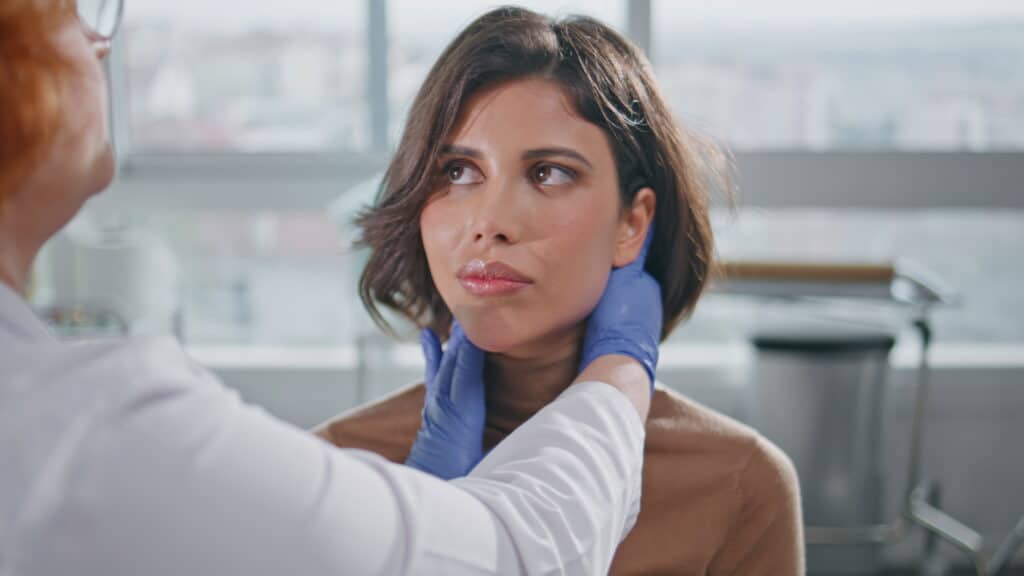
Why Choose Ivy Rehab for TMJ-Related Headache Treatment
Jaw and neck dysfunction often play a role in head pain. Effective treatment focuses on restoring normal movement and reducing muscle tension so the body can work the way it was designed to.
The physical therapists at Ivy Rehab Therapy evaluate how jaw mechanics, posture, and muscle activity interact. Treatment plans may include manual therapy, exercise, and habit retraining to improve movement and reduce symptoms.
The goal is simple: help patients move more comfortably and return to daily activities with lasting relief from pain and more confidence.
Find the Source to Feel Better Faster
Understanding TMJ vs. migraine differences can help patients find the right treatment path. While both conditions may cause temple or facial pain, the underlying causes are very different.
TMJ-related headaches often respond to treatment that addresses jaw mobility, muscle tension, and posture. Migraines require a neurological management approach.
When symptoms are driven by jaw and neck dysfunction, physical therapy can help reduce pain, improve movement, and support long-term function. Find a location near you and see how personalized physical therapy can help you move forward with less pain.
References
- National Institute of Dental and Craniofacial Research. (2023). Temporomandibular Joint Disorders. https://www.nidcr.nih.gov/health-info/tmj
- American Migraine Foundation. (2024). Migraine Symptoms and Diagnosis. https://americanmigrainefoundation.org/resource-library/migraine-symptoms/
- Lee, S.H., et al. (2025). Temporomandibular disorders patients with migraine symptoms have increased disease burden due to psychological conditions. Journal of Oral & Facial Pain and Headache. https://pubmed.ncbi.nlm.nih.gov/40129424/

Before you go
Find the right therapy today.
Discover how Ivy Rehab can help you get back to doing what you love.